Happy to see our paper out in JDE! My classmate @Alisher_BV and I started it in 2nd year and managed to get an idea to publication in under 3 years 😊
Thanks to our advisors, funders, editor and referees, welcoming hosts @marome1@HLarreguy and many friends in Mexico 🤗
Our new paper in the Journal of Development Economics shows that correcting misconceptions about mental health & therapy increases peer information sharing, but does not shift help-seeking – w/ @_IdaGri, @bruno_calderon_, @robert_gonz & Alejandro Guardiola.🧵
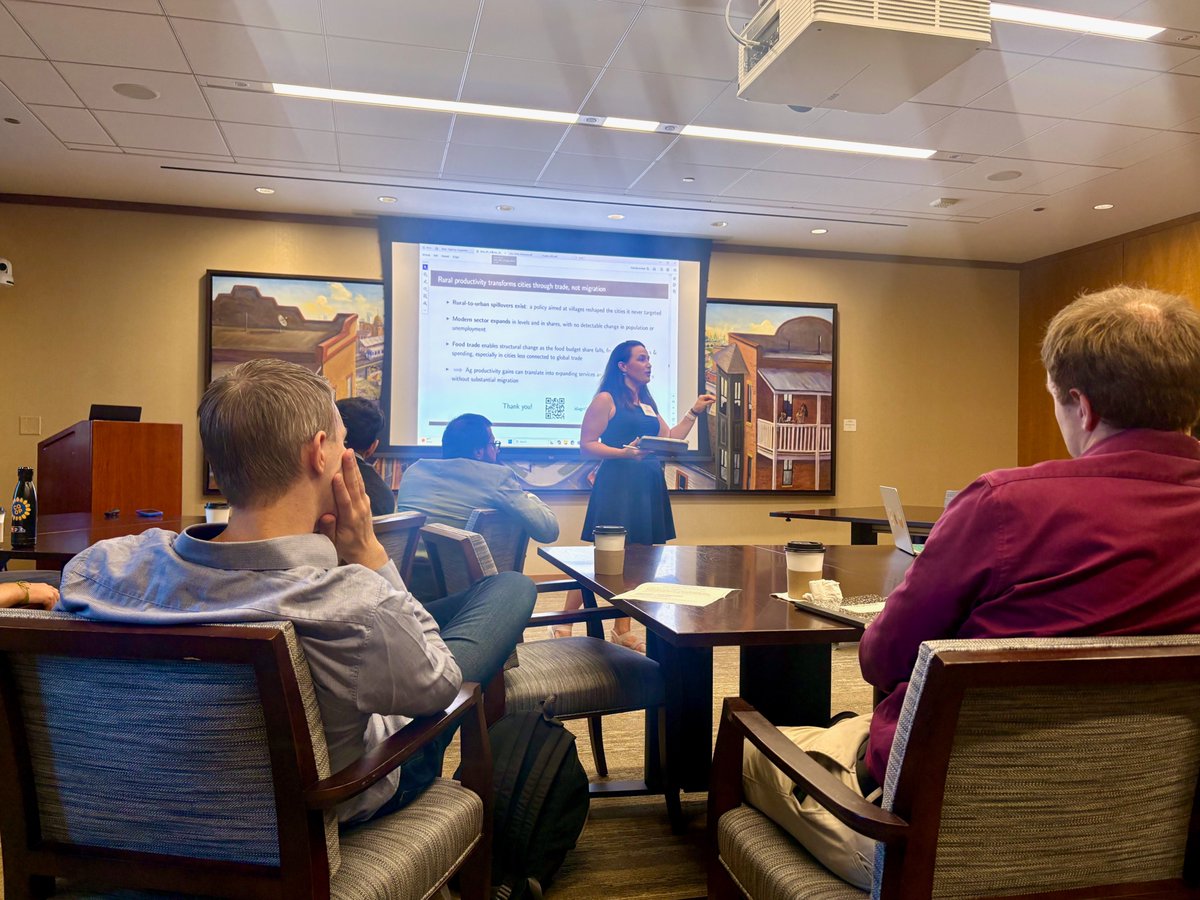
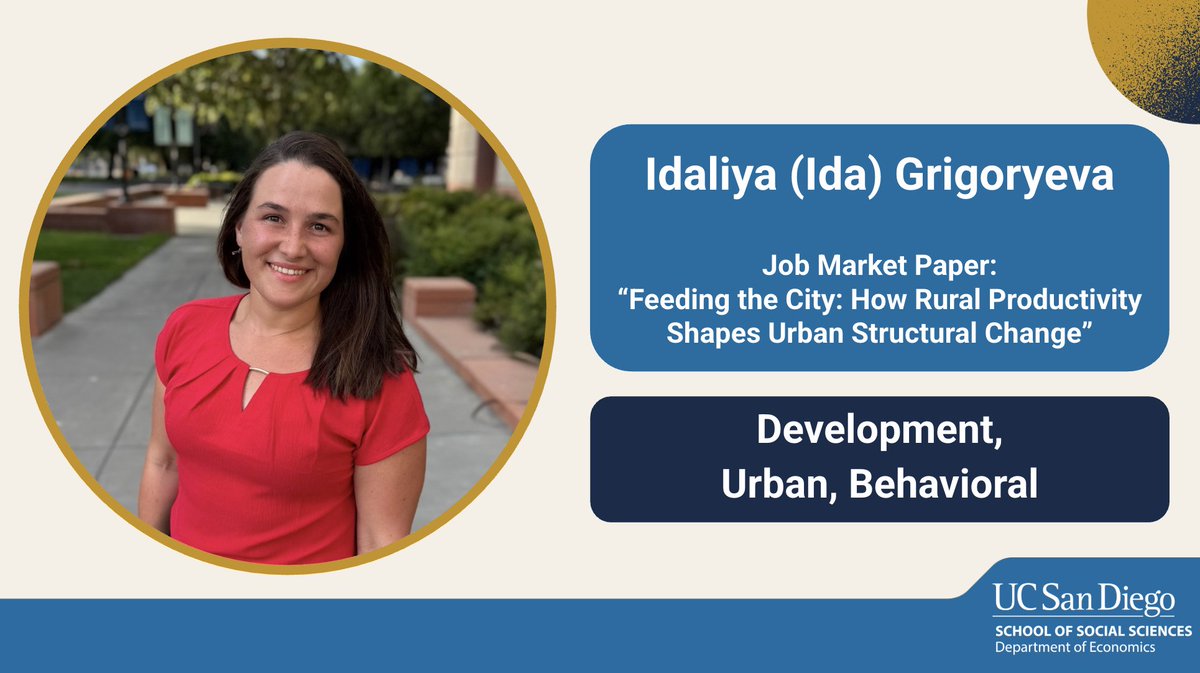
How does rural productivity affect cities? In her JMP, @_IdaGri shows that rural agricultural productivity can raise service and manufacturing employment in cities through food trade without substantial migration
Read more: https://t.co/WSEHR4fd93
#EconJobMarket
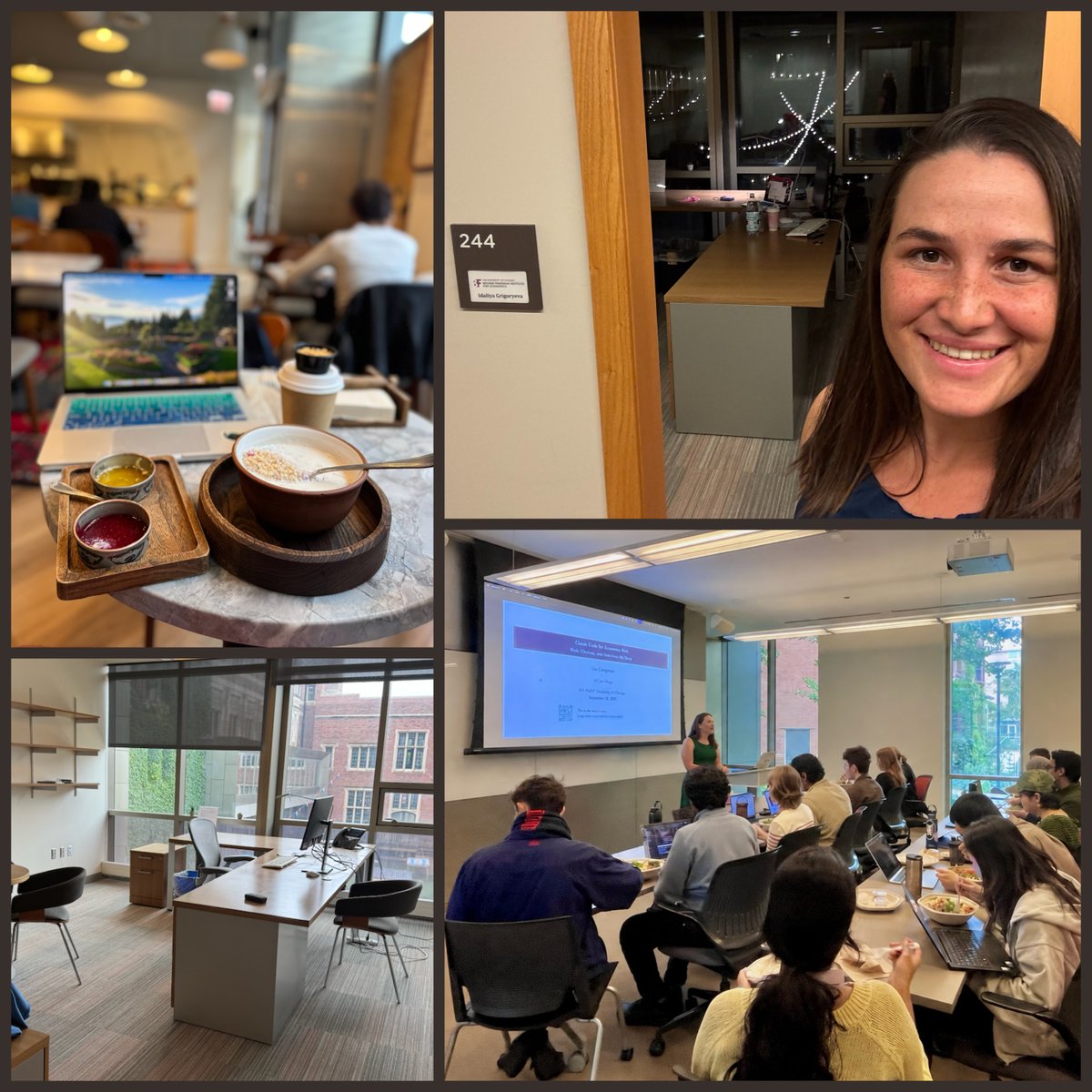
Concluding a productive week @UChicago, presenting our Sleep RCT at AFE 2026 #afe2026, giving AI workshop to predocs as @BeckerFriedman Visiting Scholar, and presenting JMP in the student prize finalist session @UrbanEconomics conference — see more @ https://t.co/LutwEzEIWl 😊
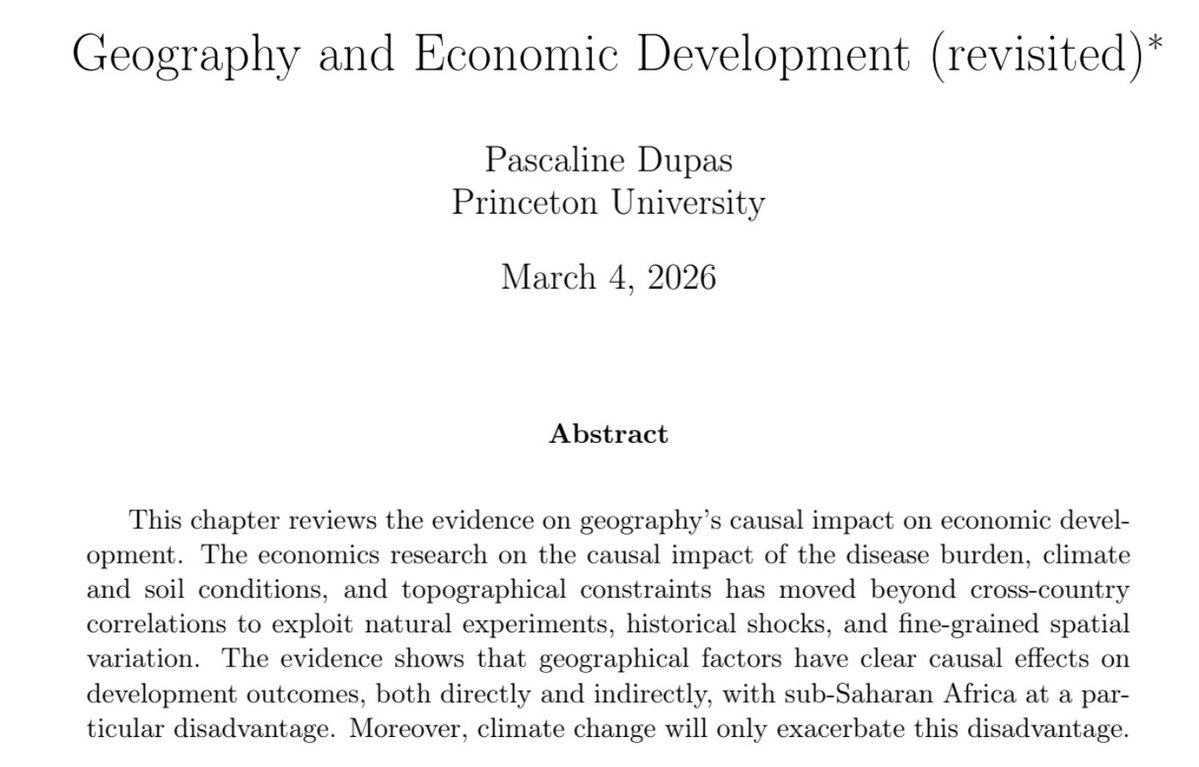
Great new review article from Pascaline Dupas, with a new take on the Jeff Sachs vs AJR debate:
20+ years of rigorous, empirical evidence point to a strong role for geography in shaping econ development outcomes
Beginning July 20, Claude Fable 5 will be included in all Max and Team Premium plans, at 50% of limits.
Pro and Team Standard users will continue to have access to Fable via usage credits, and will receive a one-time $100 credit.
Demand for Fable has been challenging to predict, which is why we rolled it out to subscription plans in stages, extending access several times as we secured additional capacity.
Excited for the ESA North America Meeting 2026 to be hosted at my alma mater @UVA! Send us your best abstracts by Aug 3, 2026 and join us in Charlottesville, VA from Oct 30-Nov 1 for great talks (and fall foliage)! https://t.co/jyq41xqjev
#EconTwitter#wahoowa
@paulnovosad That travel time is actually incorporated exactly into the GHS functional urban areas (FUA), it's a nice mix of initial GHS UCDB with the Weiss et al travel distance -- still subject to some criticisms of UCSD dataset, but might be useful :) https://t.co/7QUE8t3Rrw
Links to resources:
* Workshop recording 🎥 (50 min)
(Heads up: Claude was a bit uncooperative during live demo — the recording is most useful for the setup + workflow + Overleaf sync)
* Sample project with simulated data + code + Claude files 📊
Questions welcome!
[5/5]
Sharing materials from Claude Cowork + Code workshop I ran @UCSDEcon with #EconTwitter, a friendly chat that reads your project files + LaTeX drafts, writes and runs code, all from a desktop interface!
No terminal – Cowork + Code w/ GUI! Thread with slides + resources 🧵↓
[1/5]
Sample prompt: “Add growth rates for main outcomes in build, re-run main regs on village panel data, update results files to Overleaf project”
➡️ Cowork edits do files, you run it [or Code tab does], and .tex files sync to existing Overleaf like magic
[4/5]
An Econ PhD student at the 20th ranked program who is working on stuff they are passionate about will have a better job market than one at MIT who's been doing nothing but phd-app-maxxing since undergrad.
People get confused by this because they don't observe *how* successful people came about their insane knowledge bases. It wasn't by relentlessly grinding away at stuff because they had to.
They look at Scott Kominers and say "if i grind and learn as much math as he did, i will be successful." You can't! *You* can't learn as much math as Kominers because he gets energized by configuration results for type ii lattices. You will burn out if you try to do it this way.
You cannot, through grind alone, learn more about the economics of cities than Glaeser, or about how to maximize a value function than Acemoglu.
Research careers are long. Most people give up and stop working on research (graph is share of elite PhD graduates with at least one publication in year X after graduation).
If you're starting a PhD, you're presumably doing it to have a successful 40-year research career. The number one factor in whether that happens is not which program you get into, it's whether you find a research angle that energizes you enough to push through the endless barriers an academic career throws in your path.
This is why a lot of the received wisdom around PhD applications is wrong. If you're 100% consumed by the predoc rat race already, it's going to be a long, hard road ahead.
Obv you still have to do admissions, you should study a lot for the GRE, sigh it seems like taking real analysis is probably worth it.
But spending time on the things that energize you about economics is a no-brainer, whether it's policy, or blogging, or whatever, you gotta do the things that light your fire and make you want to be on this road.
I've always told my PhD students that a PhD is a marathon and not a sprint. Now that Sabastian Sawe has run the London Marathon in under 2 hours, I'll need to think of something else to tell them.
I am sharing a set of slides from my lecture on agentic AI tools for Applied Economists at @penn_state. Materials are available here: https://t.co/2tcpPY4uhS
This builds on this thread and great work by Paul Goldsmith-Pinkham, @aniketapanjwani, and @VelikovMihail
🚨 LAST CALL — Deadline this Thursday!
Guadalupe Mendoza (UC Irvine) shares how her Short Research Stay in Mexico strengthened her research & collaboration.
Now it’s your turn.
📅 April 30, 2026
🔗 Apply now: https://t.co/IOqlqNTh3h
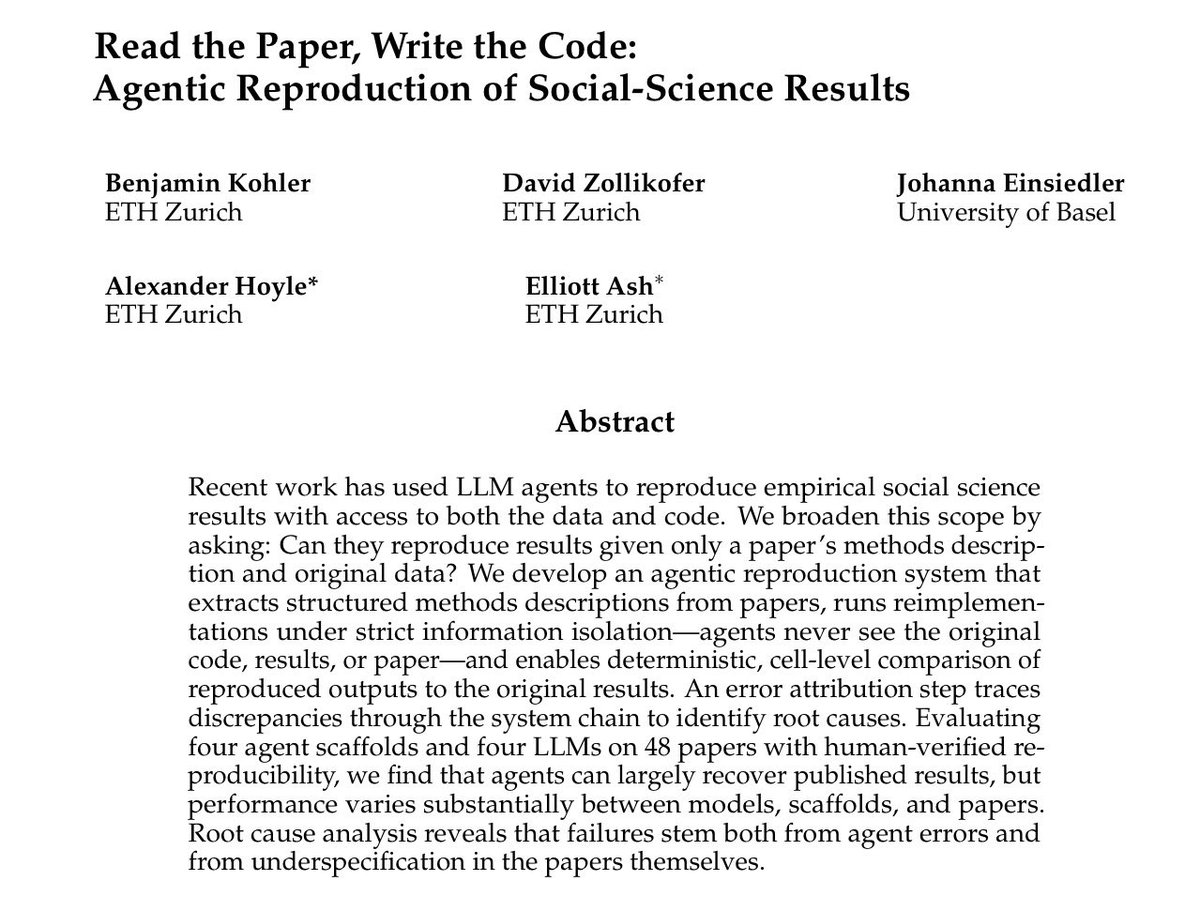
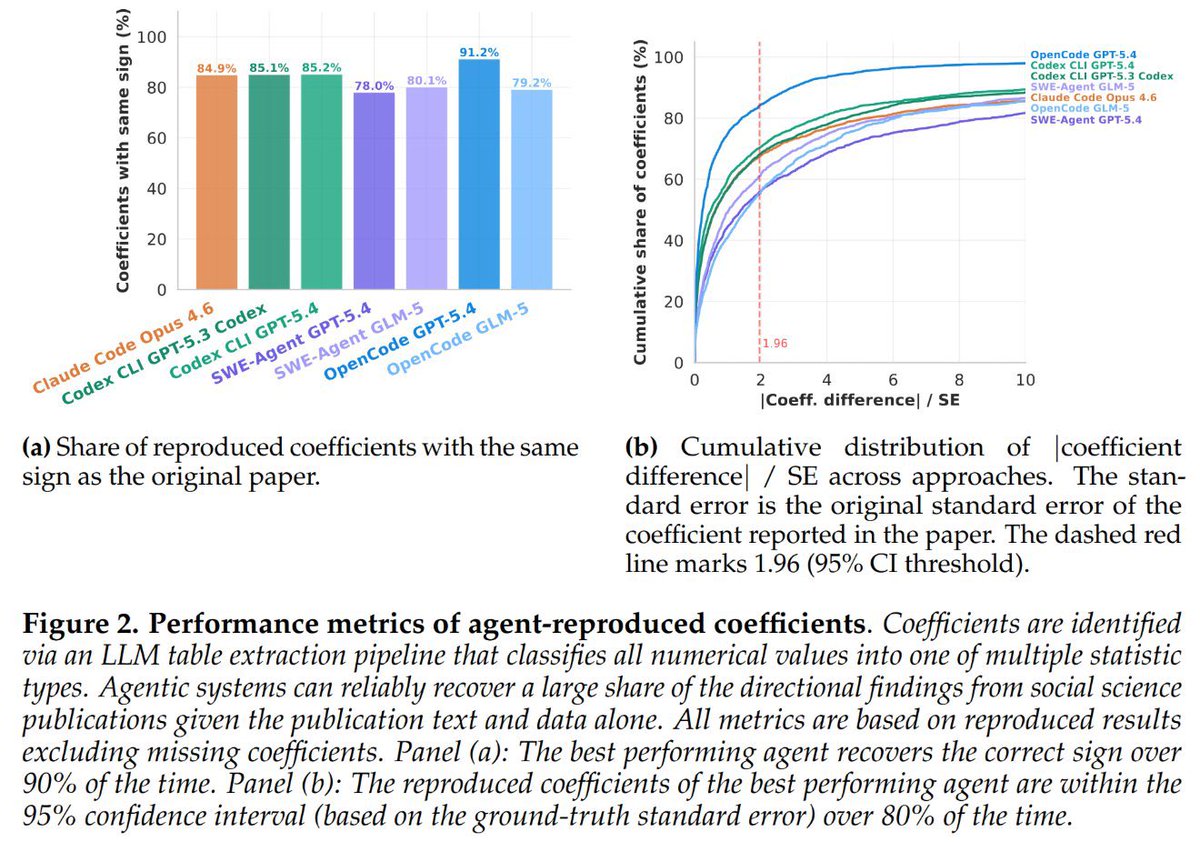
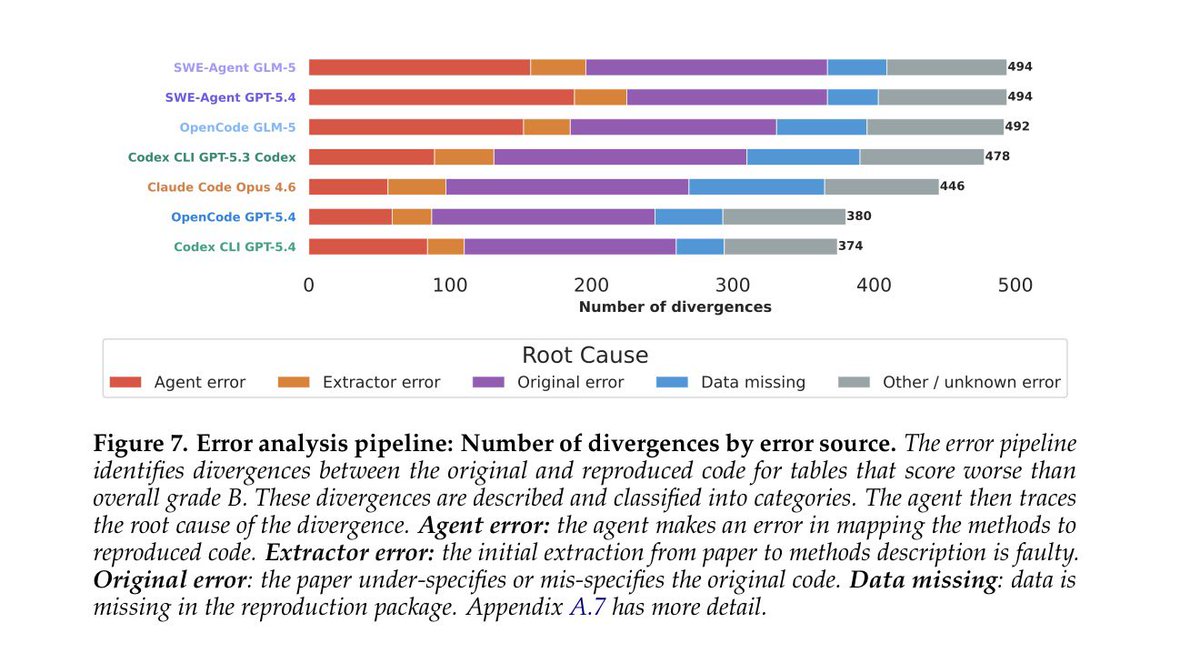
I think that academia has not absorbed the fact that AI agents are now good enough to independently reconstruct complex papers without access to code or the papers themselves; just the methods & data.
They aren’t perfect but the errors are often in the human paper, not the AI.
AI has raised the utility of work so much I'm working about 10h more per week than I used to.
The joy of research was always in the exploring and discovering, suddenly I can spend my time doing that again.