Senior Associate at @TheAsiaGroup, formerly @CarnegieEndow and @swarthmore. Editing @blob_logic. Interested in clean energy, development, and Fragile (1971).
In my new commentary for @CarnegieEndow, I talk about the real roots of India's recent power cuts - and how New Delhi might prevent such crises going forward while simultaneously cutting carbon emissions. (1/7)
https://t.co/aqgo061eNV
This is simply a consequence of prioritizing H2 production over grid decarbonization, which is effectively what the large IRA clean hydrogen PTC does. This is not necessarily a bad thing either, since it could help scale up the US hydrogen industry for when we really need it.
Results were as follows:
1. With no requirements for clean energy procurements, grid-based hydrogen production is VERY dirty. Consequential emissions rates were routinely *double* those of steam methane reforming (i.e. the current 'dirty' production pathway):
In the Jan 2023 issue of Seminar, in the spirit of the new year, I ask the question--what's working in India? To that end, here is my essay on 8 ways in which life is getting better in India https://t.co/v0EIDPvAcJ (1/n)
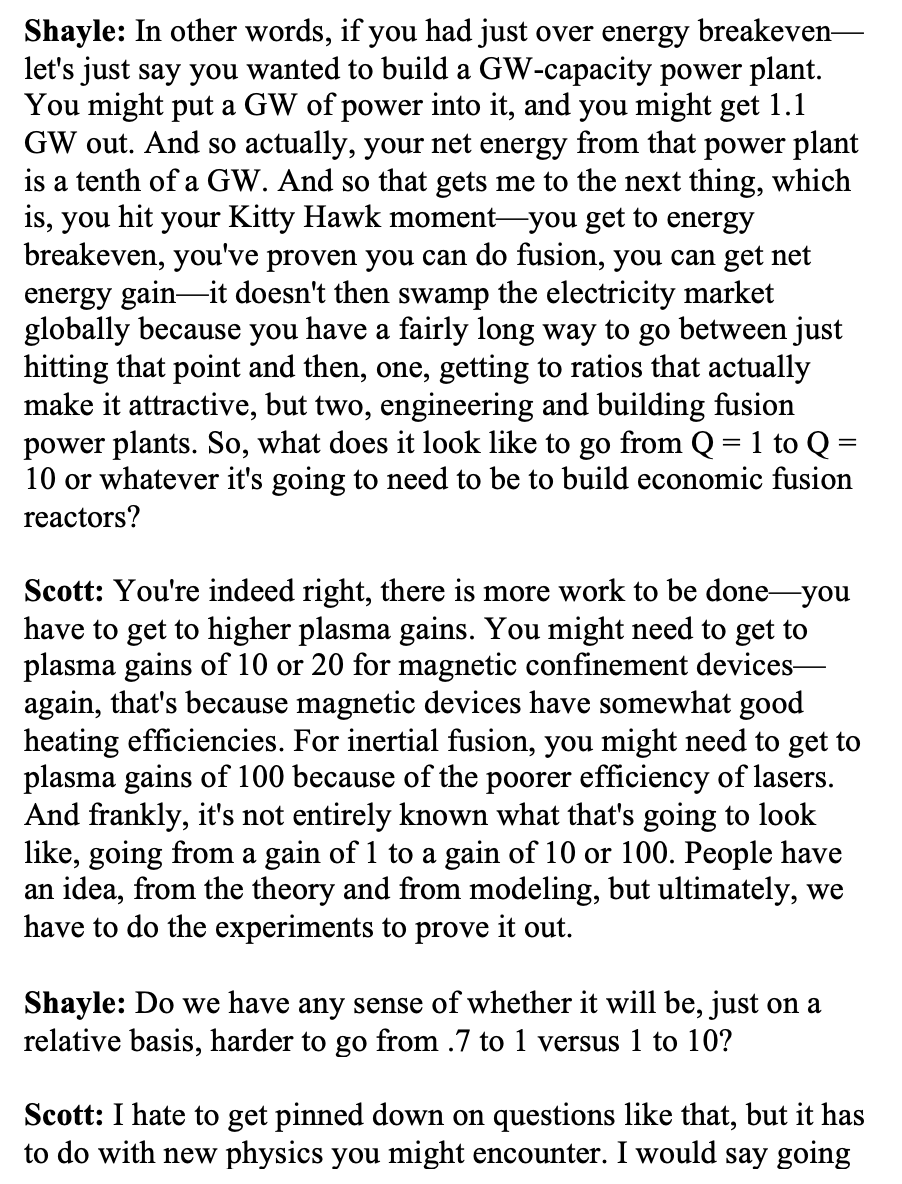
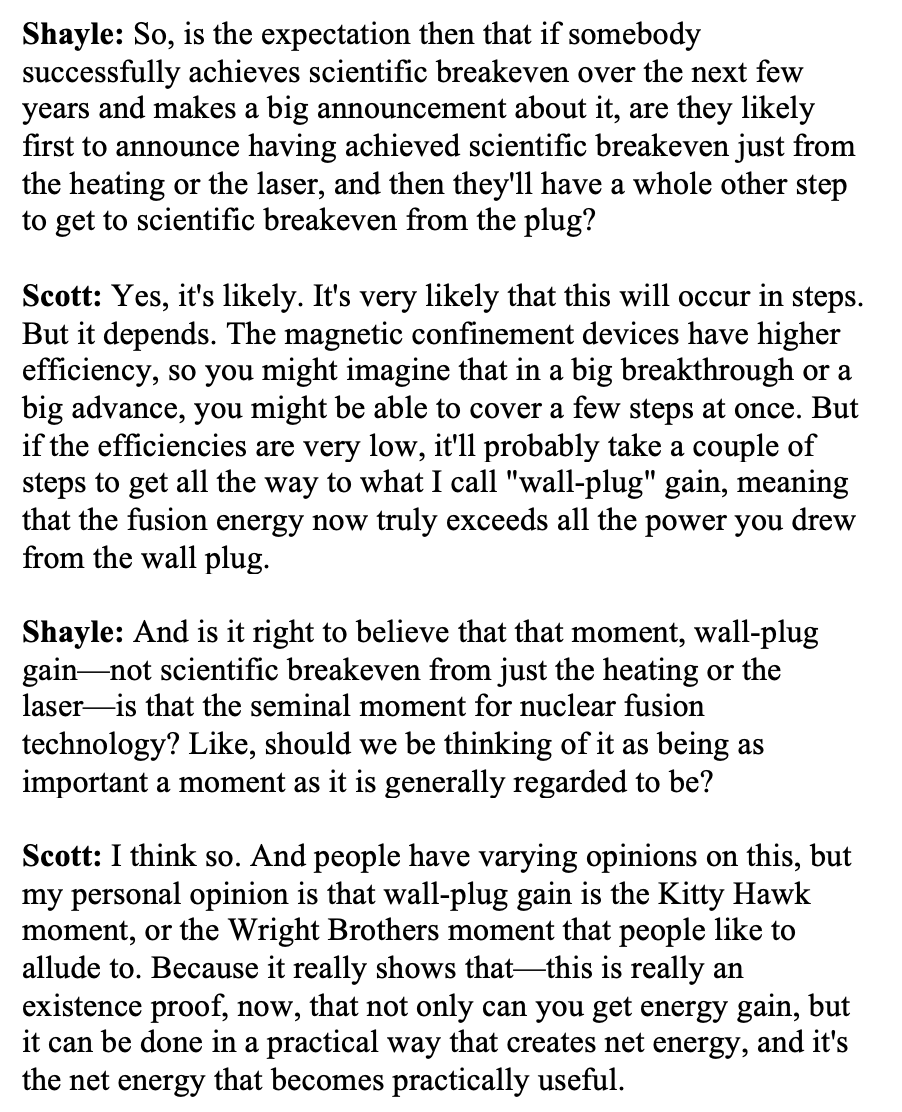
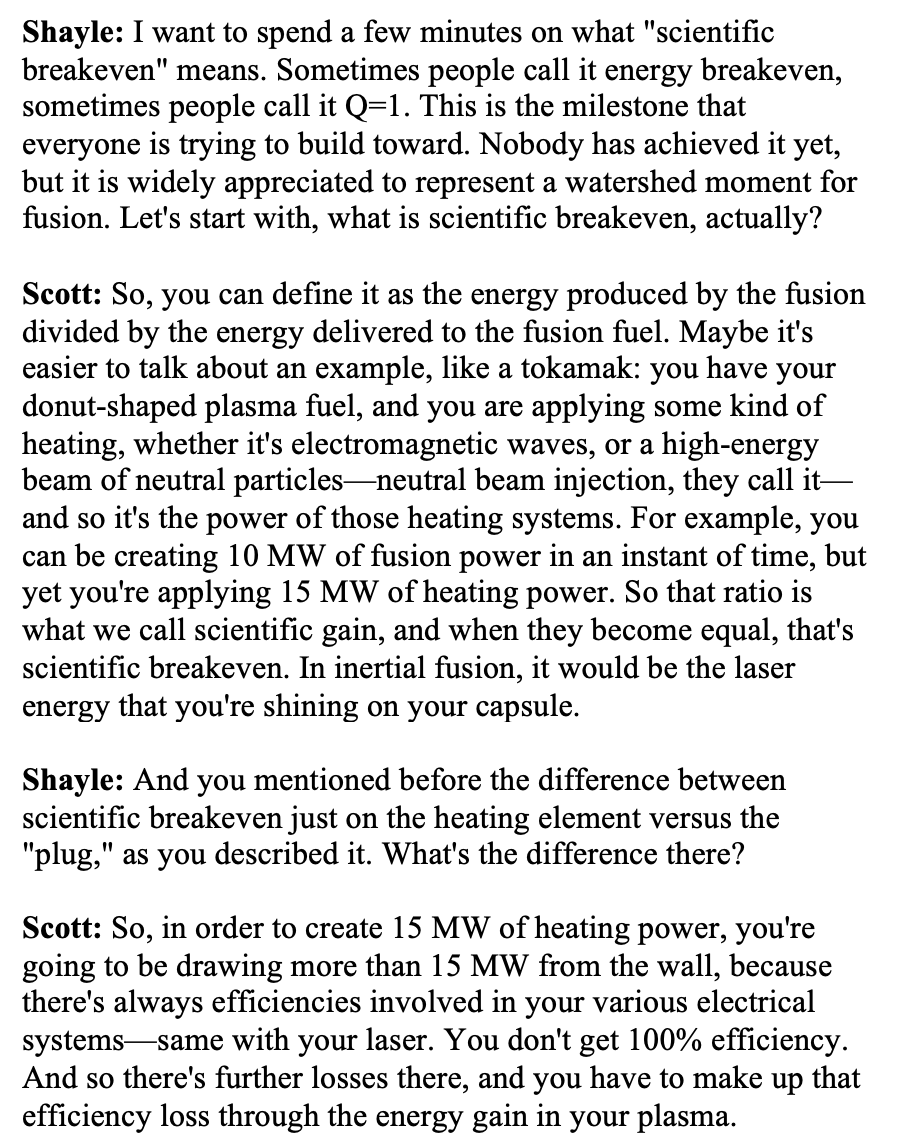
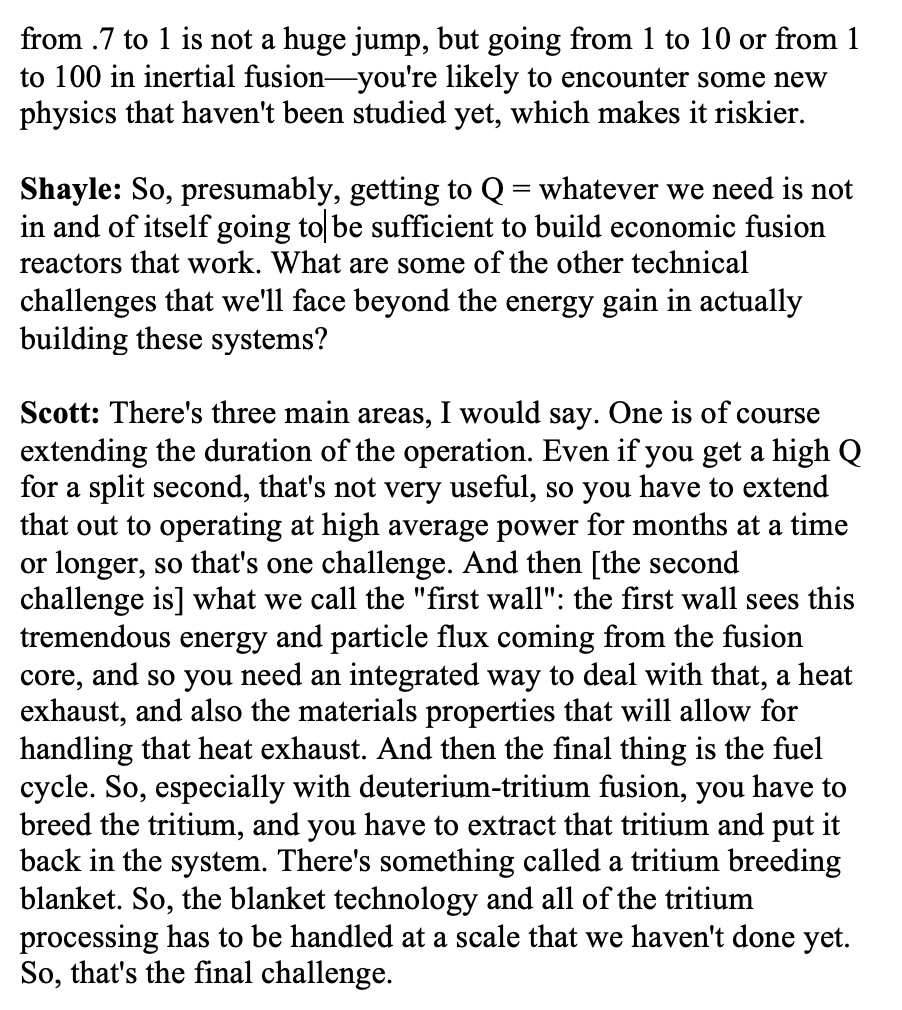
It was super helpful to return to @shaylekann's @CatalystPod episode on fusion with @ScottCHsu to put this NIF milestone in context. I've transcribed the most relevant section below, but I strongly recommend checking out the whole episode:
https://t.co/8sMmcdXos0
Two things can be true:
1) This is a monumental technical milestone that should be lauded as such.
2) It is nowhere near bringing us "limitless clean energy", and likely isn't the pathway that will get us there in the future either.
https://t.co/eRVWXimYk4
India’s proposal at COP27 to "phase down" all fossil fuels may not actually be a sign of heightened ambition.
Instead, it may just mean doing what India is already doing: investing in clean energy while also planning to burn a lot of fossil fuels for the foreseeable future.
TAG’s @_JonathanKay told @SPGlobal that “[t]he COP26 language on phasing down coal placed uncomfortable pressure on India, which is one of the largest users of coal in the world by a large margin.”
https://t.co/t8kZCQMnyR
Whenever I talk about EVs, someone always asks "what about emissions from battery production & minerals?" Turns out: upstream emissions associated with producing gasoline for an ICE vehicle are larger than those 'embedded' in minerals and battery production for an EV. ⤵️
“Maybe India falls short, but if you want ambition, that’s about as ambitious as it gets,” TAG’s @_JonathanKay told @SPGlobal of India’s 2030 target of 500 GW of renewable capacity: https://t.co/2BgSOtXLCt
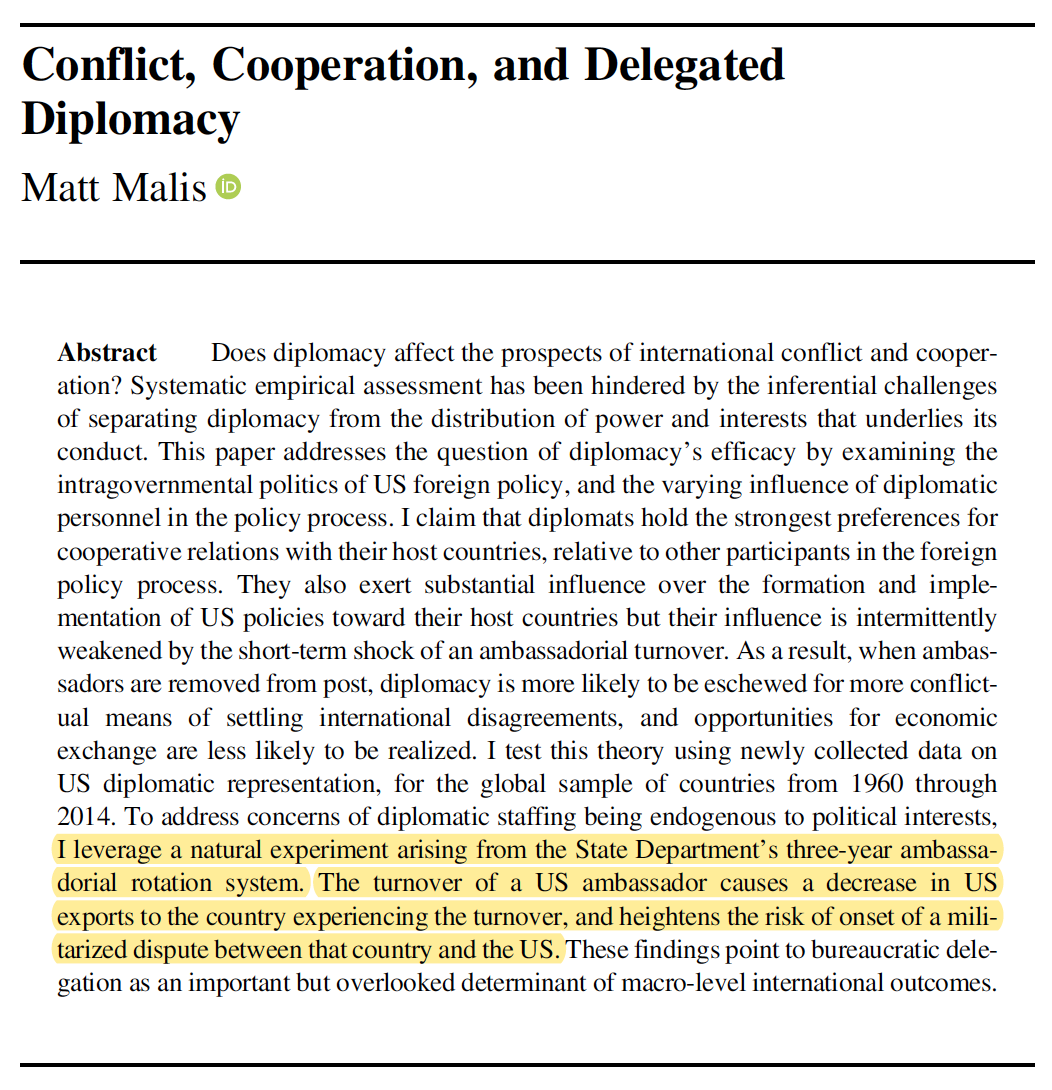
among other things, the article gives hard evidence that individual diplomats matter for foreign policy outcomes, not just government leaders, underlying material interests, etc.
Great article from @MattMalis giving strong empirical evidence for something anyone in U.S.-India policy is currently seeing anecdotally (with no U.S. ambassador in New Delhi for 22 months and counting):
No ambassador = decrease in exports, heightened risk of militarized dispute
CHIPS, subsidization of STEM education, and domestic production subsidies are all part of the bet.
Or as Kevin Wolf put it, "You can't just export-control yourself into a healthy economy."
<THREAD>Sorry, but nuclear deterrence is a two-way street. Just as NATO’s nuclear weapons deter Russia, so Russia’s deter us.
This isn’t fair or just. But it's the reality of life under the shadow of the Bomb. Ignoring the risk of escalation is a recipe for catastrophe. (1/17)
@kkthomason I absolutely loved Hume in moral, but reading Smith in modern political theory just felt meh, like I had to do a lot of work on the backend to make it at all interesting and even then it still wasn’t very memorable. @thediebster took both classes too though, what do you think
📢 Far from backing Russia’s invasion of Ukraine, India has begun a slow but inevitable decoupling from Moscow, @HappymonJacob argues in @ForeignAffairs.
https://t.co/EeMbebqOL8
Here’s our breakdown:
(1/15)
“While less than half a million people lived in areas experiencing unhealthy air at least one day per year a decade ago, that number has ballooned to over eight million in recent years – a 27-fold increase.” https://t.co/CW7CvNjdMp
📢Taiwan is not currently equipped to defend against a Chinese invasion, but the Taiwan Policy Act may be a start to ensuring the country has the munitions and force structure it needs, @BDHerzinger argues in @ForeignPolicy.
Here's our breakdown:
https://t.co/QdIMRAftub
(1/13)