Kenya's edge here is the tariff gap. Chinese panels pay 62.5 per cent in US tariffs plus anti-dumping and subsidy duties, while Kenyan-made panels have faced no extra US tariff since 24 July. The exports show the gap pays: from nearly zero in January to USD138m in August. The opportunity comes from the US restricting Chinese supply, not from Africa being more competitive.
But is that the whole story? Under US rules a panel takes the origin of its cell, so a panel assembled here from Chinese cells is still Chinese at the US border. Only cells made here change that. Ethiopia's cell makers have been under a US inquiry since 17 July over alleged Chinese parts, and in November Toyo stopped shipping its Ethiopian cells to the US while the inquiry runs, even after US customs had cleared them. The US makers behind that case said in October they are looking at Kenya, and from 4 December imported panels, Kenyan ones included, face a 15 per cent tariff and a USD0.38-a-watt price floor.
Watch US imports from Kenya after 4 December, and whether Commerce opens a Kenya inquiry.
@JarvisAeneas The economic shocks happened later on and can be explained by whole load of other factors other than white people leaving. It's actually impressive that despite the systematic restrictions on locals, whites could only managed farms that were ~ four times more productive.
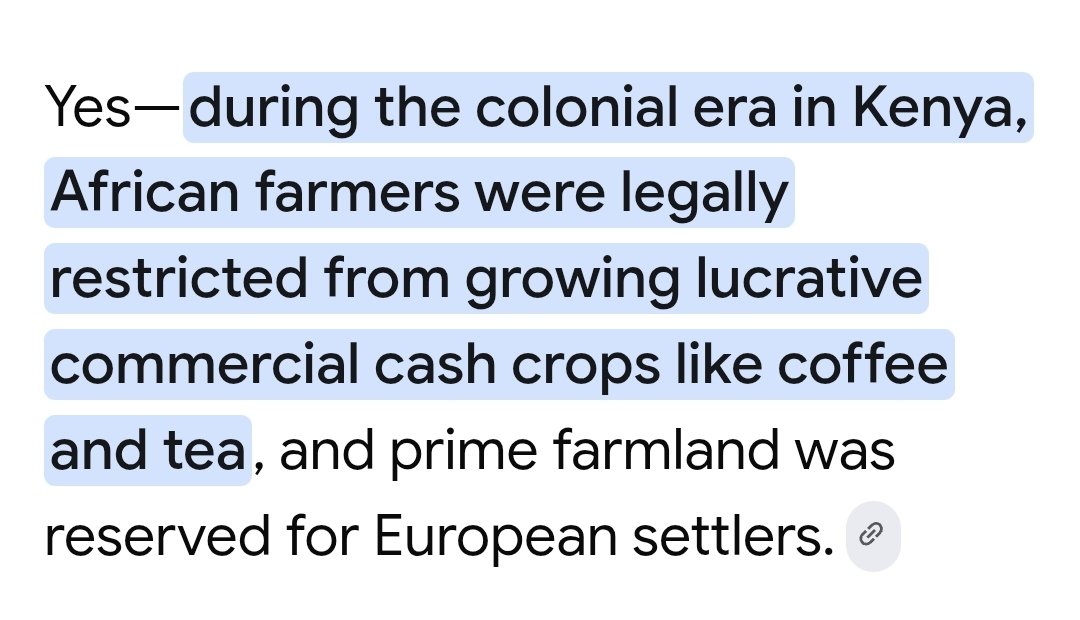
@JarvisAeneas You're leaving out a lot. African farmers were restricted from growing Agricultural cash crop exports, pushed into less fertile reserves, & their labor controlled.
Kenya experienced an economic boom when whites left with a lot wealth unlocks happening for the black population.
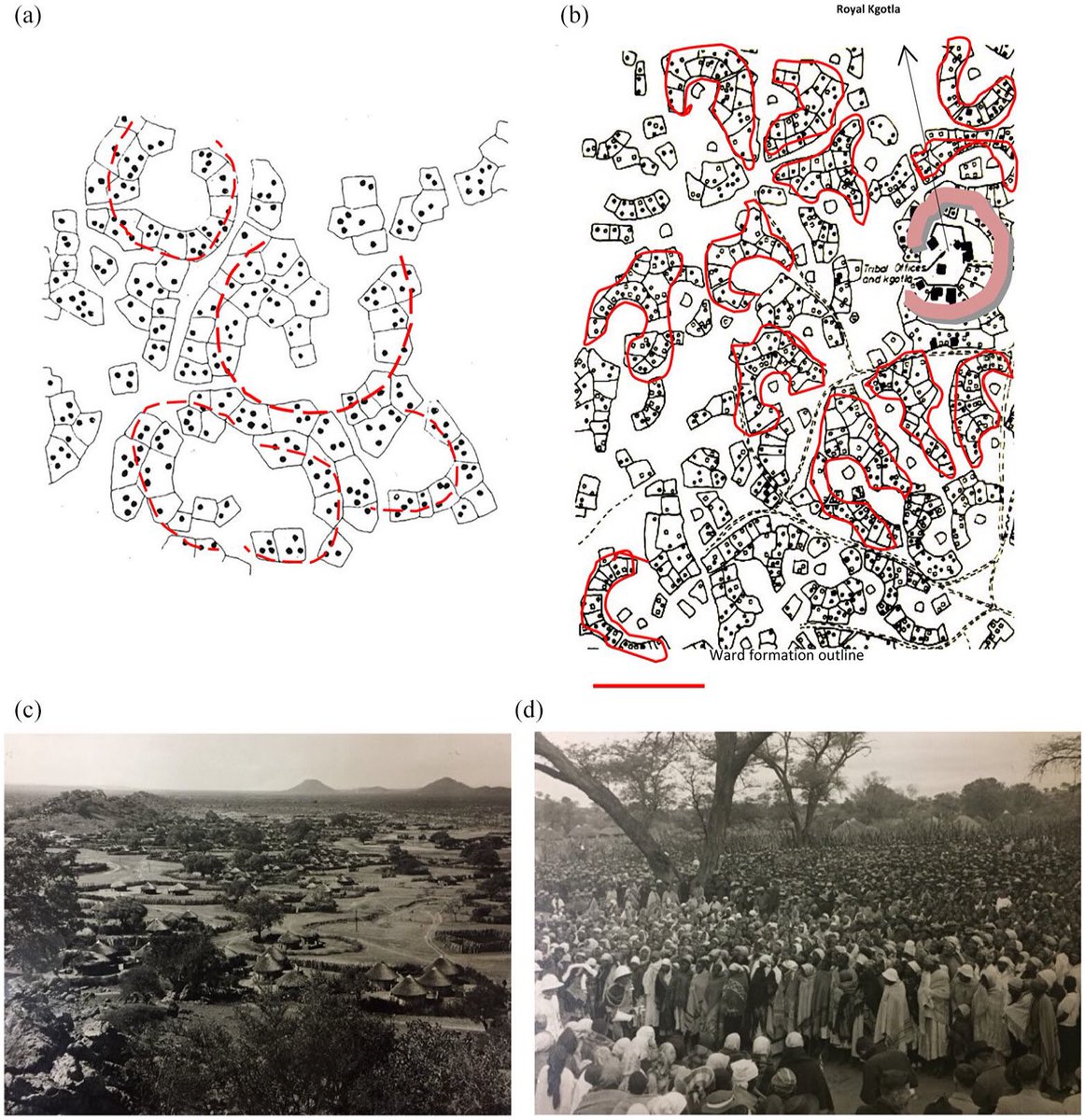
@femcelwaffen Great Zimbabwe and other similar structures in Southern Africa have little to do with the Lemba. If you look at the map similar stone settlements are everywhere in the region.
https://t.co/aL6T5UGnkh
Multiple problems with this argument.
1. The Lemba never built in Stone, including Sofala.
2. Their Metallurgy is no more advanced that Sotho-Tswana sites found inland, nor the Copperbelt metallurgy in the Congo.
3. Socially they are a caste without chiefs, unlike GZ culture.
Attending the funeral of one of the victims of this attack, a brother to someone I know. Their next door neighbors, a father and son, will be buried tomorrow. 3 people left a village for work only to come back in coffins. I get sick to my stomach of people who cheer Islamists.
Seafaring is not even deeply rooted in Somali or broader Cushitic culture, which have long been centered on nomadic pastoralism. By contrast, maritime traditions are deeply rooted in Bantu cultures of the East African coast, inherited from our Azanian ancestors referenced in the Periplus of the Erythraean Sea.
Bantu communities independently developed their own ocean-going vessels, known as the mtepe and its larger cousin, the dau la mtepe. Other traditional craft include the majahazi, mtumbwi, and the large mashua. The only major foreign boats we adopted were the Arab sambuk, the large Arab baghlah, and the ngalawa (from Indonesian sailors we encountered on the Indian Ocean trade routes).
I deliberately left out the dhow because its origins remain disputed—some say its of African origins, others say its of Middle Eastern origins, others say its of South Asian origins , or otherwise—and no consensus exists.
So the question is straightforward: what traditional sailing vessels did Somalis or other Cushitic groups independently develop? Where are the large-scale cargo vessels credited specifically to Somalis as their own independent designs, documented in the same way the mtepe is across numerous historical sources? The absence of such evidence suggests that Somalis learned maritime skills from other cultures possibly Bantu or Arab rather than developed indigenously.