@kinjeketile This is ~56m². For context, the typical unit sizes under affordable housing are as follows.
Studio / Bedsitter 19–30 m² (204–323 sq ft)
1-Bedroom 25–30 m² (269–323 sq ft)
2-Bedroom 41–45 m² (441–484 sq ft)
3-Bedroom 60–85 m² (646–915 sq ft)
@kinjeketile Mui basin coal to chemical complex dream; Electricity generation
Ammonia production
Urea fertilizer production
Methanol production
Hydrogen production
Synthetic fuels
Sulphuric acid prediction
@angaliahuyu@TangoFox_@mucheke Rare good news.
I’m surprised KR do not have a concrete sleeper plant.
Could requisition the one at Emali to serve the whole of Ke.
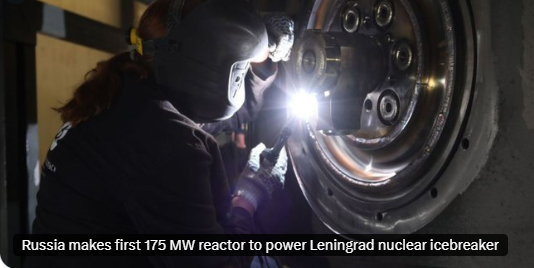
Russia's ZiO-Podolsk plant near Moscow has built 11 RITM series SMRs, that will be used for icebreakers, floating power plants and land power plants. There are two sizes, an RITM-200 and RITM-400 reactor. Article link in reply.
Overall, Russia has built 13 RITM series reactors. 15 more such reactors are being built.
The SMR idea is to build streams of identical reactors at a central factory. Russia is actually doing it, right now.
Using the same reactor design for multiple applications (power plants, ship propulsion, etc..) is also a good idea that is likely to recude costs.
@kinjeketile Amedo Centres used to be very popular with teachers and civil servants supplying Singer sewing machines, consumer electronics and furniture sets via hire purchase.
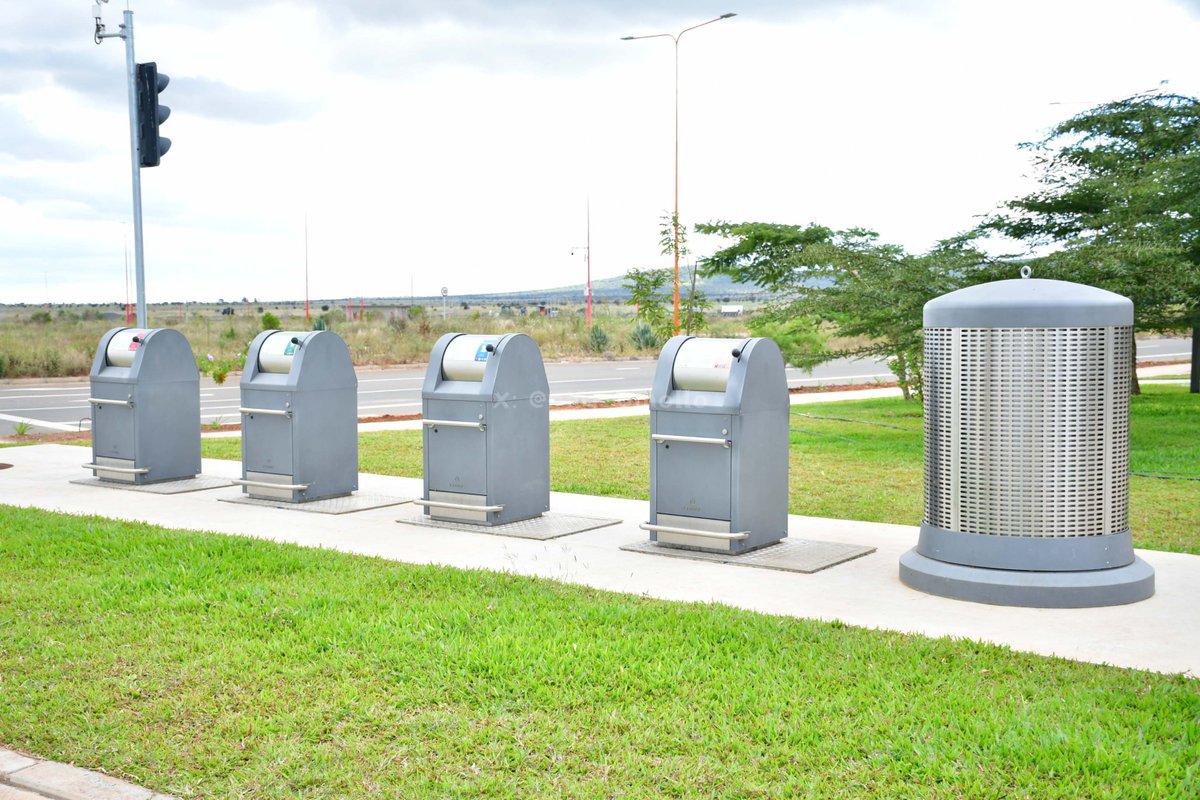
As Africa's leading smart city and a source of national pride, Konza Technopolis continues to set new benchmarks in urban innovation through the deployment of the continent's first automated pneumatic solid waste management system.
Officially commissioned by H.E. President @WilliamsRuto in October 2025, the facility replaces conventional garbage collection methods with a fully automated underground network capable of processing up to 40 tonnes of waste daily, delivering a cleaner, more efficient and environmentally sustainable urban environment.
The system is built on a 14.8-kilometre underground pipeline network linking 25 collection stations with 100 disposal inlets across East and West Konza.
Residents and businesses sort waste at source into four categories; organic, paper, packaging and mixed waste, which are then transported through the subterranean network to a central processing terminal.
Operations are managed through a centralized SCADA platform that continuously monitors waste levels and automatically activates high-powered vacuum technology when collection is required.
Waste travels through the underground pipelines at speeds of up to 70 kilometres per hour before reaching the central terminal, where advanced cyclone separation technology extracts solid waste for compaction and recycling while filtered air is safely released back into the environment.
The State Department for Internal Security and National Administration supports the seamless operation of this critical smart-city infrastructure by coordinating public compliance frameworks, protecting essential utility corridors and strengthening emergency response readiness around the automated waste network. This helps guarantee uninterrupted service delivery and reinforces Konza's reputation as a secure and future-ready innovation hub. MORE PICS - https://t.co/PtS6oY1iRk
@siungugz@MwangoCapital You're right. Though I believe it should be against the law. They are restricted to only two assets; bank deposits and government securities.
https://t.co/xNkNWny6hE
@LegalEzra@CuchulainKE Highly unlikely as this would cause irreparable damage and loss of confidence in the capital markets. IMHO UFAA is restricted to investing funds in bank deposits (max10% of funds) and government papers (max 90% of funds). Any investment outside these two assets should be criminal
It's critical we understand why Pakistan residents are exiting the electricity grid for rooftop solar.
The key word is "Capacity Payments"
Pakistan incentivized LNG & thermal plant developers by committing to buy a minimum amount of electricity generated regardless of demand.