03/ And finally for today, Macbeth - 26 lessons. This one is a bit older and not as good but might still help! Will probably do a 6-week-hol refresh of this one! https://t.co/DqJUtV8pWt
Reciting lines, imbuing each with new meaning. A partnership between world-renowned actor Scarlett Johansson and #Prada continues with an exploration of performance’s depth and craft: a representation of cinema verité.
https://t.co/JLSIUewvvs
#ScarlettJohansson#PradaGalleria
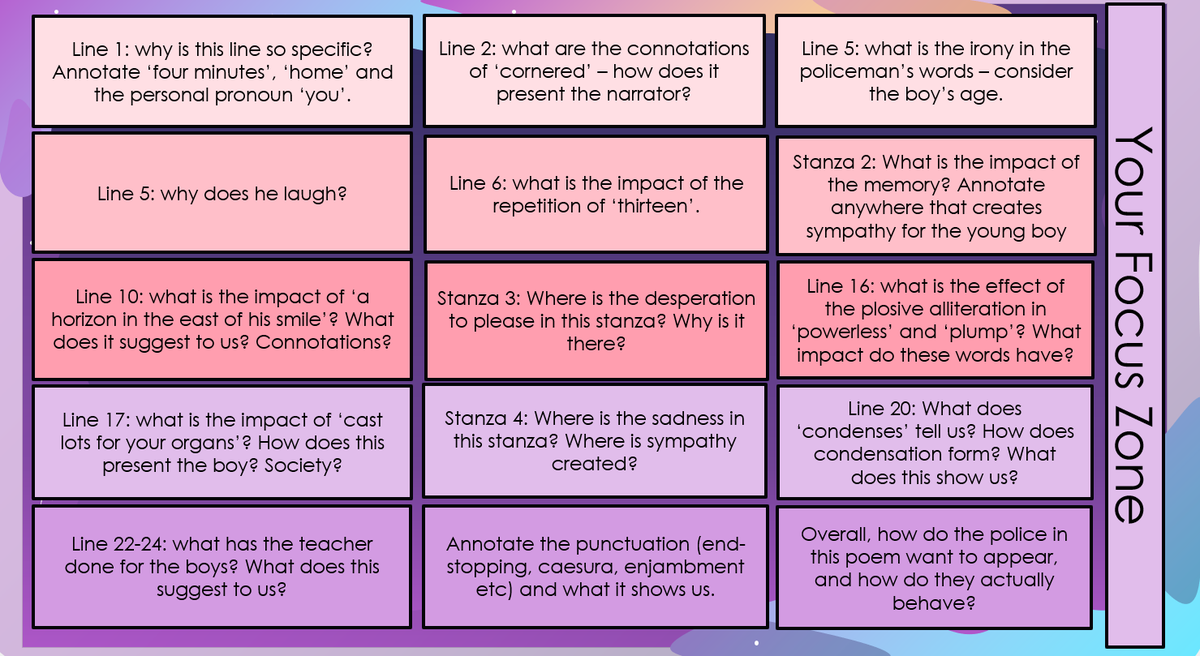
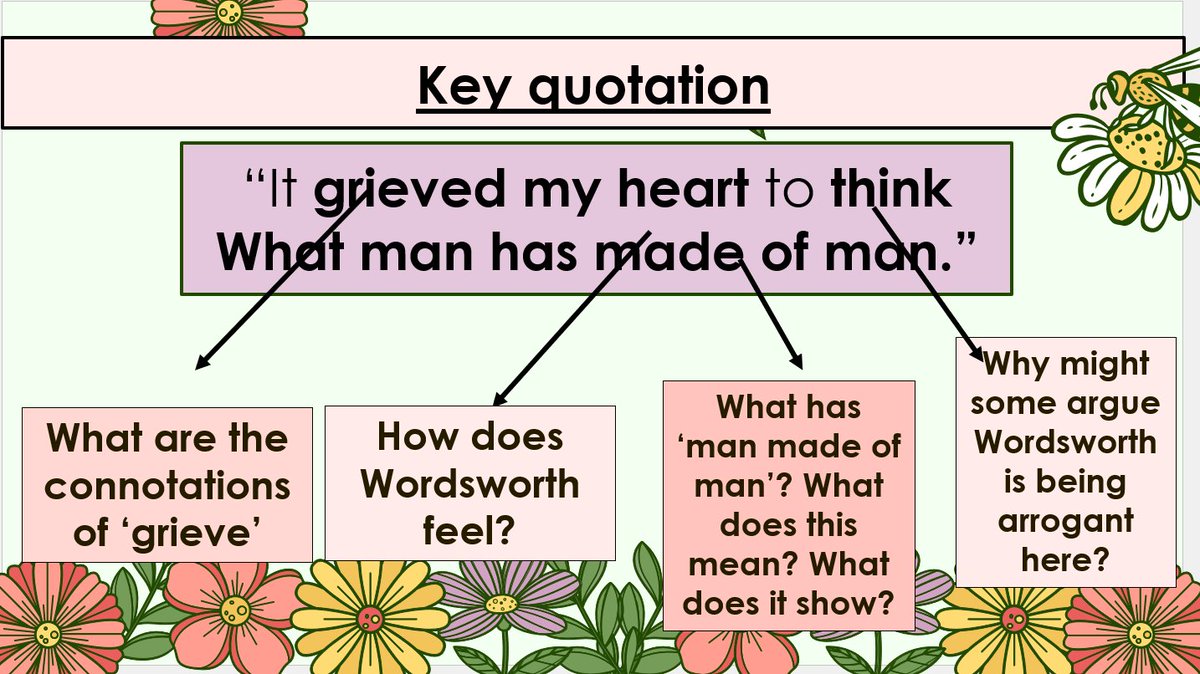
Do Now tasks for the AQA Power and Conflict poems https://t.co/oGrQicxS7x
✍️ Finish the line
🧠 Form an inference
🖊️ Identify the technique
💬 Identify the speaker
⛓️ Make a connection
❓ Define the word
🗨️ Provide an explanation
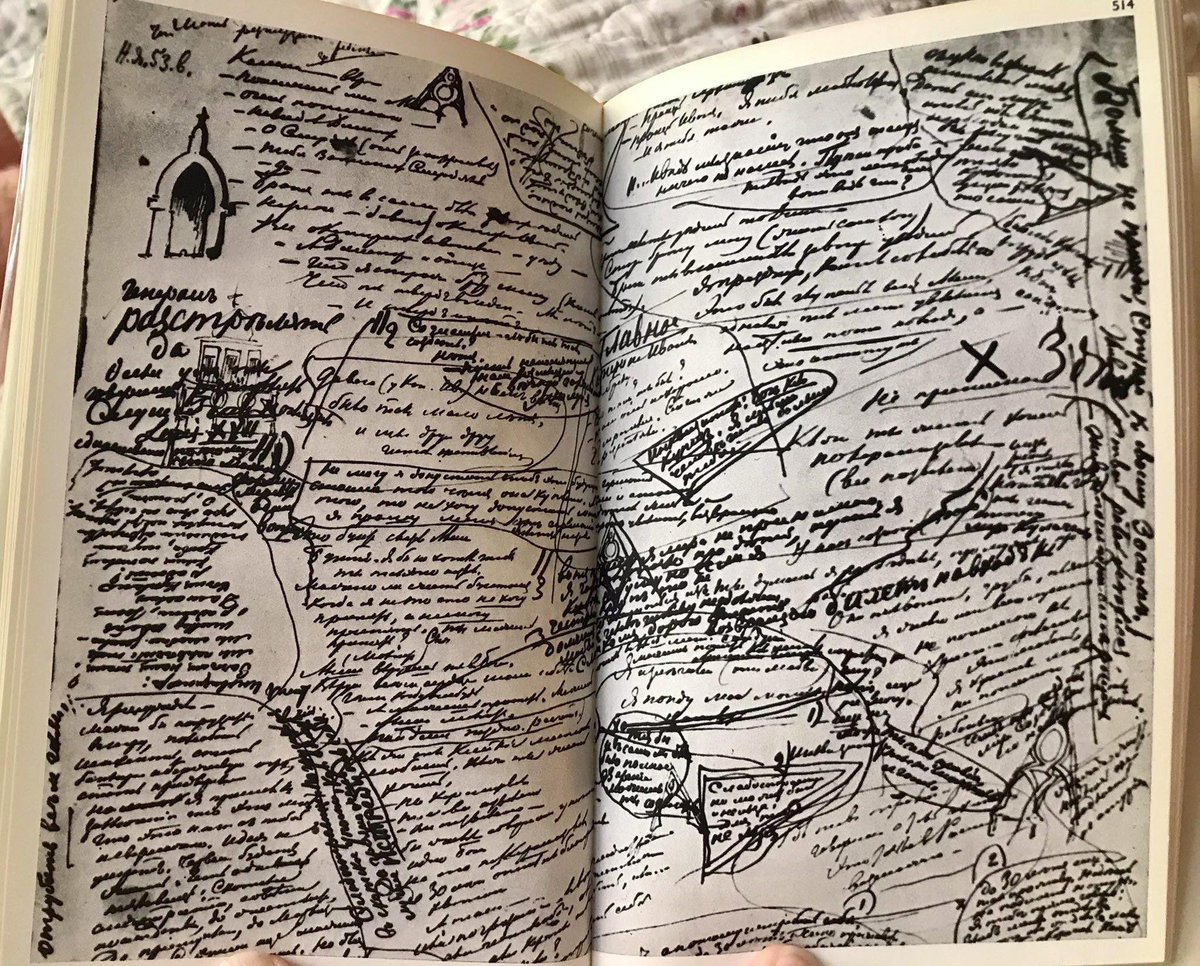
Recently I spotted a little holiday photo album for sale, usually I'm not interested in them because such photos are generally a bit boring, but I spotted a tiny detail that told me the album was very interesting.
Yes, that V sign.
Let's check the album out together.
Photo 🧵!
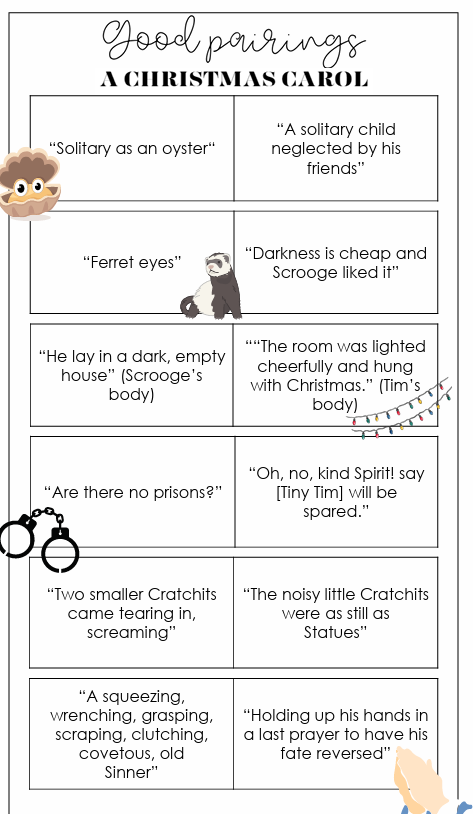
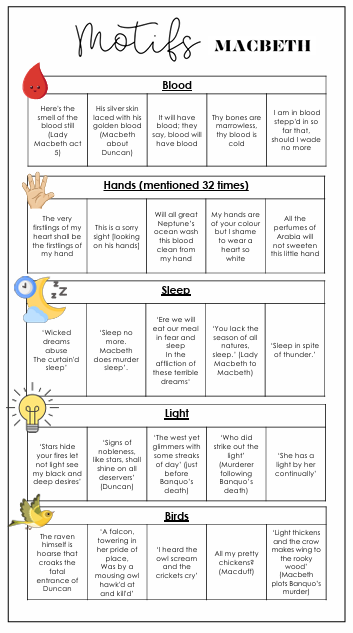
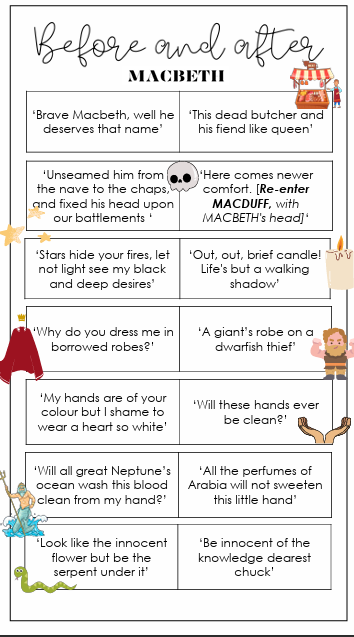
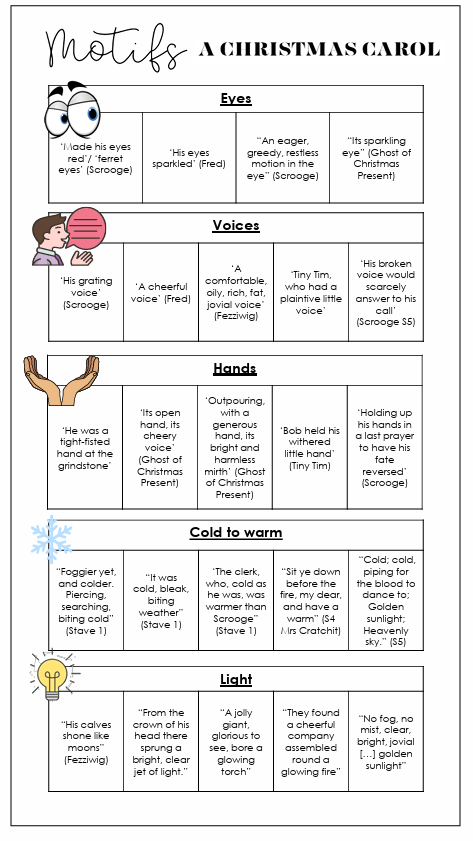
Quotation pairing/matching resource is finished for Macbeth and A Christmas Carol - there are quotation pair ups but also quotations that fit into motifs/themes for both texts. I have printed mine for Y11 in small, A5 booklets. Hope they help someone!
https://t.co/1HGxxL5o41
A thread for @Team_English1 on pushing to 7+ in English Literature.
My last department were working at around 25% 7+ in literature, so I've got a fair few ideas on how to push students to these grades. I imagine we've all seen the recent example of 30/30 on ACC from AQA. 🧵 1/9
In 4 minutes, Kurt Vonnegut explains stories better than anyone I’ve ever heard.
“The shape of the curve is what matters. Not their origins.”
He plots stories on 2 axes:
X: Time
Y: Good fortune / ill fortune
He goes on to say,
“Somebody gets into trouble, then gets out of it again. People love that story. They never get tired of it.”
Point 1:
Stories have defined patterns.
In Joseph Campbell’s Hero of a Thousand Faces, he makes the case for the Hero’s Journey.
Since then, it’s become the most famous storytelling structure in the world.
Vonnegut argued stories could be divided into 8 shapes.
Each story, he said, fit one of the 8.
Point 2:
Vonnegut says,
“Be a sadist. No matter how sweet and innocent your leading characters, make awful things happen to them — so the reader may see what they're made of.”
To see who your characters really are, you have to make them suffer.
Only then does your audience have someone worth cheering for.
Point 3:
End on a high note.
Vonnegut says, “It’s not accidental that the line ends up higher than where it began. This is encouraging to readers.”
The way a story makes people feel when they finish is how they remember it.
It’s called recency bias.
Lift people up and they will love you.
***
“There are people. There are stories. The people think they shape the stories, but the reverse is often closer to the truth.”
I wrote this with @RobbieCrab. Follow him for lessons on storytelling + fundraising.
And I talk about creative storytelling & writing fiction. Follow me @nathanbaugh27 for more like that.
This has been a labour of love - my GCSE Worlds and Lives scheme is finished. I LOVED making these lessons and hope they are useful to someone. If you're thinking about switching anthologies, please do it - they're such lovely poems!! https://t.co/JKnZSWf2vs
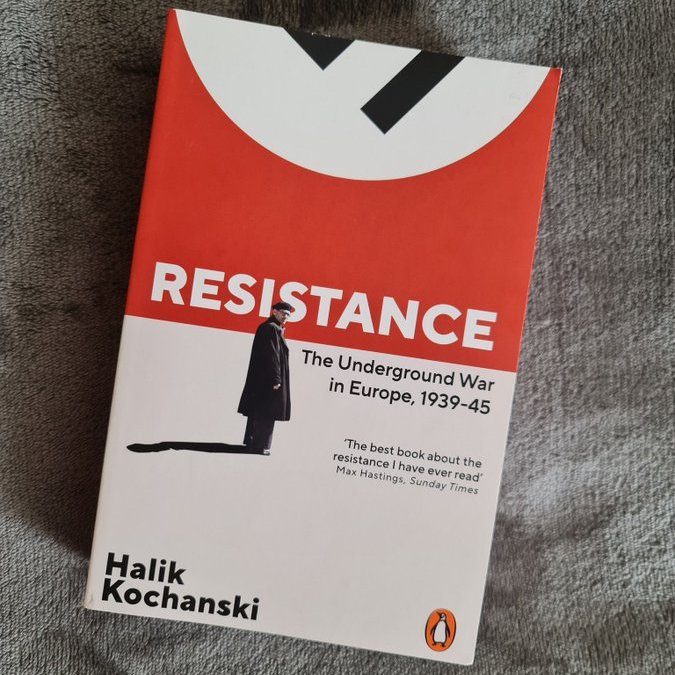
It's #competition time! We have a copy of Resistance by Halik Kochanski, winner of the #WolfsonHistoryPrize 2023, to #giveaway 🎁
To enter:
✅ Follow us
✅ Like & RT
✅ Tag a friend in the comments
Deadline: Friday 8 December at 5pm, UK only
📸 @Thelastword1962
@llinpeet@Team_English1@EnglishWales@AVisserFuray@SPryke2@Xris32 Here’s a few suggestions based on the most popular purchases by year group
Year 7: https://t.co/D5Enc7OUtD
Year 8: https://t.co/wlaVhbbct5
Year 9: https://t.co/kebFKEjt4Z
Year 10: https://t.co/jvEDCfB6dj
Diverse & Inclusive: https://t.co/opqorRrlno
Right, tweeps. I know the year isn’t over yet but what is the best book you’ve read this year; new, old, classic, fiction, non-fiction…anything goes?
RT for a wider audience please 😊