someone I really admire said researchers should share more of the messy day-to-day instead of only the polished results
so in the spirit of open science, nothing worked today.
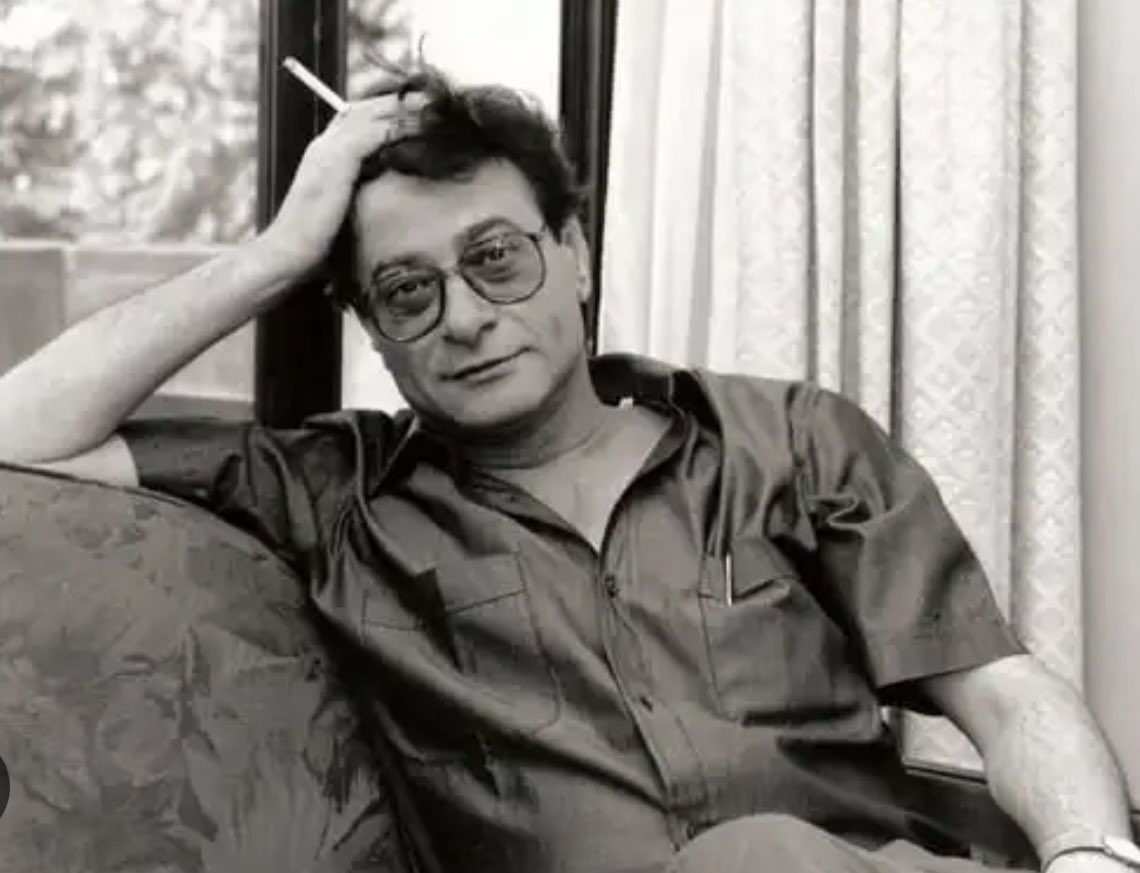
“Talvez um dia nos casemos,
tenhamos filhos,
se eles se parecerem comigo,
serão poetas.
Se se parecerem com você, meu amor,
serão poemas”.
Mahmoud Darwish, poeta e escritor.
Lo más amable que hace la literatura es recordarte que tus pequeños sentimientos peculiares siempre han existido. Alguien, en algún siglo, se sintió igualmente confundido por el amor, aburrido por la sociedad, cansado de actuar y hambriento de significado.
This is what reading actually does to you:
“Those of us who have been true readers all our life seldom fully realize the enormous extension of our being which we owe to authors. We realize it best when we talk with an unliterary friend. He may be full of goodness and good sense but he inhabits a tiny world. In it, we should be suffocated. The man who is contented to be only himself, and therefore less a self, is in prison. My own eyes are not enough for me, I will see through those of others. Reality, even seen through the eyes of many, is not enough. I will see what others have invented. Even the eyes of all humanity are not enough. I regret that the brutes cannot write books. … Literary experience heals the wound, without undermining the privilege, of individuality. There are mass emotions which heal the wound; but they destroy the privilege. In them our separate selves are pooled and we sink back into sub-individuality. But in reading great literature I become a thousand men and yet remain myself. Like a night sky in the Greek poem, I see with a myriad eyes, but it is still I who see. Here, as in worship, in love, in moral action, and in knowing, I transcend myself; and am never more myself than when I do.”
— C.S. Lewis, An Experiment in Criticism
If you enjoy our posts, consider becoming a paid subscriber. You'll get:
- Live book club discussions (biweekly)
- Access to our incredible community chat
- Essays to guide you through the Great Books
- All past recordings, essays, and podcasts
- The ability to vote on what we read next
Join here: https://t.co/NsgCSFa51s
There’s something almost paradoxical about becoming a Christian after thirty years as an atheist and realizing that there are definite answers to the mysteries of the world, but that discovering them requires a humility I could only pretend to possess before.
I can tell you from experience that disbelief can perform wonders for your intellectual self-image.
You get to regard yourself as the brave skeptic in a world full of gullible fools, all while selectively exempting your own assumptions from that same skepticism.
So it’s a bit shocking to become a Christian and find myself simultaneously more certain that there is an ultimate truth and more humble about my ability to discern it on my own.
I spent thirty years insisting that the answers could come from my own intellect, if I were just clever and skeptical enough. Now I understand that the search for truth begins with admitting that it comes via interpreting what already exists, rather than inventing it as I go.
To be shorn of the responsibility for this egoistic pursuit of intellectual self-sufficiency has been quite liberating.