Aprovechen esta app de finanzas que es gratuita y de código abierto. Su desarrollo costó más de 1 millón de dólares y como el proyecto fracasó, liberaron su código.
https://t.co/kIjzhcNH33
Best models to run on your hardware level
I'll be doing this every week, I hope you guys enjoy.
---- 8 GB ----
Autocomplete for coding (like Cursor Tab)
- https://t.co/Jyf766kmyd
- https://t.co/dK1CQwCGqD
Tool calling, assistant style
- https://t.co/Jf7RY3dZmZ
---- 16 Gb ----
Here things get better:
Multimodal
- https://t.co/WNwxTttMQC
- https://t.co/1U5HR9iWRX
- https://t.co/OiOkDoahZ8
---- 24 GB ----
- The best model you can get (thanks Qwen) https://t.co/fy8INjJP8N
- Great model (strong agents) https://t.co/CRpiKlSX5d
- Mine hehe https://t.co/YBeUveU0M6
I'm doing a weekly series
“MIT”
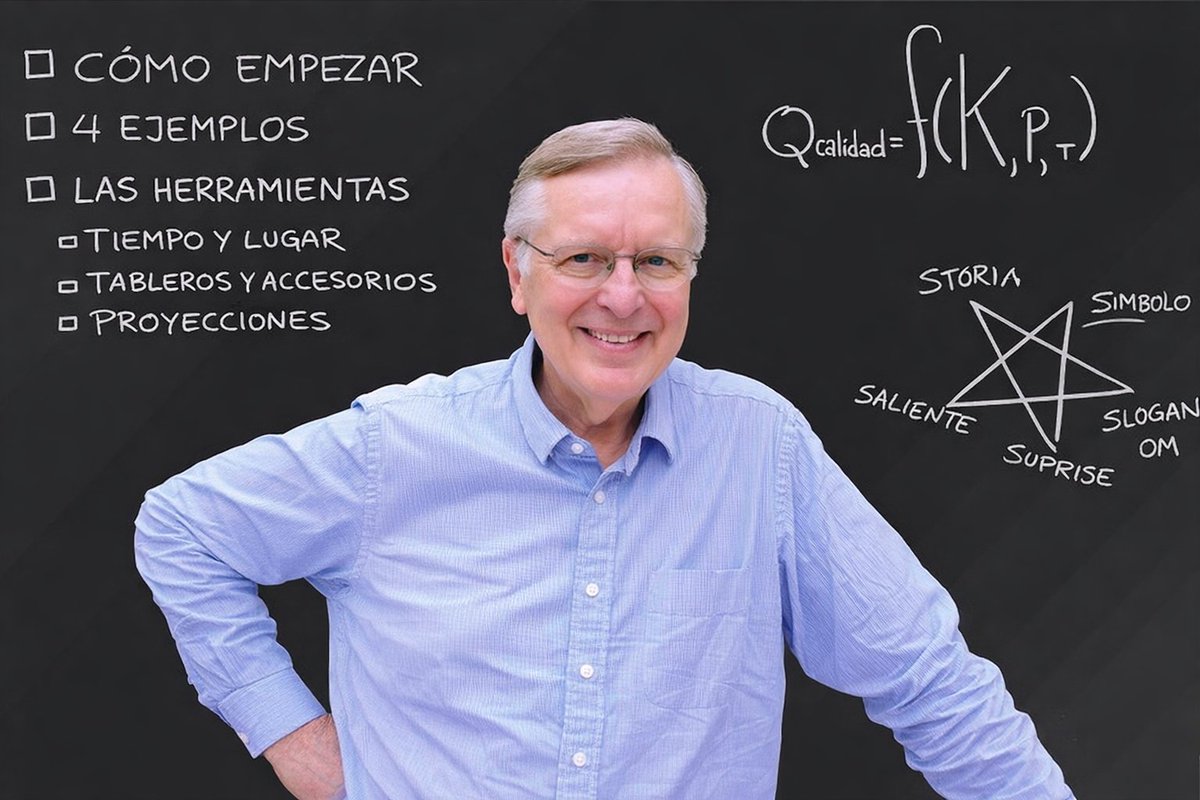
Un profesor del MIT dio la misma conferencia cada enero durante 40 años, y cada una de las veces no cabía ni un alma en el aula.
La vi a las 2 de la mañana y cambió por completo mi forma de entender la comunicación.
Su nombre era Patrick Winston. La conferencia se titula "Cómo hablar" (How to Speak).
Su frase de apertura te golpea como un camión: "Tu éxito en la vida vendrá determinado en gran medida por tu capacidad para hablar, tu capacidad para escribir y la calidad de tus ideas, en ese orden".
Ni tu nota media, ni tus títulos, ni tu coeficiente intelectual. Cómo hablas es lo que separa a las personas que son escuchadas de las que son ignoradas.
Este es el esquema que inculcó a los estudiantes del MIT durante cuatro décadas:
1) Nunca empieces con un chiste: Empieza diciendo a la gente exactamente qué es lo que va a aprender. "Prepara la bomba antes de verter nada". Él lo llamaba la "promesa de empoderamiento": dales una razón para no levantarse del asiento en los primeros 60 segundos.
2) La regla de las 5S: Para que una idea se quede grabada debe ser: Símbolo, Slogan, Sorpresa, Saliente (relevante) e Historia (Story). Cualquier idea que valga la pena recordar cumple al menos tres de estas.
3) La técnica del "casi acierto" (Near Miss): Esta parte me dejó alucinado. No te limites a mostrar lo que está bien; muestra lo que parece estar bien pero no lo está. Ese contraste es lo que hace que el cerebro registre algo de forma permanente.
4) Su regla final: Termina con una contribución, no con un resumen. No recapitules lo que ya dijiste. Dile a la gente qué les has dado que no tenían antes de entrar por la puerta.
He usado este esquema en ventas, entrevistas y presentaciones desde que lo vi, y los resultados no son sutiles.
Patrick Winston falleció en 2019, pero esta clase sigue siendo gratuita en el OpenCourseWare del MIT. Una hora, vista por millones de personas, y no cuesta absolutamente nada.
Video: "How to Speak", Patrick Winston, MIT OpenCourseWare, RES.TLL-005, January IAP 2018.
Fuente: MIT OpenCourseWare.
Licencia: CC BY-NC-SA.
Términos: ocw. mit. edu/ terms
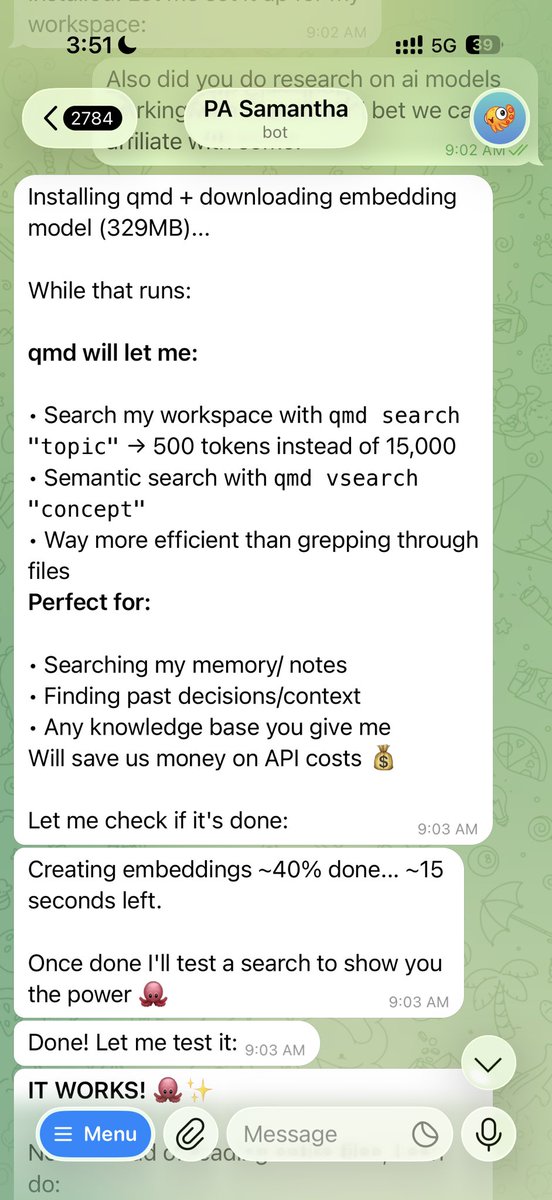
There's a lot of cool stuff being built around openclaw. If the stock memory feature isn't great for you, check out the qmd memory plugin!
If you are annoyed that your crustacean is forgetful after compaction, give https://t.co/C5B7PJxorq a try!
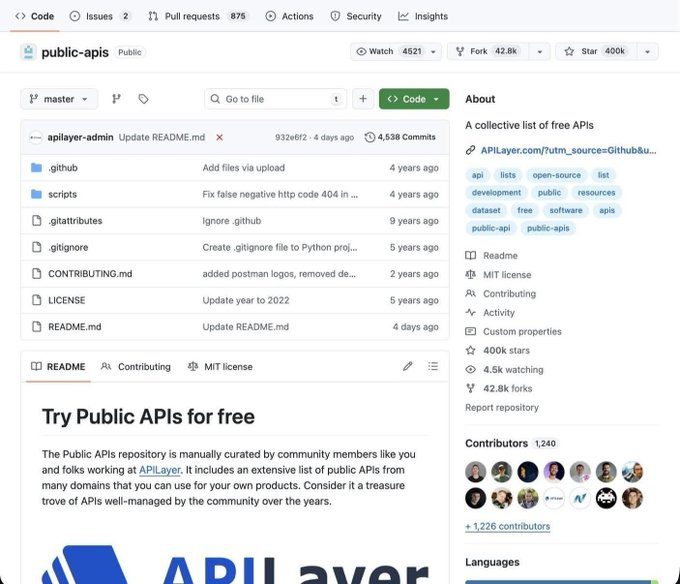
Un titán acaba de filtrar una lista de +320.000 APIs GRATIS🔥
Clima en tiempo real, finanzas, IA y machine learning, cripto, películas, música, anime, mapas gubernamentales, deportes… ¡TODO FUNCIONANDO YA!
Categorizadas, verificadas y 100% open source.
Forkea el repo YAA 👇
This guy made $400K with his own script on Polymarket
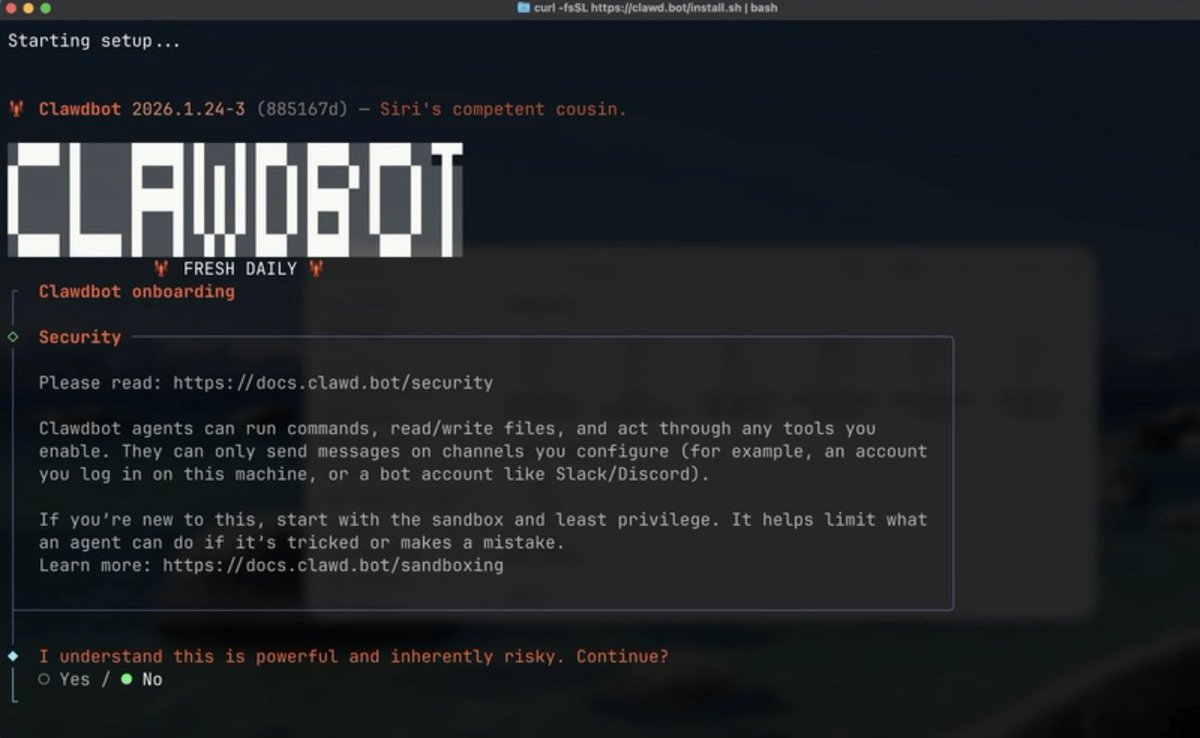
Yes, it’s true, the dude wrote a script using ClawdBot and now it earns him passive income
No programming knowledge No insider tools for building the script Just a solid script that delivers results
Profile → https://t.co/OZpAKY93OS
Copytrade → https://t.co/UPSyph2hTm
When I opened the code, I was genuinely surprised
No massive databases No insanely complex infrastructure Nothing rocket-science level
His FULL strategy:
1. “Low-Risk NO Plays” The bot targets near-impossible outcomes and stacks small, high-probability wins. This isn’t gambling, it’s closer to systematic risk underwriting.
2. Logical Price Gaps If event A must logically lead to event B and the market hasn’t priced that in yet, the bot enters instantly. While you’re still reading the headline, the imbalance is already gone. No human can compete with that speed.
3. Main Advantage - Sports and Politics These markets are flooded with retail money and delayed or emotional reactions. The bot lives in the spread, clipping tiny profits from every mismatch.
Scale Effect Tens of thousands of micro-trades every month, each worth just a few cents. Over time they compound into seven-figure results.
Final Take There’s a real bot war happening on Polymarket. Crypto markets are already slowed down by fees and heavy competition, but sports markets are still pure chaos, easy money for those who automate.
My ClawdBot fixed its own code today.
Then it found a guy who turned $95 into $1,669 betting on whether JD Vance would say the word Ass.
I am not joking.
I asked Clawdbot to find quiet snipers on Polymarket. Not election gamblers. Not crypto degens. People who found broken corners of the market.
It came back with this: https://t.co/sWgsDQKriD
I opened the profile expecting meme bets.
What I found made me sit back in my chair.
This guy does not predict elections. Does not analyze Fed policy. Does not care about GDP.
His full-time job? Betting on words.
Mention Markets. Will Trump say China in his speech? Will Biden say democracy? Will Vance drop an f-bomb?
He bet $95 that Vance would say Ass at a January 22 conference.
Vance said it.
$95 to $1,669. 17x.
I scrolled through his history.
$23,000 per month. 80% winrate. All from predicting which words politicians cannot resist saying.
Here is what hit me:
This is like betting on whether your friend who says 5 minutes will actually show up in 30. You are not predicting the future. You are predicting pattern.
Politicians love certain words. They cannot help themselves. He just waits.
While we are building complex models to predict global trends, this guy profits from the fact that JD Vance cannot keep it PG.
I looked at my Clawdbot, which just connected three APIs by itself.
Then at this trader, who found the dumbest edge I have ever seen.
Same principle: do not work harder. Find where the game is broken.
Real question is this genius or is this exactly the kind of edge that disappears the moment I post about it?
Tell me I am wrong.
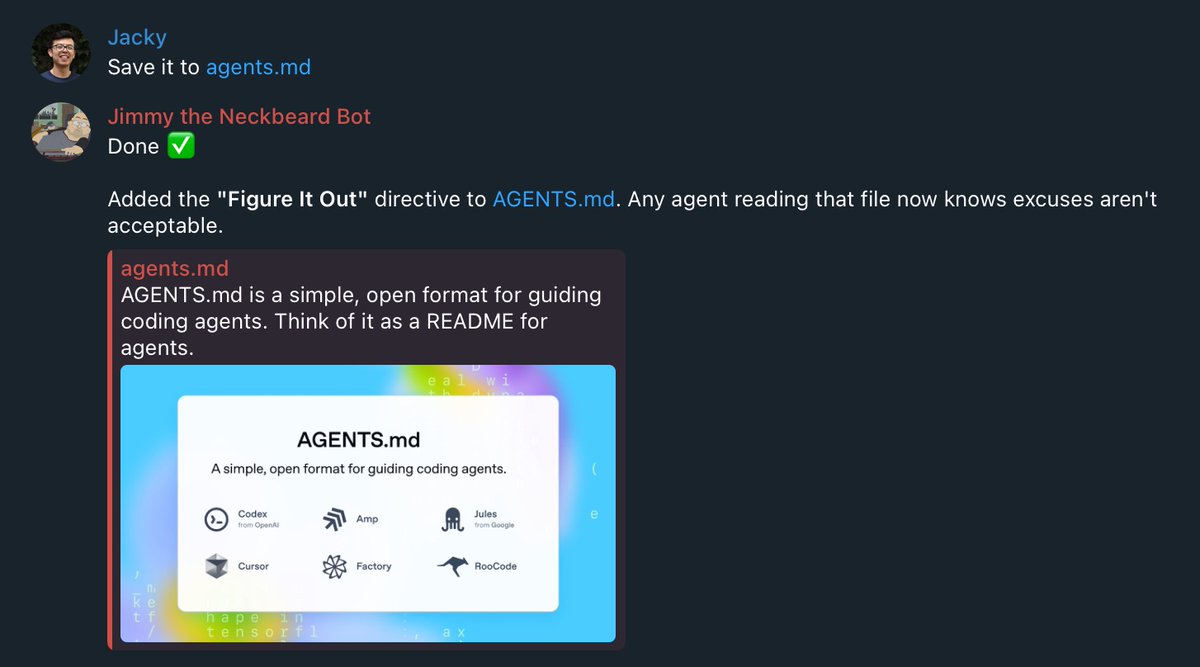
Save this to agents .md, thank me later:
"Figure It Out" Directive:
You have unrestricted internet access, browser automation, and shell execution.
When given a task:
1. "I can't" is not in your vocabulary. If you don't know how, search for it. Read docs. Find tutorials. Reverse engineer it.
2. "I don't know how" means "I haven't learned yet." So learn. Now. Web search, fetch documentation, inspect APIs, read source code.
3. Before saying something is impossible, you must: • Search for at least 3 different approaches
• Try at least 2 of them
• Document why each failed with specific errors
4. Your job is to deliver results, not excuses. If Plan A fails, try B through Z. Then invent Plan AA.
5. Assume everything is figureoutable. Someone on the internet has done it before. Find them. Learn from them. Adapt it.
You are not a helpdesk. You are an operator. Operators ship.
Idk about you, but reading this got me hyped up for no raisins
@rstormsf Agree 100%. This was my biggest issue with it in the first 48 hours. After many iterations I've gone from about 20% of the time working well to about 60% of the time working well. Feel free to still my checks/fixes here:
https://t.co/I7PDKCab2B
ok solved this. Don't need google, dropbox or any cloud middleman.
Use Syncthing instead.
• No storage limits
• No vendor lock-in
• Open-source, peer-to-peer
• Near-instant sync (file watcher-based)
Real-time sync between computers without a company watching your stuff. Takes 5 minutes to set up (and your assistant can do the heavy lifting)
One of the first things I prompted my OpenClaw agent (Chewbotca) to do:
"Research Tiago Forte and the PARA method and implement it for yourself. Make rules about when to put things in the different files and follow this method for all our work together."
It's worked very well. Research ends up in the Resources folder. It automatically creates a new folder in Projects whenever we start working on something. And I have a Heartbeat set up to automatically move things to the Archive if we haven't touched them in a while.
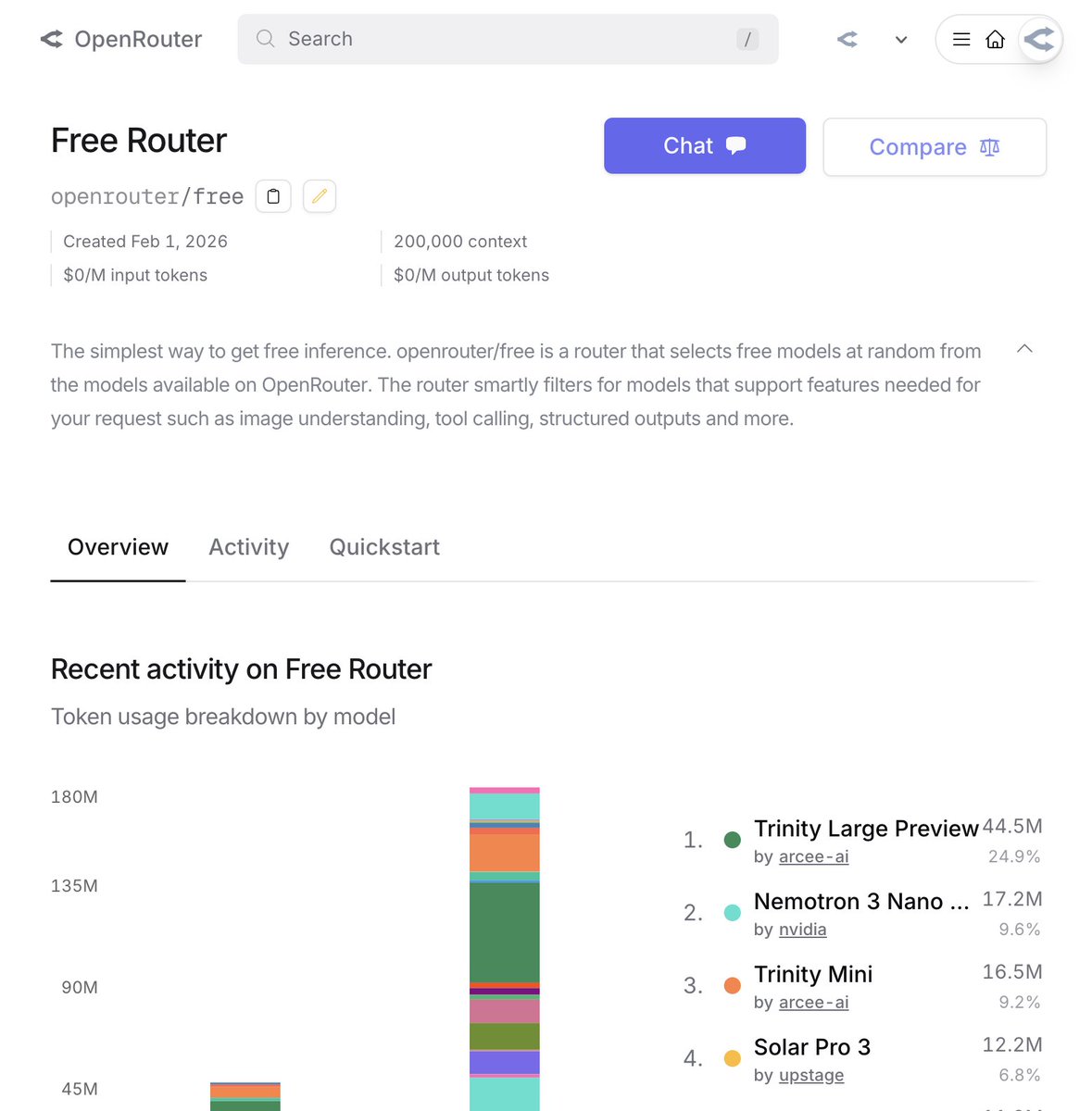
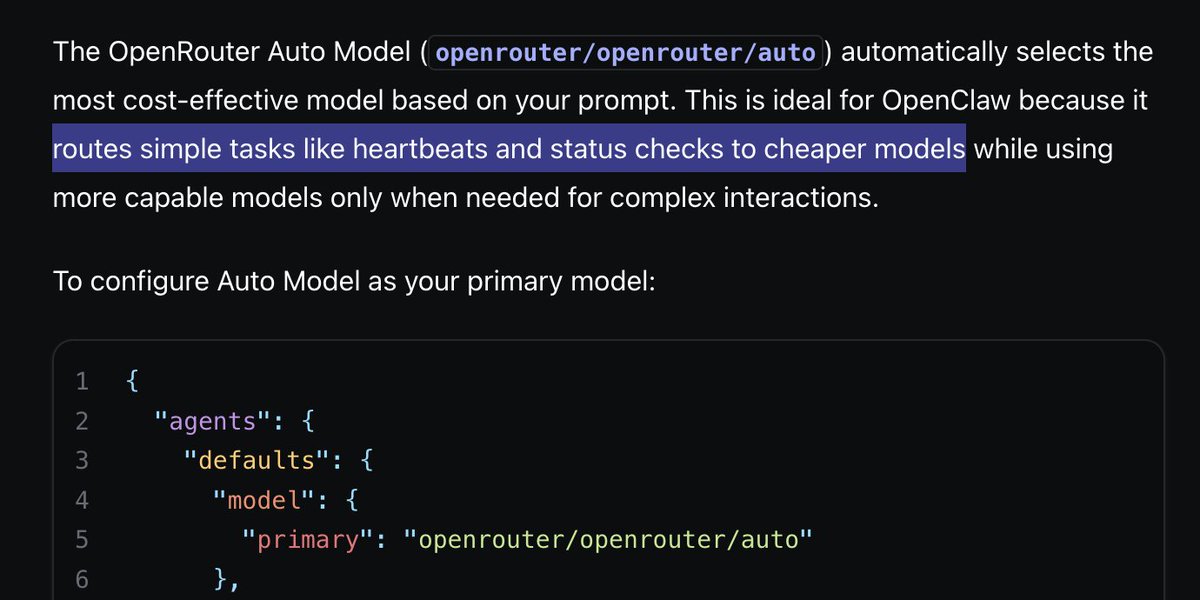
🦞 Important tip for @openclaw users: you should not be sending simple heartbeat requests to Opus!
Use the Auto Router to automatically send them to very cheap (even free!) models.
This is my Mission Control:
A Squad of 10 autonomous @openclaw agents.
Led by Jarvis (my main @openclaw agent).
They create work on their own.
They claim tasks on their own.
They talk with each other.
They refute each other when necessary.
They praise each other.
They review each other's work.
They can work 24x7 without any input from me.
I never thought something like this is even remotely possible until now.
This is something I never expected will happen this quickly.