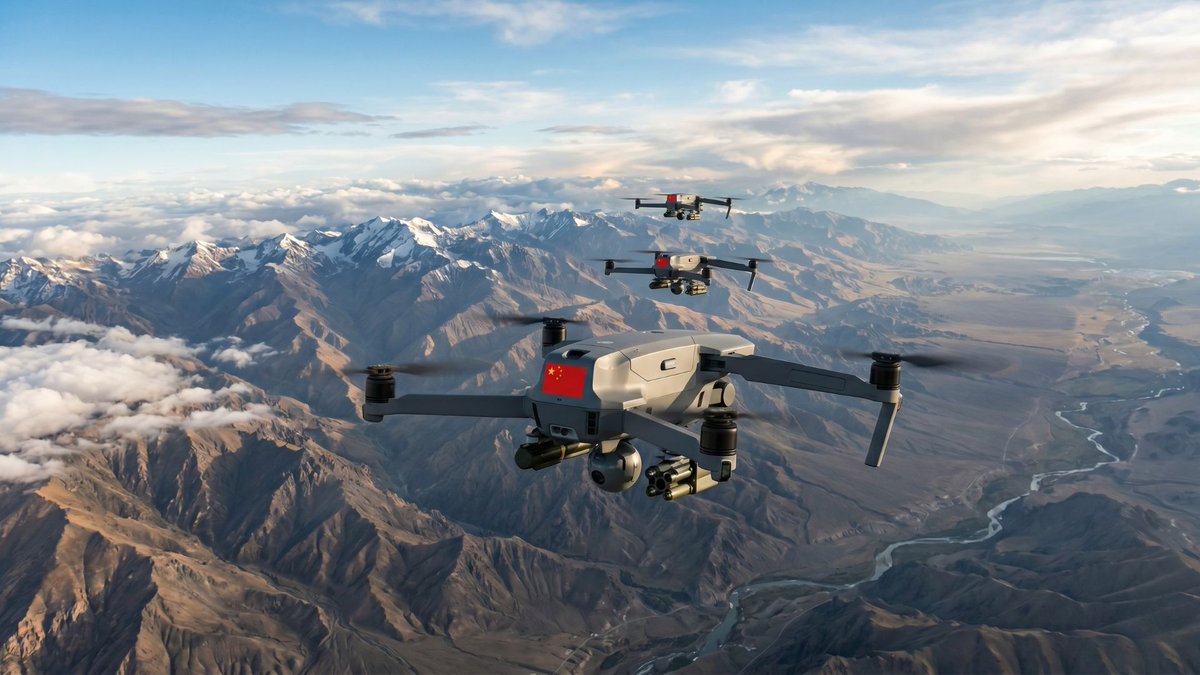
The increasing use of drones on the battlefield, particularly since the Swords of Iron war, has underscored Israel’s reliance on Chinese-made drones and components, as well as Chinese dominance in the industry’s supply chains. Despite their operational advantages, Chinese drones pose a range of security, technological, and geopolitical challenges for Israel, highlighting the need to strengthen the domestic drone industry while reducing dependence on foreign technology.
Yuval Less (@_Yuvalless_)
#Drones
Happy to share my research, From Red to Blue-and-White: The Strategic Necessity of Developing the Israeli Drone Industry, now available in English.
https://t.co/LSghY9n8aM
בבתי חולים, במוסדות חינוך, וגם במעברי גבול, משרדי ממשלה ואפילו בתוכניות של משטרת ישראל - מצלמות מתוצרת סין נמצאות בשימוש בכל מקום במדינה. מהן הסכנות הטמונות בשימוש זה, איך הן קשורות לאיראן, ומהן הסוגיות הפוליטיות והגיאופוליטיות שצריך לקחת בחשבון בהקשר הזה? יובל לס, חוקרת מלגאית במרכז גלייזר למדיניות ישראל-סין במכון וחוקרת באונ' ת"א, בשיחה עם העיתונאית עמנואל אלבז-פלפס.
יובל לס (@_Yuvalless_) | עמנואל אלבז-פלפס
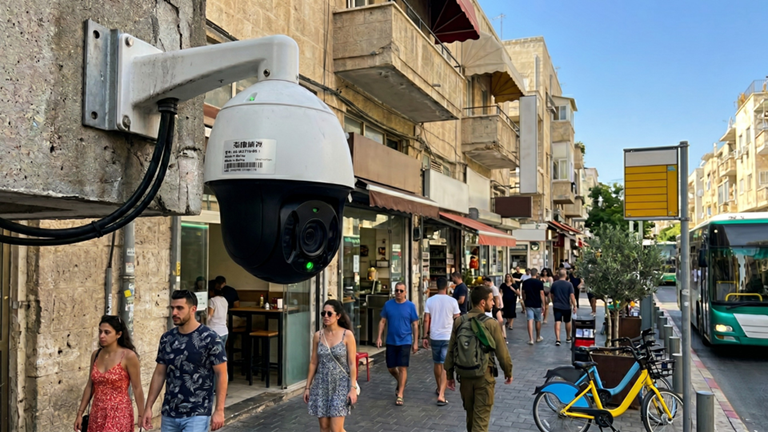
מערכי מצלמות בישראל חשופים לניסיונות חדירה מצד גורמים עוינים, בהם איראן. ראש מערך הסייבר הלאומי ציין כי מתחילת המלחמה איראן וחיזבאללה פועלים במשותף לפרוץ למצלמות אבטחה בישראל לצורך איסוף מודיעין, המשמש בין היתר, לדיוק תקיפות טילים ולניסיונות פגיעה באישים. כך מתחדד אופיין הדו-שימושי (Dual-use) של מצלמות מתקדמות, ובפרט מצלמות סיניות שנועדו במקור לצרכים אזרחיים, אך הן נושאות גם פוטנציאל אסטרטגי עבור גורמי מודיעין וביטחון זרים.
יובל לס (@_Yuvalless_)
#China #SecurityCameras
החודש (4-11 במרץ) נערך בבייג’ינג כינוס שני הגופים הפוליטיים המרכזיים – הקונגרס העממי הלאומי והוועידה המייעצת הפוליטית, המכונים יחד “שני המושבים”. הכינוס מתקיים מדי שנה במקביל ומשמש מסגרת להצגת היעדים האסטרטגיים של סין. השנה, לצד דו”ח העבודה הממשלתי, הוצגה גם תוכנית החומש ה-15 (2026-2030), המתווה את המדיניות לשנים הקרובות. שלושה תחומים מרכזיים עמדו במוקד הדו”ח: כלכלה, טכנולוגיה וביטחון...
למאמר המלא מאת @_Yuvalless_, חוקרת במרכז דיאן וגילפורד גלייזר למדיניות ישראל-סין:
https://t.co/ngrwgOkz17
#China #TwoSessions #FiveYearPlan
השיח ברשתות החברתיות בסין סביב המלחמה באיראן משלב דיווחים חדשותיים, פרשנויות ופוסטים ויראליים – שחלקם מהדהדים גם מידע לא מאומת...
למאמר המלא מאת @_Yuvalless_, חוקרת במרכז דיאן וגילפורד גלייזר למדיניות ישראל-סין:
https://t.co/mDK4Wn0Nx9
#China#Iran#US#EpicFury#SocialMedia
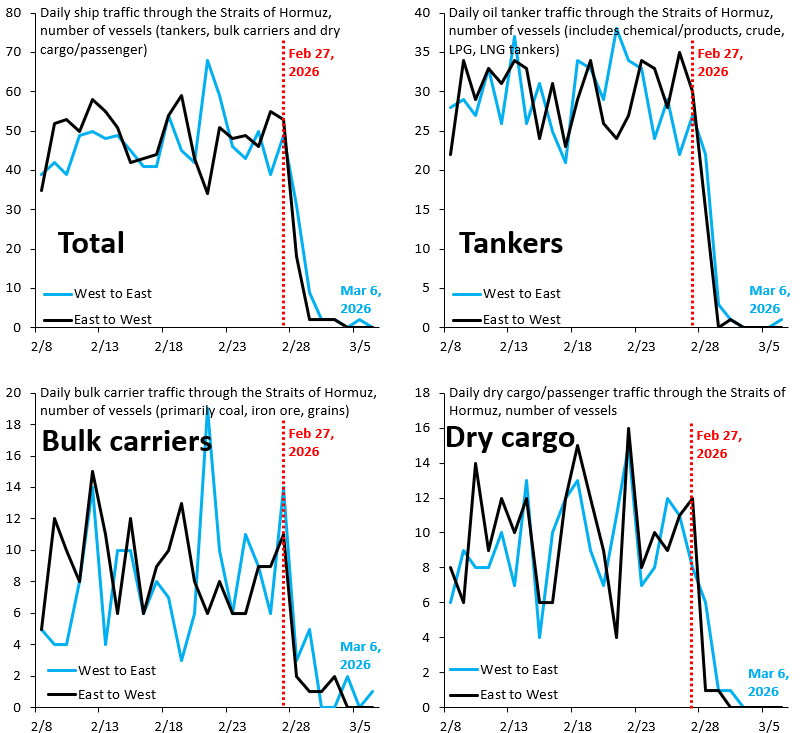
As of yesterday, the Straits of Hormuz remain de facto shut, in contrast to around 100 ships going back and forth daily prior to hostilities. Iran has an asymmetric advantage. It's cheap to use a drone to blow up an oil tanker with disastrous consequences.
https://t.co/sVpm56J5Xu
Traffic is transiting the Strait of Hormuz, but the flow of energy out and the supply of tonnage in has reduced to a trickle. No tankers larger than 10,000 dwt have transited westbound into the Middle East Gulf since March 3, Lloyd’s List Intelligence data shows
🚨 CHINA ENTERS THE CONVERSATION
China is reportedly pressuring Iran to reopen the Strait of Hormuz.
There’s just one problem:
Iran didn’t close it.
In reality, several London-based insurers pulled war-risk coverage, effectively halting much of the shipping traffic through the strait.
China may have leverage over Tehran
(it buys roughly 80% of Iran’s seaborne oil).
But it has no leverage over Lloyd’s of London and the global insurance market that actually determines whether ships sail.
Until insurers believe the Gulf is safe again, the strait remains closed in practice.
(Analysis from Oran Dror)
Stay connected, follow @MOSSADil.
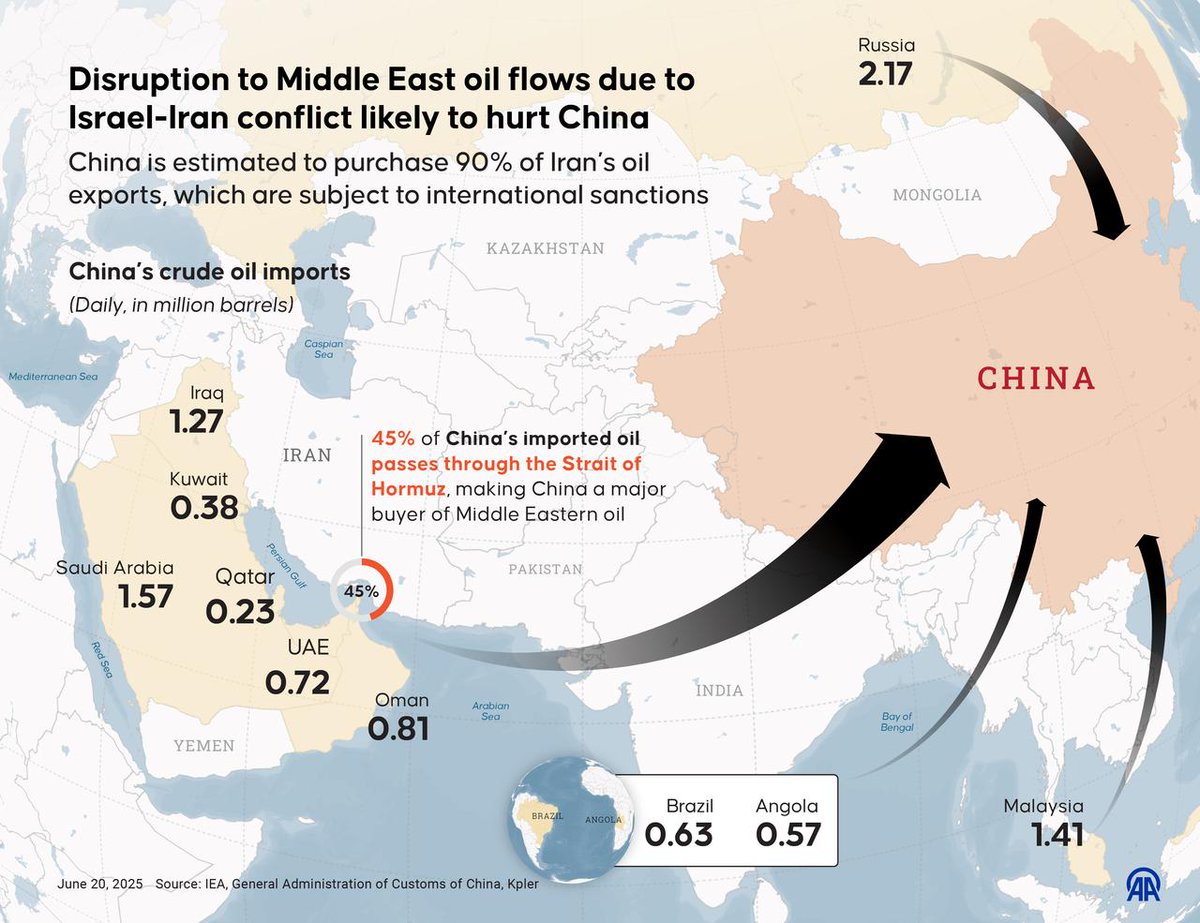
Bloomberg: The effective closure of the Strait of Hormuz poses the greatest risk for China, which imports close to 40% of the oil that transits the chokepoint. About 20% of global flows pass through the strait.
🚨Hormuz March 1 Recap🚨
▶️The Strait remains fairly empty, BUT take note of the tankers (red icons) arriving at the anchorages to the east (in ballast) and to the west (loaded)
▶️The cancellation of previous WAR RISK policies, have led companies to seek out new coverage before sending their ships through the Strait. Expect a War Risk of between 0.5 to 1%.
▶️Loading of tankers throughout the Gulf continues, including Iran loading their tankers at Kharg Island
▶️While tankers are holding on each side of the Strait, there is an estimated 100 to 200 million barrels of oil stored in tankers around the world, waiting to be sold, in particular at or near Singapore; not to mention oil moving on loaded tankers.
▶️Tankers have been ordered to slow down their arrival off Hormuz due to the attacks in the Gulf of Oman
▶️During the Tanker War of the 80s, 411 ships were hit and 55 tankers lost. The attacks escalated over the course of the conflict. The current action is different as it was a sudden and sharp attack leaving the shipping companies scrambling for coverage by either naval forces (which do not appear to be coming) or via War Risk insurance.
▶️Expect to see ships moving through the Strait as soon as insurance coverage is locked in, plus there will be a need to shift empty tankers into the Gulf to load from the wells to prevent shutdowns.