In South Africa we have watched a quiet but relentless slide into lawlessness. Jumping traffic lights has become commonplace. Driving under the influence is often treated lightly. Pedestrians cross roads with little regard for the danger. Informal settlements spring up overnight on any open piece of land. Illegal electricity connections are no longer treated as serious offences - they are simply accepted as part of daily life. Informal traders claim pavements and intersections as their own. Prisoners somehow manage to keep smartphones. Driving without a licence is widespread.
One could go on forever. The point is simple: there has been a clear breakdown in law and order.
On the surface, the relaxation of rules is understandable. For decades, harsh and often humiliating laws targeted black South Africans in particular. So society swung from one extreme to the other, from rigid control to an “anything goes” environment.
In many ways this chaos is presented as freedom, the freedom that was denied to the majority for so long. We even open our borders to illegal immigration with the argument: “They took us in when we were running from the apartheid police.” A noble memory, but a problematic policy.
I once listened to a Minister of Correctional Services speaking about prisoners. The minister spoke much like a principal talking about learners, our collective duty to help them reach their full potential. The fact that some of these individuals were rapists, hardened killers and career criminals seemed to fade behind the focus on rehabilitation. We appear to have confused ordinary criminals with the political prisoners of the past. In our emphasis on ubuntu there is often little room left for the discipline that law and order require. It is as if, as a nation, we struggle to hold both compassion and consequences together.
This confused state is not progressive. It is setting us backwards. I know of no country that has ever become successful on a foundation of chaos. We urgently need to strike the right balance, one that honours our painful history without using it as a permanent excuse to abandon the very rules that keep a society from falling apart. #ProudlySA
What happened to MR MEDIA?
Tyla speaks on Mr Media needing a big moment for the song to happen.
"If there was like a scandalous popstar 2000s type, then maybe we'll get the music video"
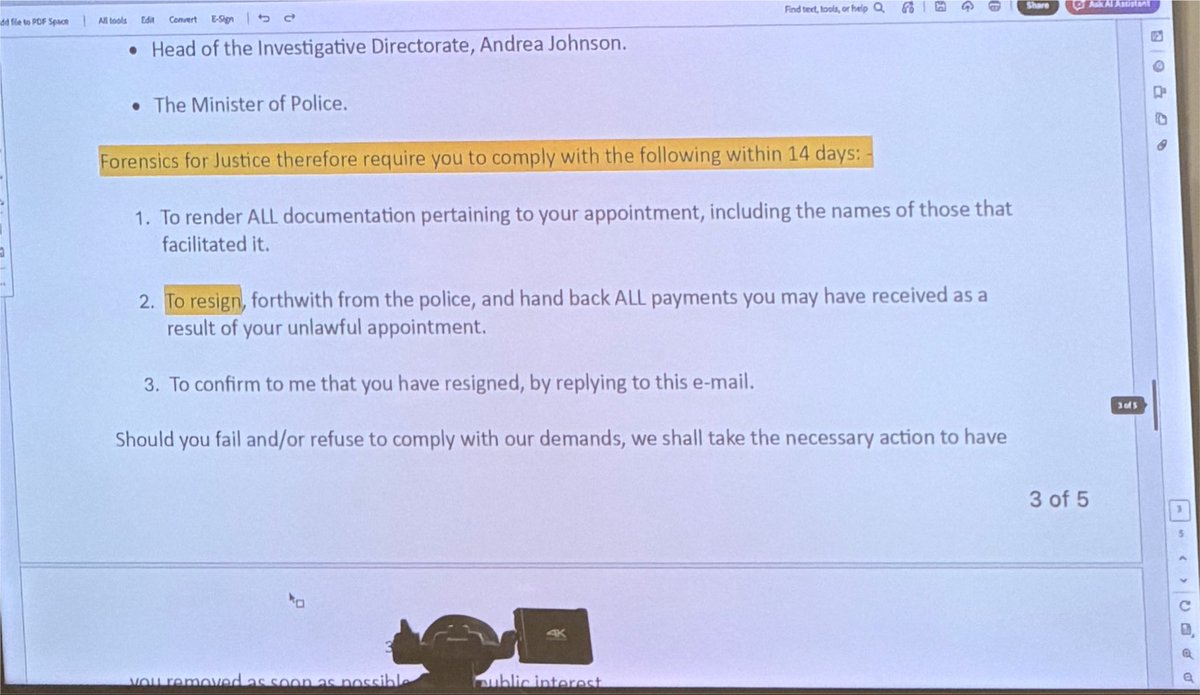
An email presented by Raphesu to the Commission shows that on 5 January 2025, Paul O’Sullivan sent an email to former IDAC head Andrea Johnson, General Sibiya and Police Minister Senzo Mchunu.
According to the email, O’Sullivan attached several documents, including personal information relating to Dineo Mokwele.
#KayaNews #MadlangaCommission TT
South Africa has identified 162 organised crime syndicates over the past two and a half years, but only 62 of the 371 alleged syndicate leaders prosecuted have been convicted, highlighting the challenges authorities face in dismantling sophisticated criminal networks.
https://t.co/0eGcslBQA4