Surprised to discover that Thermo Fisher appears to show a fake western blot for the validation of one of their p53 antibodies. I've added a diagram to show the very similar bands. This does not appear to be one of the "published figures", but their own internal data.
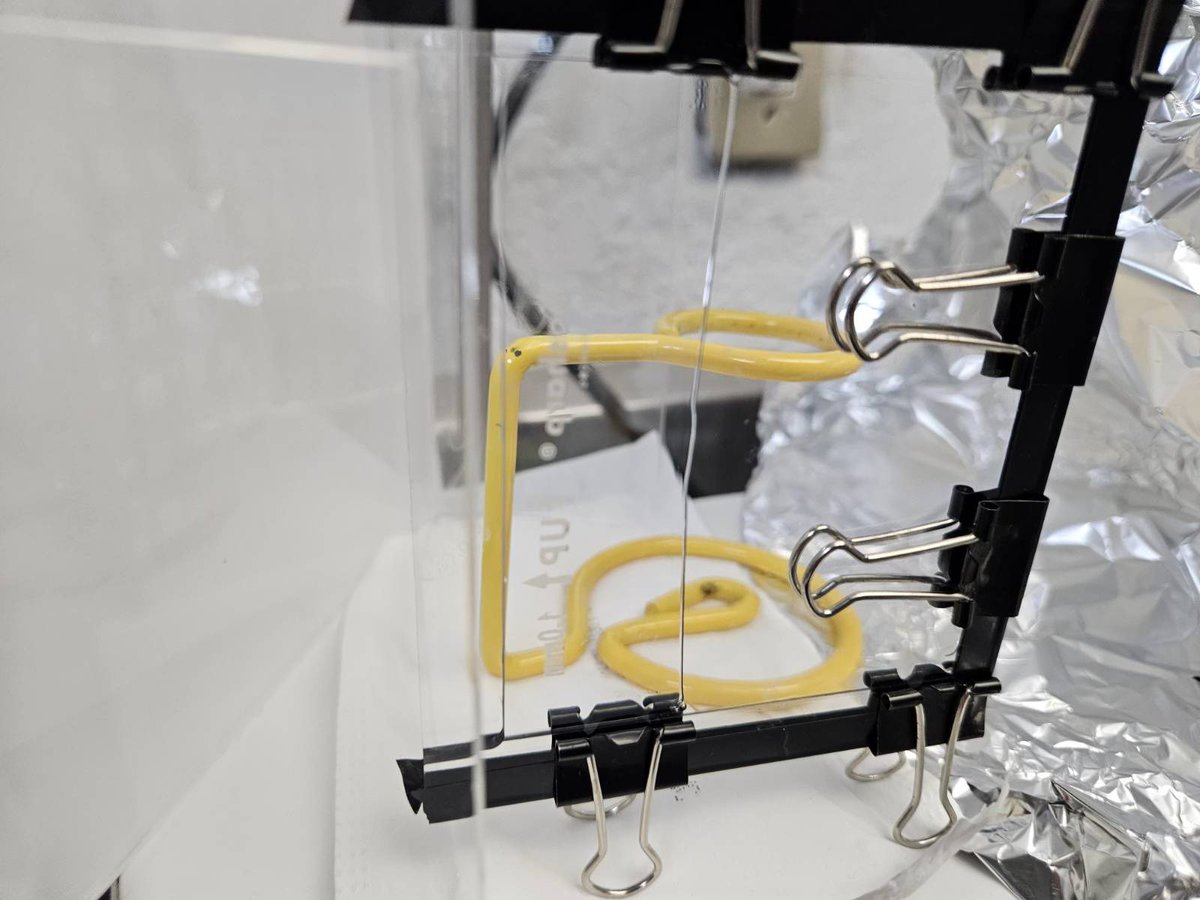
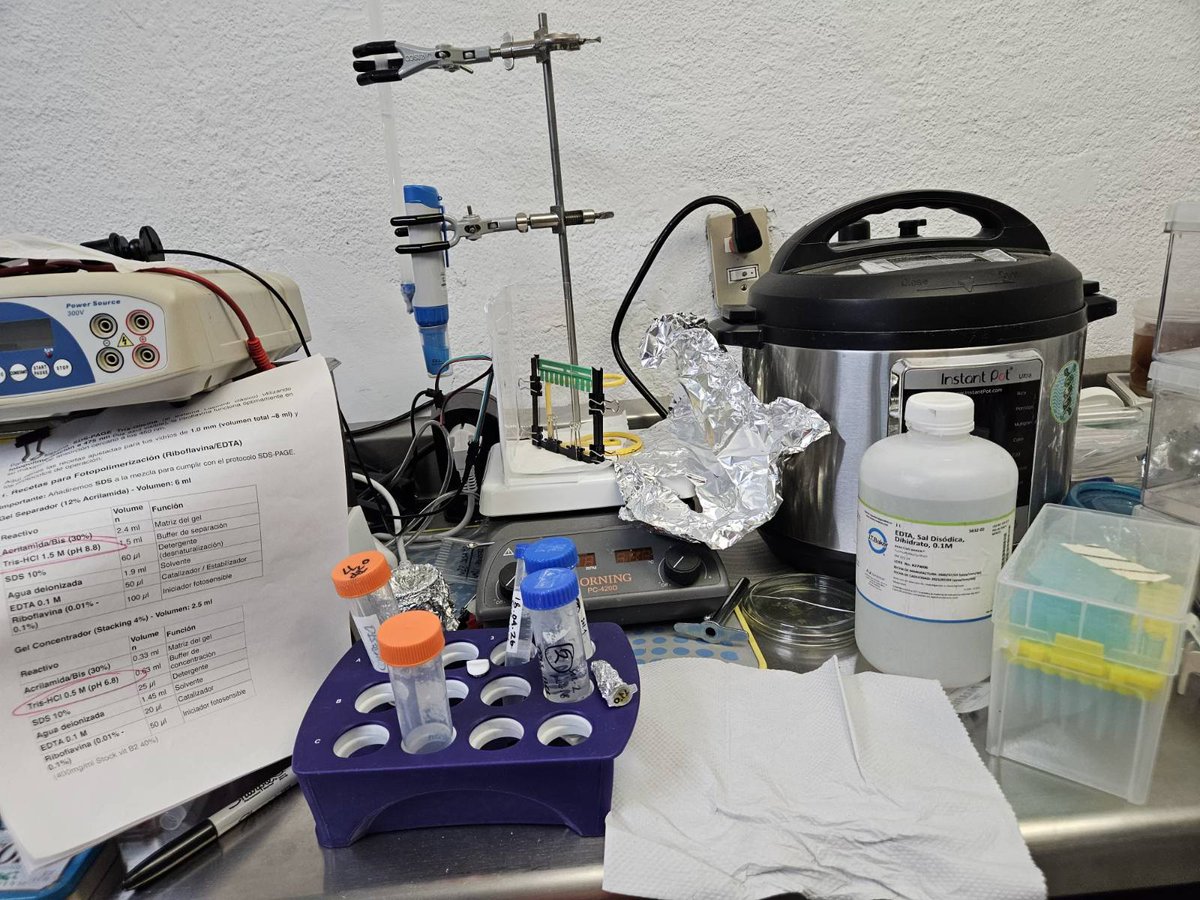
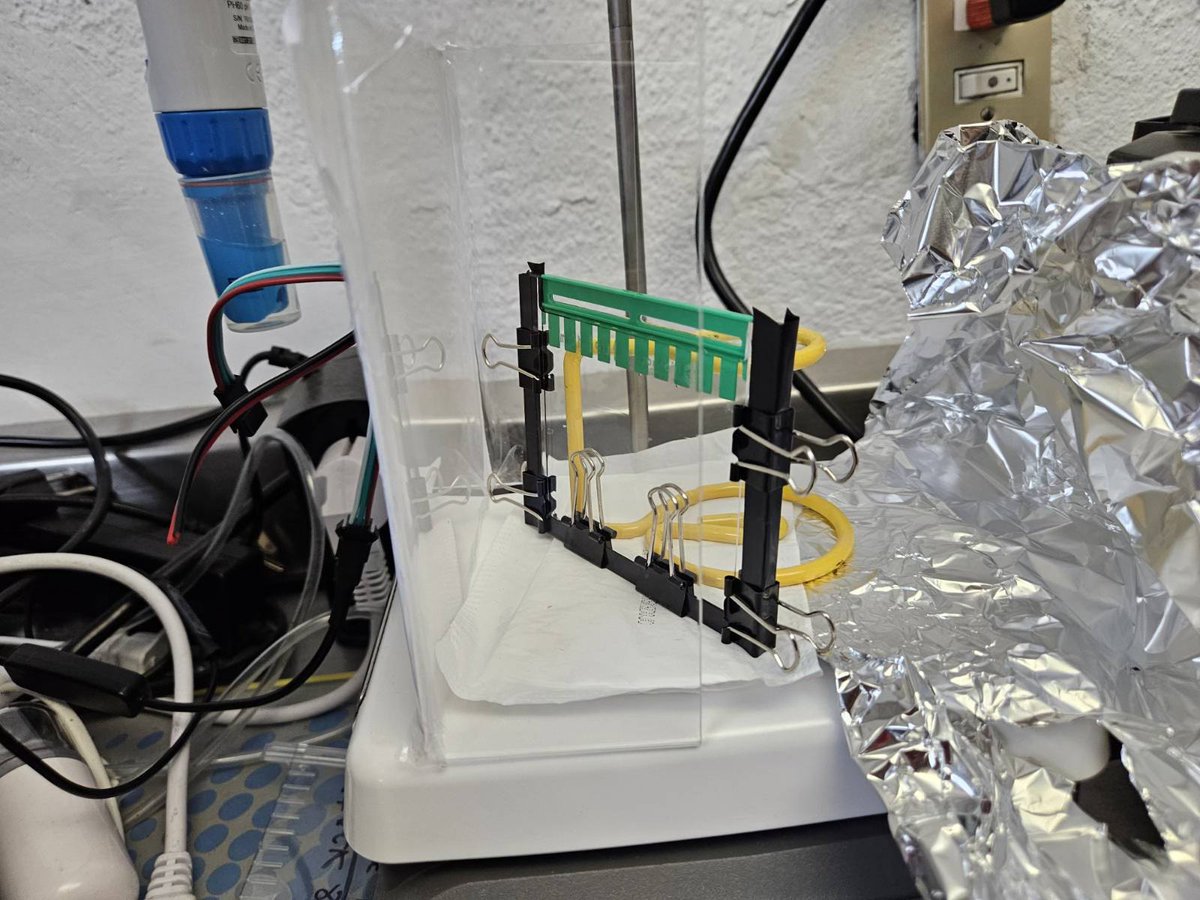
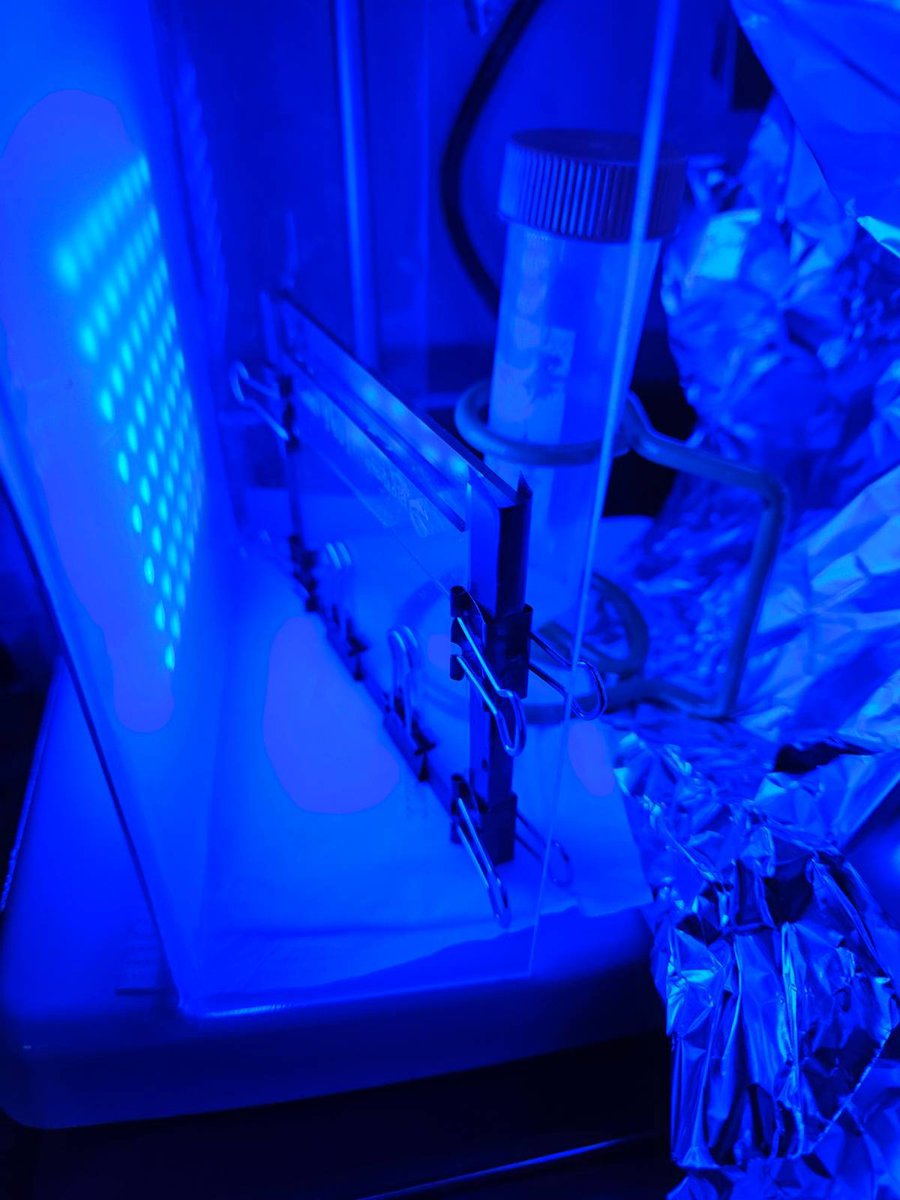
I bring to you: Light driven SDS-PAGE polymerization. No TEMED, No APS, no stinky neurotoxic curing reagents: Just clean light and fast photo polymerization (Curing time: 15 min). No federal funding no stupid COÑASHIT, no academic clowns. Independent science!
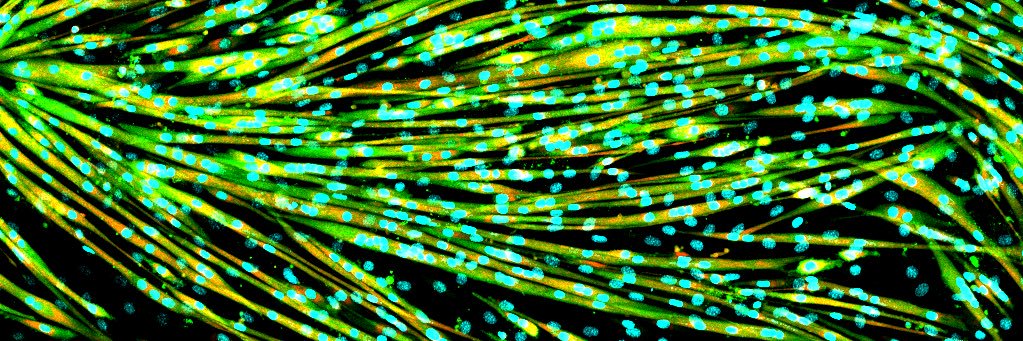
Guys look Claude helped me - a random guy in his basement - build a wetlab and do vibe genomics!
I sequenced my whole genome despite zero lab experience, without my DNA leaving home!
I put together my notes and a step by step guide here:
https://t.co/T5x6PKkwjW
It was a lot easier than I was expecting!
Ultimately I hit ~16x coverage and compared my results against my 600k raw 23andme SNPs, and it held up!
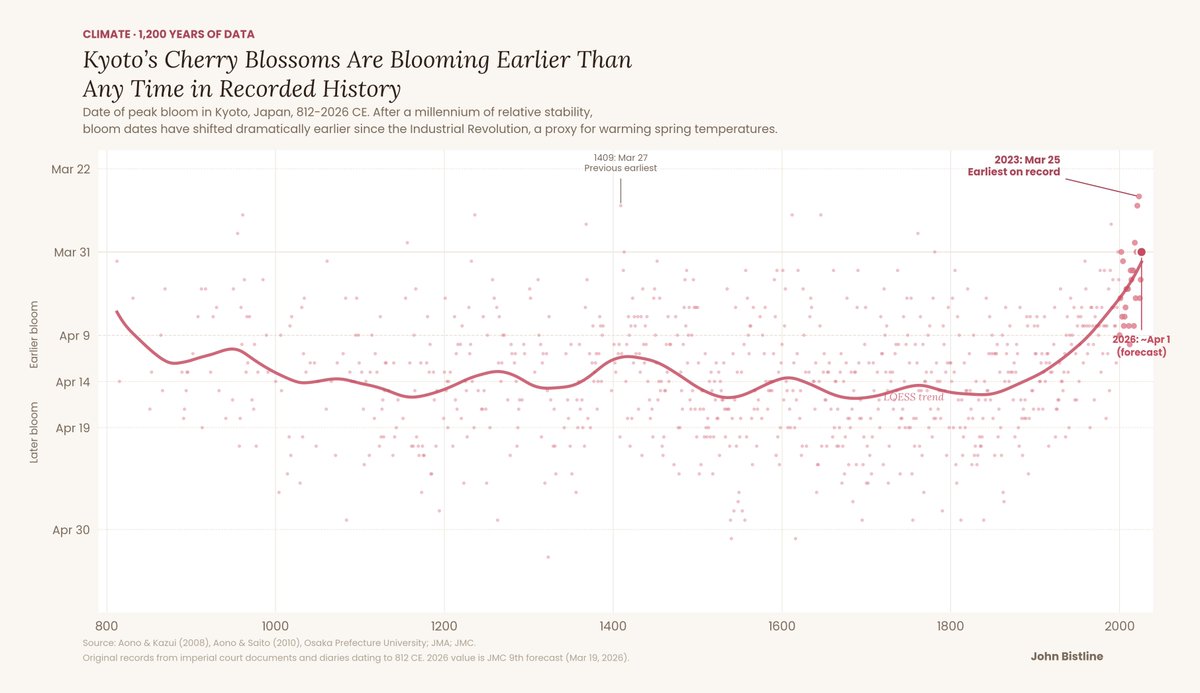
This is my favorite climate change chart. Japanese monks, aristocrats, and emperors kept meticulous records of cherry blossom festivals for 1,200 years and accidentally built the world's longest climate dataset.
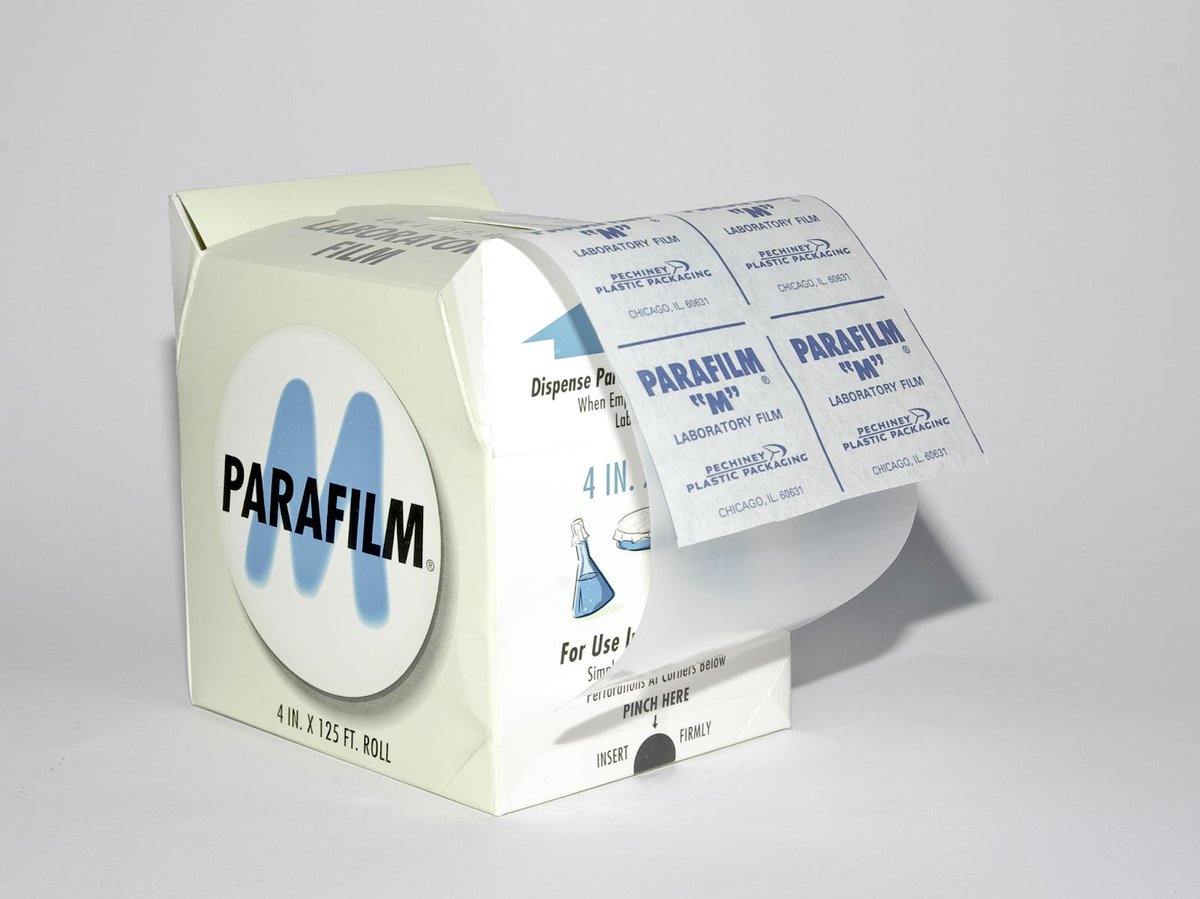
A Brief History of Parafilm (for the upcoming @AsimovPress book, "Making the Modern Laboratory.")
In 1830, a German chemist named Carl Reichenbach (who spent decades of his life extracting various chemicals from tar, for some reason) cooled petroleum and noticed that a thick layer of wax formed on top. He dubbed this wax paraffin, from the Latin for parum and affinis, meaning “very little” and “lacking affinity.”
Paraffin remained quite obscure until 1859, when Edwin L. Drake drilled the first-ever oil well in the small town of Titusville, Pennsylvania. In the decades following, as hundreds of oil wells sprung up across America, paraffin wax became an extremely common byproduct of oil manufacturing. And since it is entirely odorless, this wax was commonly used to make candles.
Paraffin was also used, oddly enough, in some historic physics experiments. In 1932, for example, James Chadwick, the Nobel Prize-winning physicist, used paraffin to discover the neutron. He stuffed chunks of wax inside his neutron detector, and then blasted a beryllium target with radioactive particles. Chadwick detected neutrons after the high-speed particles “dislodged protons from a piece of the wax.”
The word “parafilm” -- that ubiquitous thing that scientists use today to seal flasks, due to its ability to allow gases through while blocking liquids -- was first trademarked by the Marathon Paper Mills company in 1934. The company marketed it as a moisture-proof, self-sealing wrapper. But initially, it was marketed not to scientists but rather to sailors, primarily for map mounting.
Sailors would place a flat layer of parafilm between a map and fabric, and then apply a hot iron for about ten seconds. The parafilm wax would partially melt and join the map to the fabric, making it more resilient to saltwater and harsh ocean winds. Even today, the parafilm recipe is closely guarded. What we know for certain, based on chemical analyses, is that parafilm is made from 56 percent wax and 44 percent polyolefins, and that it has a boiling point above 550 degrees Fahrenheit.
In the 1950s, the Marathon Paper Mills Company sold its Wisconsin plant (and the rights to manufacture parafilm) to the American Can Company, one of the largest military contractors during World War II. Around the same time, advertisements for parafilm began appearing in magazines, including Scientific American. A 1952 advertisement touted parafilm as a “wonder material” for sealing flasks and culture dishes, and also as “airtight,” even though it is permeable to gases.
The rights to manufacture parafilm passed around to various companies until Amcor, one of the world’s largest packaging companies, bought the rights for $5.25 billion in 2019. Today, parafilm is manufactured in a factory located about 40 miles southwest of Green Bay, Wisconsin.
Adapted from an essay I co-wrote with @Meta_Celsus a couple years ago!