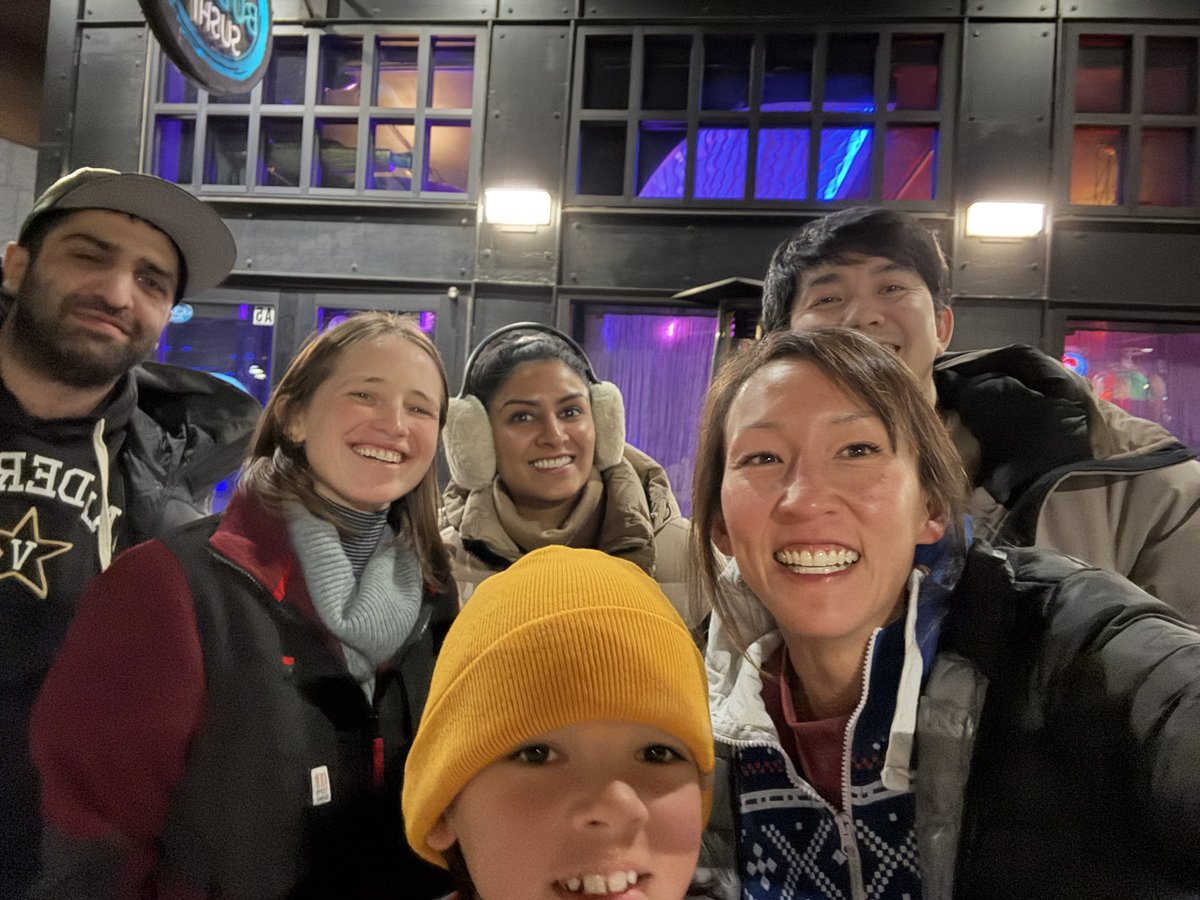
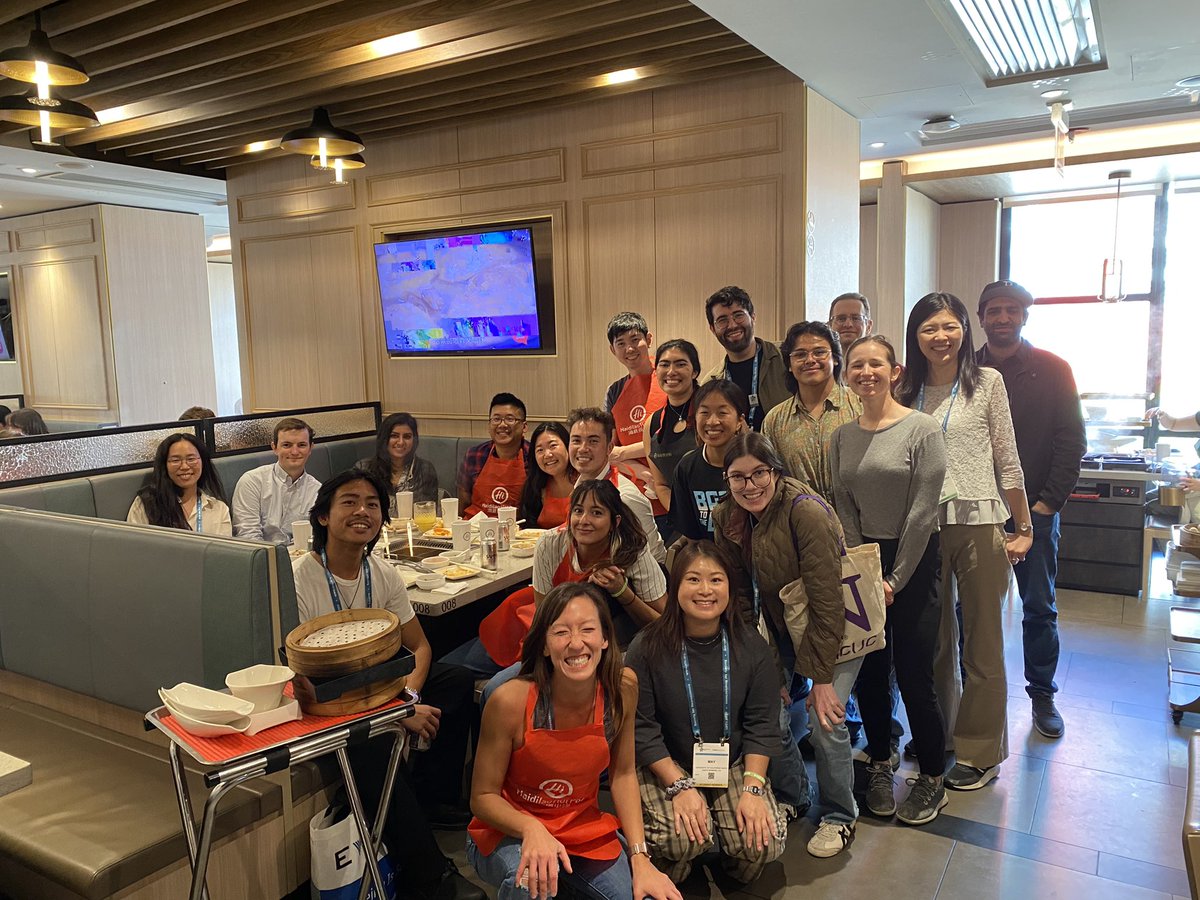
So grateful to all the amazing scientists that I have had the privilege of working with over the years, and catching up with lab alums and introducing them to current lab members
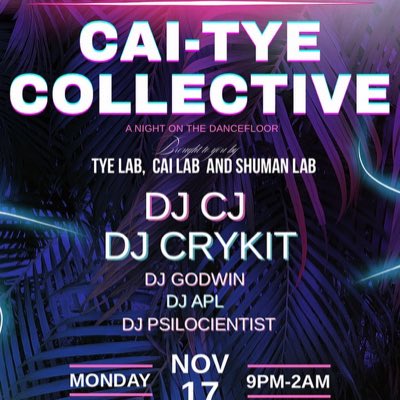
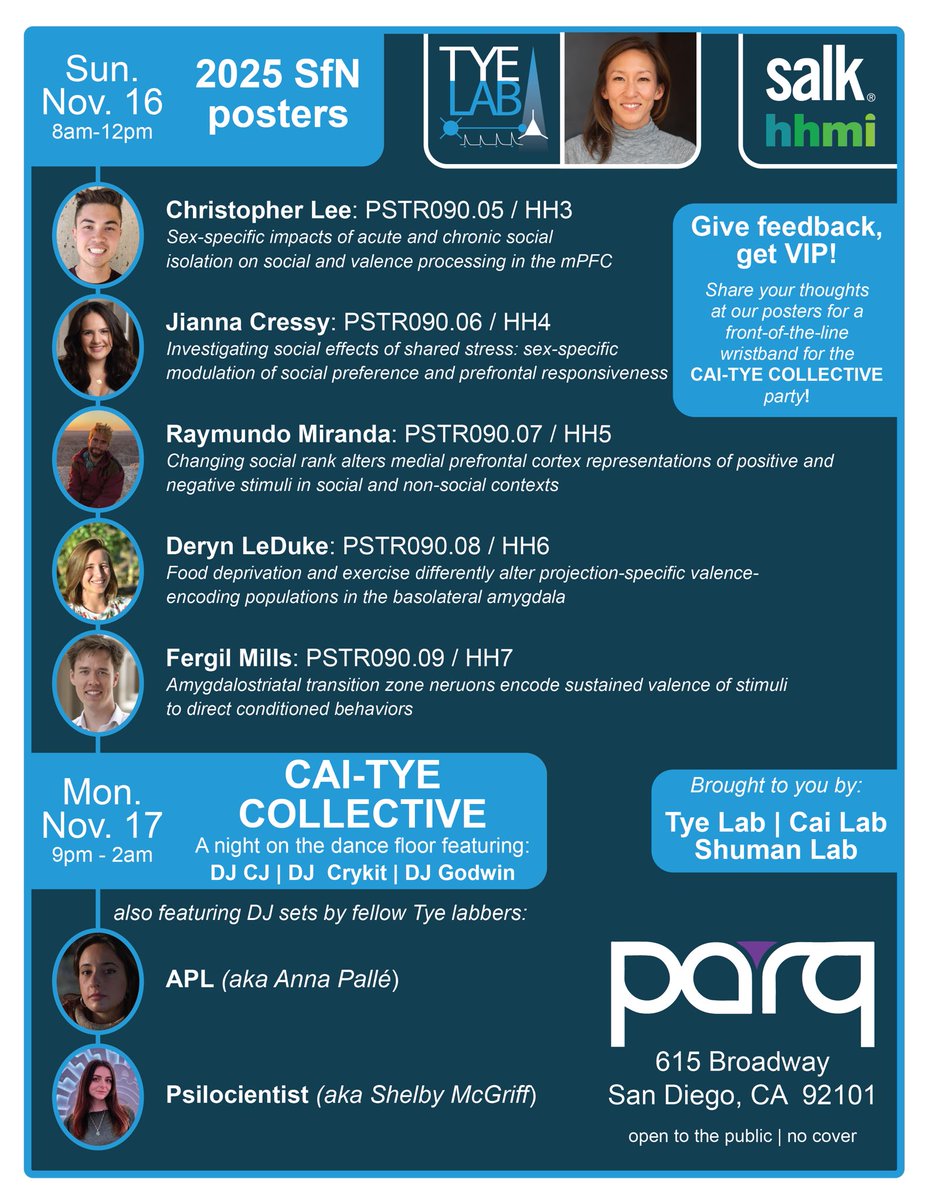
Thanks to everyone who braved the pouring rain last night to find each other at the Cai-Tye Collective party!! @denisejcai@tristanshuman 🥰
Proud to present @_apalle (postdoc in my lab aka DJ APL) and @McGriffNeuro (MD/PhD student in my lab aka DJ Psilocientist) who blew everyone’s minds.
And thanks to DJCJ and DJ Crykit, @AndrewHires who I have worked with for years and always deliver dopeness.
Music and vibes were amazing!
If anyone has party footage pls DM me!
Super stoked that @SfNtweets is here in San Diego this year and I will be speaking at the MCCS pre-meeting Fri Nov 16, our lab has posters Sun AM, and we are co-hosting a party at Parq nightclub walkable from CC Mon night.
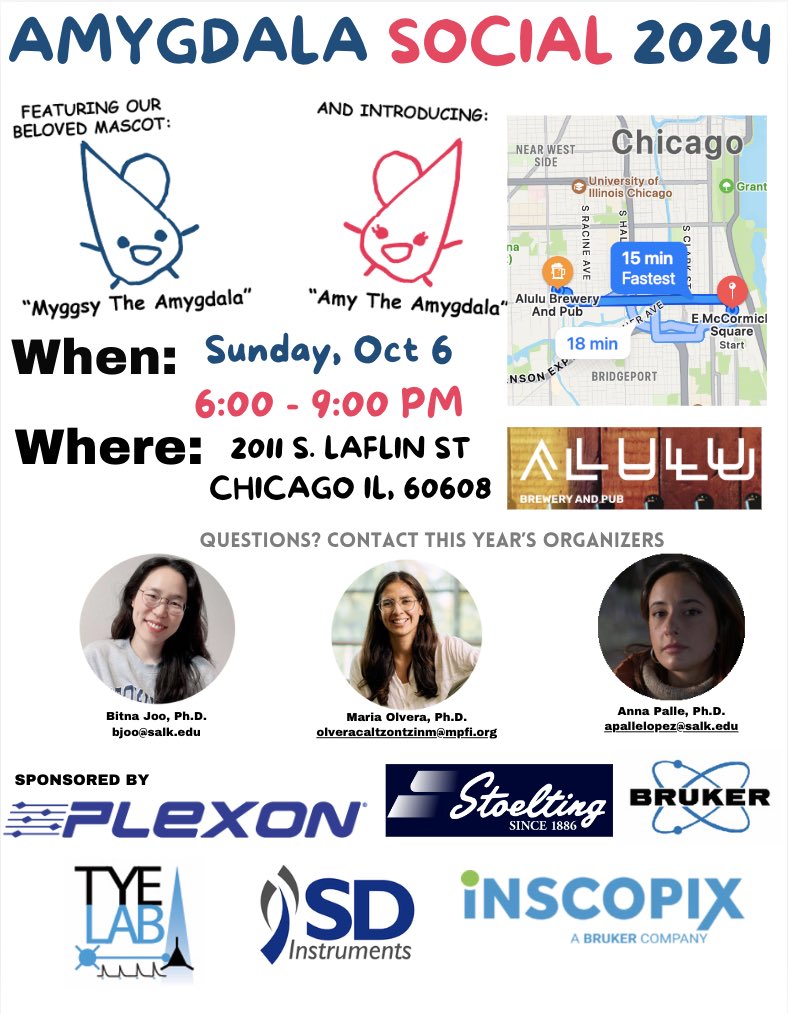
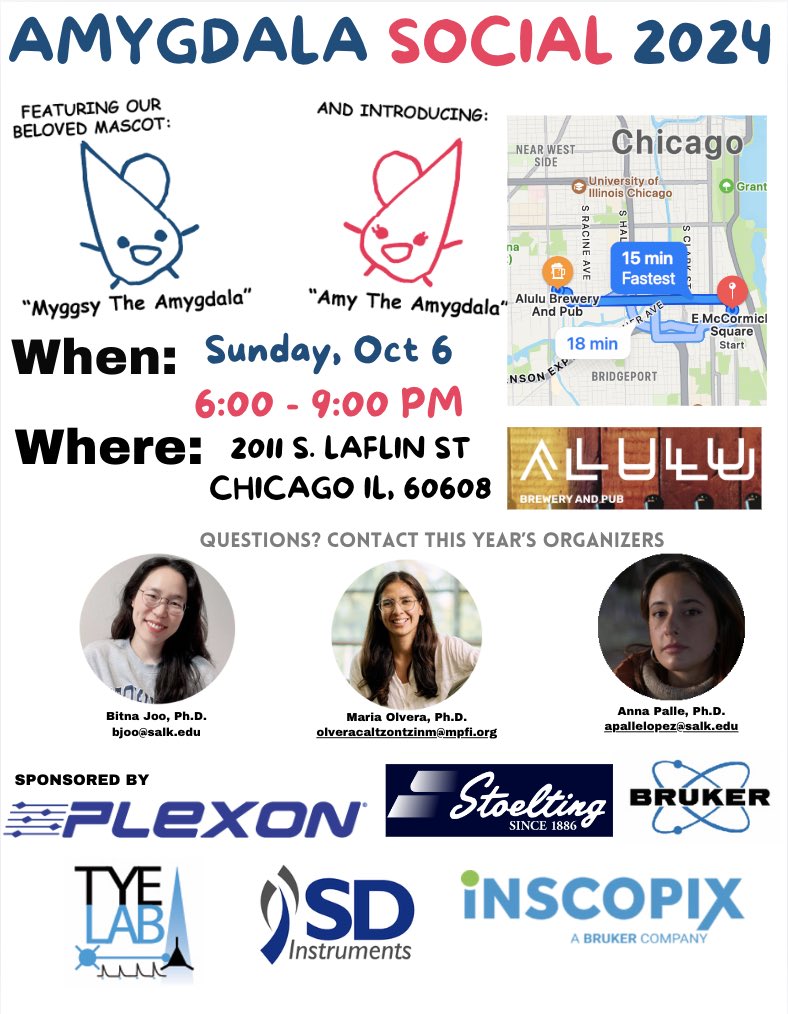
We’re continuing the GRC Amygdala community tradition at #SfN2025! Join a welcoming community of amygdala enthusiasts to connect, exchange ideas, and celebrate the joy of doing science together.
#SfN2025#Amygdala#Neuroscience#amygdalasocial
🧵1\New Preprint! Social pain, the emotional pain caused by aversive experiences with other individuals, is an umbrella term that includes experiences such as social isolation, social exclusion, social rejection, and social loss and can be used as a signal to drive a need state
🧵1/ New preprint! 🧠 Loneliness is a state that is comprised of a constellation of features (drive to socialize, unpleasant state, heightened vigilance) and we found that these features map onto different parallel circuits.
Our just published collaboration: disruptive article from Diane Mathis lab @HarvardMed in #Science Immunology @SciImmunology. We reveal that T-reg cells in the meninges protect memory and adult hippocampal neurogenesis @InstitutoCajal @SENC_@CSICdivulga
1/✨ New paper in #eNeuro! How do dominance behaviors vary across mouse strains? Turns out, it’s not one-size-fits-all!
Comparing CD1 & C57 mice, we found strain-specific behaviors that could change how we study social hierarchy in the lab🧵
Paper here: https://t.co/iw1hBNXT0z
A reminder of the power of autonomy and the importance of creating spaces where we can thrive on our own terms.
Here’s to setting boundaries, challenging expectations, and embracing our worth ✨
So grateful to have had the privilege of working with all these amazing scientists and enjoying some hot pot with them!! #TyeLabFam ❤️
The lab is like a river, where it always keeps moving and changing, but always is still the same river, where every one flowing through makes a lasting impact that changes the path for those that follow.
Join Us for the SfN Amygdala Social! 🎉
Please mark your calendars for a fun evening of networking and conversation.
Looking forward to seeing you there!
If you have any question please let me know! #sfn#SfN24#amygdalasocial
We saw these changes across association cortex, but strongest in the default mode network (DMN), which is connected to the anterior hippocampus and is thought to create our sense of self. The amount of change strongly predicted the intensity of the mystical experience.