I want a startup that fixes the fact that so many of the coolest AI products cant be used at work.
Not because employees don't want them. Because IT very reasonably needs to review every tool before it touches company data.
The gap btwn "discovered" & "approved" feels like one of the biggest bottlenecks in enterprise or PLG AI adoption.
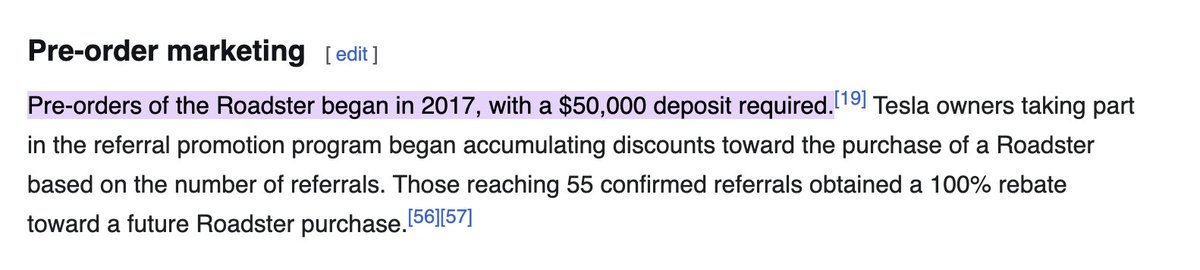
SOURCES: Elon is waiting for the statute of limitations to hit for Tesla Roadster deposits to avoid refunding $50,000 deposits and giving out the free referral cars.
@JayaGup10@JayaGup10 Really admire the way you write... unlearn, relearn, be humble enough to know you can be wrong are age old principles that will stand the test of time even with AI
@KNBR Love the dude. But can we get a poster made for the clubhouse saying “Win more, talk less” and have him recite every day before he goes out to talk.
Another week on the road meeting with a couple dozen IT and AI leaders from large enterprises across banking, media, retail, healthcare, consulting, tech, and sports, to discuss agents in the enterprise.
Some quick takeaways:
* Clear that we’re moving from chat era of AI to agents that use tools, process data, and start to execute real work in the enterprise. Complementing this, enterprises are often evolving from “let a thousand flowers bloom” approach to adoption to targeted automation efforts applied to specific areas of work and workflow.
* Change management still will remain one of the biggest topics for enterprises. Most workflows aren’t setup to just drop agents directly in, and enterprises will need a ton of help to drive these efforts (both internally and from partners). One company has a head of AI in every business unit that roles up to a central team, just to keep all the functions coordinated.
* Tokenmaxxing! Most companies operate with very strict OpEx budgets get locked in for the year ahead, so they’re going through very real trade-off discussions right now on how to budget for tokens. One company recently had an idea for a “shark tank” style way of pitching for compute budget. Others are trying to figure out how to ration compute to the best use-cases internally through some hierarchy of needs (my words not theirs).
* Fixing fragmented and legacy systems remain a huge priority right now. Most enterprises are dealing with decades of either on-prem systems or systems they moved to the cloud but that still haven’t been modernized in any meaningful way. This means agents can’t easily tap into these data sources in a unified way yet, so companies are focused on how they modernize these.
* Most companies are *not* talking about replacing jobs due to agents. The major use-cases for agents are things that the company wasn’t able to do before or couldn’t prioritize. Software upgrades, automating back office processes that were constraining other workflows, processing large amounts of documents to get new business or client insights, and so on. More emphasis on ways to make money vs. cut costs.
* Headless software dominated my conversations. Enterprises need to be able to ensure all of their software works across any set of agents they choose. They will kick out vendors that don’t make this technically or economically easy.
* Clear sense that it can be hard to standardize on anything right now given how fast things are moving. Blessing and a curse of the innovation curve right now - no one wants to get stuck in a paradigm that locks them into the wrong architecture. One other result of this is that companies realize they’re in a multi-agent world, which means that interoperability becomes paramount across systems.
* Unanimous sense that everyone is working more than ever before. AI is not causing anyone to do less work right now, and similar to Silicon Valley people feel their teams are the busiest they’ve ever been.
One final meta observation not called out explicitly. It seems that despite Silicon Valley’s sense that AI has made hard things easy, the most powerful ways to use agents is more “technical” than prior eras of software. Skills, MCP, CLIs, etc. may be simple concepts for tech, but in the real world these are all esoteric concepts that will require technical people to help bring to life in the enterprise.
This both means diffusion will take real work and time, but also everyone’s estimation of engineering jobs is totally off. Engineers may not be “writing” software, but they will certainly be the ones to setup and operate the systems that actually automate most work in the enterprise.
The sun was free. They sold you SPF 50 and a vitamin D deficiency.
Sleep was free. They sold you an app, a pill, and a wearable that tells you your sleep was bad.
Walking was free. They sold you a treadmill, a fitness tracker, and a £180 pair of trainers.
Fasting was free. They sold you meal replacement shakes and the anxiety that skipping breakfast would wreck your metabolism.
Cold water was free. They sold you a £3,000 plunge barrel and a podcast episode about it.
Silence was free. They sold you a meditation app with a premium tier.
Animal fat was cheap. They sold you seed oils, then supplements to replace what the animal fat contained.
Tallow was cheap. They sold you a seventeen-step skincare routine and a clinical trial proving your face needs ceramides.
Meat was cheap. They are currently selling you the idea that you shouldn't eat it.
The 20th century removed access to everything the body needs to function.
The 21st century is selling it back, one subscription at a time.
Your great-grandmother had none of the products.
She had all of the things.
Just discovered a stunning AI model that brings Indian art traditions to life! This text-to-image generator specializes in Madhubani, Warli, and Rangoli styles. Perfect for artists and culture enthusiasts wanting to explore digital heritage.
@PrathameshD_8@paraschopra 6/ We release paper + research artifacts below:
Paper: https://t.co/dFSKp8H0AM
Blog: https://t.co/gwJfcx3xmA
Code: https://t.co/6RWRasDqqi
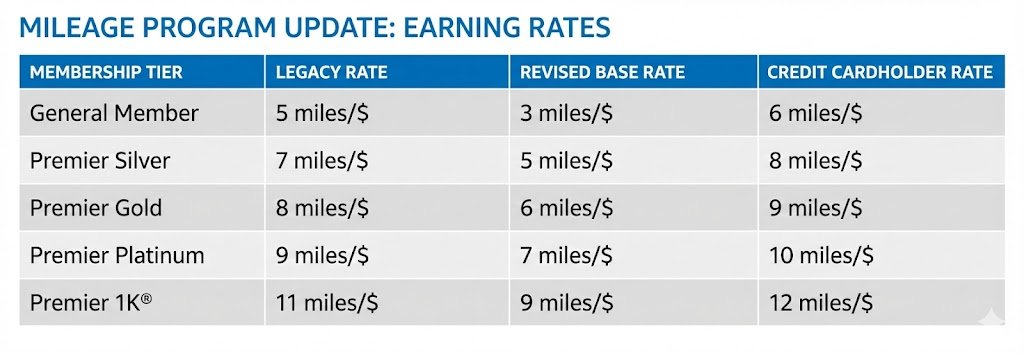
MAJOR earning change to the United MileagePlus program starting April 2.
Reminder: Airlines are credit card issuers that fly planes to acquire customers.
You will now earn a lot fewer miles than you used to unless you carry a United card. If you fly United, you absolutely should get one of their cards, even if you never use it to buy anything.
Chart below summarizing changes-
Non-cardholders' mileage earnings drop by up to 40%, while cardholders earnings increase.
Cardholders also save 10-15% on every award redemption
Saver award inventory in Polaris is now locked only to cardholders
So you'd be a fool not to get one of their cards - you get a lot more miles AND those miles are worth a lot more.
There is a no annual fee Gateway card but you have to spend $10k to earn the extra miles. I'd recommend the Explorer card - $0 annual fee for first year, $150 for subsequent years but it includes a $100 United credit and 70k miles sign up bonus. I got the United Quest- $350/year but comes with a $200 travel credit and 80,000 mile signup bonus, plus it earns PQPs toward elite status.
Some context on why United is doing this and others are soon to follow: not a single major US airline was profitable after stripping out loyalty program revenue. The big 4 airlines lost ~$10B flying passengers but made $14B in profits thanks in large part to their loyalty program & credit cards. Delta has the industry leading cobrand program - they got $8.2B from Amex last year, while United only got $3.2B... so United is playing catch up and pushing cards to do it.
I bet the other major airlines do something similar.
referral link if you're getting a card: https://t.co/C9NhR3AdPy
𝗧𝗥𝗘𝗡𝗗𝗜𝗡𝗚: Caleb Williams has started a movement in Chicago with male Bears fans getting their nails done and drinking matcha.
Caleb is already the face of Chicago sports.
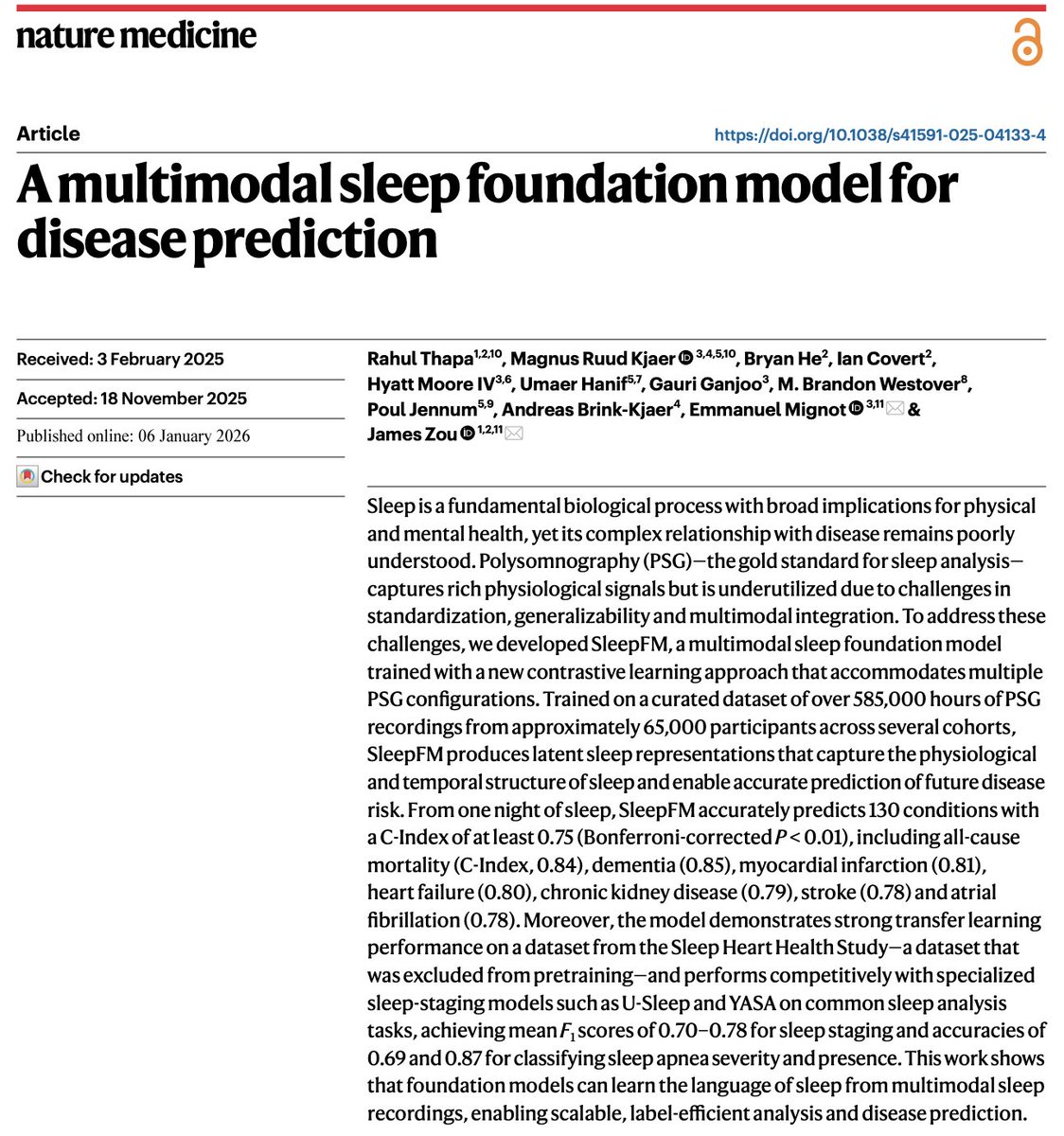
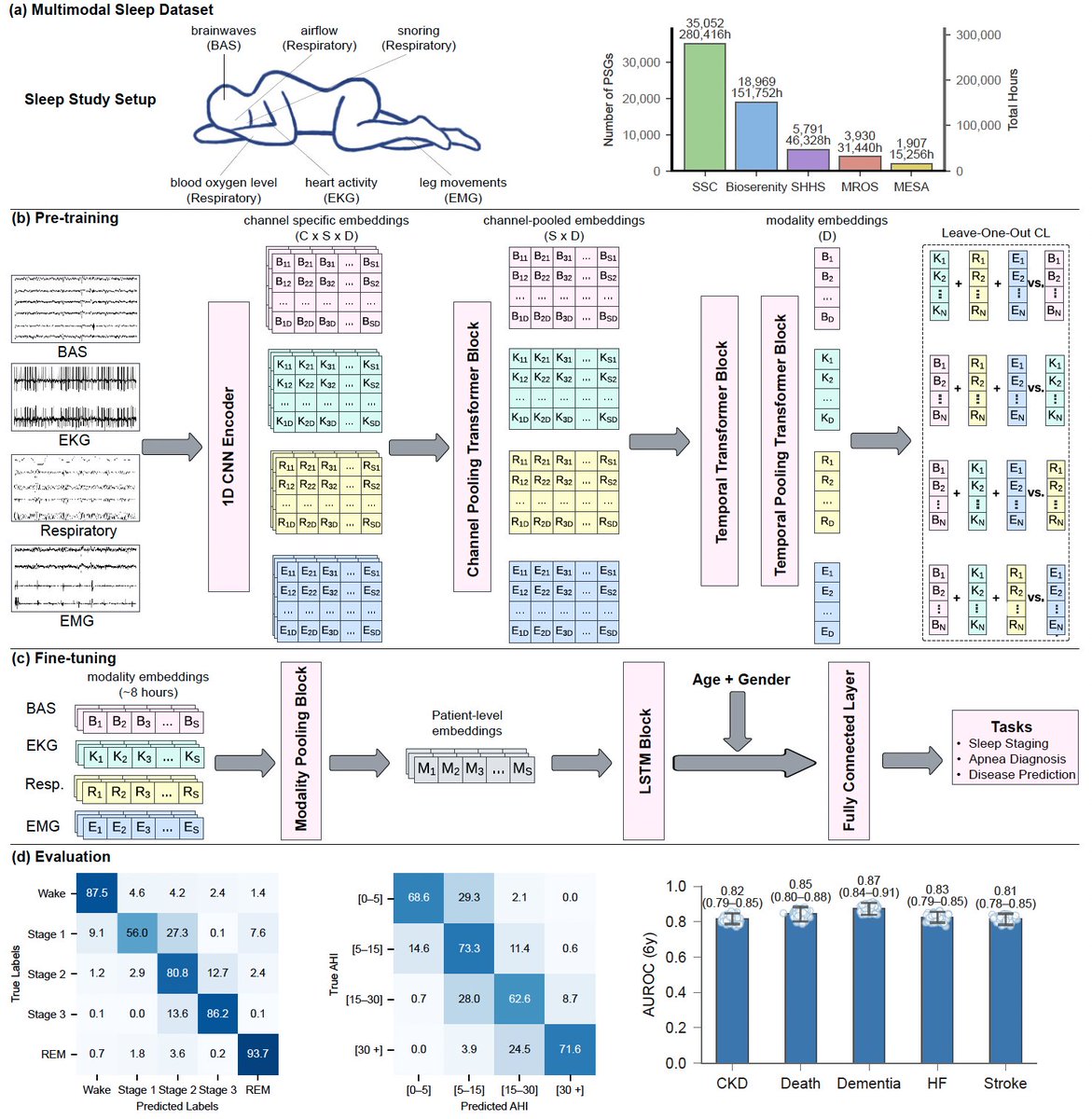
Today in @NatureMedicine we report that AI can predict 130 diseases from 1 night of sleep🛌
We trained a foundation model (#SleepFM) on 585K hours of sleep recordings from 65K people—brain, heart, muscle & breathing signals combined.
AI learns the language of sleep🧵