Low back pain is defined as pain located below the costal margin and above the inferior gluteal folds, with or without leg pain and is the leading cause of years lived with #disability worldwide, affecting people of all ages.
📝 This JAMA Review summarizes the epidemiology, pathophysiology, clinical evaluation, prognosis, and treatment of nonspecific low back pain in the outpatient setting.
https://t.co/FBOXpOrkWn
Leishmaniases comprise clinically distinct diseases caused by the protozoan parasite leishmania, which is transmitted through the bite of infected sand flies (Panel A). Leishmania are obligate intracellular parasites that invade and multiply within host phagocytes. CD4+ T cells are critical for host defense, since they produce interferon-γ, a key cytokine that activates macrophages to kill parasites. Most leishmania species that cause human disease also infect domestic and wild animals, such as dogs, cats, hyraxes, sloths, and rodents, which serve as zoonotic reservoirs. Infected sand flies are responsible for most cases of transmission, but visceral leishmaniasis (also known as kala-azar) can also occur through blood transfusion, organ transplantation, congenital transmission, needle-stick injuries, or sharing of contaminated syringes.
Leishmaniasis is endemic in Africa, the Americas, Asia, and Europe (Panels B and C). More than 1 billion people in 99 territories and countries where leishmaniasis is endemic, including the United States, are at risk for contracting the disease. The global prevalence of leishmaniasis is estimated to be 6 million cases, and approximately 0.7 to 1 million new cases occur annually. Most cases occur in people in endemic countries in Africa, Asia, and Latin America where inadequate evening shelter and limited personal protective measures result in continuous vector exposure. Other factors contributing to the high prevalence of leishmaniasis include malnutrition, lack of disease awareness, coinfections with HIV and helminths, and forced population displacement due to conflicts. Leishmaniasis is also endemic in the Middle East, southern Europe, and the Americas, where immunosuppression and travel are additional risk factors.
Read the Review Article “Leishmaniasis” by Naomi E. Aronson, MD, Ahmed M. Musa, MB, BS, DTMH, PhD, and Abhay R. Satoskar, MB, BS, MD, PhD (@SatoskarAbhay, from Uniformed Services University (@USUhealthsci), the University of Khartoum (@u_of_k), and @ohiostate: https://t.co/N3LaviIpzU
CDC is closely monitoring reports of an Ebola outbreak in Ituri province in the Democratic Republic of the Congo, and is working closely with the Ministry of Health through our Country Office to support response efforts.
Ebola spreads through direct contact with bodily fluids of a person who is sick or has died from the disease, and early detection and response are critical to limiting transmission. CDC continues to support global public health partners in surveillance, laboratory analysis, infection prevention, and outbreak response efforts.
The risk of Ebola to the American public is considered low, and travelers should stay informed through official public health guidance while health authorities work to further characterize the virus strain and contain the outbreak.
A typical El Niño affects regional-to-global weather, as warming in the equatorial Pacific Ocean can trigger droughts, floods, and extreme heat.
A super El Niño may arrive later this year, with stronger, longer-lasting, and wider impacts. https://t.co/rOf1UhIqpZ
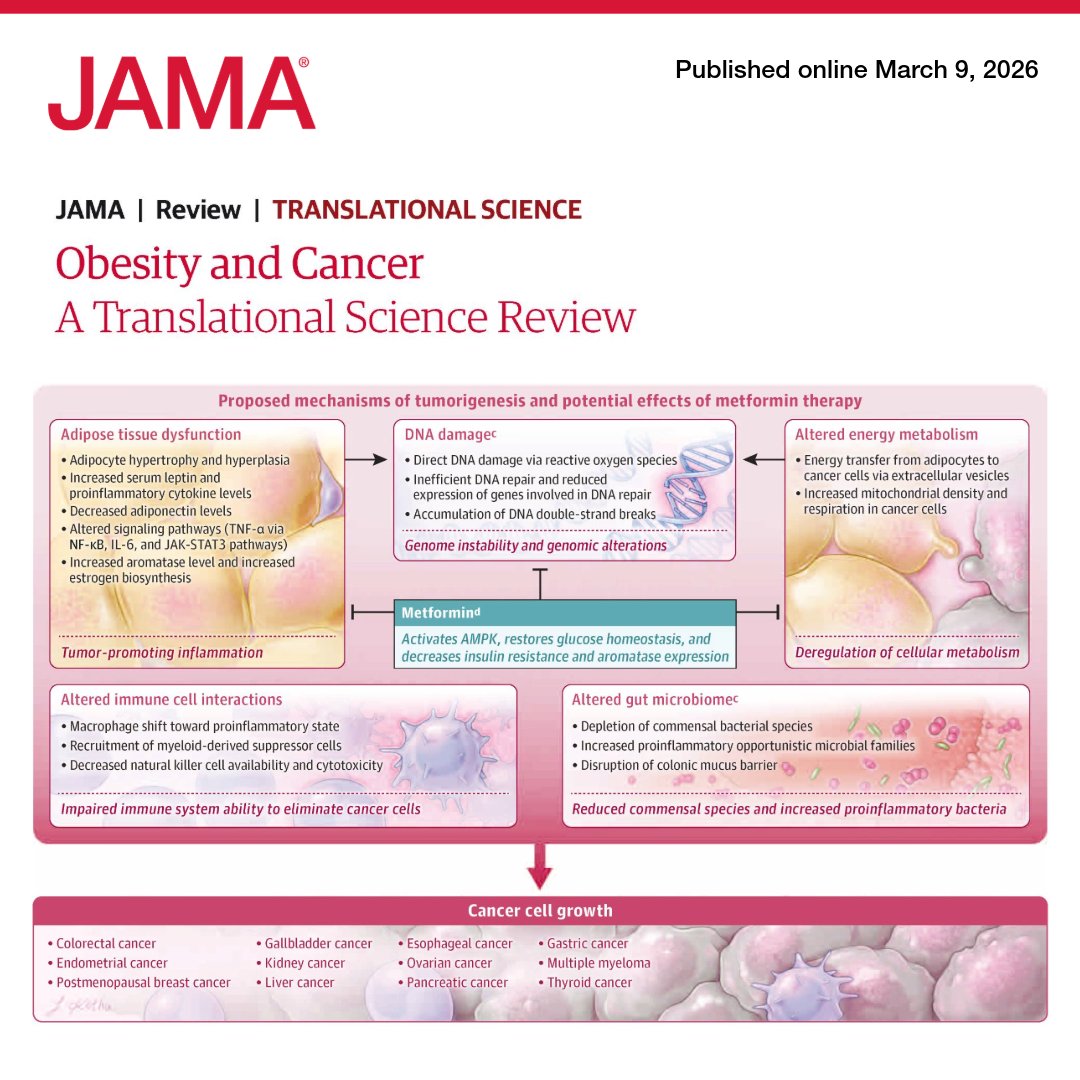
#Obesity is associated with higher risk for 12 #cancer types and accounts for approximately 10% of annual new cancer cases in the US.
📄 This Review summarizes the primary biological pathways connecting obesity and cancer development.
https://t.co/mcFtYoQ8Z4
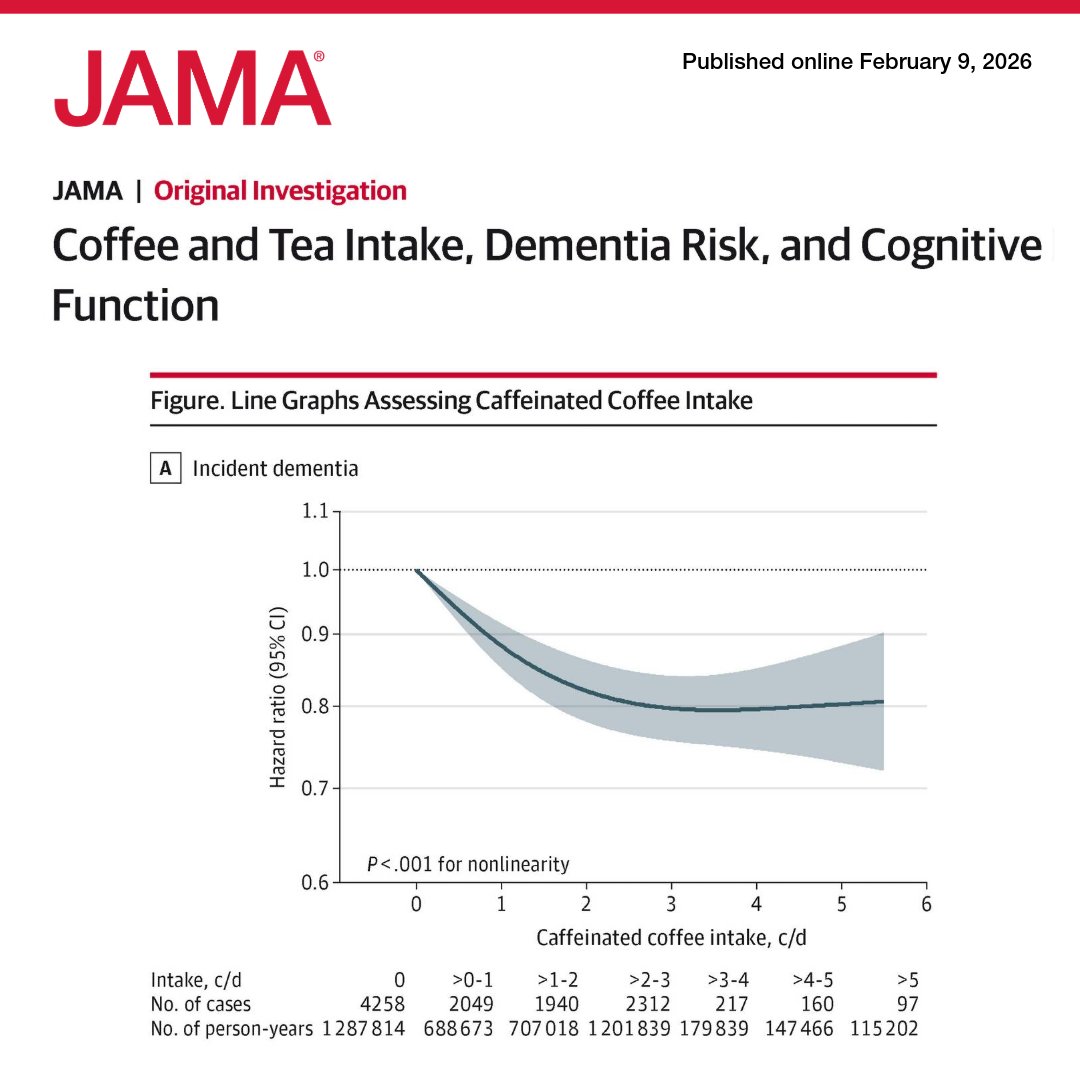
Moderate consumption of caffeinated coffee or tea was linked to reduced #dementia risk and modest improvements in cognitive outcomes; no benefit was seen for decaffeinated coffee in an observational study of US adults.
https://t.co/jlPgjAuosa
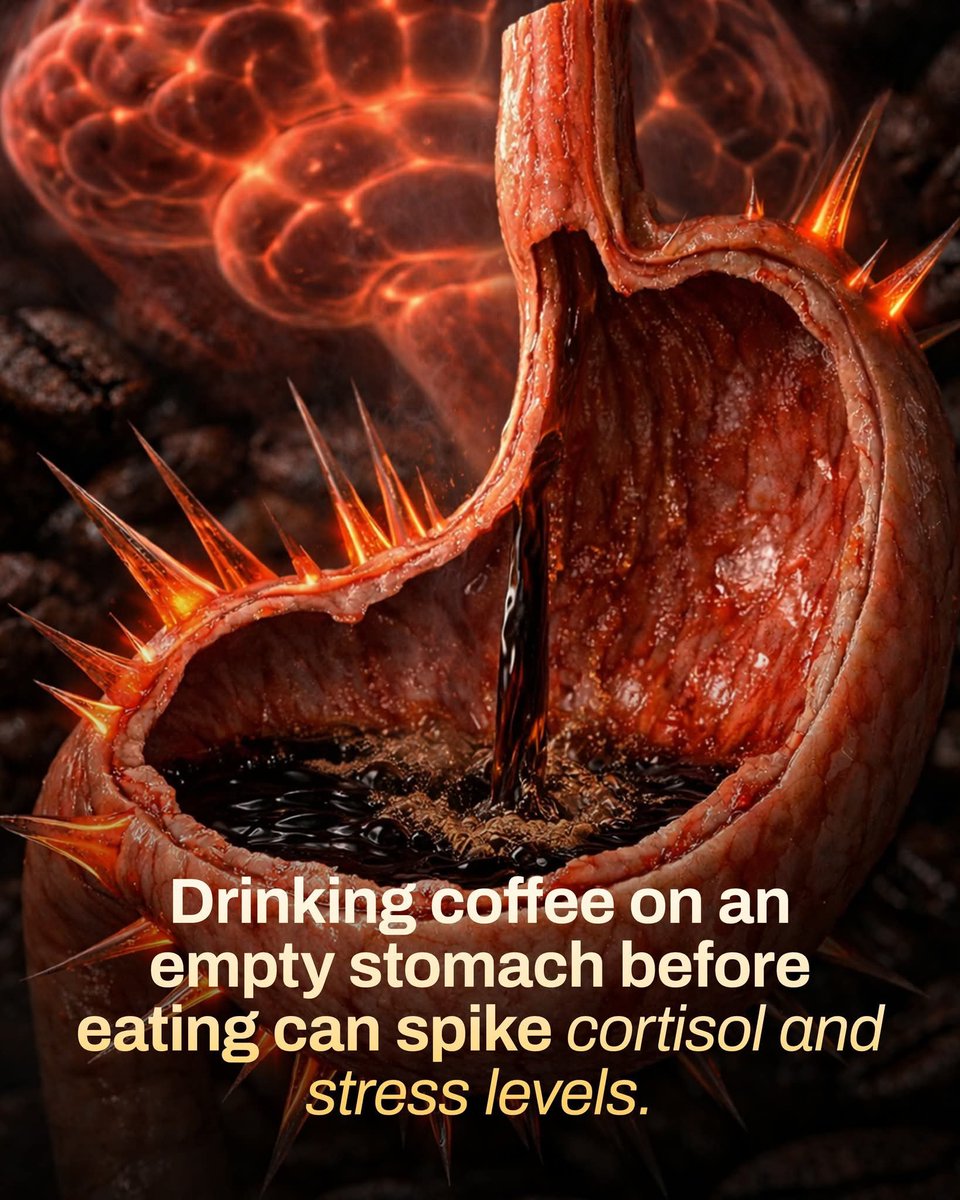
🚨 Drinking coffee on an empty stomach can increase stress by stimulating a rapid rise in cortisol, the body’s primary stress hormone.
Cortisol levels are already highest in the morning, and caffeine can amplify this response when no food is present.
Research from the University of Bath has shown that caffeine consumed before eating may intensify metabolic and hormonal stress reactions.
This can lead to symptoms such as anxiety, jitteriness, and energy crashes in sensitive individuals.
Eating before drinking coffee helps moderate cortisol release and supports a more balanced stress response.
SIMON, JASON, ROGER, REEVES AND I WOULD LIKE TO THANK THE GRAMMY'S FOR THIS WONDERFUL AWARD;
WE ARE VERY HONOURED TO RECEIVE IT.
WE WOULD ALSO LIKE TO THANK;
EVERYONE WHO HELPED IN THE CREATION OF OUR SONGS OF A LOST WORLD ALBUM, PARTICULARLY CO-PRODUCER PAUL CORKETT;
1/3
BREAKING:
A new deadly Nipah virus outbreak has been reported in India with 5 people infected in West Bengal, including 2 nurses in critical condition, and 100 people quarantined
The virus spreads rapidly, has a mortality rate of about 75%, and there is no treatment or vaccine
Clinical obesity, as newly defined by excess adiposity and organ dysfunction, was linked to greater all-cause and cause-specific mortality risk in the UK Biobank cohort.
https://t.co/FSOKGgg2WI
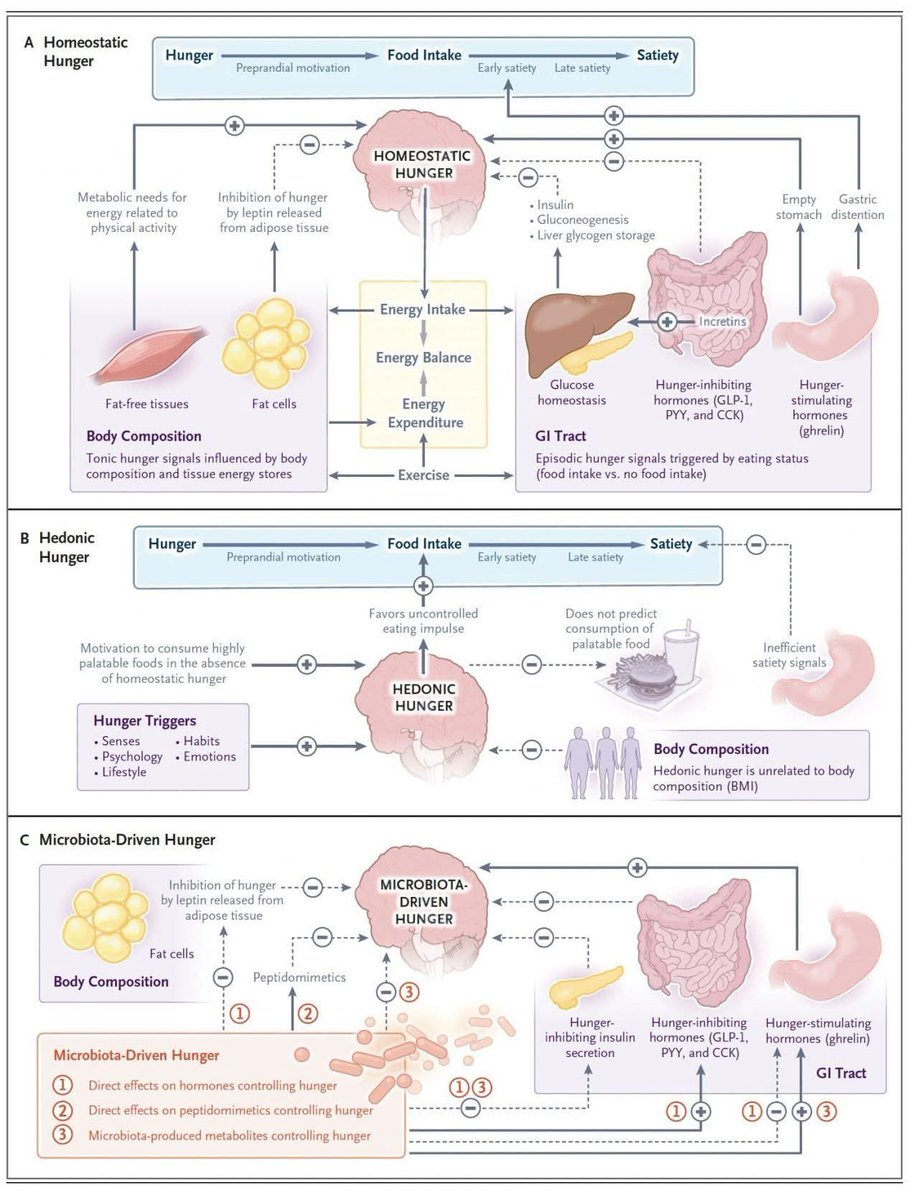
3 types of hunger explained "simply"
Hunger isn’t just about an empty stomach. Your brain receives signals from body composition, hormones, emotions, and even gut microbes. Here’s how the three major types work:
1️⃣ Homeostatic Hunger (Energy Balance Hunger)
This is your body’s “fuel gauge.” It rises and falls based on energy needs and metabolic signals.
What drives it: Ghrelin from the stomach stimulates hunger; leptin from fat cells and incretin hormones (GLP-1, PYY, CCK) reduce it.
What it does: Ensures your intake matches your energy needs for exercise, growth, and tissue repair.
🟢 Example: After a long run, homeostatic hunger pushes you to replace calories and glycogen.
2️⃣ Hedonic Hunger (Reward-Driven Hunger)
This is your “food pleasure” system. It’s triggered by sight, smell, habits, and emotions, not by actual energy needs.
What drives it: Brain reward circuits activated by highly palatable foods (sugar, fat, salt).
What it does: Encourages eating even when you’re not truly hungry. Weak satiety signals make it harder to stop.
🟢 Example: Craving dessert after dinner even though you’re full.
3️⃣ Microbiota-Driven Hunger (Gut Microbe Hunger)
Your gut bacteria also shape hunger signals by producing metabolites that influence hormones and the brain.
What drives it: Microbes generate compounds that mimic hunger or satiety signals, affect insulin, and modulate ghrelin, GLP-1, and PYY.
What it does: Links gut health to appetite regulation and metabolic control.
🟢 Example: Certain bacterial imbalances may increase cravings or weaken satiety, nudging overeating.
Mary Brunkow, Fred Ramsdell and Shimon Sakaguchi have been awarded the 2025 Nobel Prize in Physiology or Medicine for their groundbreaking discoveries concerning peripheral immune tolerance that prevents the immune system from harming the body.
The Nobel Prize laureates identified the immune system’s security guards, regulatory T cells, thus laying the foundation for a new field of research. The discoveries have also led to the development of potential medical treatments that are now being evaluated in clinical trials.
The hope is to be able to treat or cure autoimmune diseases, provide more effective cancer treatments and prevent serious complications after stem cell transplants.
#NobelPrize