🦅 Happy National Eagle Day!
Today we celebrate with Kennedy’s resident family of bald eagles – two adults and two fuzzy eaglets – who spent this spring thriving in the wildlife refuge at America’s premier multi‑user spaceport.
National Eagle Day is celebrated annually on June 20 to honor the bald eagle, the United States’ national symbol, and to promote its conservation.
Day 127, orbit 1968 — That aurora was absolutely spectacular… shimmering and dancing beneath us, stretching as far as the eye could see, and so intense it lit up the Station in shades of green 💚.
We’ve seen several since the beginning of the mission, but this one was on a completely different level – far too bright for my usual aurora camera settings.
Moments like these never get old up here; the whole crew suddenly find themselves vying for a good spot at a window 😊
📸 @esa / @NASA – S. Adenot
#εpsilon • @esaspaceflight • @esaspaceweather • @Space_Station • @NASAJohnson
"The fascination that I have for test flying comes from being able to go into an environment where we have an idea what's going to happen, but then you have to [make it] happen."
Meet the Artemis III crew in this episode of Houston We Have a Podcast: https://t.co/3GEB1Kivpc
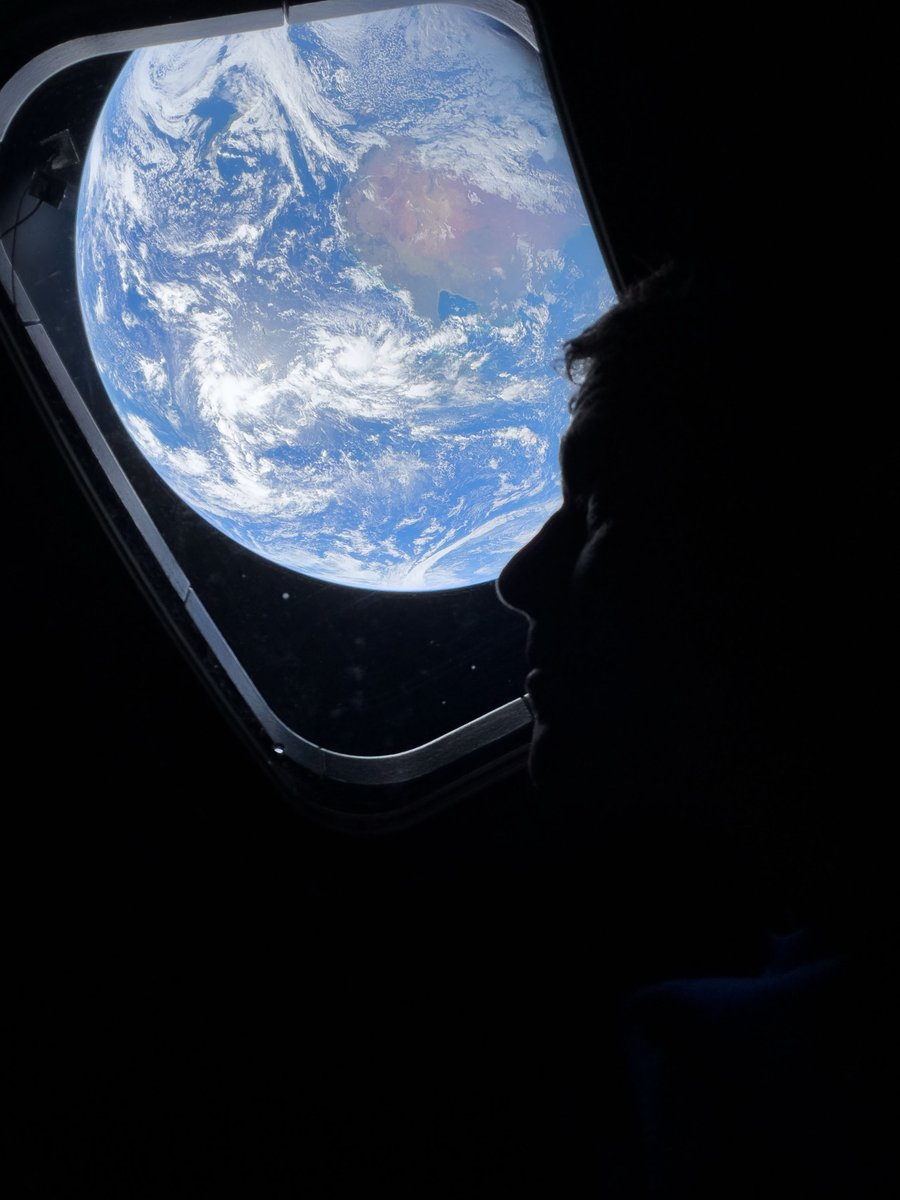
The view from inside Integrity as recovery forces pop open the hatch…watching the helicopter pass over their shoulders and hearing all the joy, it was as good as it gets.
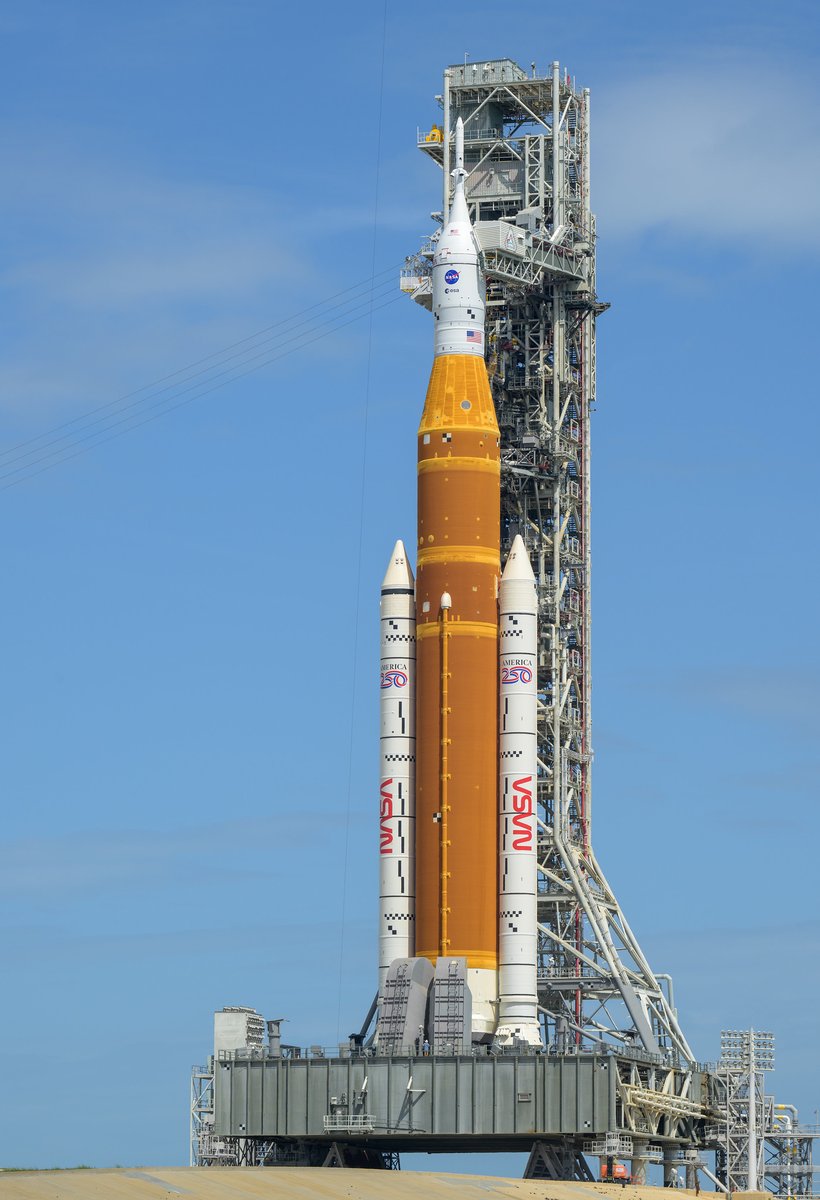
Action. Wonder. Adventure. Artemis II has got it all. Don't miss the moment. Our crewed Moon mission will launch as early as April 1.
Learn how to watch: https://t.co/fAg0bGAqEc
The countdown begins.
Teams at @NASAKennedy have arrived to their stations at the Launch Control Center. We are about 48 hours from the launch of the Artemis II mission around the Moon. https://t.co/PqaR8eyxu4
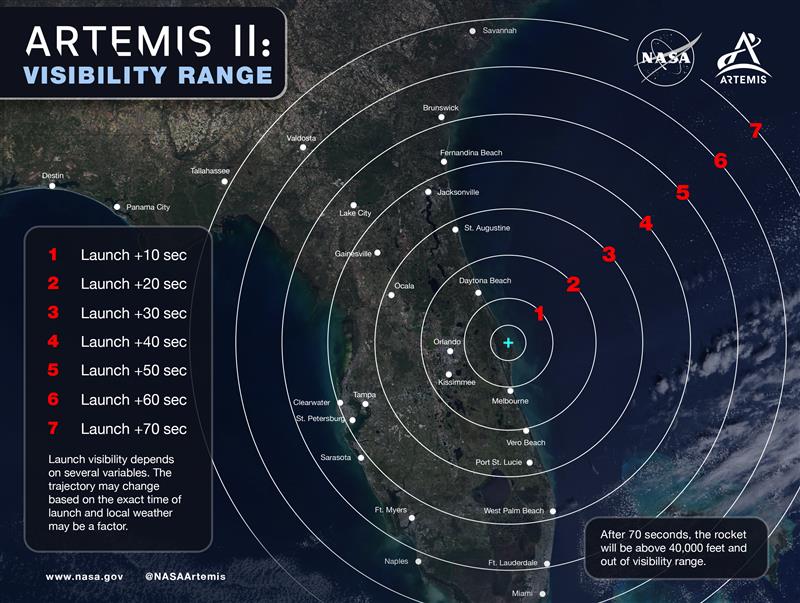
Can you see our Moon rocket lift off from your backyard?
Skywatchers in Florida and southern Georgia will have a shot. Check out this map to see when you should look up! Artemis II is targeted to launch no earlier than April 1.
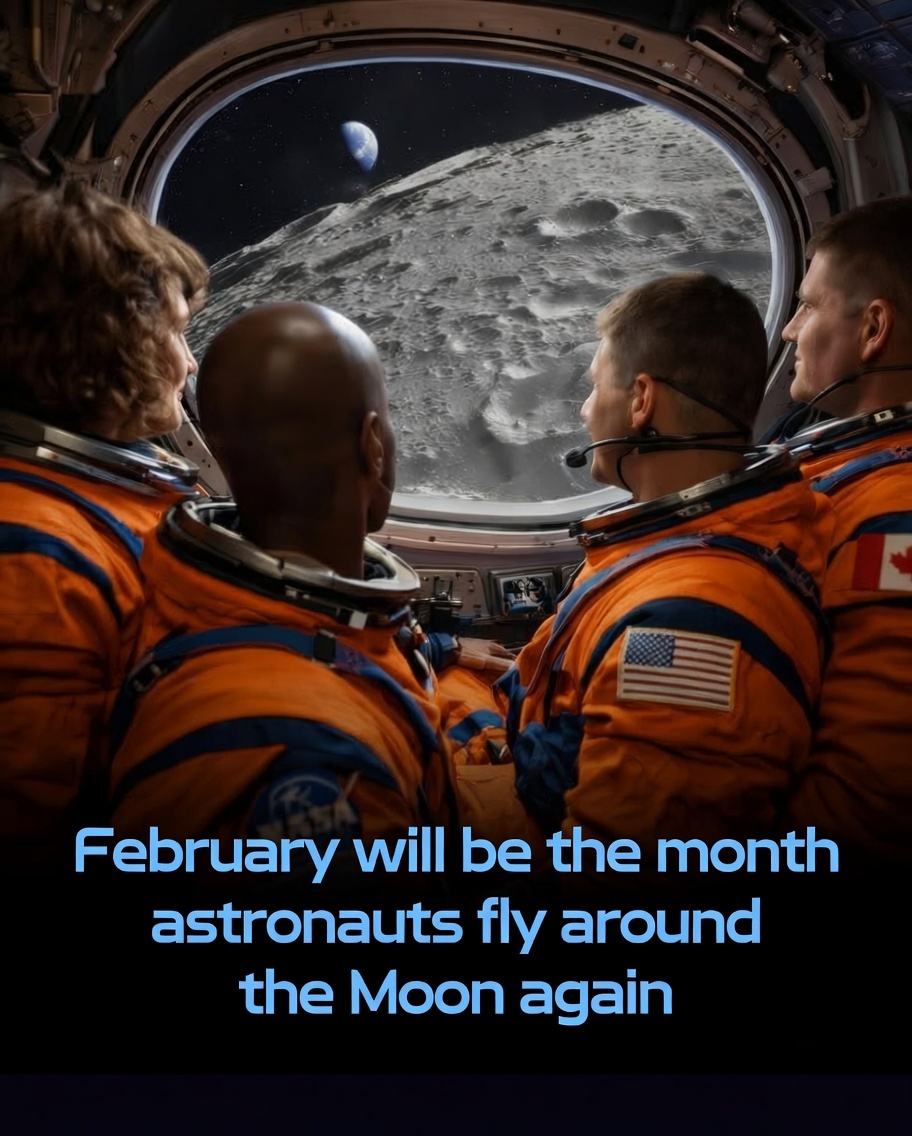
In February 2026, humanity returns to the vicinity of the Moon with crewed deep-space flight for the first time in over half a century.
NASA’s Artemis II mission will launch four astronauts—Commander Reid Wiseman, Pilot Victor Glover, Mission Specialist Christina Koch (all NASA), and Mission Specialist Jeremy Hansen (Canadian Space Agency)—aboard the Orion spacecraft atop the powerful Space Launch System (SLS) rocket. The approximately 10-day journey will send them on a free-return trajectory, swinging around the far side of the Moon at a distance of about 4,700 miles (roughly 7,600 km) beyond its surface before safely returning to Earth.
This is not a landing mission. It is a critical full-system test flight: proving the performance of SLS propulsion, Orion’s life support, navigation, communications, heat shield during reentry, and overall spacecraft reliability in the harsh environment of cislunar space.
Artemis II represents far more than engineering validation. It will carry humans farther from Earth than any previous crew. For the first time, a woman (Christina Koch), a person of color (Victor Glover), and a non-American astronaut (Jeremy Hansen) will venture to the Moon’s vicinity. The mission reopens the path to deep space that has remained closed since Apollo 17 in 1972.
Unlike Apollo 8’s lunar orbit, Artemis II uses a gravity-assisted free-return path—engineered so the spacecraft can loop back to Earth even if propulsion systems fail, prioritizing crew safety.
From that distant vantage point, the crew will witness a unique sight: Earth and Moon appearing together in the same frame, a live perspective no human has experienced before.
The lunar landscape remains largely unchanged since the Apollo days. But the world watching—and the diverse crew venturing out—reflects profound progress. This flight marks the opening chapter of the Artemis era, paving the way for sustained lunar exploration, surface landings, and eventual journeys farther afield.
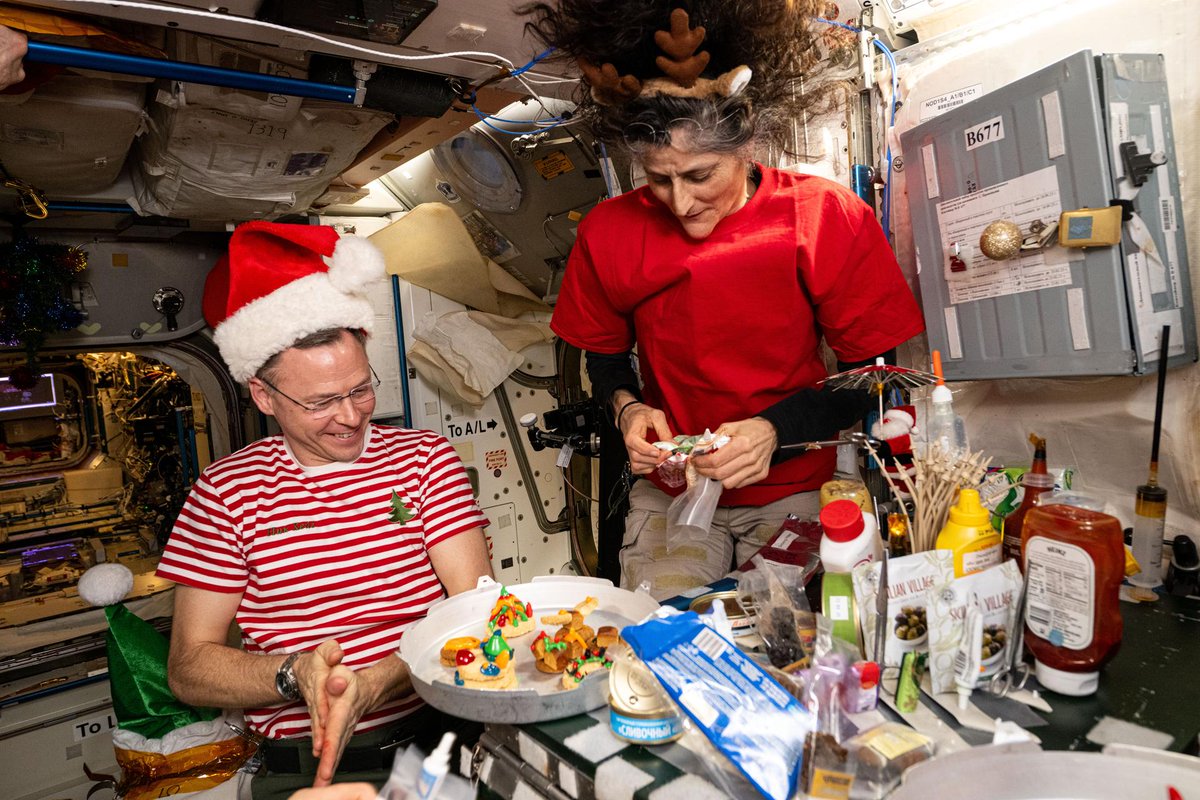
From space to your place: happy holidays & a stellar New Year! ✨🧑🚀
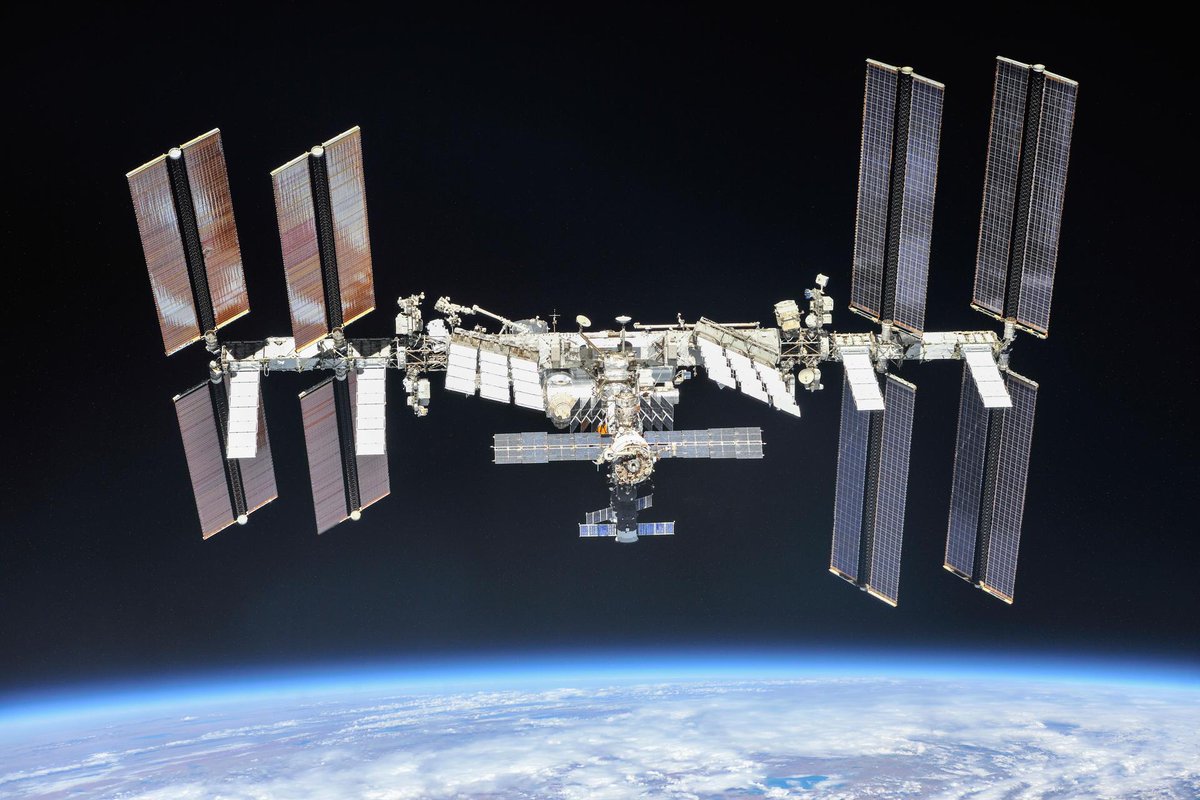
The Expedition 74 crew aboard the International @Space_Station sends warm wishes from orbit, celebrating a year of science, teamwork, and discoveries that connect us all.
Even 250 miles above Earth, traditions continue. ✨🎄
Since Nov. 2000, crews aboard the @Space_Station have celebrated holidays with shared meals, small gifts, and calls to loved ones. Space may be far, but home never is. Explore 25 years of celebrations. https://t.co/s5zynOXgeU


![NASA's tweet photo. "The fascination that I have for test flying comes from being able to go into an environment where we have an idea what's going to happen, but then you have to [make it] happen."
Meet the Artemis III crew in this episode of Houston We Have a Podcast: https://t.co/3GEB1Kivpc https://t.co/YDpC4PWEJf](https://pbs.twimg.com/media/HKox2XrXMAEXN2P.jpg)