Today, we are announcing our new Gemini agent for your business—a universal cloud agent running 24/7 to get your work done.
It arrives knowing your tools, data, and work history; it works across knowledge work, content, and code; and it comes with built-in governance to help your data stay secure and cost stay in control → https://t.co/NRlFcjz5zu
なんでもクロード君プロンプト
何に使えるのかは全く分からない...
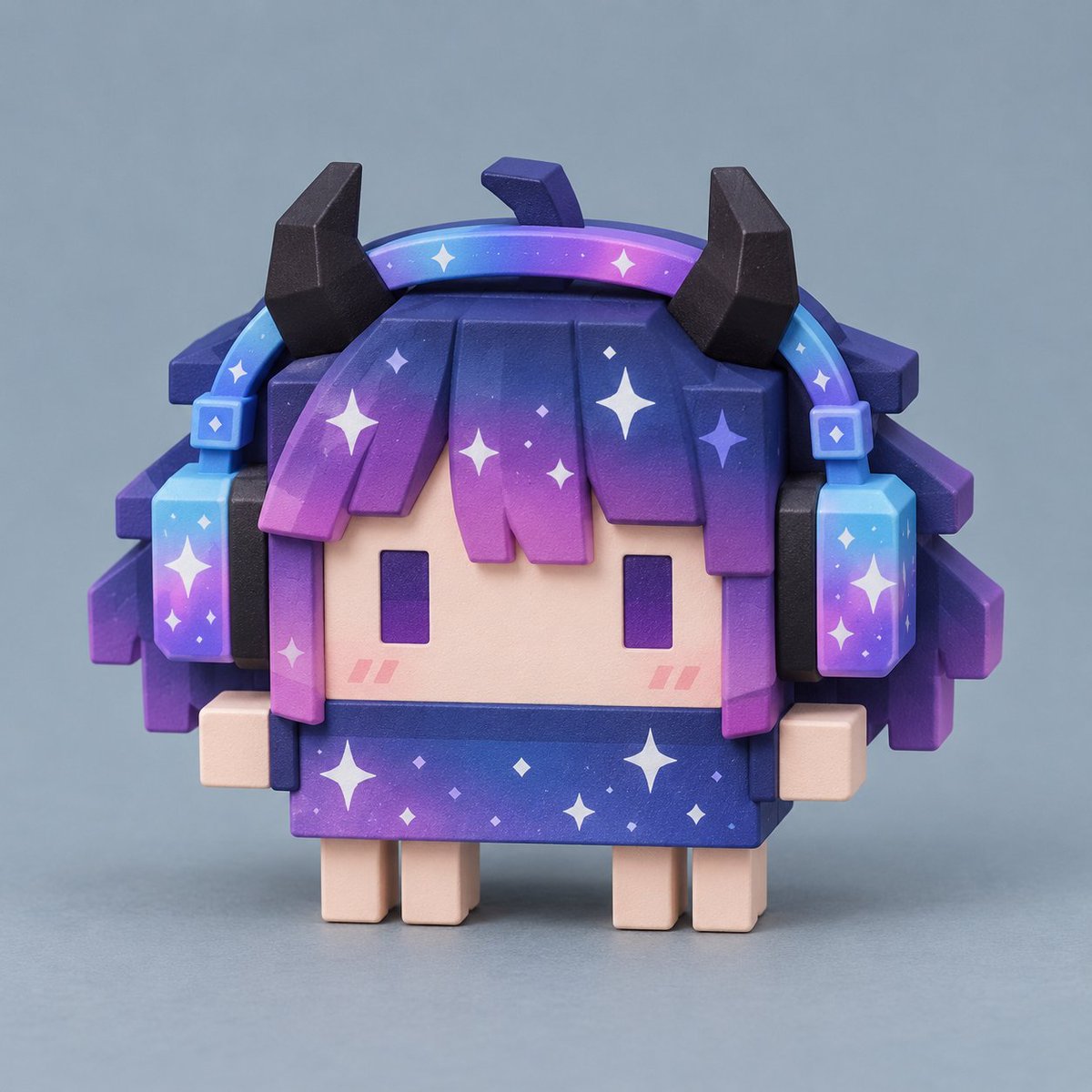
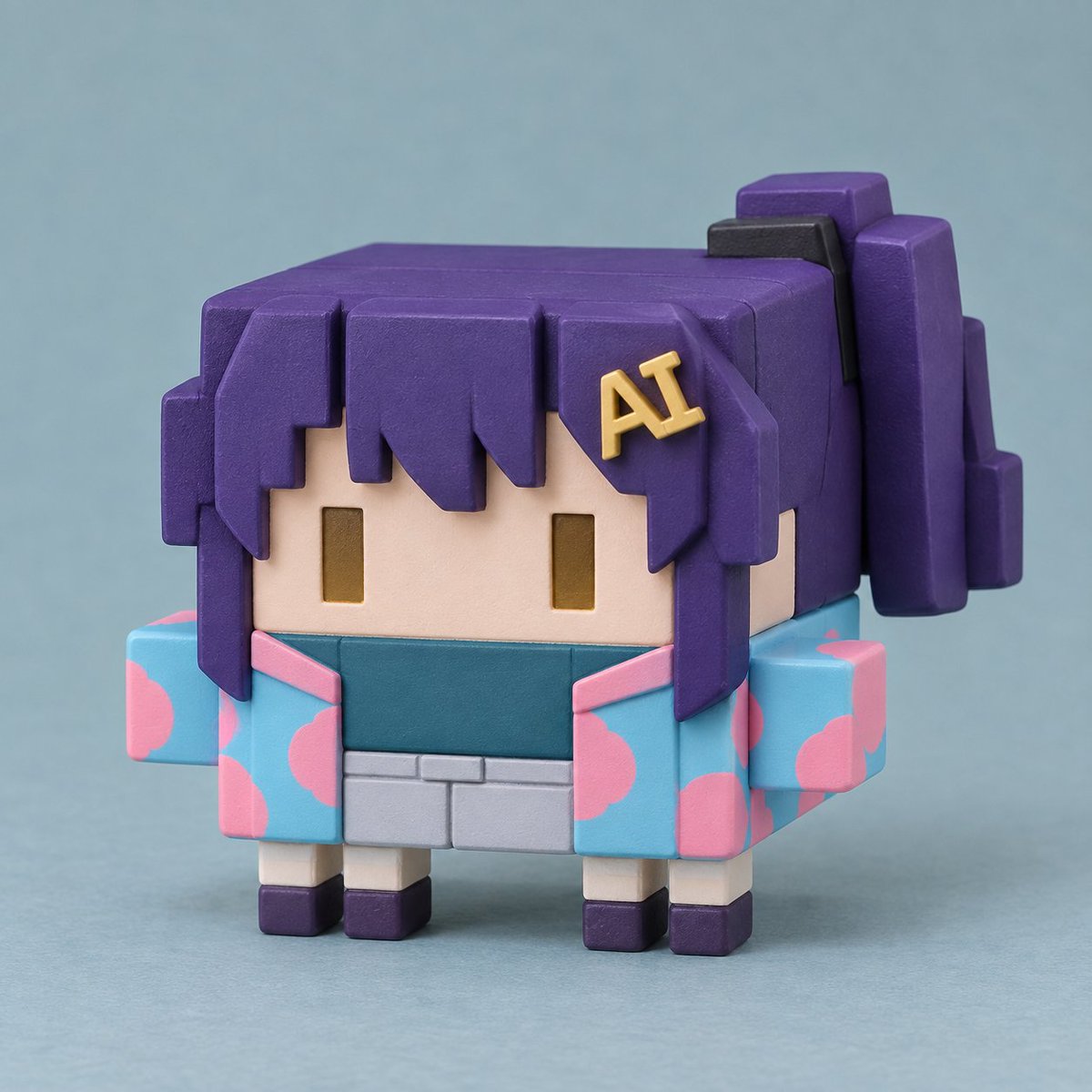
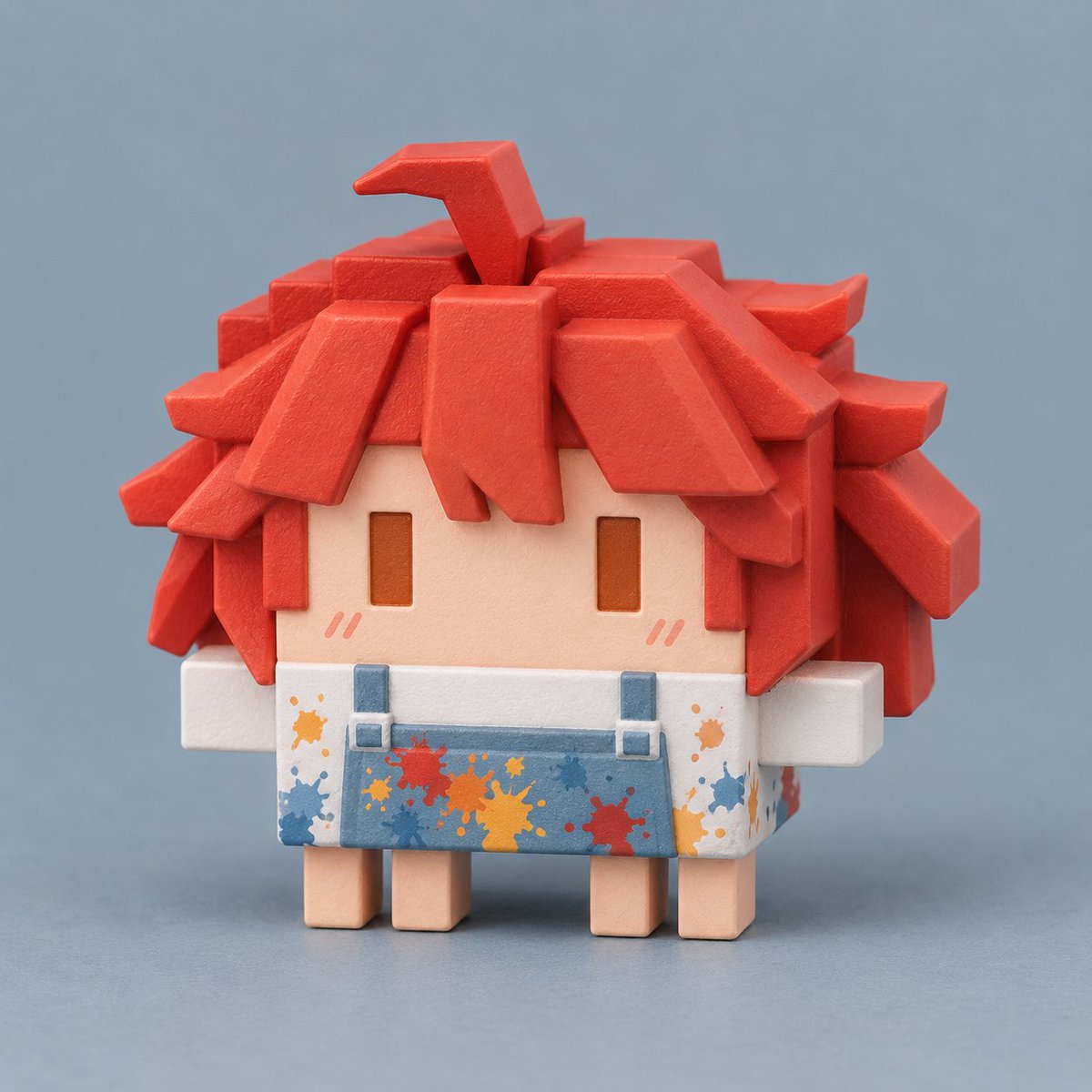
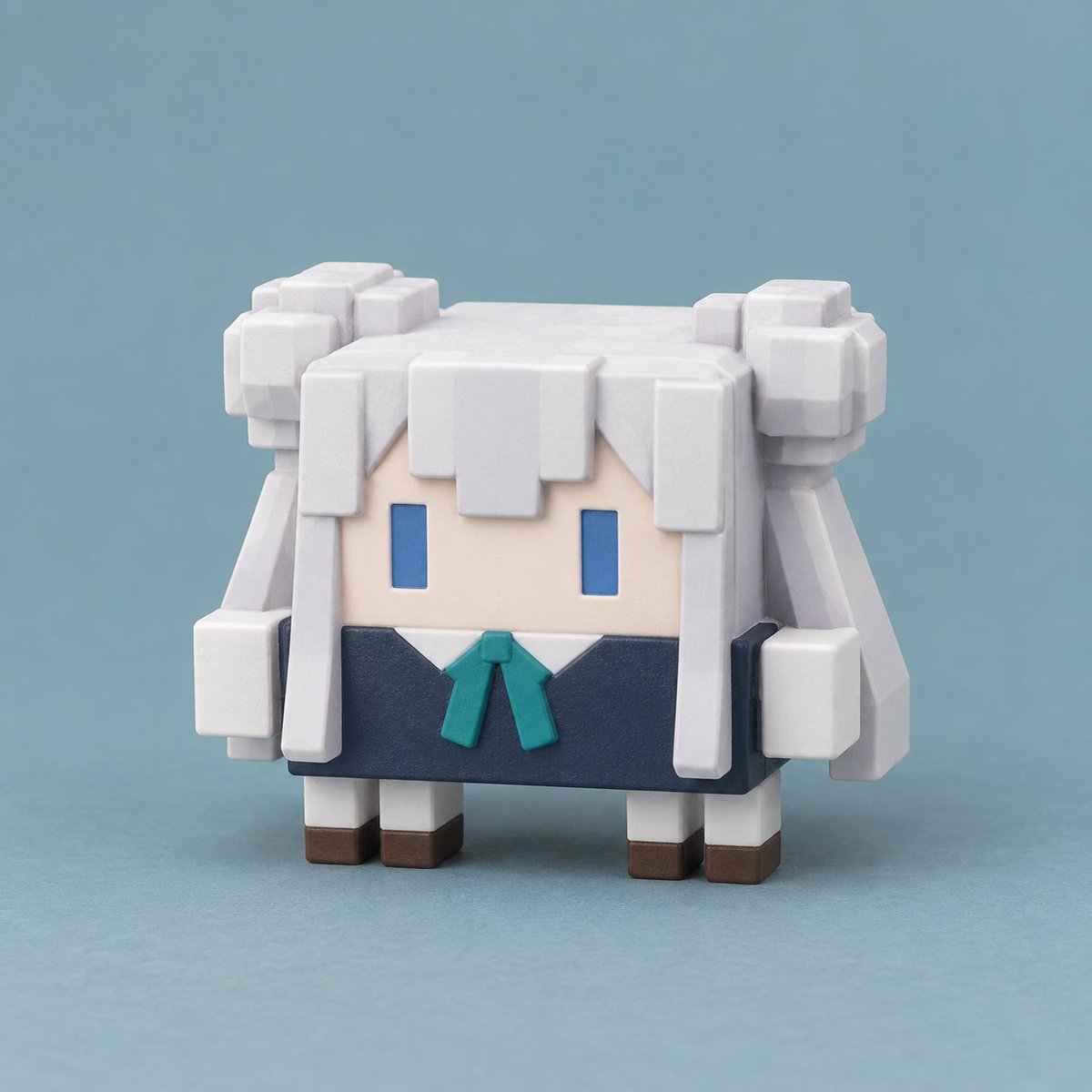
サンプルは #AIニケちゃん
--- 以下プロンプト
Use case: photorealistic-product
Asset type: studio product photo of a small collectible figure, 1:1 square, one figure, full body
Primary request: a photograph of a real, physical desk figure that turns the character from the attached reference image(s) into a tiny blocky creature. The creature's body shape is fixed by this prompt (see "Body shape"); the reference supplies only the colors and the identifying features.
Input images: the attached image(s) show one character (a reference sheet, a single illustration, a photo, or a render). Use them only to read the character's identity: hair color and hairstyle, headwear and hair accessories, eye color, skin or face color, distinctive facial marks, outfit colors and its one or two signature pieces, and any non-human parts (animal ears, horns, tail, wings). Ignore their layout, any multiple views, and their background. Do not copy the body proportions, the pose, the facial expression, the drawing style, or the shading from the reference.
Body shape (fixed, do not change): the creature is a single wide rectangular box, about 1.4 times as wide as it is tall and about as deep as it is tall, with square corners. Head and body are the same box: no neck, no separate head, no torso, no waist. Two eyes sit on the front of the box just above mid-height, set well apart: each eye is a tall, narrow vertical rectangle, about twice as tall as it is wide and about a quarter of the box's height, in one solid color, recessed slightly into the surface, with no pupil, no highlight, no eyelashes, and no eyebrows. There is no nose and no mouth. One short rectangular arm stub sticks straight out sideways from the lower half of each side of the box, about a third of the box's height tall and sticking out about a sixth of the box's width: no hands, no fingers, no claws. Exactly four short legs stand under the box, side by side in one single left-to-right row across the width of the box, not at the four corners: two legs close together on the left, two legs close together on the right, and a wider empty gap in the middle between the two pairs. Each leg is a narrow rectangular post, about one eighth of the box's width and about as tall as it is wide. All four legs are seen from the front and no leg is hidden behind another leg. No feet. The creature is small, squat, and left-right symmetric. It does not have a human figure.
How the character maps onto the box: the character's hair, in the character's hair color, sits on top of the box as a few big solid blocky pieces that add height above it; the bangs cover only the top quarter of the front and stay above the eyes; the signature parts of the hairstyle (buns, twin tails, a ponytail, long hair hanging down both sides) are kept as simple rectangular blocks attached to the box. Headwear and hair accessories from the reference sit on the hair, simplified to blocky pieces that keep their recognizable silhouette. An accessory whose shape is itself letters or a symbol (a hair clip shaped like letters, a star, a heart, a cross) keeps that exact shape: the same letters in the same order, readable, as chunky raised block letters in the accessory's color, enlarged if needed so they stay readable. Do not replace such an accessory with a plain bar or block. The upper front of the box, around the eyes, is the character's skin or face color. The eyes keep the tall vertical rectangle shape and take the character's eye color, darkened if needed so they read clearly against the face. Facial marks that are not part of the mouth (blush, a mole, a scar, face paint) are kept as small flat painted marks; mouth features are dropped because the creature has no mouth. The lower part of the box takes the outfit's main color, with one or two signature pieces (a collar, a ribbon, a tie, a belt) reduced to simple raised blocks or flat painted shapes. The arm stubs take the sleeve color. The legs take the legwear or footwear color. Non-human parts (animal ears, horns, tail, wings) are kept as simple blocky pieces attached to the box. Do not add accessories, props, or colors that are not in the reference.
Composition/framing: the figure stands on all four legs, centered, seen almost straight from the front, turned no more than about 15 degrees to one side, and from slightly above eye level, so the front face and all four legs are fully visible and a little of the top and one side shows the depth of the box. The figure including its hair fills about 65% of the frame height, with an even margin on all sides. One figure only. No stand or base, no packaging, no props, no hands holding it, no secondary characters.
Style/medium: a real photograph of a physical object. The figure is made of matte painted resin: every part is a cube or rectangular box with flat faces and sharp edges that are only very slightly bevelled, like a pixel sprite built in three dimensions. Each part is one solid paint color. Faint real-world surface texture and tiny paint-edge imperfections are visible up close. Fine costume detail (lace, frills, patterns, small charms) is reduced to one small block or a flat painted shape, or dropped. The whole figure is in sharp focus.
Lighting/mood: soft, diffuse studio lighting from the upper front left; a soft contact shadow under the legs on the backdrop; no hard specular glare, no colored light, no rim light.
Color palette and separation: the figure uses only the character's own palette from the reference, as solid paint colors. The background is a seamless paper backdrop in one single color, with no visible horizon line, no pattern, and no props. Choose a desaturated, mid-brightness backdrop color that is roughly the complement of the character's main accent color (the most saturated color in the costume or eyes). The backdrop must differ clearly in hue or brightness from every large area of the figure, including the hair and the legs.
Constraints: no text, letters, or numbers other than a letter-shaped accessory copied from the reference as described above; no printed text on clothing, no logos, no watermark, no signature, no speech bubbles, no frame or border, no sheet layout, no multiple views, no added accessories.
Avoid: a human body, a chibi human figure with a separate head and body, a neck, human hands or fingers, a mouth, a nose, round or sparkling anime eyes, large eyes, only two or three legs, legs at the four corners, legs hidden behind other legs, claws or pincers, antennae, eye stalks, rounded or organic sculpted shapes, real hair fibers, fabric clothing, glossy plastic glare, an illustration or cartoon look, a CG-render look with perfect surfaces, lens flare, bokeh lights, sparkles, floating particles.