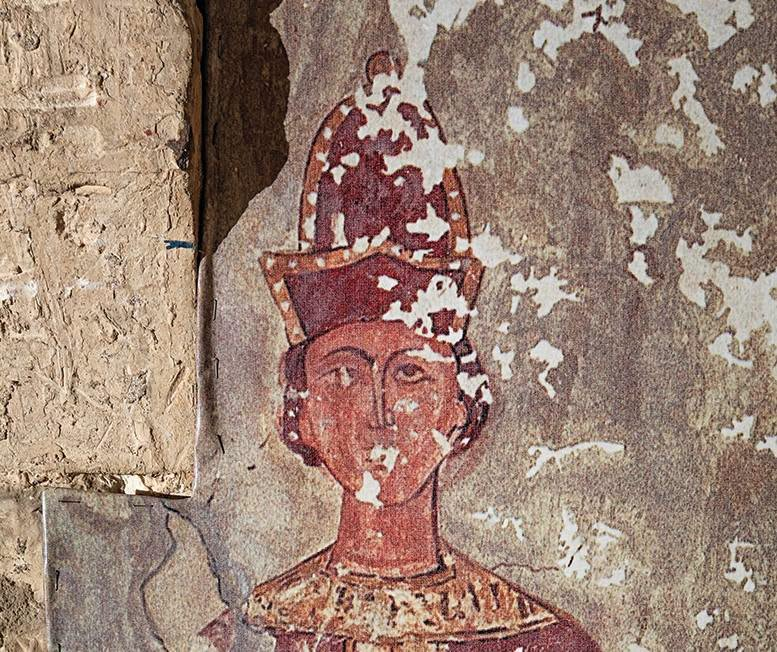
@DucDeVinny A terrible empress, erroneously viewed as the restorer of icon veneration—when in fact it was Theodora the Armenian who definitively restored the veneration of icons and was also a far more competent empress than Irene.
@Roni_Alves053@oficialsincerao Vai abaixo porque é um bagre superestimado falando, na semi final da Champions se provou isso quando foi anulado pelo Nuno Mendes, e quem brilhou foi o Kvara humilhando a carreta do Upamecano
@GabrielCam14985@fachopxt > Quase nada do meu perfil que eu retweeto é católico, só mostra o quanto você é burro
> A doutrina católica afirma explicitamente que seguir a Cristo é possível apenas fazendo parte do corpo da Igreja, e que fora dela não há salvação
Tu que não entende porra nenhuma.
@emperorwaffen@TheMaronite@moorishmoroccan There is no such thing as Arab Christians; they are either Assyrian or Syriac. Arabs have no historical or cultural connection to Christianity; they lived in the deserts of Arabia and were pagans until they converted to Islam.
@TheGloriousLion They also allied themselves with David IV under the leadership of Otrok, and together they defeated the Seljuks, enabling the Georgians to liberate their lands in the east as well as some Armenian territories. David IV even married Otrok's daughter.
@antinomlenda Porque elas são prostitutas, não caia nessa propaganda da NR que os russos são um povo tradicional. Um amigo meu georgiano diz que em Tbilissi na Geórgia está cheio de prostitutas russas.
Did you know?
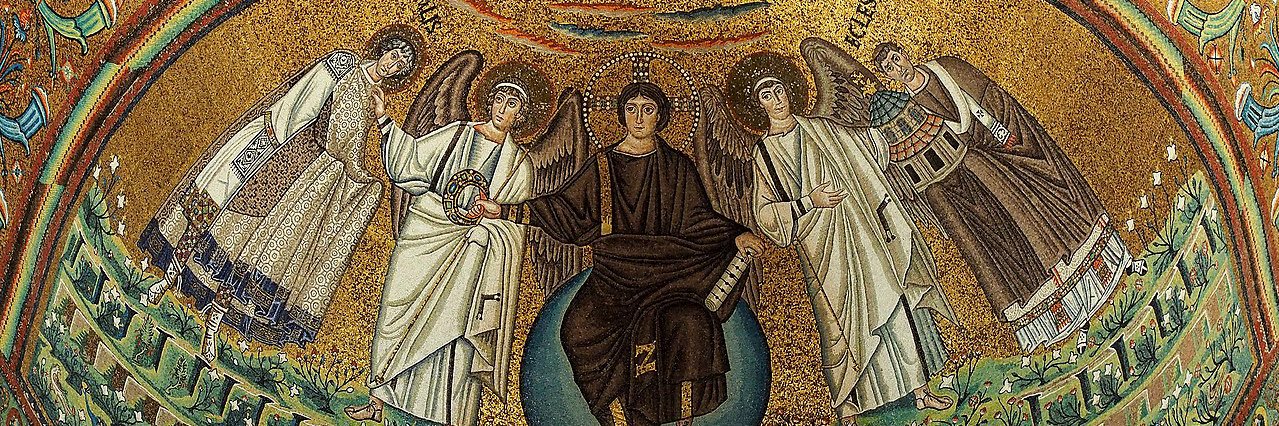
In one of those fascinating quirks of history, emperor Justinian I - also known as "The Great" - was born on 11 May 482 AD, on Constantinople’s birthday, 152 years after the City was founded.
He would later devote much of his reign to restoring the Roman Empire.
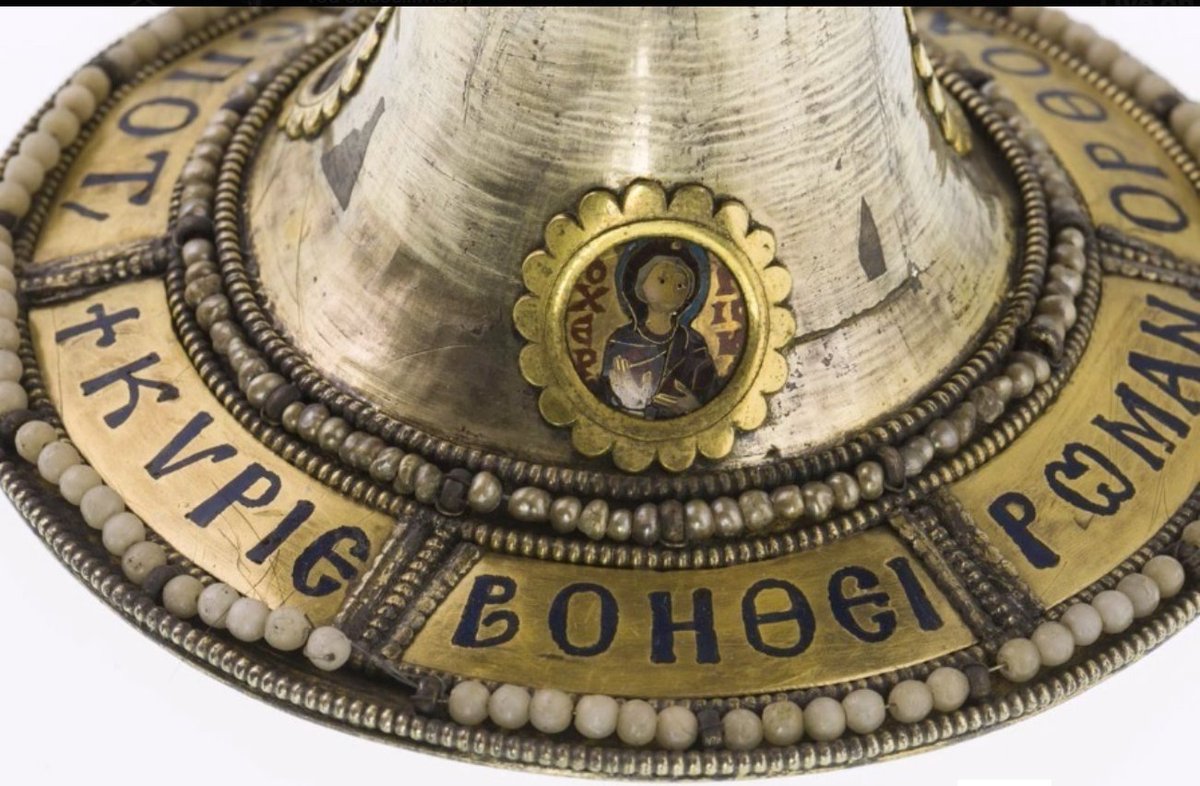
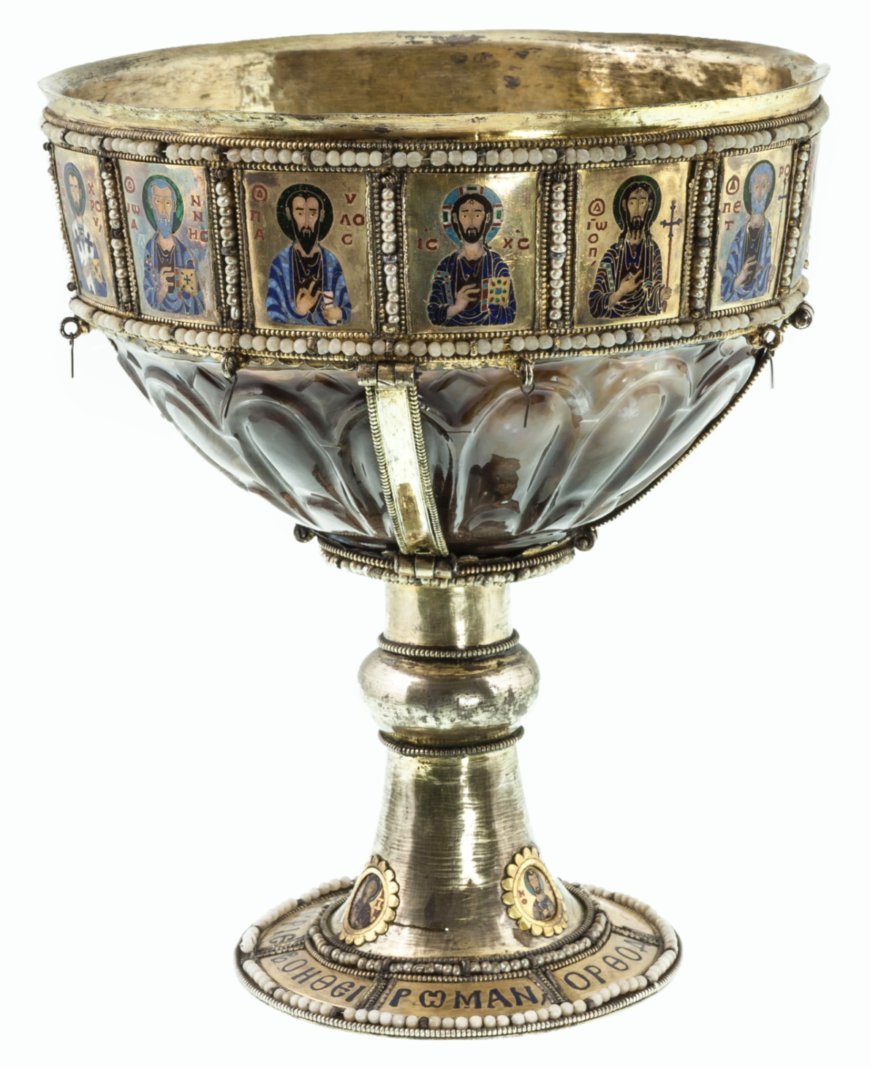
"Lord help Romanos, the Orthodox ruler."
Catching a glimpse of the inscriptions on the vessel, worshippers might have spoken the inscribed prayer on behalf of the Roman emperor.
Did this chalice belong to emperor Romanos I Lakapenos, or young Romanos II, it s not known.
What IS known is that this chalice, along with multitude of other precious objects and relics, was looted during the infamous Sack of Constantinople in 1204.
Now in Treasury of San Marco in Venice.
Emperor John VIII Palaiologos totally rocking that Georgian hat in this bronze bust cast in Florence in 1439.
Georgian noble wearing it too.
Eustathius of Thessalonica and Niketas Choniates claim that the origin of this hat is Georgian. It was popular in Byzantium and Trebizond