Curtis Chang is one of the most excellent interviewers out there! you’re not going to want to miss this interview when it comes out on the @GoodFaith podcast
We found a few friends we normally only see on Zoom at Pepperdine! You’ll recognize a few regulars & a sneak peak of an upcoming guest. 👀
Bonus points to any movie buffs that can guess what book our next episode with Jessica Hooten Wilson will be on!(Hint: 🌊🔱⚔️🏛️📜)
Can you love your country without making it an idol? It's a harder question than it sounds. Because many of us do love America, and most of us feel the grief in it, too.
Join us live. June 22nd, 4pm ET. Register here: https://t.co/4DhmD8JsRT
Don't miss our last info session of the month! 30 minutes: a brief walkthrough of The After Party and a chance to ask any and all of your questions. Join us. https://t.co/vaAFlEtN9w
Leading a group through The After Party? We set aside three times this month to answer your questions.
Tonight, 8pm ET. Tomorrow, 4pm ET. And May 28.
Bring whatever's on your mind—logistics, facilitation, start dates, anything. Sign up: https://t.co/GL94S78130
We've read every "5 Steps to a Better You" book. And we're still tired.
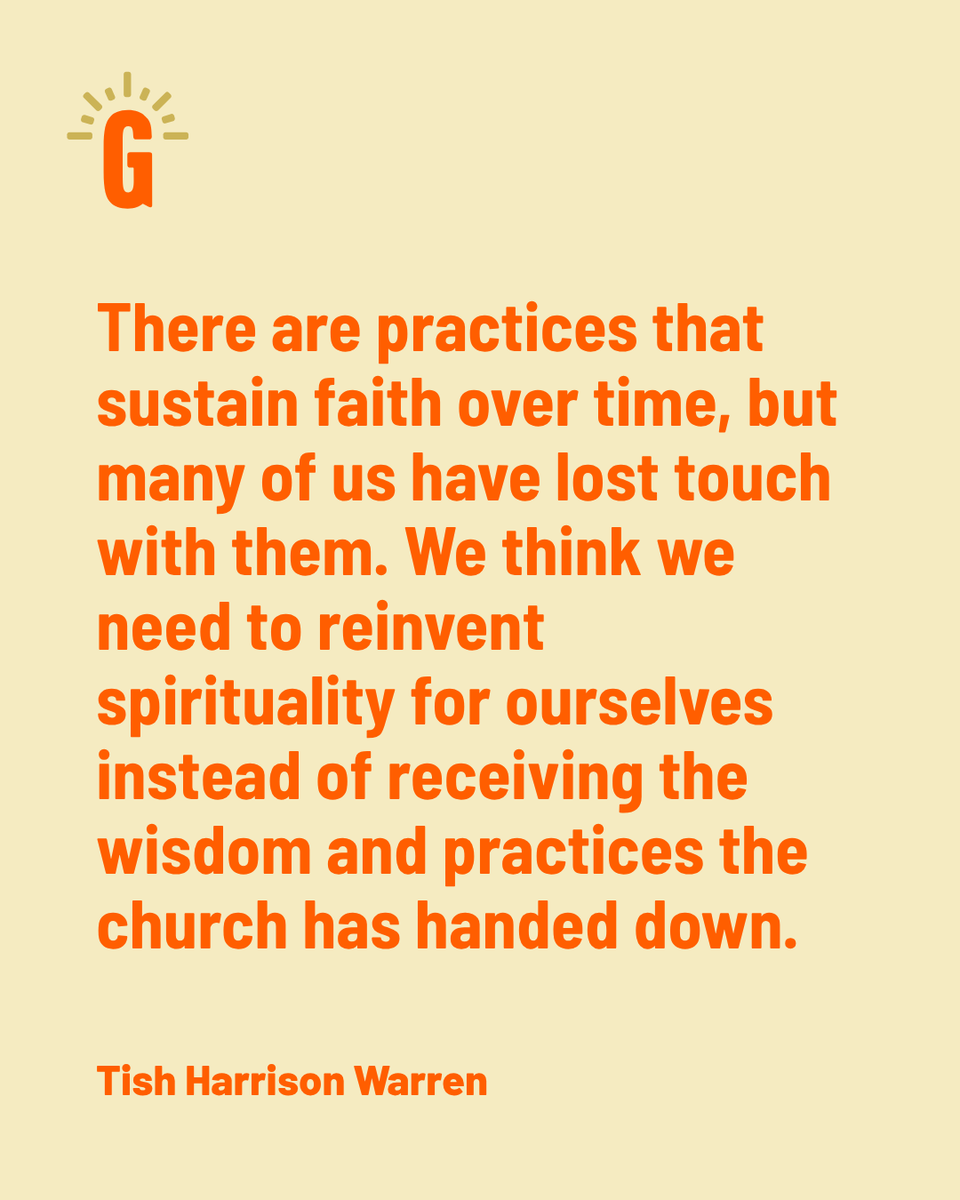
Tish Harrison Warren said something this week that's been sitting with us: we keep trying to reinvent the wheel. Don't miss our conversation: https://t.co/xzggrFiQpb
We talk a lot about “the Church.” But Scripture gives us a different picture than we often live out. Not a group of like-minded people, but a body.
Connected. Dependent. Responsible for one another. Which means division isn’t just disagreement. It’s a kind of disconnection—a forgetting that we belong to each other.
“If one part suffers, every part suffers with it…” That’s a much higher calling than just getting along. It’s learning to care for one another like we’re actually part of the same body.
We’re used to asking how the world works.
But what if the deeper question is: what is it saying?
Malcolm Guite reframes reality in our latest bonus episode—not as a machine, but as meaning spoken into being. Listen in now. https://t.co/5UuXP5L6vN
It’s easy to slip into an “us vs. them” way of seeing the world.
Clear lines. Clear enemies. A clear sense of who’s right. But the longer we stay there, the harder it becomes to live the way Jesus calls us to.
To love our neighbor. To pray for those who oppose us. To exist for others, not just for ourselves.
Bonhoeffer once said, “The Church is the Church only when it exists for others.”
That raises a hard question: Can we actually be the church for others, if we’re always focused on the fight against one another? Or are we being shaped more by conflict than by Christ?
That kind of church doesn’t happen automatically. It’s something we become, over time, as we follow Him together.
So it’s worth asking: What does it mean to be the Church right now? (2/2)
We use the word “church” all the time.
But depending on the week, it can start to mean very different things. A place. A tribe. A set of shared instincts. A group we feel aligned with. Jesus had something deeper in mind.
A people being formed. A body learning to love. A community that exists not just for itself—but for others. (1/2)
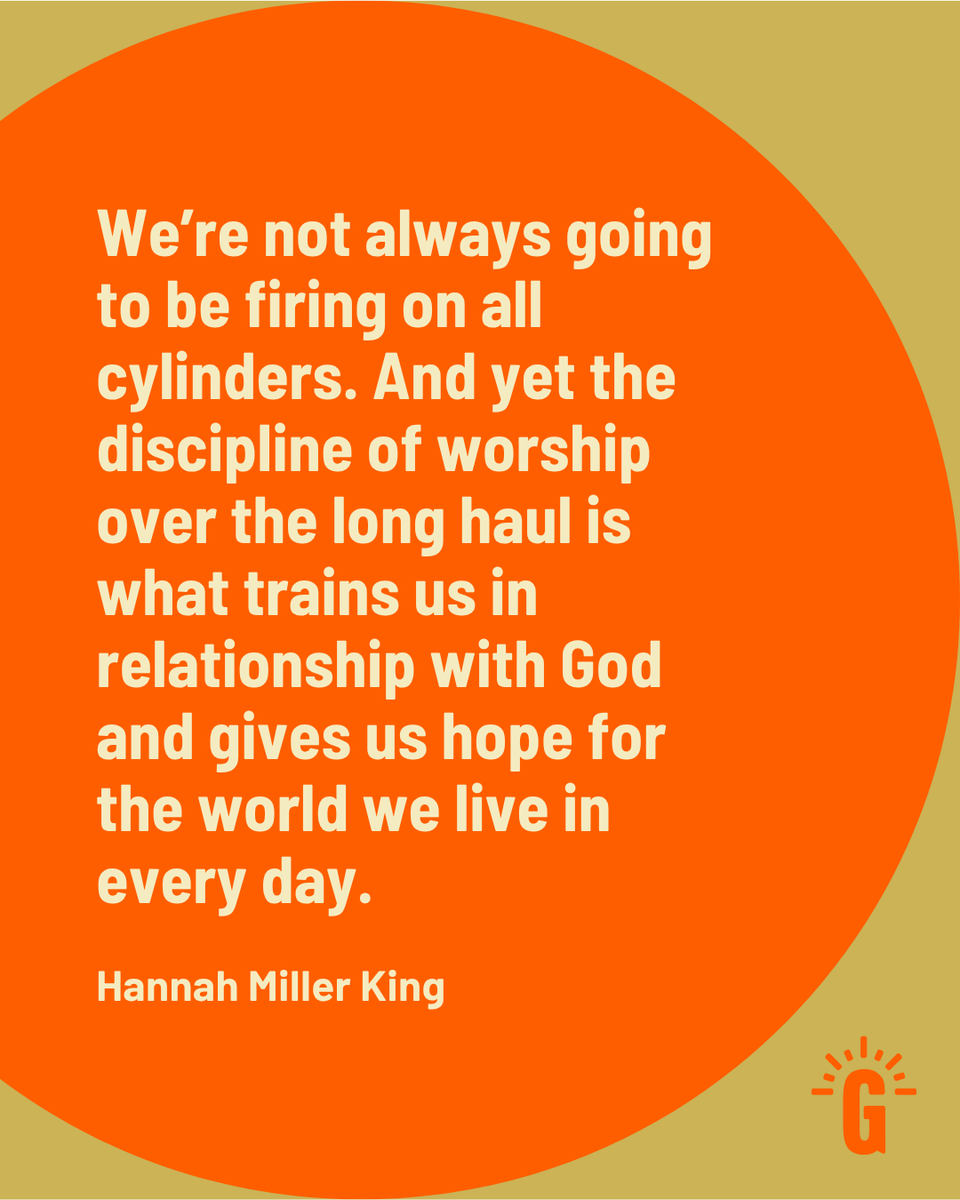
Turns out faith isn’t about having a perfect week (or even a decent one). It’s about showing up, again and again, and letting God do the slow work of forming hope in us.
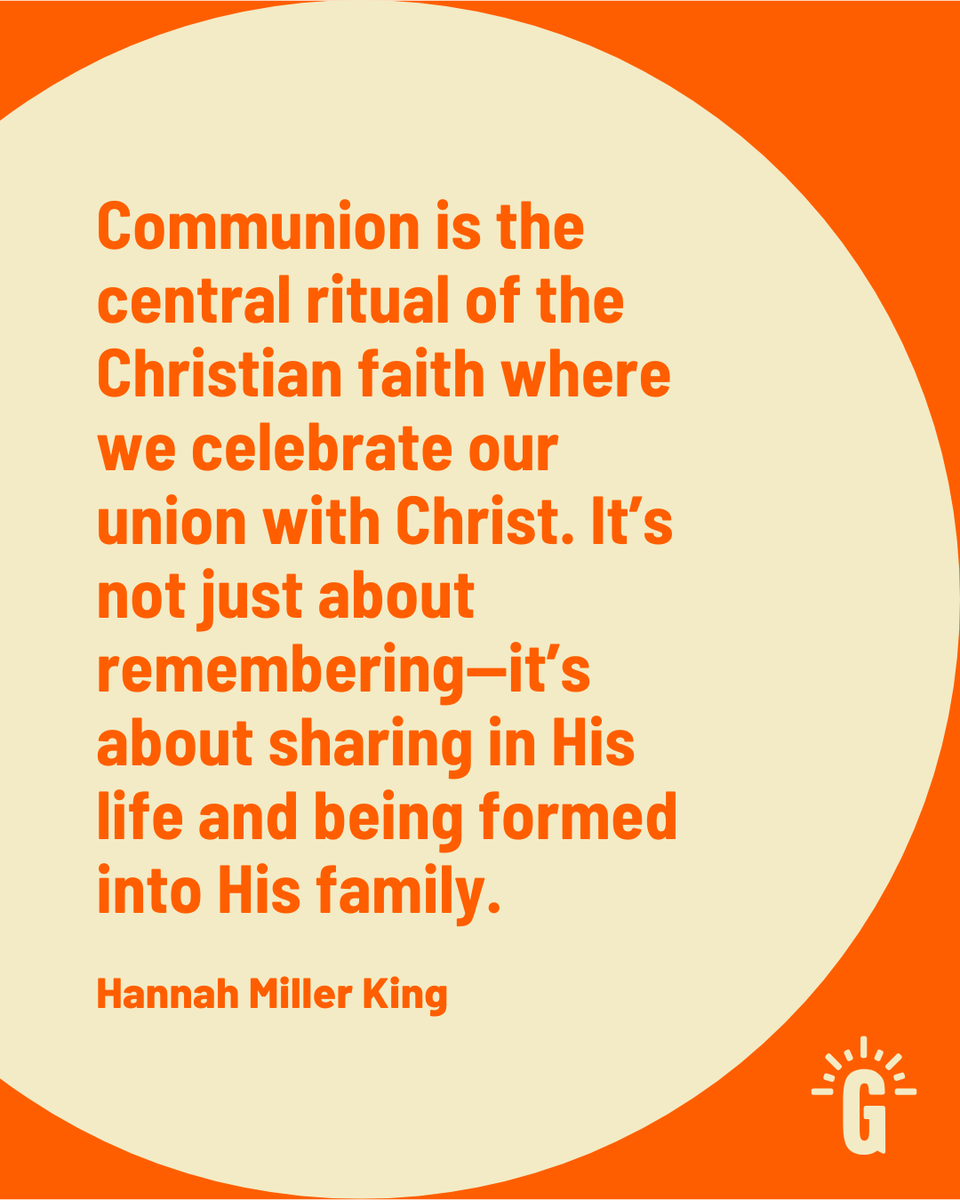
Hannah Miller King explains this beautifully in her conversation with Curtis about communion. Listen in.
We’re not just remembering something at communion, we’re being reshaped by it.
In this episode, Hannah Miller King unpacks how the table of God forms us to resist consumer culture, receive grace, and carry hope into a weary world. https://t.co/QXvFdMlPfg
So much of our parenting (and honestly, our inner lives) is shaped by the quiet assumption that capability is something we have to build from scratch—that courage, resilience, and strength are things we have to summon when life gets hard. What if that’s not the starting point?
What if understanding God requires more than just reason?
In this special bonus episode, Malcolm Guite invites us to recover a “baptized imagination,” showing how poetry doesn’t just accompany theology, it can actually do theology. https://t.co/5UuXP5L6vN
We’ve taught kids how to feel, and we’ve taught them what to believe. But we haven’t always shown them how those two connect.
This episode is about closing that gap. Don't miss this conversation! https://t.co/MzsmY8PoRt