To everyone who helped bring the Obama Presidential Center to life, thank you. Michelle and I are so grateful for all your dedication and hard work over the years.
I got a little teary-eyed tonight thinking about my mother-in-law, Marian Robinson.
BREAKING: A joint security team led by the CID, with support from @MODVA_UPDF and other security agencies, has raided former Speaker @AnitahAmong’s residence following a corruption probe into alleged illicit enrichment and money laundering.
#NBSUpdates
❝As EOC, we extend appreciation to CEHURD and all stakeholders who participated in this important UPR capacity building workshop. The discussions and knowledge have strengthened our collective understanding of human rights monitoring, reporting and advocacy within the UPR framework.
EOC re-affirms commitment to promoting equality, non-discrimination and inclusive development in Uganda. We recognize that effective engagement in the UPR process requires continued collaboration, evidence-based reporting and sustained capacity development among state and non-state actors.
Fast forward, we encourage all participants to translate the insights gained into concrete actions that advance accountability and improve the realization of human rights for all, especially the marginalized and vulnerable groups.
Together, we can ensure that Uganda’s commitments under the UPR lead to meaningful and measurable progress as the process continues.❞
Hon. Counsel Waira Juma, Legal Services and Investigations – @EOC_UG
#UPR4thCycle
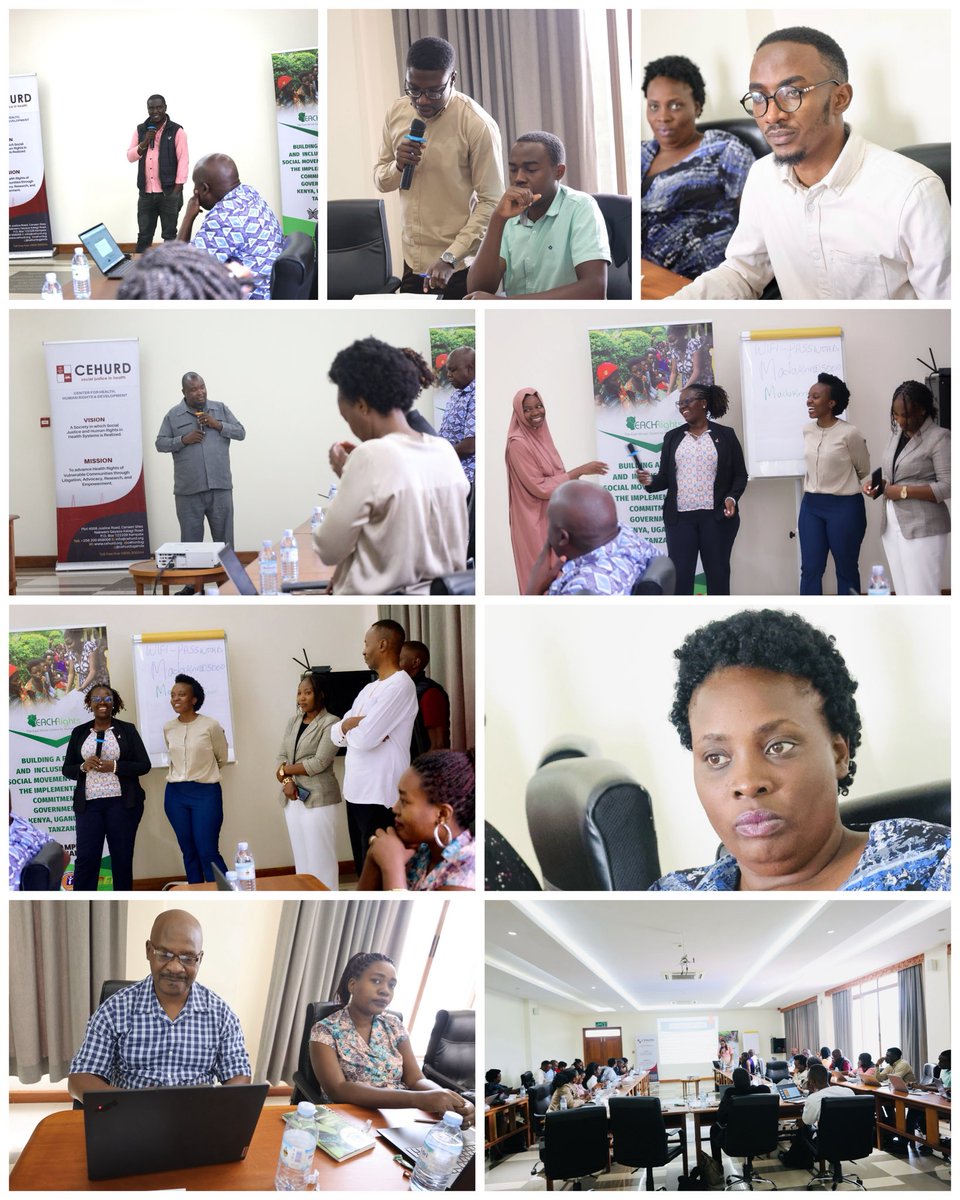
Participants in the 𝗿𝗲𝗽𝗼𝗿𝘁 𝗱𝗲𝘃𝗲𝗹𝗼𝗽𝗺𝗲𝗻𝘁 𝗿𝗲𝘁𝗿𝗲𝗮𝘁 𝗳𝗼𝗿 𝗨𝗴𝗮𝗻𝗱𝗮’𝘀 𝟰𝘁𝗵 𝗖𝘆𝗰𝗹𝗲 𝘂𝗻𝗱𝗲𝗿 𝘁𝗵𝗲 𝗨𝗻𝗶𝘃𝗲𝗿𝘀𝗮𝗹 𝗣𝗲𝗿𝗶𝗼𝗱𝗶𝗰 𝗥𝗲𝘃𝗶𝗲𝘄 (𝗨𝗣𝗥), broke into group discussions to identify priority #SRHR issues shaping the country’s submission, drawing directly from community realities and the barriers affecting implementation.
Each group was guided to ground their analysis in lived realities, linking problems to causes, effects, legal frameworks, data, and practical recommendations.
The discussions were structured around a few key questions: Where is your community? What is the most pressing SRHR issue? What is driving it? What are the consequences? Which national laws and international obligations are implicated? What evidence exists? And importantly, what should government or recommending states do differently?
Across the groups, a set of priorities and concerns emerged:
▪️Limited research on women’s reproductive health continues to weaken evidence-based interventions. ▪️Access to SRHR services remains uneven, particularly for minorities and marginalized groups. ▪️Funding gaps are affecting the availability of essential SRHR commodities and services. ▪️A shrinking civic space is constraining the work of SRHR actors and advocates. ▪️Information gaps persist, especially where communication is not inclusive or accessible. ▪️Male engagement in reproductive health remains low, limiting shared responsibility. ▪️Age-based discrimination continues to affect access to contraceptive services.
Other critical issues raised included the lack of SRHR services for the elderly, and the growing intersection between climate change and SRHR outcomes. Participants also highlighted obstetric violence in health facilities, medical misogyny, low uptake of self-care interventions, and judicial barriers that slow or block progress on SRHR.
Concerns around safety and dignity also came through strongly, with participants pointing to the lack of safe spaces and the persistent barriers that prevent teenage mothers from returning to school.
𝙏𝙝𝙚𝙨𝙚 𝙞𝙣𝙨𝙞𝙜𝙝𝙩𝙨 𝙖𝙧𝙚 𝙨𝙝𝙖𝙥𝙞𝙣𝙜 𝙖 𝙢𝙤𝙧𝙚 𝙜𝙧𝙤𝙪𝙣𝙙𝙚𝙙, 𝙥𝙚𝙤𝙥𝙡𝙚-𝙘𝙚𝙣𝙩𝙚𝙧𝙚𝙙 𝙨𝙚𝙩 𝙤𝙛 𝙥𝙧𝙞𝙤𝙧𝙞𝙩𝙞𝙚𝙨 𝙩𝙤 𝙞𝙣𝙛𝙤𝙧𝙢 𝙐𝙜𝙖𝙣𝙙𝙖’𝙨 4𝙩𝙝 𝘾𝙮𝙘𝙡𝙚 𝙐𝙋𝙍 𝙧𝙚𝙥𝙤𝙧𝙩 𝙖𝙣𝙙 𝙨𝙩𝙧𝙚𝙣𝙜𝙩𝙝𝙚𝙣 𝙖𝙙𝙫𝙤𝙘𝙖𝙘𝙮 𝙜𝙤𝙞𝙣𝙜 𝙛𝙤𝙧𝙬𝙖𝙧𝙙.
#UPR4thCycle
❝As I reflect on our current position, I recognize that the Universal Periodic Review (#UPR) is a unique mechanism. It allows us to do more than point out gaps; it provides a platform to share what we have done as a country and to receive recommendations from other states on how to strengthen the protection and advancement of human rights for all.
To succeed in this cycle, we must move beyond rhetoric and produce a rigorous, evidence-based report that clearly answers the critical question: what is your evidence? This requires credible, well-documented data.
I encourage you to leverage your existing connections with diplomatic missions to help shape recommendations that Uganda can take on to advance SRHR.
Once these recommendations are adopted, the task ahead will be to hold government accountable for their implementation and to track and report progress in the next cycle.
This process, in its uniqueness, offers a clear pathway for influence and accountability, one we must use effectively to advance our SRHR commitments as a country.❞
~ Ms @Nakibuukam , our Deputy Executive Director, remarks during a report development retreat for 𝗨𝗴𝗮𝗻𝗱𝗮’𝘀 𝟰𝘁𝗵 𝗖𝘆𝗰𝗹𝗲 𝘂𝗻𝗱𝗲𝗿 𝘁𝗵𝗲 𝗨𝗻𝗶𝘃𝗲𝗿𝘀𝗮𝗹 𝗣𝗲𝗿𝗶𝗼𝗱𝗶𝗰 𝗥𝗲𝘃𝗶𝗲𝘄.
#UPR4thCycle
CEHURD is convening a report development retreat for Uganda’s 4th Cycle under the Universal Periodic Review (UPR), ahead of submission to the Office of the United Nations High Commissioner for Human Rights.
This retreat brings together civil society actors to deepen understanding of the #UPR mechanism, reflect on Sexual and Reproductive Health and Rights (SRHR) recommendations from Uganda’s 3rd Cycle, and collaboratively develop a strong, evidence-based submission for the 4th Cycle.
The report will examine a range of human rights issues with direct implications for the right to health, including SRHR, HIV, Female Genital Mutilation (FGM), teenage pregnancies, mental health, disability rights, as well as intersections with education and climate change.
Through this process, partners are contributing technical expertise from their respective areas of focus, strengthening collective advocacy and positioning civil society to more effectively engage duty bearers and advance accountability on Uganda’s SRHR commitments.
𝘛𝘩𝘦 𝘜𝘯𝘪𝘷𝘦𝘳𝘴𝘢𝘭 𝘗𝘦𝘳𝘪𝘰𝘥𝘪𝘤 𝘙𝘦𝘷𝘪𝘦𝘸 (𝘜𝘗𝘙), 𝘭𝘦𝘥 𝘣𝘺 𝘵𝘩𝘦 𝘜𝘯𝘪𝘵𝘦𝘥 𝘕𝘢𝘵𝘪𝘰𝘯𝘴 𝘏𝘶𝘮𝘢𝘯 𝘙𝘪𝘨𝘩𝘵𝘴 𝘊𝘰𝘶𝘯𝘤𝘪𝘭, 𝘪𝘴 𝘢 𝘨𝘭𝘰𝘣𝘢𝘭 𝘱𝘦𝘦𝘳-𝘳𝘦𝘷𝘪𝘦𝘸 𝘱𝘳𝘰𝘤𝘦𝘴𝘴 𝘸𝘩𝘦𝘳𝘦 𝘦𝘷𝘦𝘳𝘺 𝘜𝘕 𝘮𝘦𝘮𝘣𝘦𝘳 𝘤𝘰𝘶𝘯𝘵𝘳𝘺’𝘴 𝘩𝘶𝘮𝘢𝘯 𝘳𝘪𝘨𝘩𝘵𝘴 𝘳𝘦𝘤𝘰𝘳𝘥 𝘪𝘴 𝘳𝘦𝘷𝘪𝘦𝘸𝘦𝘥 𝘦𝘷𝘦𝘳𝘺 𝘧𝘰𝘶𝘳 𝘵𝘰 𝘧𝘪𝘷𝘦 𝘺𝘦𝘢𝘳𝘴. 𝘐𝘵 𝘢𝘭𝘭𝘰𝘸𝘴 𝘨𝘰𝘷𝘦𝘳𝘯𝘮𝘦𝘯𝘵𝘴, 𝘤𝘪𝘷𝘪𝘭 𝘴𝘰𝘤𝘪𝘦𝘵𝘺, 𝘢𝘯𝘥 𝘰𝘵𝘩𝘦𝘳 𝘴𝘵𝘢𝘵𝘦𝘴 𝘵𝘰 𝘢𝘴𝘴𝘦𝘴𝘴 𝘱𝘳𝘰𝘨𝘳𝘦𝘴𝘴, 𝘳𝘢𝘪𝘴𝘦 𝘤𝘰𝘯𝘤𝘦𝘳𝘯𝘴, 𝘢𝘯𝘥 𝘳𝘦𝘤𝘰𝘮𝘮𝘦𝘯𝘥 𝘢𝘤𝘵𝘪𝘰𝘯𝘴 𝘧𝘰𝘳 𝘪𝘮𝘱𝘳𝘰𝘷𝘦𝘮𝘦𝘯𝘵, 𝘩𝘦𝘭𝘱𝘪𝘯𝘨 𝘴𝘵𝘳𝘦𝘯𝘨𝘵𝘩𝘦𝘯 𝘢𝘤𝘤𝘰𝘶𝘯𝘵𝘢𝘣𝘪𝘭𝘪𝘵𝘺 𝘢𝘯𝘥 𝘩𝘶𝘮𝘢𝘯 𝘳𝘪𝘨𝘩𝘵𝘴 𝘱𝘳𝘰𝘵𝘦𝘤𝘵𝘪𝘰𝘯 𝘸𝘰𝘳𝘭𝘥𝘸𝘪𝘥𝘦.
#UPR
#UPR4thCycle
❝This is the first time we are implementing a regional UPR project. Unless human rights are realised by the person in Masaka, they are not worth the paper they are written on.❞
Mr. Gilbert Onyango | ED @EACHRights delivering an introduction to the Universal Periodic Review (UPR), setting the tone for the development of the report for 𝗨𝗴𝗮𝗻𝗱𝗮’𝘀 𝟰𝘁𝗵 𝗖𝘆𝗰𝗹𝗲 𝘂𝗻𝗱𝗲𝗿 𝘁𝗵𝗲 𝗨𝗻𝗶𝘃𝗲𝗿𝘀𝗮𝗹 𝗣𝗲𝗿𝗶𝗼𝗱𝗶𝗰 𝗥𝗲𝘃𝗶𝗲𝘄.
His remarks highlighted the core mission of EACHRights, which is grounded in the recognition that systemic inequalities prevent marginalized communities from accessing basic rights and influencing policy.
To address this, the strategy assumes that providing these groups with essential knowledge, resources, and platforms - combined with coordinated, rights-based interventions to dismantle structural barriers - will empower them to become effective agents of change and drivers of social justice.
The #UPR functions as a continuous and cooperative accountability mechanism rather than a single event, requiring states to undergo a comprehensive human rights assessment every five years. This intergovernmental process centers on an interactive dialogue that incorporates input from diverse stakeholders to ensure the review remains grounded in reality.
During the session, Mr. Onyango shared the core objectives of the Universal Periodic Review (UPR), focusing on the following pillars:
▪️Enhancing Accountability: Encouraging states to publicly assess and respond to their human rights performance.
▪️Universality and Non-Selectivity: Reviewing every UN Member State under the same framework to ensure fairness and equal treatment.
▪️Dialogue and Cooperation: Promoting the exchange of best practices and identifying where technical assistance is required to improve human rights conditions.
▪️Supporting National Implementation: Ensuring recommendations are integrated into national planning through consistent follow-up and reporting.
#UPR4thCycle
We kicked off Day 2 of 𝘁𝗵𝗲 𝗨𝗣𝗥 𝗿𝗲𝗽𝗼𝗿𝘁 𝗱𝗲𝘃𝗲𝗹𝗼𝗽𝗺𝗲𝗻𝘁 𝗿𝗲𝘁𝗿𝗲𝗮𝘁 𝗳𝗼𝗿 𝗨𝗴𝗮𝗻𝗱𝗮’𝘀 𝟰𝘁𝗵 𝗖𝘆𝗰𝗹𝗲 𝘂𝗻𝗱𝗲𝗿 𝘁𝗵𝗲 𝗨𝗻𝗶𝘃𝗲𝗿𝘀𝗮𝗹 𝗣𝗲𝗿𝗶𝗼𝗱𝗶𝗰 𝗥𝗲𝘃𝗶𝗲𝘄 (𝗨𝗣𝗥) with a presentation and reflection on the 3rd Cycle review, focusing on SRHR recommendations from previous cycles.
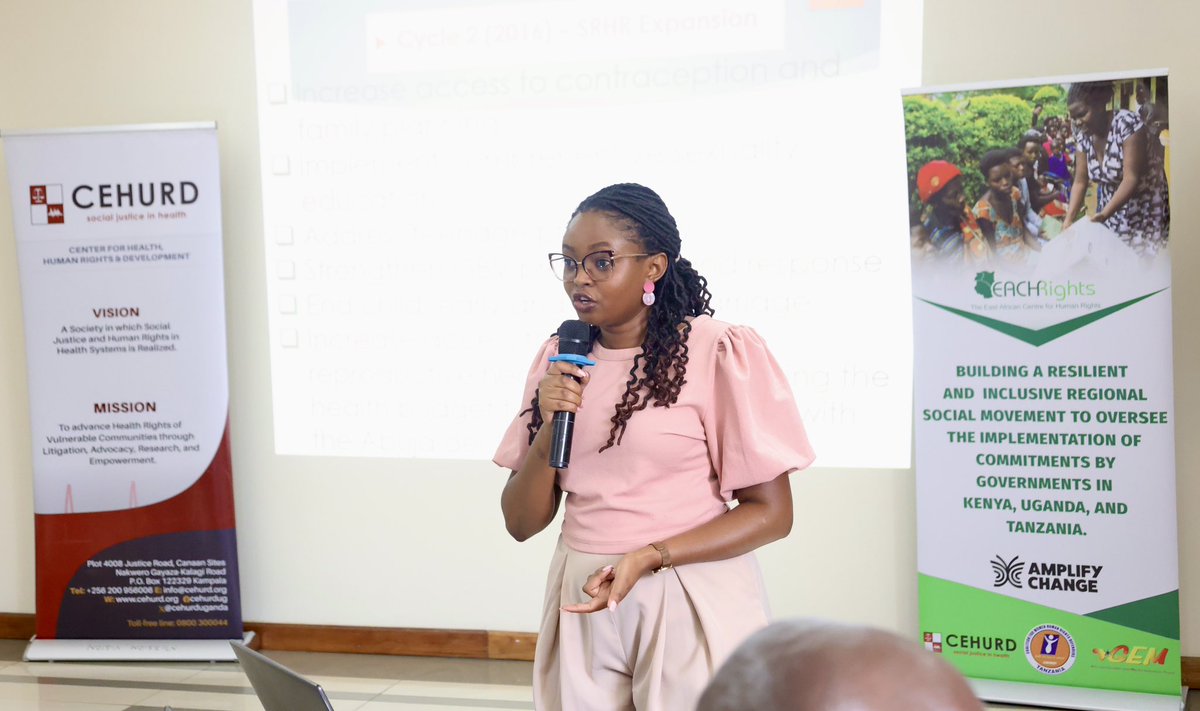
Lois Mwaniki from @EACHRights - Kenya, led a session unpacking Uganda’s SRHR UPR recommendations across Cycles 1, 2, and 3 (2011, 2016, 2022). The discussion examined trends, progress, and recurring issues, including shifts in focus, changes in recommendation volumes, and key thematic priorities over time.
A few patterns stood out clearly. There has been a shift from a purely health-centered approach to a more rights-based framing of SRHR. There is growing attention to adolescents and young people, alongside increased focus on marginalized and vulnerable populations. Gender-based violence remains a dominant issue, accounting for roughly 28% of SRHR-related recommendations across cycles.
Looking back at Cycle 1 (2011), the priorities were largely foundational: reducing maternal mortality, improving access to reproductive health services, addressing gender-based violence, eliminating harmful practices such as FGM and early marriage, and strengthening the HIV/AIDS response.
These reflections are helping shape a more grounded and evidence-based approach to Uganda’s 4th Cycle #UPR report.
#UPR4thCycle
. I will marry once and marry right
. My career path will be successful
. My life will be fruitful
. My children will be raised right
. I will not die prematurely
. I will not be absent in my children’s life
. I will be wealthy
. My parents will not be missing when I make it in life.
Real Luxuries in Life
1. Living 10 minutes from work
2. Living 5 minutes from the gym
3. Having quiet neighbors
4. Having money left at the end of the month and investing it
5. Peace at home
6. Drinking coffee without rushing
7. Sleeping with a clear conscience
8. Laughing with people who truly get you
9. Traveling often for vacations
10. Waking up naturally without an alarm
11. Enjoying a home-cooked meal with loved ones
12. Having time to read a book in one sitting
13. Finding joy in simple daily routines
14. Having a pet that greets you happily at the door
These are the things that actually feel rich.