This is a great resource @UMR4NIH but please include Puerto Rico and other US territories here. Puerto Rico receives substantial funds from the NIH, the population is larger than 20 states and is a significant contributor to the scientific workforce. Pls do not invisibilize it
In May 2000, with the generation of a working draft sequence of the human genome nearly complete, Human Genome Project scientists (including myself) started speculating about the number of human genes.
(1/4) I’m delighted to announce that our research on RNU4-2 is now out on @Nature . This is an exciting finding that will bring many diagnoses worldwide. We have updated some new results since the preprint: https://t.co/zohcc2fGGT
Our semiautomated pipeline approach, RENEW, allows prioritization and rapid reanalysis of unsolved exome/genome sequencing data. This will help with the ever growing problem of undiagnosed rare cases undergoing these tests. #MayoClinic#CIM#raredisease
https://t.co/Sgrj6isuL9
The #gnomAD v3 papers are now published! This includes the non-coding constraint paper (https://t.co/akE9LGWymJ) & inferring compound heterozygosity paper (https://t.co/1Gw1sTrxWI). Congratulations to everyone who contributed to this valuable work! (1/2)
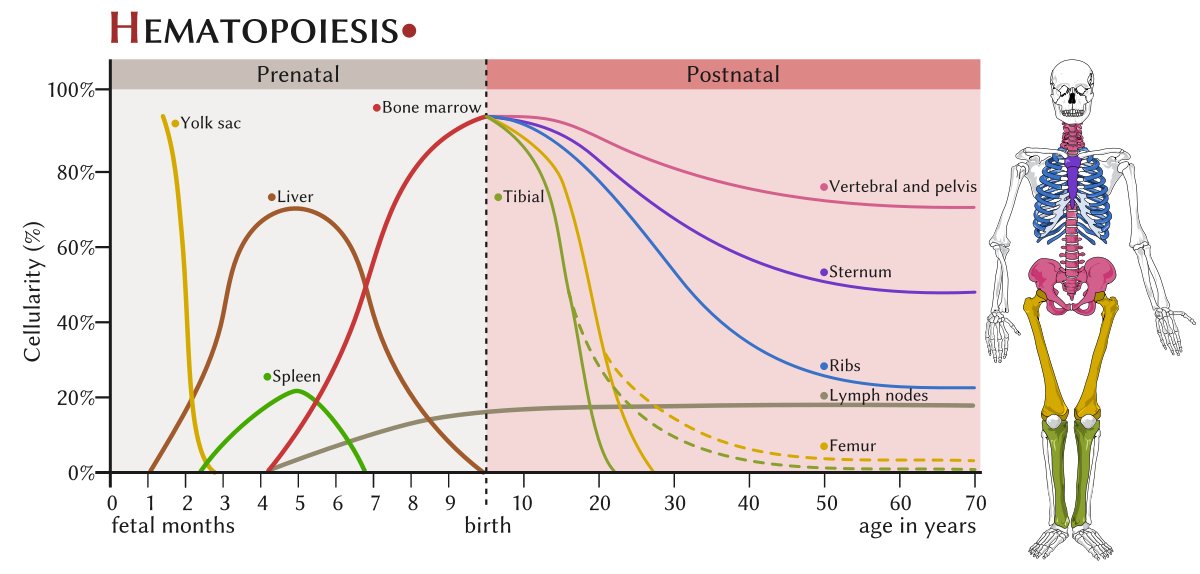
Did you ever wonder why our marrow is located inside of our *bones*, #MedTwitter? There’s no a priori anatomical reason it should be sited there. Blood cells could form in our spleens & livers, as they do during our fetal lives; or elsewhere, as in some animals. Let’s discuss! /1
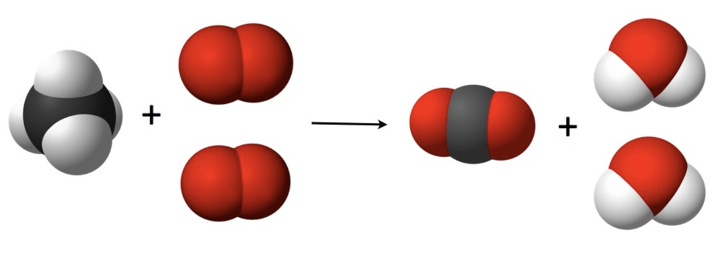
out today in @NatureGenet 🎉!!! our study applying a simple physical principle (mass balance) to deconstruct the notion that you need long reads to detect large variants in cancer https://t.co/Qivbjnd3Km 1/🧶
The FDA's proposed rule on #LDPs will disrupt patient access to critical diagnostics. FDA NEEDS to get this policy right. AMP and over 90 other organizations urge FDA to extend the deadline! #LDTs https://t.co/UDryO2XfaB #molpath#pathX
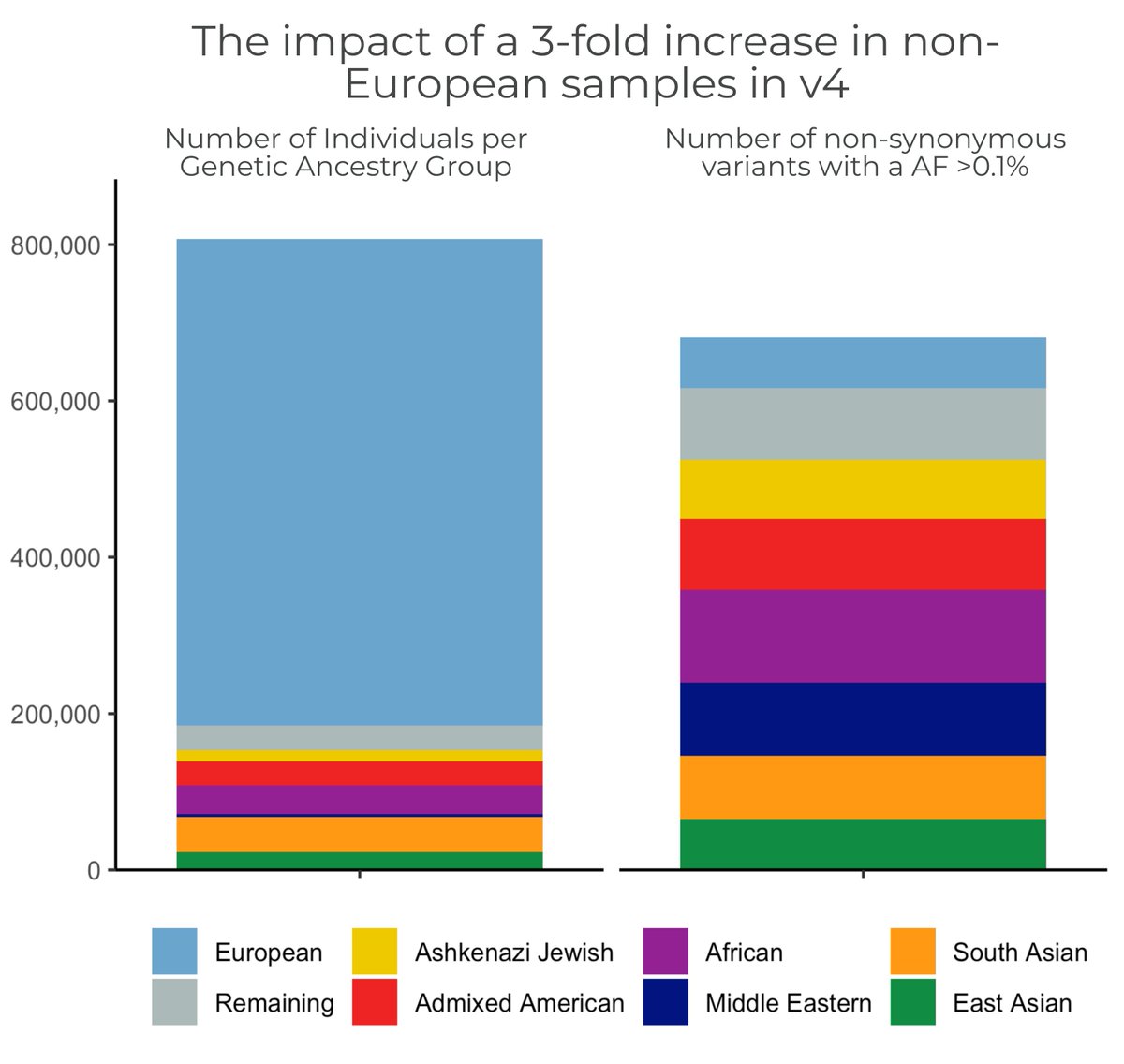
The #gnomAD team is proud to announce the release of gnomAD v4! The v4 dataset includes 730,947 exomes & 76,215 genomes, which is ~5x larger than the v2 & v3 releases combined, & includes nearly 120K indivs of non-European genetic ancestry https://t.co/YKXIFlZwSi #ASHG23 (1/11)
Two papers out from the group today. The first in @LIjournal "Visual assessment of 2D levels within 3D pathology datasets of prostate needle biopsies reveals substantial spatial heterogeneity". Work with @jonliu123 and colleagues.
https://t.co/IrogS7Jcrs
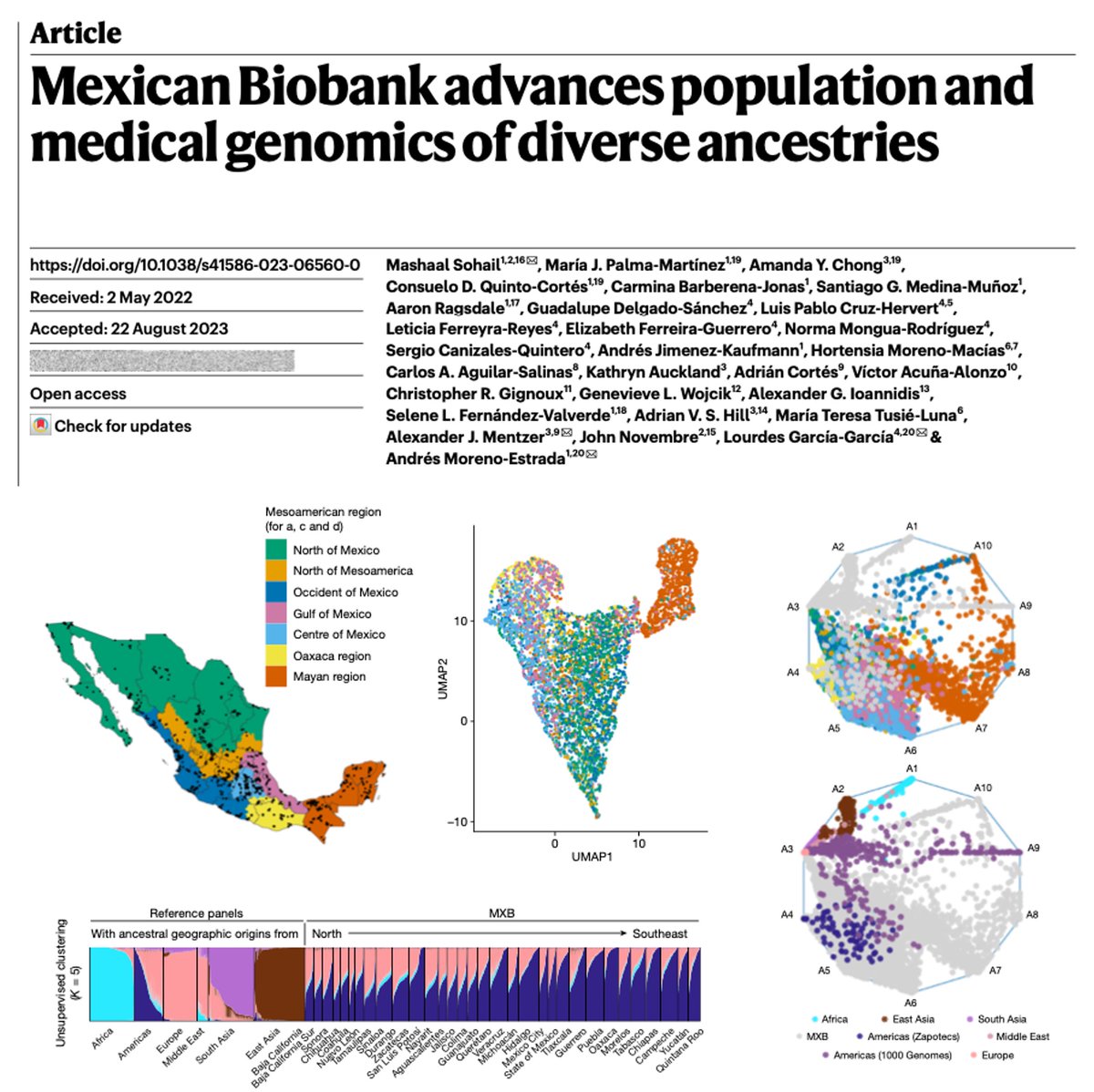
The MX Biobank paper is out today in @Nature! This is the first national-scale genomic database in Mexico and the largest independent project led by my lab @cinvestav since I returned to my home country to help building local capacity. https://t.co/uXt4xhYkhT
Our paper is out in @nature! This is from a @cshlbanbury meeting where a group of scientists got together to ask, can we ever identify the complete set of human genes? And how do we do that? with @elapertea@av_sparrow@carninci and many others https://t.co/YWXUcCAfFy
In this paper (free version here https://t.co/8gYNcaRxmu) we looked at 1.5 million genetic tests on symptomatic people: Over 30% were inconclusive due to VUS. But genomic tests had a lower VUS rate than panel tests because we only put the stronger evidence VUS on reports! 1/3
AMP statement: If finalized, FDA's proposed rule will impede the ability of clinical laboratories to rapidly develop, validate, and offer high-quality, innovative laboratory developed testing procedures (#LDPs) for patient care. https://t.co/MC0f2a7xyn #LDTs#molpath#pathX