WILLOW SMITH IS LISTENING TO MAPFUMO! Zimbabwe’s Chimurenga legend Thomas Mapfumo has made it onto WILLOW’s playlist.
The American singer recently shared some of her latest music discoveries with Pigeons & Planes and among her picks was Mapfumo’s classic “Ndanzwa Ngoma Kurira.”
Daughter of Hollywood stars Will Smith and Jada Pinkett Smith, WILLOW is a Grammy-nominated artist who first broke globally with “Whip My Hair.”
Decades later, Mukanya’s music is still travelling, still being discovered and still finding new ears across generations.
Dennis Bergkamp: “When you start supporting a football club, you don’t support it because of the trophies, or a player, or history; you support it because you found yourself somewhere there, found a place where you belong.” ❤️🔥🏡
🇫🇷 Endrick has been in France for just 4 months and he's given a whole interview in French.
And just watch his translator, she's so proud of him for being brave and doing it.
DID YOU KNOW
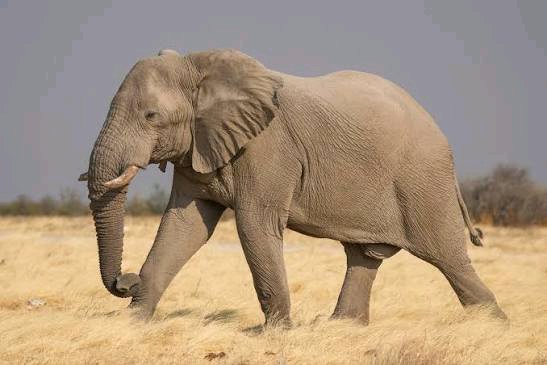
Mbano Matemavi (also spelled Matemai in some accounts) is a Shona clan (dzinza) totem system common among Shona-speaking peoples in Zimbabwe. Matemavi, symbolized by the African elephant (nzou). The elephant represents strength, resilience, and power; clan members traditionally avoid harming or eating their totem animal.
Chidawo (praise name): Mbano.0c25eb
The full clan identifier is often aMbano Matemavi or simply Mbano Matemavi. The clan is part of the broader Nzou (elephant) totem groups found among various Shona subgroups (including Korekore and others), though Matemavi is a specific branch.
Historical Background (from Oral Tradition)
Shona totems and clans trace back to ancestral migrations, spiritual beliefs, and key historical events. The foundations of each totem are preserved in detembo (praise poetry) that reference the clan’s origins, ancestors, and migrations. These poems serve as living oral histories, unifying the clan and passing down identity.
According to clan traditions (particularly those documented by the Anamatemai group and reflected in praise poetry), the Mbano Matemavi clan originated from a succession dispute in the Mwenemutapa (Mutapa) kingdom. The Mutapa Empire was a major Shona state (roughly 15th–18th/19th centuries) known for its stone-building traditions (e.g., Great Zimbabwe / Dzimbahwe) and complex royal successions.
Key elements of the origin story:
Mutiwaora (sometimes placed in the 16th century in some accounts, or around 1806 in others) was a Mutapa ruler or figure whose death triggered conflict. His sons Chaza (or Cheza) and Benhura were the rightful heirs.
Chipfumba (an uncle or rival) killed Mutiwaora and threatened the heirs, reportedly to seize the throne after hearing of a potential rebellion.
Chaza, Benhura, and their loyalists fled for safety and sought refuge with their maternal uncles, the Soko Mrehwa (or Mrewha) people. The uncles granted them land in the Chikwaka area of Goromonzi (in present-day Mashonaland East).
This flight and resettlement in Goromonzi/Chikwaka is seen as the “birth” of the Matemai/Matemavi clan. The event symbolized courage and resilience, and the clan’s identity became tied to these ancestors and the new settlement.
The clan’s praise poetry (detembo) encodes this history explicitly. A standard version reads (in Shona, with key references):
Evo Nzou, Makunda,
Maita Mbano, evo Musiyiwa,
Mwoyowevhu, zvaitwa Madzorera.
Maita zvenyu vomuGoromonzi, vokwaChikwaka.
Zvaitwa vemvuto chena, vomuDzimwe.
Maita Matemavi, Mbano yangu yiyi,
Chiuya chinenge mukaka,
Chinodyiwa navasina meno,
Mhuka isina mutumbi,
Chiuya chavachafema.
Maita vari pamhiri paNhora,
Vari Dzimwe muGoromonzi,
VokwaChikwaka, Vachivakanamabwe,
Kuvaka nomuti unosakara
Kana kudyiwa nomuchenje.
Maita zvenyu vari Mutiwaora.
Waita waCheza naBenhura,
Zvaitwa maKorekore, VaChipahomwoyo.
Aiwa tatenda Musenda,
Zvaitwa, zvaonekwa vari Dzimwe.
Key allusions in the poem:
VomuGoromonzi, vokwaChikwaka → Direct reference to the settlement area.
Vachivakanamabwe (“stone builders”) and references to Dzimwe (Great Zimbabwe/Dzimbahwe) → Link to the ancient stone-building heritage of the Mutapa/Zimbabwe tradition.
Vari Mutiwaora… Waita waCheza naBenhura → Names the founding ancestors.
maKorekore → Association with the Korekore Shona subgroup (northern Zimbabwe).
Later Clan History and Dispersal
From their Goromonzi base, branches of the clan migrated over time. One notable line reached the Hurungwe (Urungwe) area in northwestern Zimbabwe (along the Rukomeshi River toward Chirundu). Clan narratives mention figures like Jenami (a fierce Matemai warrior) who aided Chief Dandawa in battles. In gratitude, Dandawa reportedly granted land and a marriage alliance (his daughter to Jenami’s son Matau).
This led to chieftainships such as Chief Matau (of the vaShawasha people, Mbano Matemavi totem, Korekore dialect).
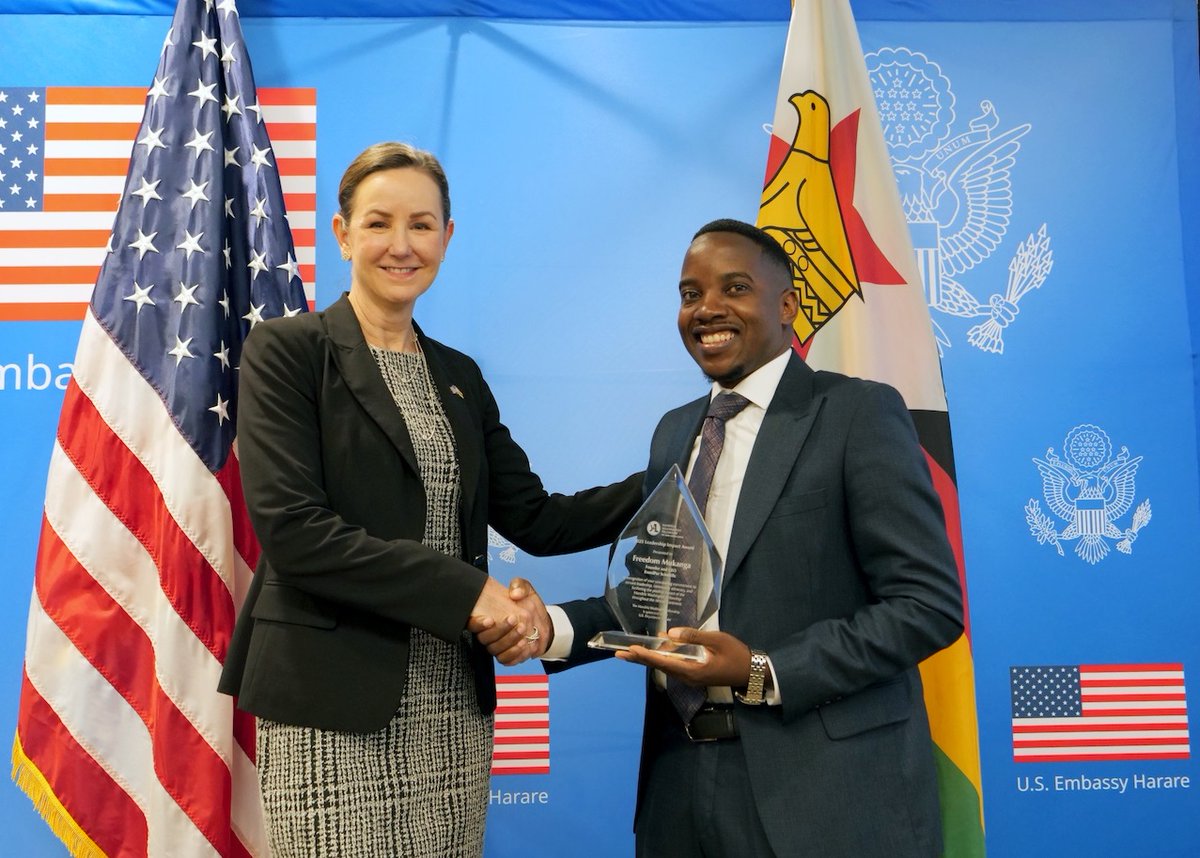
Out of more than 7,800 Mandela Washington Fellows across 49 Sub-Saharan African countries, Freedom Mukanga from Zimbabwe rises to the top.
Selected for his leadership and impact, Freedom has received the prestigious MWF Leadership Impact Award. Through entrepreneurship training and mentorship, he has empowered hundreds of young Zimbabweans, demonstrating the lasting value of U.S. exchange programs.
Congratulations to Freedom on this well-deserved recognition. 🎉👏@ExchangeAlumni@WashFellowship
@mbamla@daddyhope She is a niece because they are the uncles and her mom who is aunt. Male children of uncles are also uncles not brothers. Female children of uncles are mothers. Male lineage takes precedence ie the male side of the family also become fathers and uncles by birth right.
Real Madrid stars Kylian Mbappé and Aurélien Tchouaméni, and Barcelona's Jules Koundé really pulled up to watch the AFCON clash between Ivory Coast and Cameroon.
🤝This year's AFCON get different pull.