We are slowly walking into a dangerous future that many people are refusing to acknowledge.
If things continue the way they are, schools will become more chaotic, communities more unstable, and we will start seeing more teenagers getting involved in crime, violence, drug abuse, and reckless behavior at levels we are not prepared for as a country.
Parenting is collapsing in many homes. Some parents are too absent, too overwhelmed, or have surrendered the role of raising children to phones, schools, and the internet.
At the same time, our education system is struggling to shape character, discipline, emotional intelligence, and critical thinking beyond just exams and grades.
Then add the drug problem into the mix. Drugs are becoming more accessible within estates, neighborhoods, and even around schools. Young people are experimenting earlier, addiction is increasing silently, and many are growing up without proper guidance, mentorship, or emotional support systems.
Now combine that with excessive screentime, social media addiction, exposure to harmful content, short attention spans, online radicalization, and the normalization of aggression and disrespect online.
You end up creating a generation that is emotionally overstimulated, mentally exhausted, easily influenced, and increasingly disconnected from reality.
That combination is a ticking time bomb.
A society cannot survive when children grow up without structure, discipline, purpose, values, or present adults guiding them. If parents do not reclaim their responsibility, if schools continue weakening, if mental health remains ignored, and if drugs continue flooding the streets, then the consequences will not just be felt in homes. They will be felt in classrooms, neighborhoods, workplaces, and across the entire country.
The warning signs are already here. The patterns have already formed. Kenya must stop treating this as a small issue before we raise a generation that is angry, lost, addicted, and difficult to control.
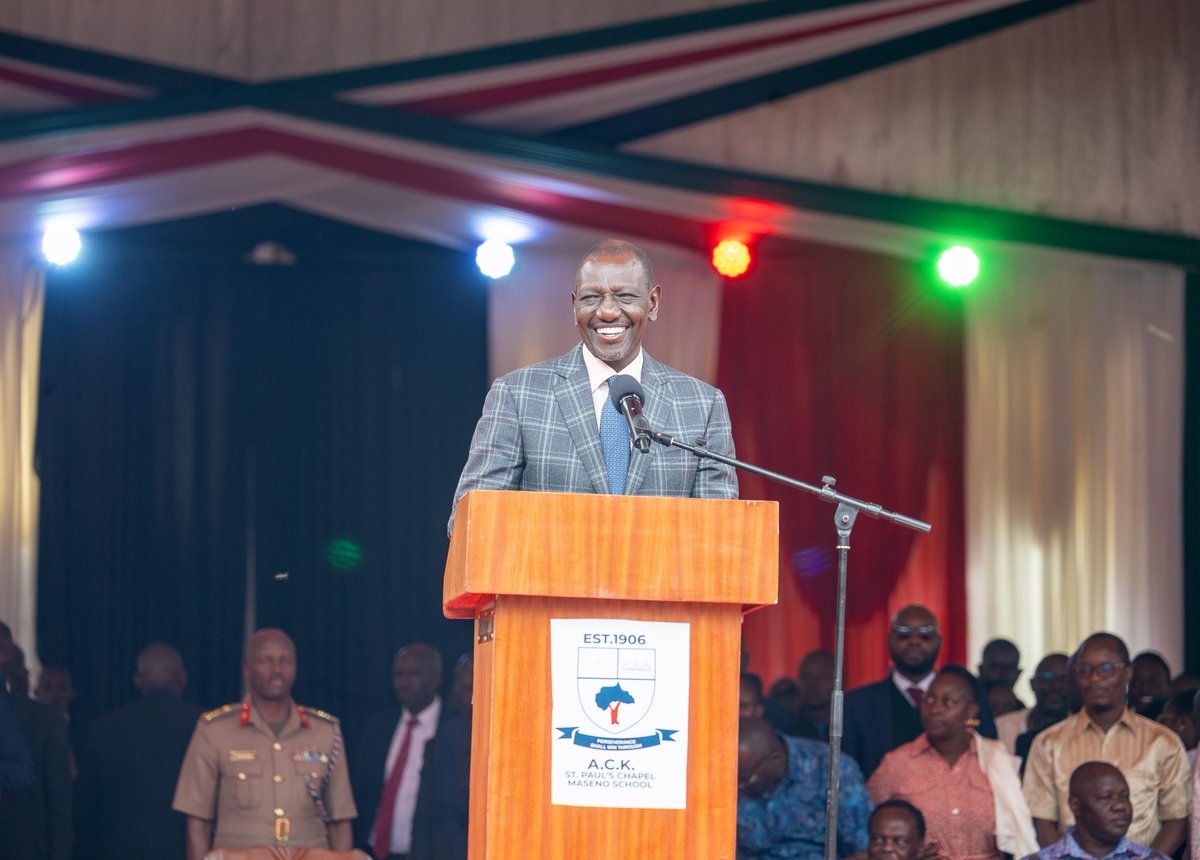
For 120 years, Maseno School, Kisumu County, has stood not merely as a centre of learning, but as a living monument to the enduring power of education, discipline, leadership, service, and nationhood.
Generations have passed through its gates carrying the hopes of families, communities, and a young nation searching for its place in history.
Empires have risen and faded. Governments have changed. Political seasons have come and gone. Yet, Maseno has endured, producing leaders, scholars, clergy, scientists, public servants, and patriots who helped shape Kenya and East Africa into what they are today.
Under a Hickory tree somewhere near the equator, Rev. James Jamieson Willis of the Church Missionary Society (CMS) gathered his first learners and pointed upward.
"Which tree is this?" he asked.
They answered, "Ma Oseno."
This is Oseno. Luo word for the Hickory tree.
"Ma'seno?" he repeated. Reshaping it as it crossed his tongue.
And in that small moment of translation; half question, half mistake, Maseno was born.
That was 120 years ago.
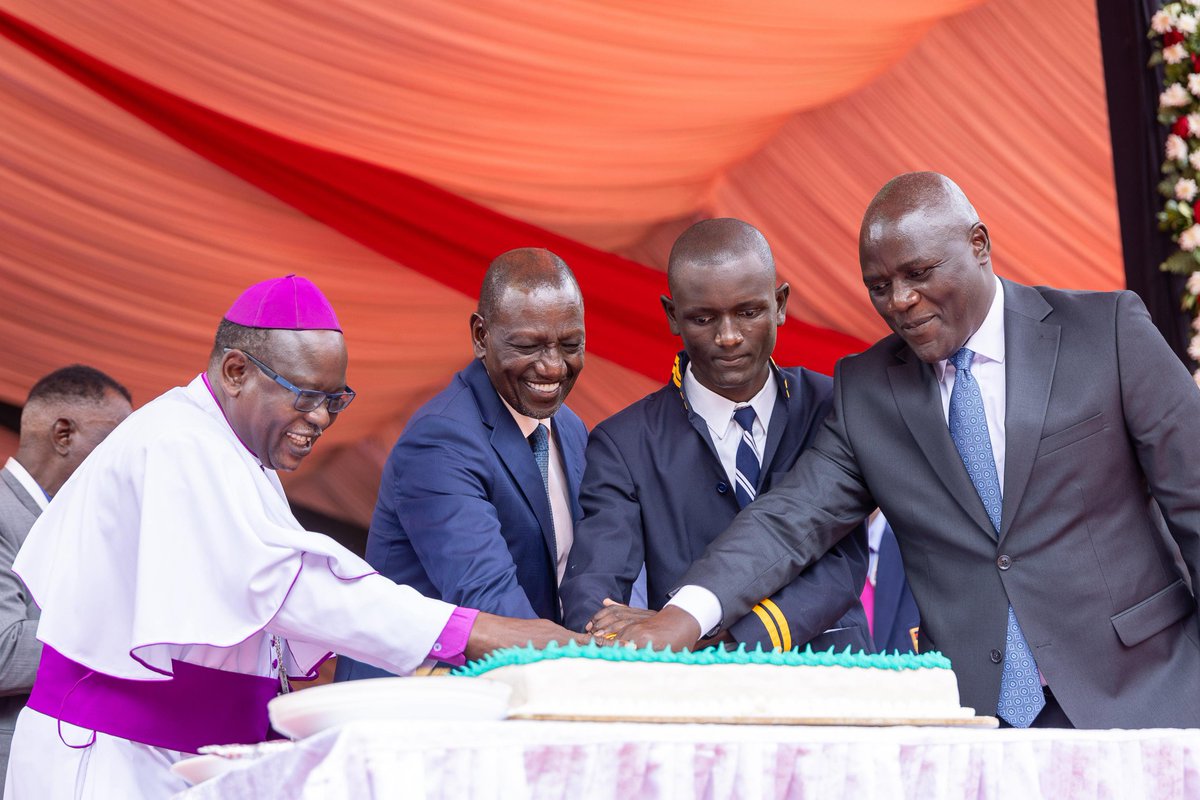
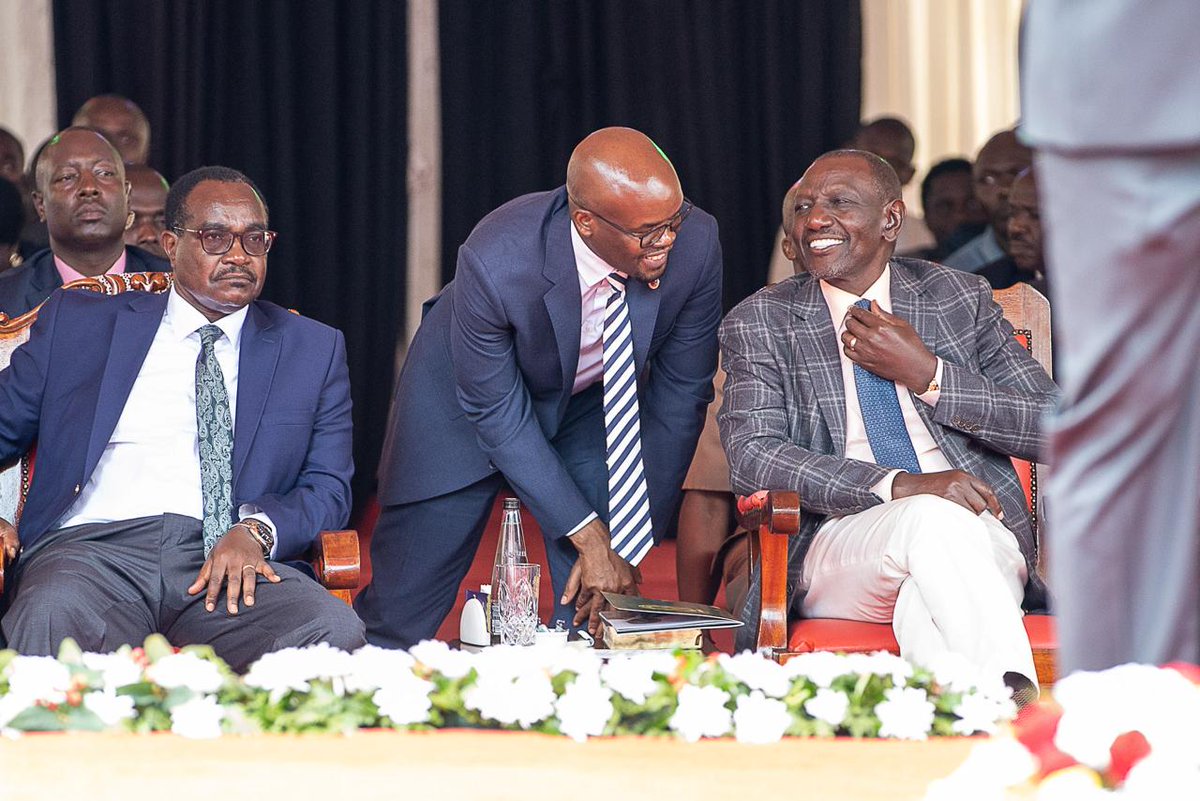
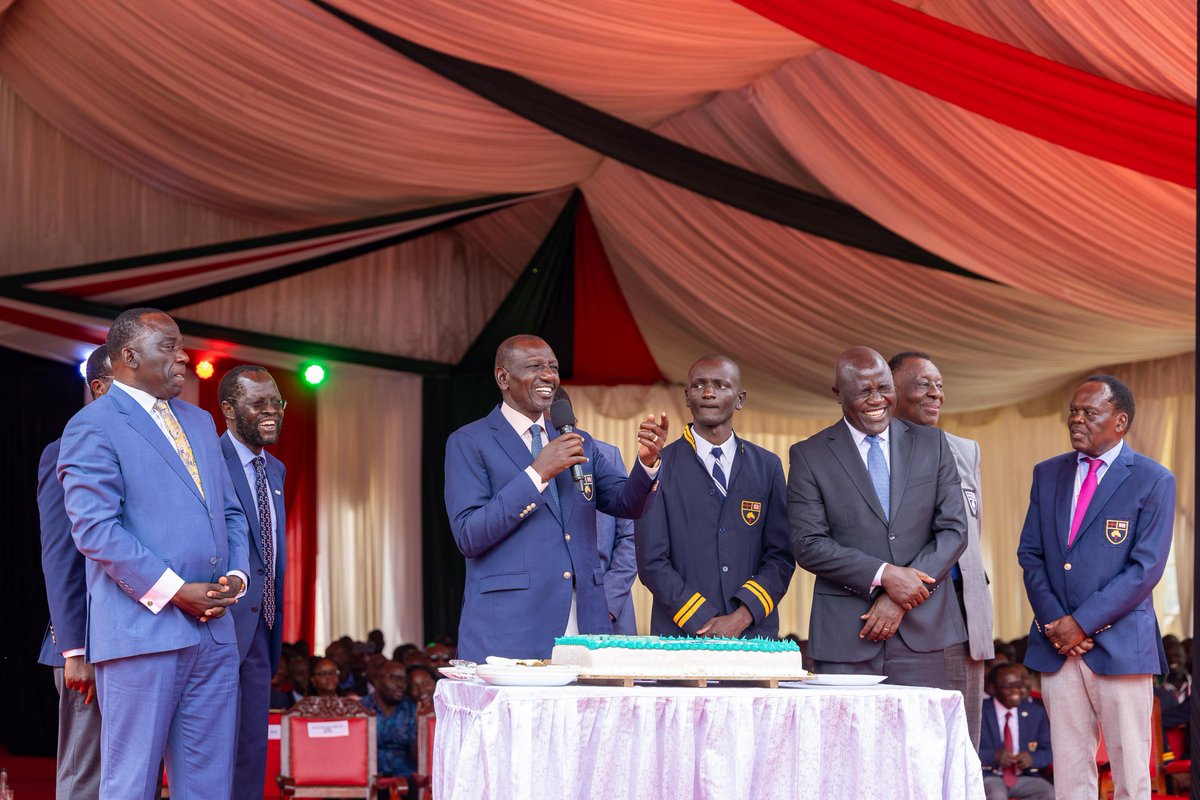
Joined H.E. President @WilliamsRuto during the 120th anniversary celebrations of Maseno School held at the institution's grounds.
The colourful event brought together students, staff and key stakeholders to honour the school's enduring legacy and its long-standing contribution to our education sector.
Ambitious people are my type. I can’t even hide it, once you start talking about doing impossible work, the kind of talk that inspires greatness, you have my allegiance till the wheels fall off.
We may fail (woefully) but we will never be guilty of not trying.
Just because I’m posting about God doesn’t mean I’m healed or better than you. I’m still a sinner. I still struggle. But everyday His grace picks me back up.
“The best thing you can do for yourself is actively increase your surface area for luck to hit you. go outside, try new cafes, museums, events, take a new route home, speak to people, ask questions, side quest.
the more you do, the more serendipity and synchronicity will find you.”
The war in the Middle East is one to pay attention to closely because it is a clear demonstration of " They came for protesters; I didn't speak for them because I was busy at work. They came for journalists, but I don't watch TV. I was OK. Then, they came for me in my house."
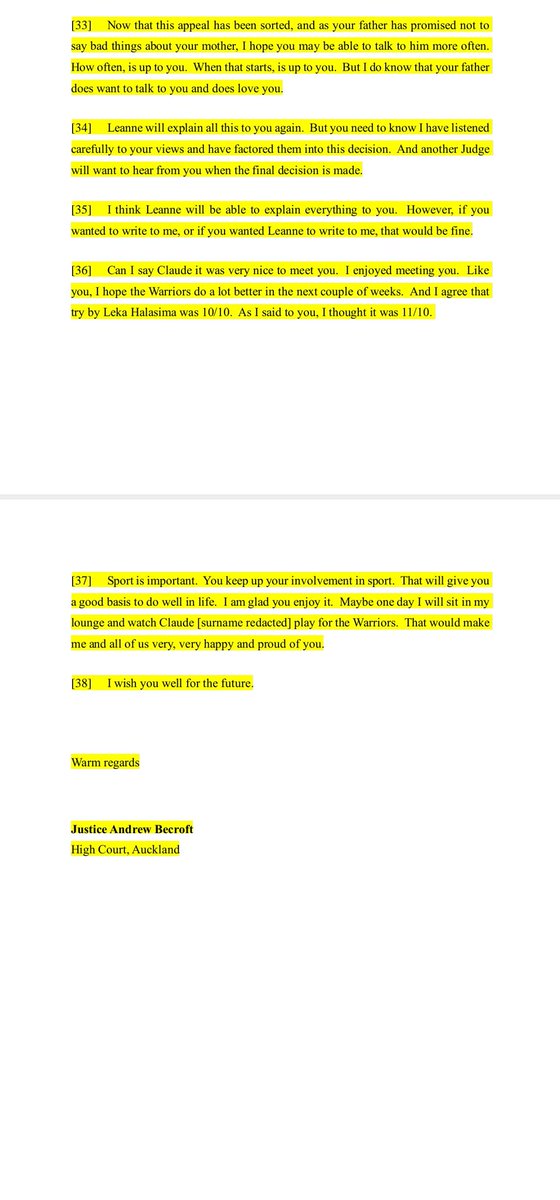
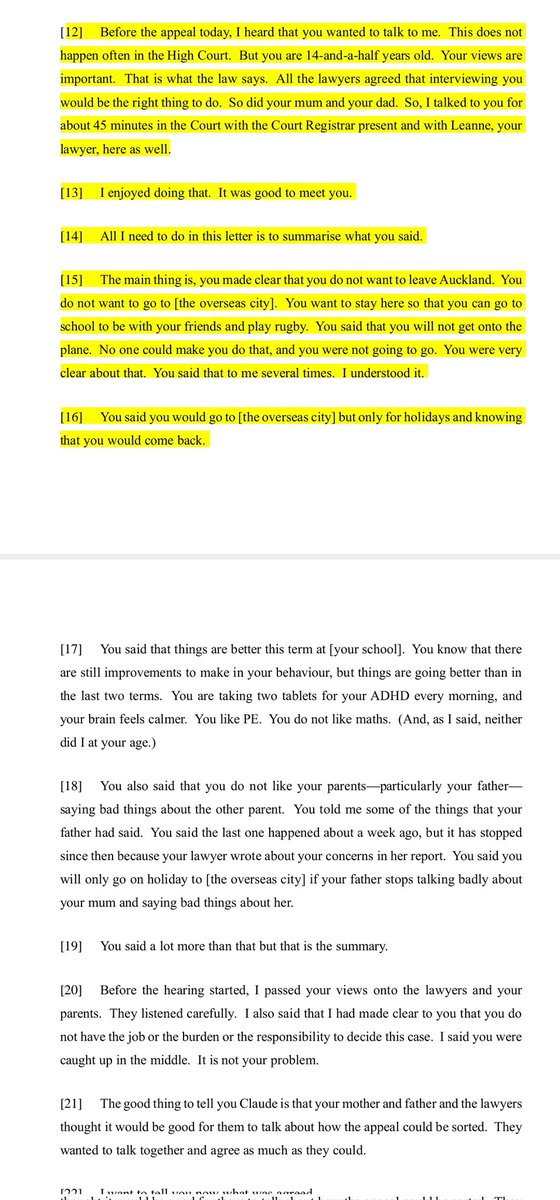
Born to read beautiful openings and judgments?
Demystifying the myth that court decisions are all about legalese?
Justice Andrew Becroft
pens a letter to a child to express the court's decision and not the ordinary legalistic court judgments.
🤩
I don't know how you define the BEST FEELING in the WORLD, but for me NOTHING beats HELPING someone in need then they say "I'VE SEEN GOD TODAY".. it is so FULFILLING.
THE TEACHER AND THE STUDENT
Obat Kuke (Captain, 2017) after his fourth test cap and second start for Kenya Simbas photograghed alongside John Bosco Muamba, Wazimba coach (2009-2017) and current Rugby Afrique Competitions Manager .
What should lawyers do when protesters are charged with terrorism and judges fail to interrogate it?
This is a textbook case of judicial abdication and prosecutorial overreach , where the criminal justice system is weaponized against fundamental rights. Here’s how lawyers should respond using the full armoury of constitutional, statutory, and international law:
1. File a Constitutional Petition
Invoke Articles 22 and 258 to challenge the infringement of rights and unconstitutional application of the Prevention of Terrorism Act (POTA).
Grounds may include:
Violation of Article 37: Right to peaceful assembly.
Violation of Article 49(1)(b), (c), and (h): Rights of arrested persons, including right to be informed of the charge and to reasonable bail.
Violation of Article 50(2)(a), (b), (j): Right to fair trial, including presumption of innocence and clarity of charges.
Violation of Article 25(a): Freedom from torture and cruel, inhuman or degrading treatment, including psychological abuse through malicious prosecution.
Petition should seek declaratory relief, judicial review, and an interim conservatory order staying the prosecution.
2. Move for Bail Review under CPC & Constitution
File an application under:
Article 49(1)(h) of the Constitution
Section 123(3) of the Criminal Procedure Code (CPC)
Argue that the bail terms are excessive, disproportionate, and amount to constructive pre-trial detention, which is unconstitutional. Cite the Bail and Bond Policy Guidelines (2015) issued by the Judiciary, which emphasize bail as the rule, not the exception.
3. File a Judicial Review or Habeas Corpus Application
Where pre-charge detentions were unlawful or prolonged, consider:
Judicial review under Order 53 of the Civil Procedure Rules for abuse of discretion by police or DPP.
Application for writ of habeas corpus where there is arbitrary or extended detention in violation of Articles 49 and 51.
4. Petition the Judicial Service Commission (JSC)
If the judge blindly rubber-stamped terrorism charges without interrogating the evidentiary threshold or contextual circumstances, lawyers should file a complaint under:
Article 172(1)(c) and Section 13 of the Judicial Service Act
Grounds: Judicial misconduct, abdication of judicial independence, violation of the Judicial Code of Conduct, and breach of the obligation to uphold the Constitution.
5. Engage the ODPP via Public Complaint Mechanism
Demand a review of the charges as an abuse of prosecutorial discretion under:
Article 157(11): The DPP must have regard to the public interest, administration of justice, and the need to prevent abuse of the legal process.
Where terrorism charges are used as a tool of political intimidation, it constitutes malicious prosecution and a violation of prosecutorial ethics.
6. Strategic Litigation via Amicus & Class Actions
File class action suits representing multiple protesters under Article 22(2)(b).
Invite amicus curiae interventions from LSK, ICJ-Kenya, Katiba Institute, KHRC, Amnesty, etc.
Frame the matter as a systemic constitutional question, not an isolated criminal case.
7. Engage International Mechanisms
Submit urgent appeals to:
UN Special Rapporteur on the Rights to Freedom of Peaceful Assembly and Association
African Commission on Human and Peoples’ Rights, citing Kenya’s breach of the African Charter, especially Articles 9, 10, and 11.
Law students....
This morning, the Supreme Court of Kenya issued a judgment of significant constitutional weight in the case of Fatuma Abud Farah v. Ruth Faith Mwawasi & 2 Others. The question before the Court was as delicate as it was profound:
Is it constitutionally permissible to exclude children born out of wedlock from inheriting their deceased father’s estate under Islamic law?
At the heart of the judgment lies Article 24(4) of the Constitution, which states:
“The provisions of this Chapter on equality shall be qualified to the extent strictly necessary for the application of Muslim law before the Kadhis’ courts, to persons who profess the Muslim religion, in matters relating to personal status, marriage, divorce and inheritance.”
Now, as future officers of the court, you must understand that Article 24(4) is not an exemption from the Constitution—it is a conditional qualification, and a very narrow one at that. The operative phrase, “to the extent strictly necessary,” does not grant blanket immunity to religious laws from constitutional scrutiny.
The Supreme Court rightly held that any deviation from the right to equality must satisfy the principle of proportionality. That is, the limitation must be:
Necessary to achieve a legitimate aim,
Rationally connected to that aim,
The least restrictive means available, and
Justifiable in an open and democratic society.
The Court found that excluding children born out of wedlock from inheritance fails all these thresholds. Such exclusion is not strictly necessary. It is neither proportionate, nor justifiable under Kenya’s constitutional framework.
To put it plainly: you cannot cloak discrimination in religious fabric and expect it to withstand constitutional scrutiny.
Even within the domain of Islamic personal law, the Constitution remains supreme. The Court affirmed that the rights of children , particularly the right to equal treatment regardless of the circumstances of birth cannot be sacrificed at the altar of rigid personal law interpretations.
This is a critical precedent. It reinforces two things:
Religious freedom is protected, but not at the expense of equality, dignity, and non-discrimination;
Article 24(4) is a narrow door, not a wide gate. Religious laws must pass through constitutional filters, especially when they affect the rights of vulnerable persons like children.
This decision is not an attack on Islam or any faith. It is a bold affirmation that Kenya’s constitutional democracy is anchored in dignity, equality, and reason.