A word of thanks from the NCHS to all those who contributed to the NCHS Research Network in the period 2019-2023, & more broadly to the Centre’s success & achievements over the past 12 years.
https://t.co/asFsdkif4g
🤔 Have you thought about the state of things in Gaza prior to war with Israel ?
👧 In this blog, @issnl Prof. @irenevstaveren paints the picture of social problems evident in Gaza prior to October 7, 2023 when the war broke out.
Read more 👇
https://t.co/jixQUWmu4q
We asked @HSlim_Oxford to produce an independent perspective on how we can use ethical thinking to better measure and prioritize need in a moment of fast-paced change and rising needs for the international humanitarian system
Read it here via @_NCHS_ : https://t.co/snrOInH2vc
Calls for the 👉localisation of #humanitarian#aid are often met with concerns for lacking neutrality, accountability or safety. In two podcast episodes we take stock of this debate from an #ethical perspective👇
@_NCHS_@prio@IHSA_studies@arbiebaguios https://t.co/B9IXOvxtU7
How should we define and prioritise humanitarian need?
A new short report commissioned by @IMPACT_init + published by @_NCHS_ to generate the policy discussion humanitarians must have for the widespread needs in climate emergency 🧵👇
https://t.co/O0R2TgEWwt
Check out our new blog series on conservation and displacement in post-conflict Colombia. The series features four rich and insightful articles by emerging scholars.
#DENxBlog 🌿💡🌎 @anweshadatta@cmi_no
https://t.co/4WhsfgKvRO
How much do we know about #refugees from the moment they leave their homes and till they reach relative safety somewhere else?
Join us at PRIO on November 21 for a seminar with a focus on refugee journeys from South Sudan🇸🇸 to Uganda🇺🇬
Register here: https://t.co/ThWe5paiRR
"A ceasefire of, say, 5 hours would be almost irrelevant in terms of the difference it would make to people's lives. What one really wants is a complete ceasefire," said @UNRWA's Ben Majekodunmi on the imperative of a ceasefire in Gaza.
@KrocInstitute
https://t.co/uXIalEKyu4
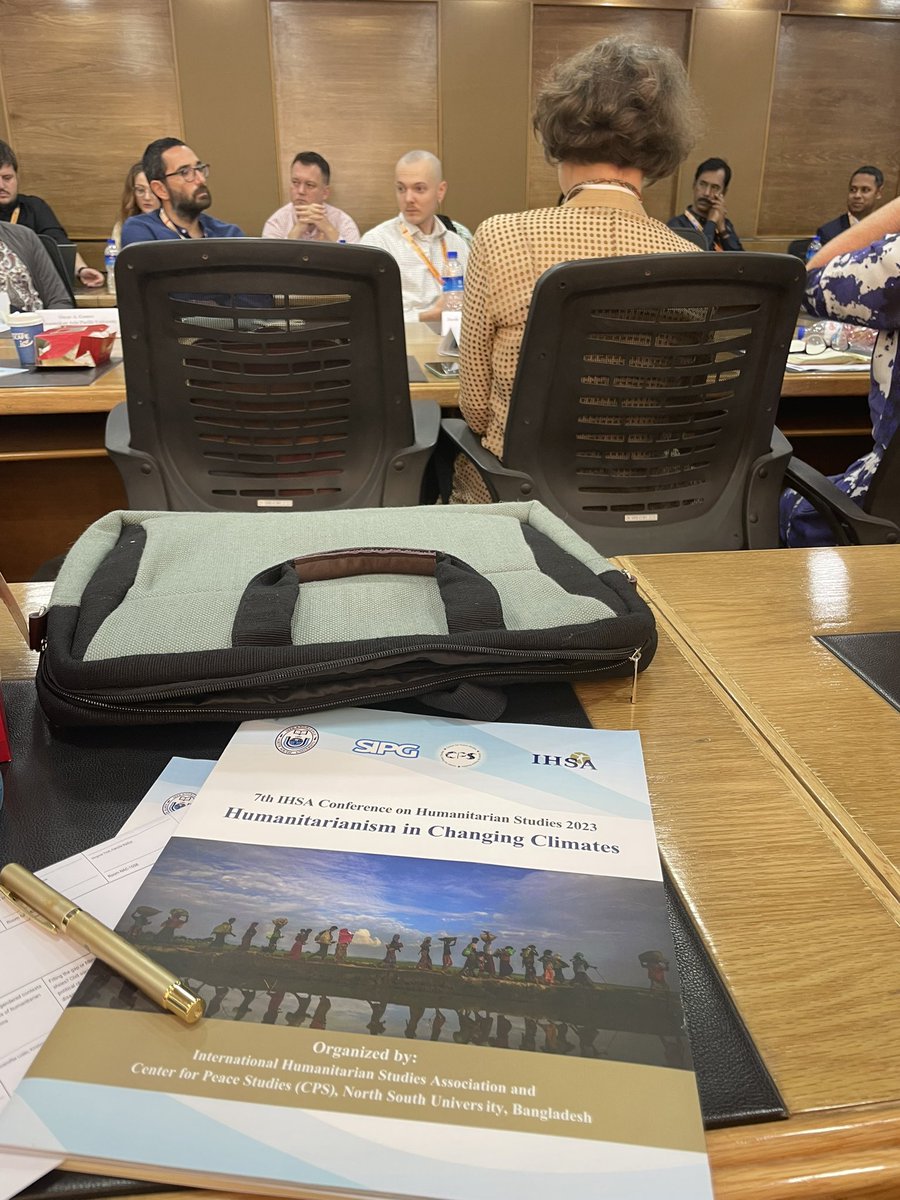
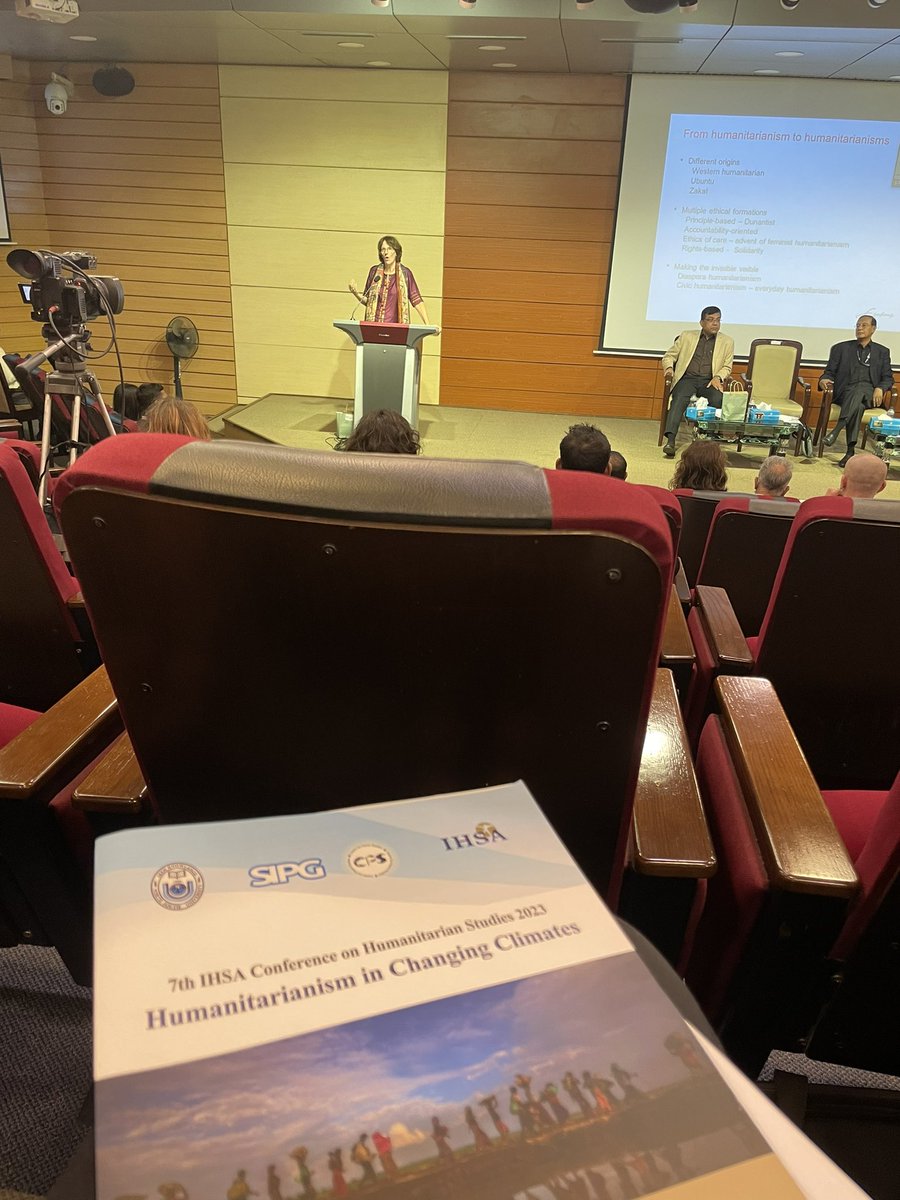
❗ The Humanitarian situation in Gaza formed part of the discussions in the just concluded @IHSA_studies conference in Dhaka.
📢 @issnl Professor @hilhorst_thea & Professor Sk. Tawfique M Haque call for respect for and adherence to IHL & ICL.
Read👇
https://t.co/caA8kHXDGy
📌Can disasters trigger or fuel armed conflicts? Together with @hilhorst_thea, @rodmenaf and Elissaios Papyrakis we just analysed the co-occurrence of these two events between 1990 and 2017. The one minute abstract below summarises what we found! ⬇
'What then is humanism? It is the love of humanity, nothing else, and therefore it is political, and therefore it is a rebellion against everything that tarnishes and devalues humanity.'
@hilhorst_thea opening #IHSAConference2023@NorthSouthU@_NCHS_
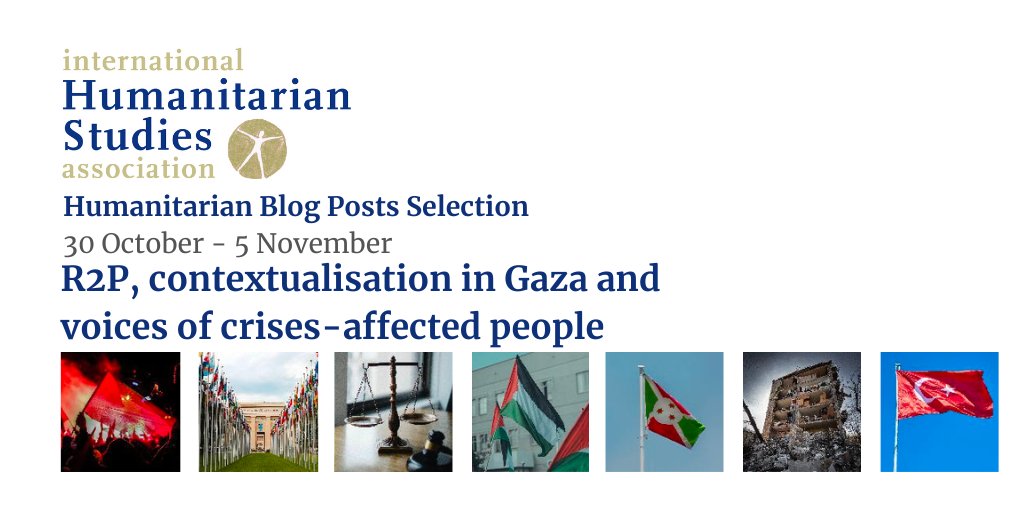
This week’s selection continues the conversations around R2P and contextualisation in Gaza, with insights on other ongoing crises directly from affected people.
Subscribe to read posts from @heidimogstad @DFNimubona@newhumanitarian@nicolascaso ++!
🔗 https://t.co/6zQE5ducdY
I am seeking to hire a Research Assistant (2 years, full-time) for the @non_signatory project @IKRS_no. Requirements: MA degree in a social science discipline, interest in refugee- and migration issues & excellent command of English & Norwegian languages. https://t.co/PH8oNEPLun
🌏 Scores of #AfghanRefugees in #Pakistan face deportation following the caretaker government’s announcement on 1 November.
🔊 In this blog, 3 women refugee researchers from Afghanistan & @issnl researchers call on @Refugees to intervene.
Read more 👇
https://t.co/DyKTsSIL3n
Have you voted for our new IHSA board members and president? 🗳️
Use your chance now to determine the future vision and strategy of IHSA! 📣
Cast your vote via https://t.co/Dsu1l32R4V (only for IHSA members)
#ihsa#humanitarianstudies#elections#boardmember#president#voting
Disasters are 5% more likely to occur in places with armed conflict than in non-conflict settings.
In this NCHS blog, @PRIOresearch's @nicolascaso examines how armed #conflict can increase #disaster vulnerability & disaster-related deaths.
https://t.co/2KpmOZDASP
Disasters (floods, quakes etc.) are 5% more likely to happen in armed conflict settings and can cause 34% more deaths than in non-conflict settings.
In this video, PRIO's @nicolascaso shares 7 mechanisms by which armed conflict can increase disaster risk
https://t.co/vqaJYxnpgi