@stevemaclean Thanks bro 🤝 this account is partially why i cannot get my head squared. Everytime i try and chill something happens and it's frying my head.
Deleting this account tomorrow.
If we're sound and haven't exchanged numbers yet now is the time to DM me.
I've said what I needed to say on here and tied in with who I needed to tie in with.
I will still be behind the scenes, but I'm coming off socials altogether 🫡
I know i've said this before but if you like salt and pepper seasoning then buy this it's addictive 👇
You can buy it in most butchers shops and if there's a better salt and pepper seasoning than this then i'm all ears.
The youngest British soldier of WW1 was just 12 years old.
His name was Sidney Lewis, a boy from London who ran away from home in August 1915 without telling his parents.
His parents had absolutely no idea where their young son had disappeared to, until a soldier back from the front lines on leave mentioned seeing him in France.
Sidney easily tricked army recruiters who were more than happy to turn a blind eye to underage boys eager to fight.
By the time he was 13, he was operating heavy machine guns in the 106th Machine Gun Company right in the thick of the Battle of the Somme.
He survived six weeks of hell in the Battle of Delville Wood, enduring some of the most horrific casualties of the entire war.
Desperate to save her child, his mother tracked down his military unit and sent a frantic letter to the War Office demanding his release, attaching his birth certificate as absolute proof.
The army had no choice but to discharge him and send him home to his family.
It wasn't until 2013 that historians and the Imperial War Museum officially authenticated his record, confirming that a 12 year-old boy truly braved the worst of the Great War.
Lest we forget.
Jakub Kulik is the name of the police officer who shot and stopped the shooter in Krakow yesterday. He saved many lives by taking on a skilled shooter armed with a rifle with nothing more than his pistol. He was shot several times by that shooter with that rifle and still managed to stand strong and take him down.
It’s hard to describe the selfless courage and strength of heart to do that. He was a soldier before becoming a police officer and that training saved his and other lives. If we had far more courageous lion-hearted people like him in our world, we would have a far safer world today.
May he make a full recovery 🙏🏼
There's alot of scumbags out there in Glesga who want me dun in.
I imagine abusers and rapists are some of the people who want me dun in the most.
Why keep talking shit?
Why not do it?
Everycunt that doesn't like me is waiting for someone else to do the damage.
Shitebags 🖕
@Zippyfrood2 Yeah that's right mate. Highland regiments always fought tip of spear or rearguard. Even the royal regiment of Scotland was concepted to be the British army's senior line infantry regiment 🫡🏴
From the misty highlands to foreign battlefields, Scotland’s fallen sleep in sacred soil. We wear the poppy, sound the pipes, and honor the brave who gave their tomorrows for our today.
Lest we forget 💙🏴✝️
found out the video I reposted of that young lad being attacked is from a year ago.
I have removed the video and apologise for any inconvenience.
I believe this stuff should be in the public eye but I don't want to cause this young lad any more grief if he's trying to move on
A gift from my late grandfather 💙🫡
The Highland Light Infantry (City of Glasgow Regiment) famously known as the HLI was one of the most distinguished infantry regiments of the British Army.
These guys were as rough and tough as they came 🫡
🏴����🤝🇬🇧
White Privilege Part 3: Dundee Docks
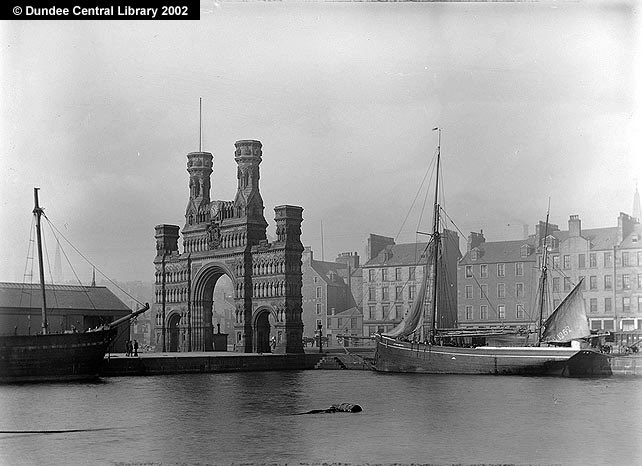
In the 19th-20th centuries Dundee’s docks were the working heart of a city built on bulk trade and heavy industry. Ships arrived loaded with raw jute from India, coal from Scotland and north-east England, as well as Baltic timber, grain, flax and iron, while others left with cargoes of jute and engineering products. The port was unusually tightly bound to the city’s own mills and shipyards: much of what was unloaded went straight into local factories, and much of what was built or manufactured was exported from the same quays. No other British port of its size was so completely integrated with a single dominant local industry.
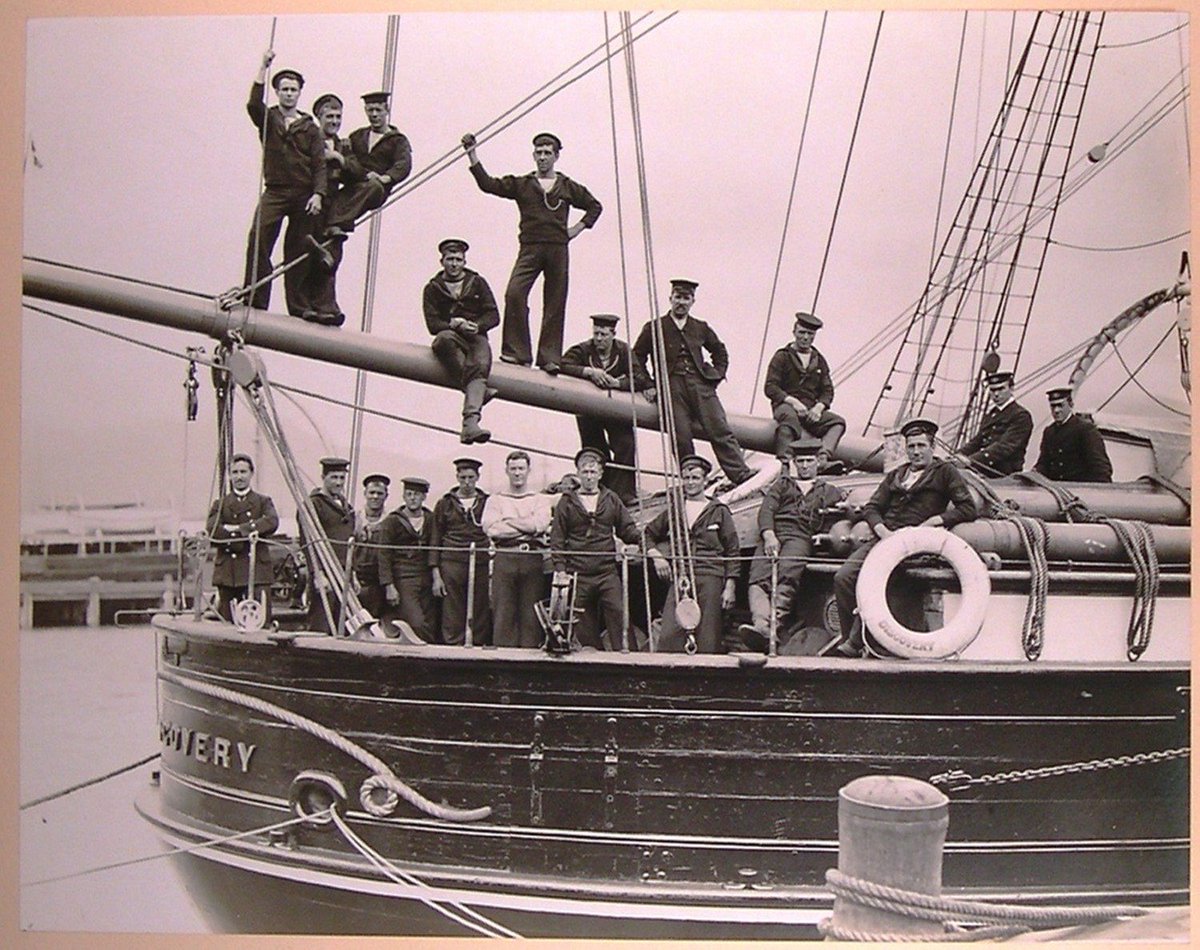
Dundee’s shipbuilders constructed tough wooden, and later iron ships, for trade, fishing, whaling, and the exploration of polar waters. The most famous was the RRS Discovery, the first ship purpose-built for scientific research in the Antarctic, launched in 1901 from a Dundee yard and used by Captain Scott’s expedition.
Surrounding the harbour were sawmills, timber yards, engineering works, foundries and related industries that depended on the same workforce and the same flow of materials.
The labour was almost entirely male and brutally physical. Their work was heavy and relentless: manhandling jute bales of 350-400 lb, shifting timber baulks, coal and other bulk loads by hand or with basic tackle. Men worked in all weathers on open quays, in the holds of ships, and in the cold, damp warehouses, shifting loads with hooks, ropes and sheer strength.
Accidents were common: falls into holds or the harbour, crushing injuries from shifting cargo, lacerations from hooks and ropes, and drownings were regularly reported in the local press. Many men suffered permanent disability from partially healed fractures, crushed limbs or hand injuries that never fully recovered. Hernias, chronic back and joint damage from repeated heavy lifting, and noise-related hearing loss were widespread. Exposure to cold, wet and wind, together with dust from coal, grain and jute, produced rheumatism, chronic bronchitis and other respiratory problems, while cuts and abrasions frequently became infected. The same physical toll was felt in the adjacent sawmills, where wood dust, circular saws and heavy timber handling caused additional lung damage, severed fingers and limbs, and further musculoskeletal strain.
The men who worked the docks and yards were almost entirely casual labourers; hired by the day or the tide. Wages were low and unstable, among the poorest in Scotland, and periods of slack trade meant no work at all. Shifts were long and irregular, dictated by the arrival of ships rather than any fixed timetable.
Many workers lived in poverty in the overcrowded tenements of the dockside, Hilltown, Overgate and Lochee districts (see White Privilege Part 1: Dundee Slums), and their families often depended on the combined earnings of dock labour, mill work and children’s half-time wages (see White Privilege Part 2: Dundee Jute Mills).
The docks, like the mills, were a world of hard, poorly paid and frequently dangerous labour that shaped the daily lives of working-class Dundonians.
📷 RRS Discovery crew photograph (c. 1901–1904); Dundee Central Library / Leisure & Culture Dundee (Alexander Wilson Collection and related holdings, late 19th-early 20th century).