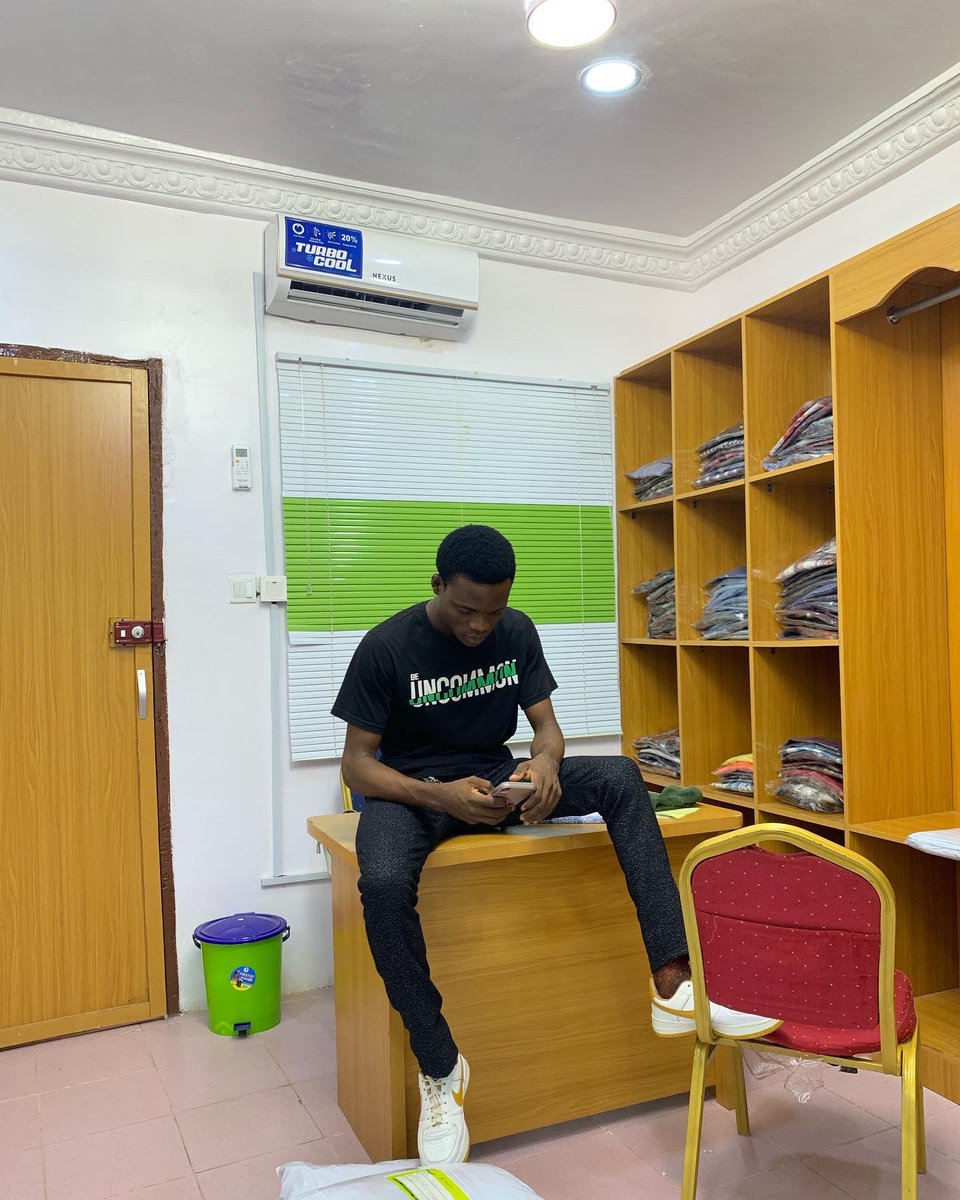
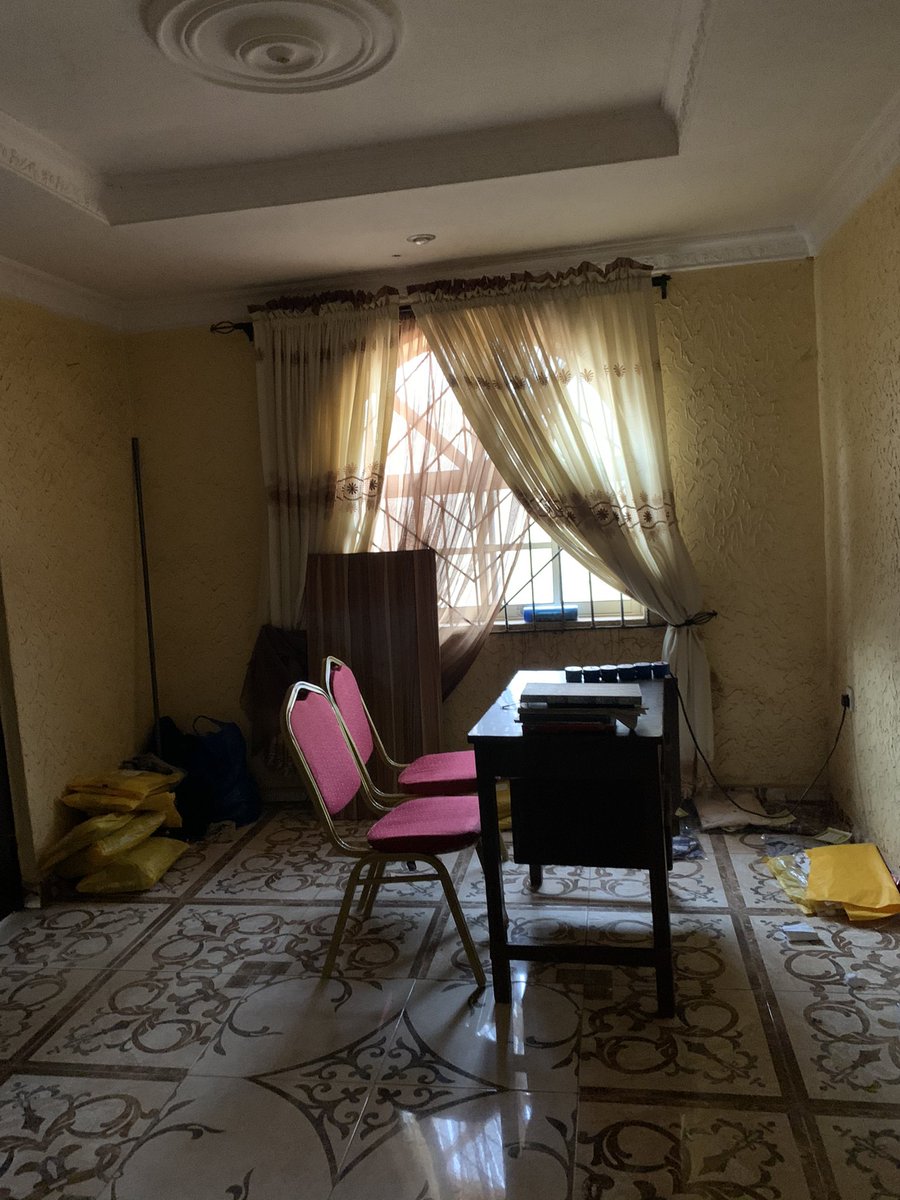
Last year,my clothing brand did 30 million naira+ in revenue from a small room my dad gave me in his house, before we finally moved to our new HQ earlier this year!
I have been running my brand for 3 years+ now,and these are 20 things I have learnt from my journey so far👇
Straight off the boat. Hasn't seen a car wash yet.
Dear Lord, please continue to bless my customers so they can keep buying these gorgeous cars. 🙏🏼
Amen.
One day my dad asked me to squat and he did the same, he then asked me to try and pull him up, I couldn’t, then he said stand up and try again, this time I could easily pull him up. Then he said to me “if you never stand well no try raise person up or else both of una go fall”
When money starts coming in, keep buying things, assets preferably.
Stay feeling broke as it’ll fuel the grind.
A huge sum sitting in your wallet is a dangerous illusion of safety tbh.
China has 1.4 billion people. Yet they eliminated extreme poverty by 2020. Let that sink in.
They built 48,000km of high-speed rail, more than the rest of the world COMBINED. Bullet trains gliding at 350km/h connect every major city. Beijing to Shanghai, 1,300km, costs about $50, cheaper than crossing Lagos in traffic on some days from island to mainland via uber.
In the Qinghai desert sits the world’s largest solar farm, panels stretching to the horizon, generating power for millions. The Talatan project covers an area bigger than some entire cities. They installed more solar in 2024 alone than the US has installed in its ENTIRE history.
Off the coast of Fujian, massive offshore wind turbines taller than 80-storey buildings, some with blades longer than a football pitch, spin silently above the sea, powering millions of homes carbon-neutral.
A single one of these giants generates enough electricity in a day to power 170,000 households.
8 of the world’s 10 longest bridges are Chinese. The Hong Kong-Zhuhai-Macau Bridge runs 55km across open sea — a feat of engineering Western nations called impossible. The Danyang-Kunshan Grand Bridge stretches 165km. They build in years what takes others decades.
BYD overtook Tesla in 2024. EVs start at $10K. Robotaxis without drivers cruise the streets of 7 cities. Humanoid robots assemble cars, deliver packages, serve coffee.
Shenzhen, a fishing village 40 years ago is now a futuristic skyline of drones, AI and skyscrapers that rivals Manhattan.
Sun and salt in the desert generating power. Wind and waves at sea generating electricity. Maglev trains floating on magnetic rails. Cities built from nothing in a decade.
Meanwhile, resource-rich countries with a fraction of the population sit in darkness, debt, and decay.
So how?
How does a nation of 1.4 billion pull this off while countries with more resources, fewer mouths to feed and centuries of head-start are still stuck?
How do they move this fast, build this big, dream this far?
What are they doing that we aren’t?
Aliko Dangote just confirmed it himself.
The Dangote Refinery IPO is coming to the market by September 2026.
Demand is already in billions of dollars. The private placement alone has requests of nearly $2 billion before the public offer even opens.
The refinery will produce 10% of America’s entire refining capacity. The largest refinery ever built on earth. The highest turnover of any business in Africa.
In his exact words: “We want it to be like Amazon or Apple. The people who bought early became millionaires. That’s what we want to bring to Africa.”
Position before September, or watch from the sidelines.
We are not getting any younger, but older. The right investments will separate the sheep from the goats.
What you sow today is exactly what you will reap tomorrow.
Do not spend money on things you do not need.
Invest in mutual benefit (money market).
Find a gap in your immediate environment and solve the problem while making good money off your services.
Do not joke with the first piece of advice.
Be guided.
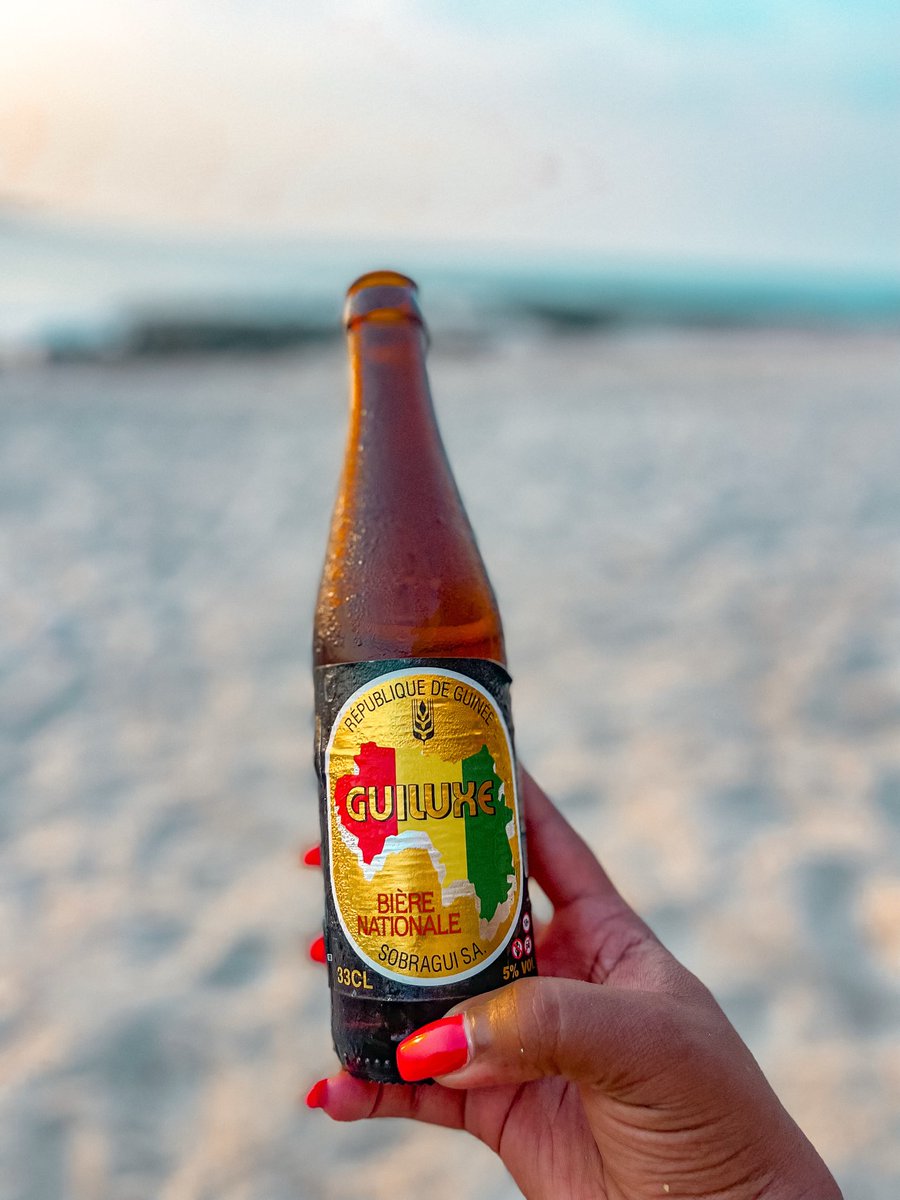
In Dec 2023, I randomly decided to do a road trip across West Africa solo. I started in Lagos then passed through Benin. Continued to Togo, Burkina Faso, Mali, Senegal, The Gambia, Guinea-Bissau, Guinea-Conakry then took the ferry to Freetown Sierra leone then back to Lagos
America has 50 states.
And every single one of them operates under its own laws, courts, policing systems, and legal culture while still being bound by federal law.
That is the difference.
The United States understood something long ago that Nigeria still refuses to confront:
You cannot effectively govern hundreds of millions of people with completely different realities from one central authority.
In America, federal law handles national matters:
immigration
national security
constitutional rights
interstate crimes
currency
But individual states control much of what affects daily life:
policing
criminal justice
business regulations
education
taxation
property law
civil disputes
So what works in Texas does not have to be forced on California.
What works in Florida does not automatically become law in New York.
Each state adapts to its own people, culture, economy, crime rate, and social realities.
That decentralization is one of the greatest strengths of the American system.
It creates speed.
It creates accountability.
It creates competition between states.
It prevents dangerous levels of power concentration.
And most importantly, it allows local problems to be solved locally.
Meanwhile Nigeria calls itself a federation, but operates like an overprotected unitary state wearing a federal costume.
Everything leads back to Abuja.
Security? Abuja.
Policing? Abuja.
Major judicial power? Abuja.
Revenue dependence? Abuja.
Even governors that are called “Chief Security Officers” cannot fully control police operations in their own states.
Think about how absurd that is.
A governor can watch insecurity spread in real time and still wait for federal approval before meaningful action can happen.
That is not federalism.
That is administrative dependency.
Nigeria is trying to centrally manage over 200 million people across completely different ethnic, economic, religious, and security realities as if Sokoto and Port Harcourt experience the same problems.
They do not.
And the damage is obvious.
Our courts are overloaded.
Judicial processes move at a painful pace.
Security coordination is weak.
States wait for federal allocations instead of building real economic independence.
Every election becomes a war because too much power is concentrated at the center.
Control Abuja and you practically control the country.
That is why political tension in Nigeria is always explosive.
Too much authority sits in one place.
America distributed power intentionally.
Nigeria concentrates power dangerously.
And that difference affects everything from policing efficiency to judicial speed to economic development.
The American system is not perfect.
Far from it.
But one thing it understood correctly is this:
Local realities require local solutions.
Nigeria still governs like every state is the same country inside the same problem.
It is one of the biggest reasons governance keeps failing, institutions remain weak, and justice feels painfully distant from the average citizen.
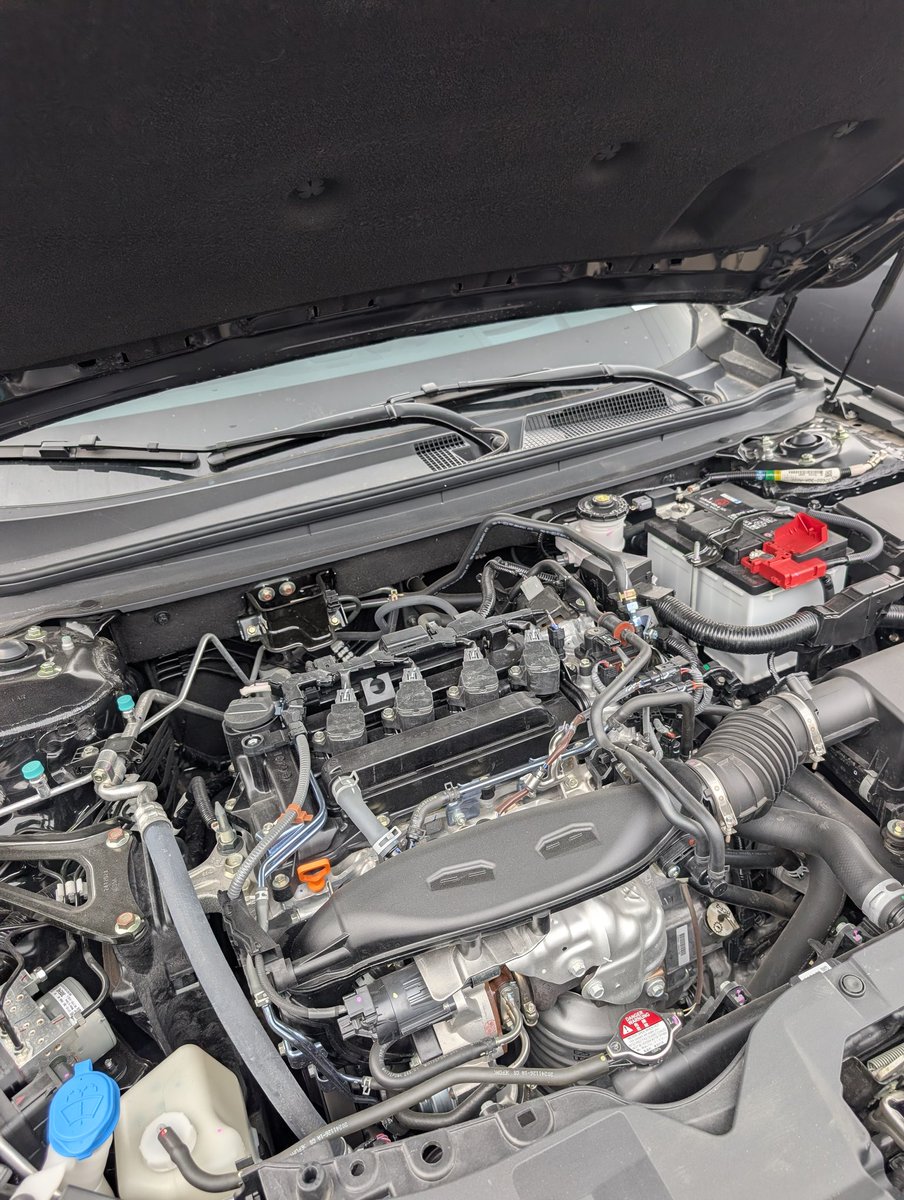
A friend of mine just received a 2008 Honda civic as a gift from a client he picks from the airport anytime he comes into Abuja.
My friend has been without a car for over 2 months now,the previous car he was using was collected from him by the owner because he needed money for his Visa.
My friend's client came in this week and called my friend to come pick him up at the airport,He told him he doesn't have a car anymore and explained why.
The man told him to come to his house yesterday and after they spoke the man told him to go to a car stand and pick the car he wanted with a specific budget.
Today he paid for the car in full.
A lot can change for you if you meet the right person.
My guy is now a car owner.😭😭😭😭😭😭😭😭😭