PhD candidate Psychological Processes @MS_Utrecht丨MSc AI & MSc Psychology grad @KU_Leuven; retired 📶 engineer丨 #ItGetsBetter believer丨من هرچه ام با تو زیباترم.
My presentation at #SAA2025 about modeling circadian rhythms in momentary affect is accessible on @OSFramework: https://t.co/VzYQfRtkZu.
A summary thread of one of the papers discussed in the presentation is in the quote below:
Studying circadian rhythms in #ESM is getting popular in #EmotionDynamics research as peak timing may have substantive value.
In this #preprint we show how some papers mislocate the peak & argue why even its correct estimation is less useful than expected.
https://t.co/CD7Bxbf7Yf
A new semantic search engine for survey questions! This is based on our SurveyBot3000 model (to embed items) and 31k instruments from the APA PsycTests database.
Are you doing #EMA research and wonder how to go about it? In recent work we've adressed some open questions and challenges, here is a brief summary of papers and materials. 🧵
For just $60, we classified half a million arXiv papers by institution with DeepSeek-V3🤯
You can now filter arXiv papers by organizations like DeepSeek, Meta, or OpenAI
See which organizations are contributing the most to open science and research 🔎
We would like to thank Dr. Sacha Epskamp (@SachaEpskamp), Dr. Charles Driver (@CharlesDriverAU), and Dr. Michael D. Hunter (of Penn State, whom I could not find on Twitter) for their thoughtful reviews and comments which led to the major improvement to our paper.
#PsychTwitter
Our paper on day-of-week effects & weekly dynamics has been accepted for publication at @APA_Journals#PsychologicalMethods.
Besides what is covered in the quoted thread, this version (on #PsyArXiv: https://t.co/IWg4JbNg3o) reflects further on model selection & measurement error.
My second #PhD paper with Ellen Hamaker on understanding and modeling day-of-week effects and weekly dynamics in daily diaries is on #PsyArXiv:
https://t.co/v7afGCKNaF.
It's a tutorial on seasonal ARMA (#SARMA) #timeseries models with a Shiny app and notable findings.
A summary🧵
If you have already read the paper, the major additions are in the discussion section and the footnotes, in which we give a critical account of how measurement error can affect SARMA models—and our findings—with additional considerations for automated model selection routines.
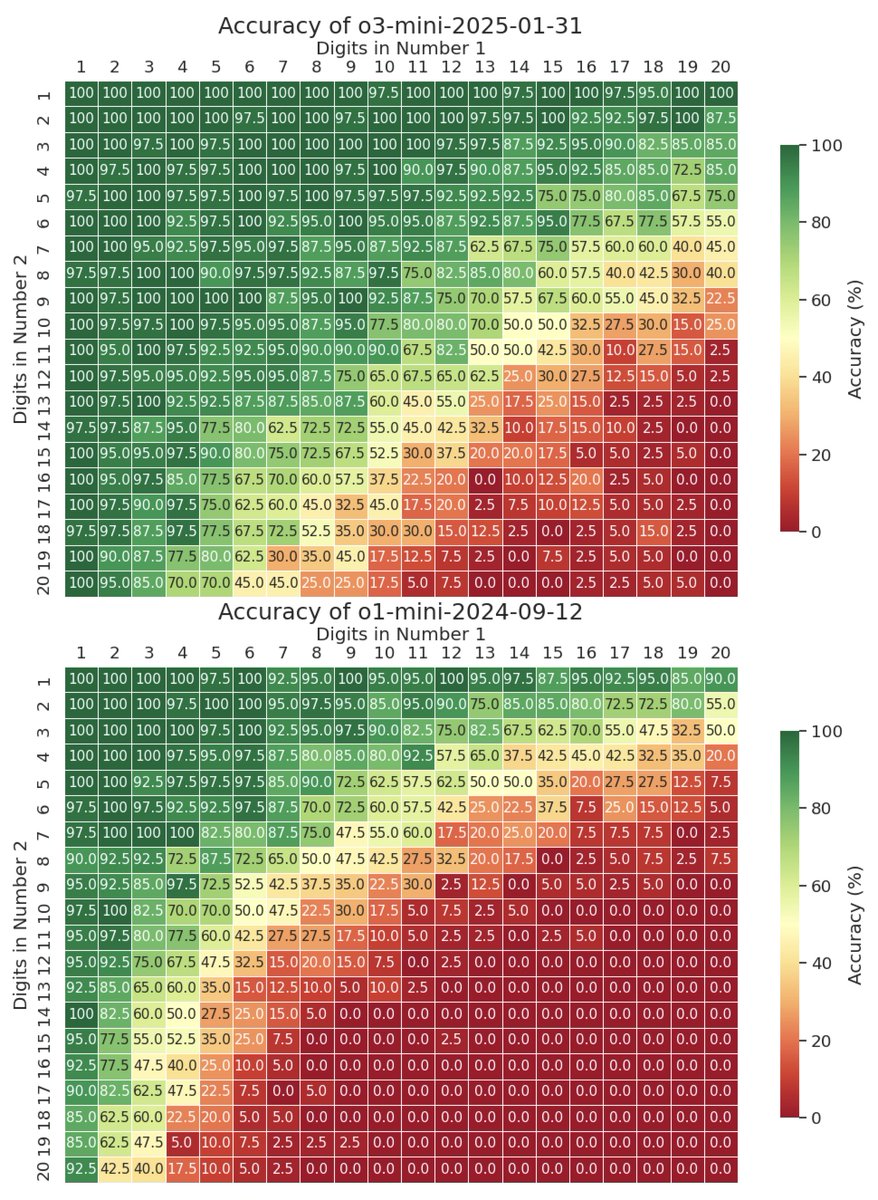
For those curious about how o3-mini performs on multi-digit multiplication, here's the result. It does much better than o1 but still struggles past 13×13. (Same evaluation setup as before, but with 40 test examples per cell.)
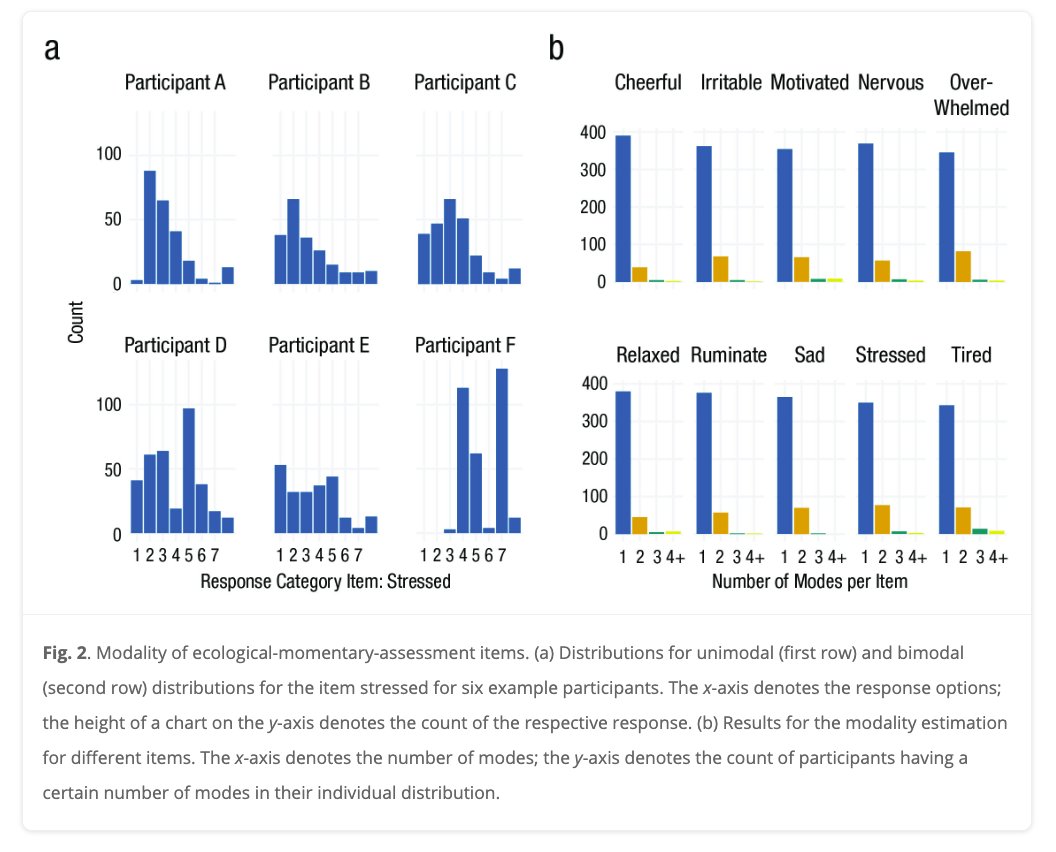
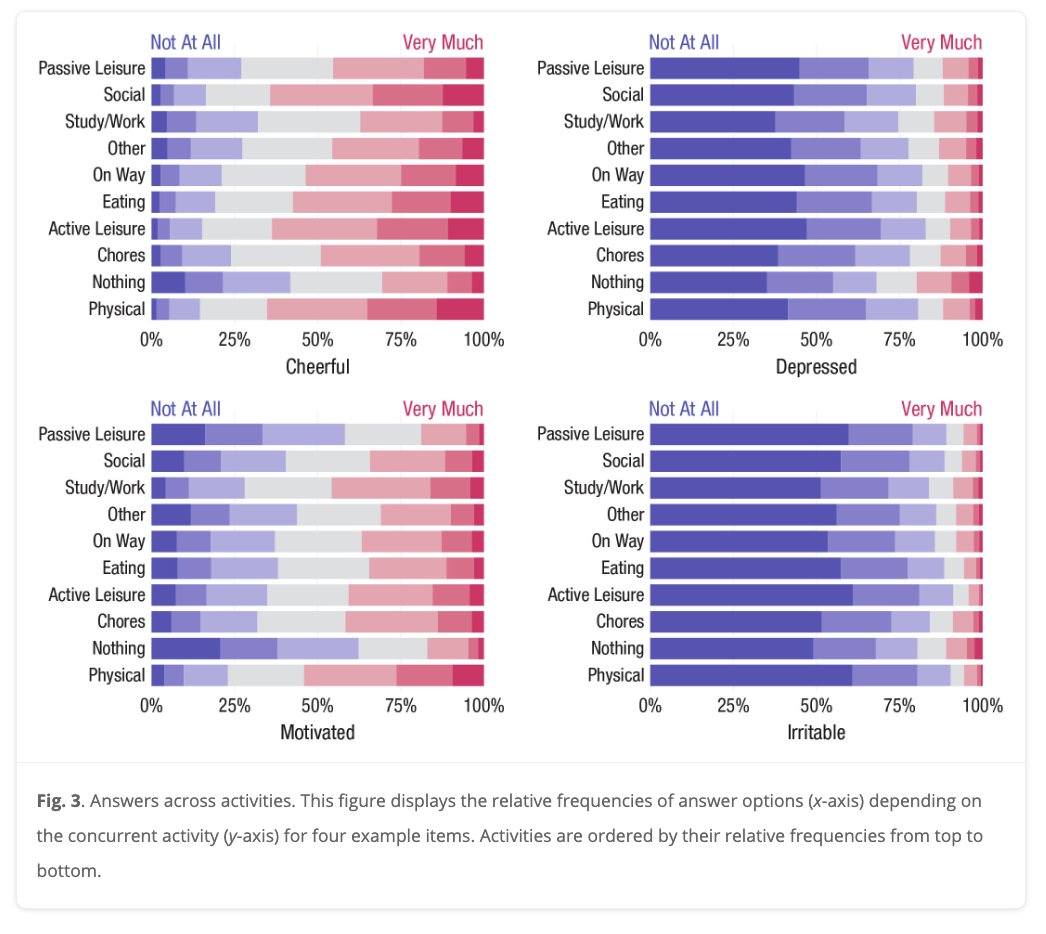
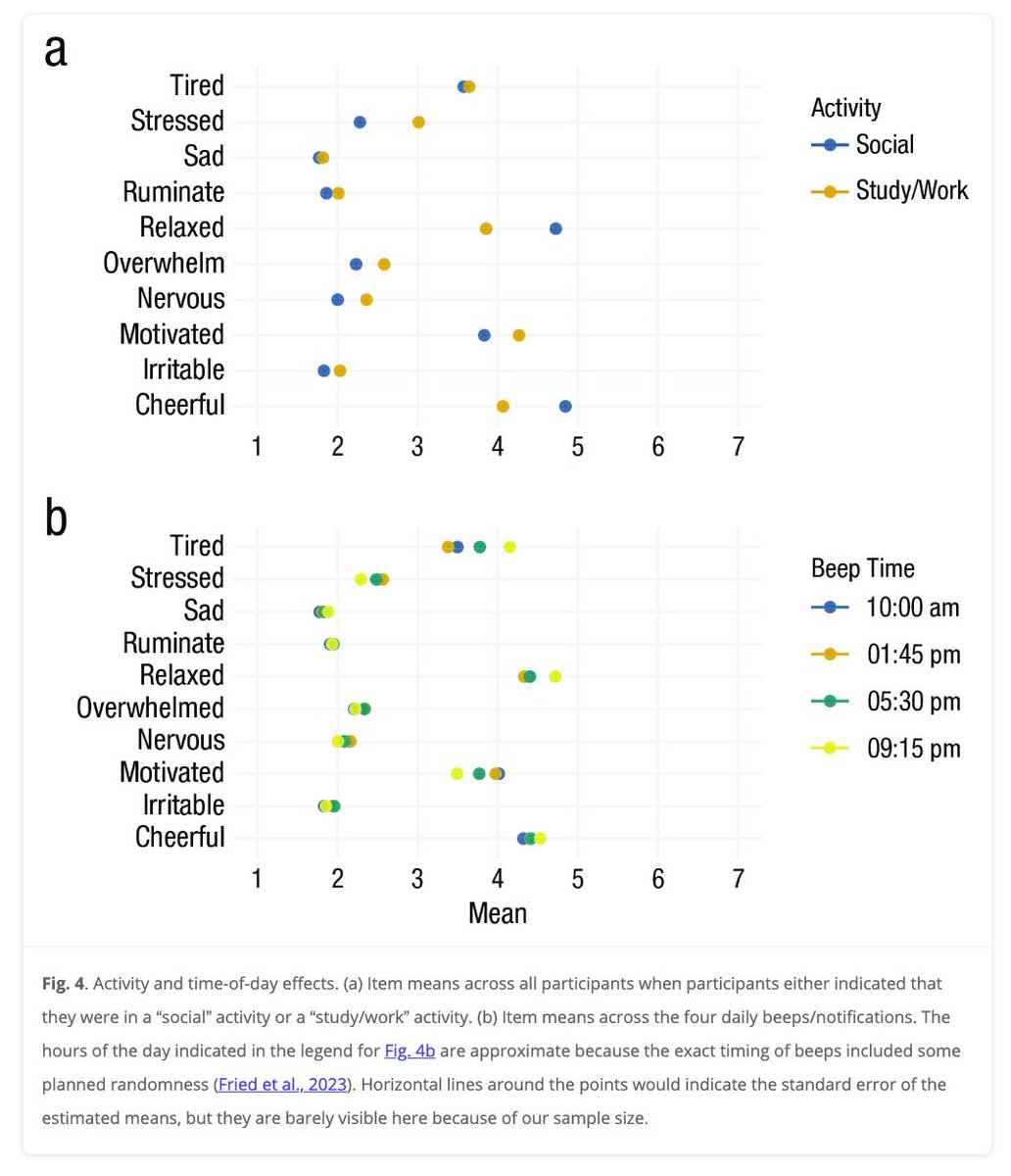
1/3 Tutorial on exploring ecological momentary data is online at AMPPS, with:
-Accessible ways to visualize data for better understanding
-Models to get some first insights
-Further reading boxes for more advanced topics
-Reproducible pipeline you can run over your own data
Thanks for reading this #thread!
In a subsequent working paper, we are exploring testing for the presence of cycles in multilevel (physiological) data, correctly estimating ψ and its CIs at levels 1 & 2, and understanding level-2 correlations with ψ.
So stay tuned, #PsychTwitter!
Studying circadian rhythms in #ESM is getting popular in #EmotionDynamics research as peak timing may have substantive value.
In this #preprint we show how some papers mislocate the peak & argue why even its correct estimation is less useful than expected.
https://t.co/CD7Bxbf7Yf
And even if we let go of the supposed substantive interpretation of the cosinor parameters (& use it, e.g., to correct for daytime trends in AR models) it has very strong—and unrealistic—restrictions on the trend shape, making #CosinorAnalysis a bad choice for such scenarios too.