Last week, India withdrew its bid to host #COP33 in 2028, a move that, as @AmanJSrivastava writes in @TheQuint, reflects a shift in its climate priorities.
Hosting a COP is costly, but it also offers a strategic platform to shape global negotiations and foreground national concerns. India’s withdrawal suggests a recalibration amid domestic pressures, strained multilateralism, and slowing global climate ambition. But stepping back from such a platform could limit India’s ability to influence outcomes that directly affect its own climate and development trajectory, he argues.
https://t.co/MDKxnWCDLc
The Department of Environment (Iran) announced in a statement that the entry of a significant volume of pollutants into Tehran’s air, following recent attacks by the United States and Israel on fuel storage facilities, has placed citizens’ respiratory conditions on alert. The organization urged residents to avoid unnecessary outdoor presence as much as possible and to remain indoors.
The Iranian Red Crescent Society also warned that the explosions of these tanks have released toxic compounds of hydrocarbons and sulfur and nitrogen oxides into the atmosphere. In the event of rainfall, the resulting rain would be extremely dangerous and highly acidic.
The Red Crescent added that such rain could cause chemical burns to the skin and serious damage to the lungs. It advised that if citizens come into contact with the rain, they should not rub the affected area; instead, they should wash it with running cold water, immediately change contaminated clothing, and store the clothing in a sealed bag.
How are these band-aid measures helping bring down hazardous levels of air pollution? The government seems to be busy making reels for headline management! Where are the ACTUAL measures?
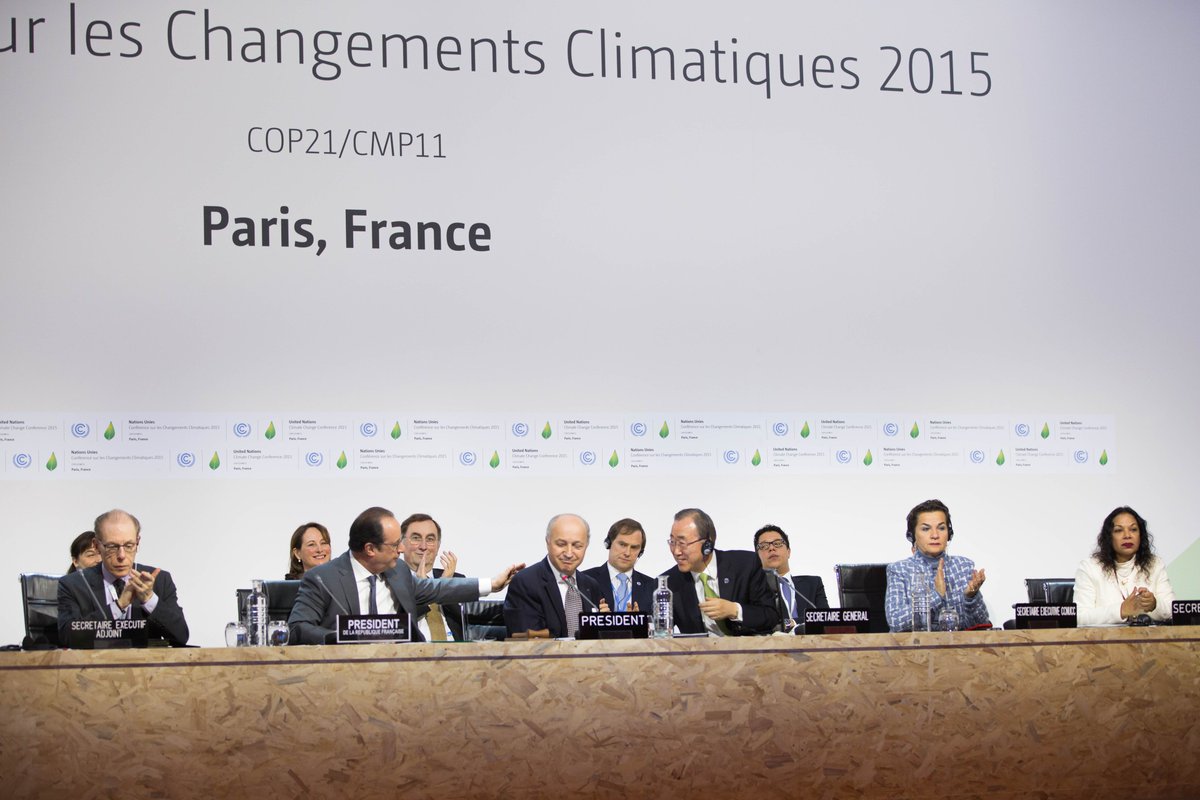
As #COP30 kicks off in Belém, Brazil, read the commentary by @_sharmaisha_, @AmanJSrivastava and @Nikita_Shukla02 on how climate multilateralism has evolved since 1992 — and how it can be strengthened through finance, governance, and trade. Read: https://t.co/4Lf8byeAMB
NEW BLOG: Global discourse on climate change has been moulded by multilateral negotiations through the annual Conferences of the Parties (COPs). This commentary by @_sharmaisha_, @AmanJSrivastava and @Nikita_Shukla02 traces the evolution of climate multilateralism, examines where it falls short of expectations, and discusses how it can address its shortcomings to build a more effective ambition and implementation agenda. Read: https://t.co/GJD8pYjwMO
As #COP30 nears, calls for larger developing countries to “step up” as #climatefinance providers have been growing louder. But this framing overlooks how unmet finance promises from developed countries have shaped developing countries' emissions trajectories. How then should financing obligations be distributed to better reflect differentiated responsibilities?
@AmanJSrivastava and @Nikita_Shukla02 argue in @thewire_in that had finance needs been met earlier, countries like India could have invested in low-carbon technologies and processes sooner, and may have had the opportunity to lock in to a lower emissions trajectory. Any future financial burden-sharing must account for these historical shortfalls — developed countries should not be calling for climate finance contributions from developing countries before first correcting for the impacts of their historical imbalances. Otherwise, the global climate finance system risks deepening inequities rather than correcting them.
https://t.co/pXIxbiLAEO
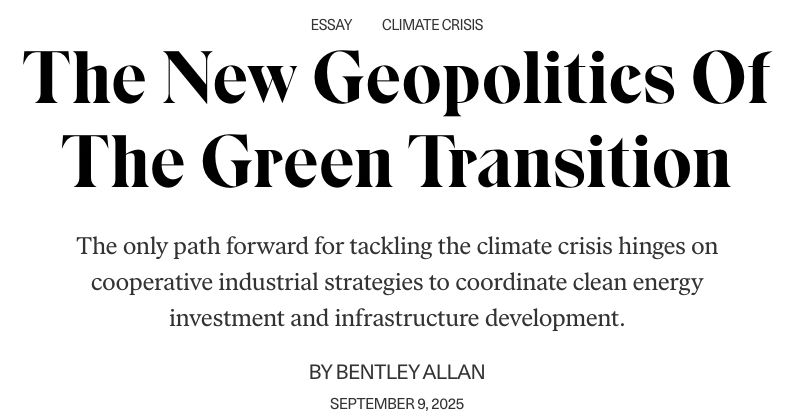
“It was naive to believe that science and advocacy alone could transform a global energy system forged over centuries by war and empire.”
Read @bentleyallan on The Climate Geopolitics Era
in @NoemaMag.
https://t.co/gbFXYVV7pQ
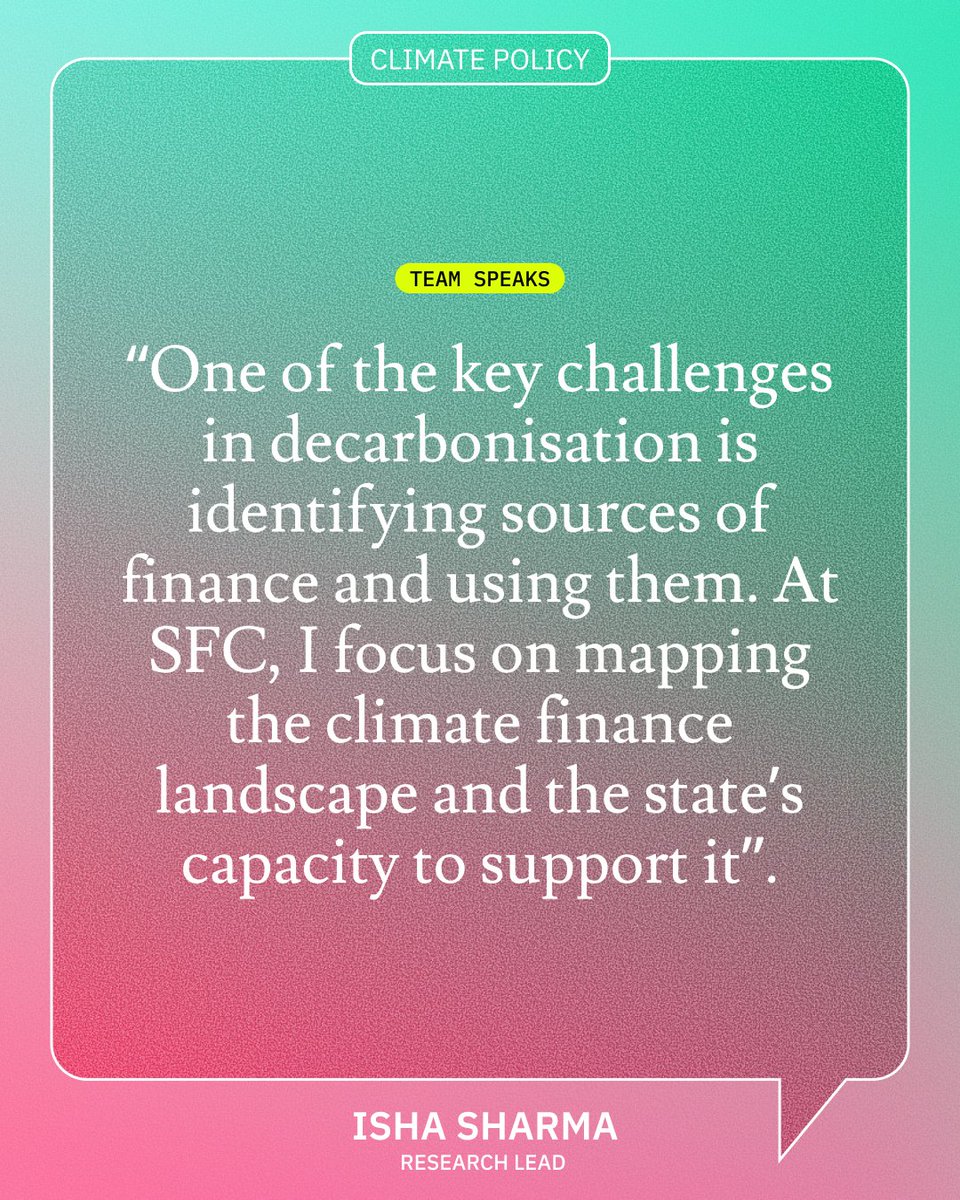
#OurTeamSpeaks: @_sharmaisha_ is a Research Lead, in the Climate Policy vertical at SFC. Her work focuses on green industrial policy, international, and domestic approaches to climate change governance and low-carbon development strategies.
#climatepolicy#climatefinance #governance
Super timely intervention on climate action and human development in Himachal. Truly inspiring to watch @MahajanAnnanya and the SFC team work so hard to make it happen!
Starting today, we’re launching SFC Spotlight — a video series that takes you inside a day in the life of our researchers as they share what they’re working on and why it matters for India’s sustainable future. Our first episode features @MahajanAnnanya, Research Lead for Environmental Governance and Policy. We’d love to hear your thoughts — and your suggestions for who we should feature next!
#environmentalgovernance #climate #development
Great talk by @azadrohit and @shouvik1979. Their paper adds a valuable dimension to the just energy transitions research: income redistribution as a crucial part of low-carbon development. Builds on their work on Indian green deal.
1/2 SFC hosted @azadrohit, Associate Professor at the Centre for Studies in Economic Studies and Planning at Jawaharlal Nehru University, New Delhi and @shouvik1979, Research Associate Professor at Political Economy Institute at University of Massachusetts, Amherst for a discussion on their latest research on socially necessary green development in India.
Some key takeaways in the thread below:
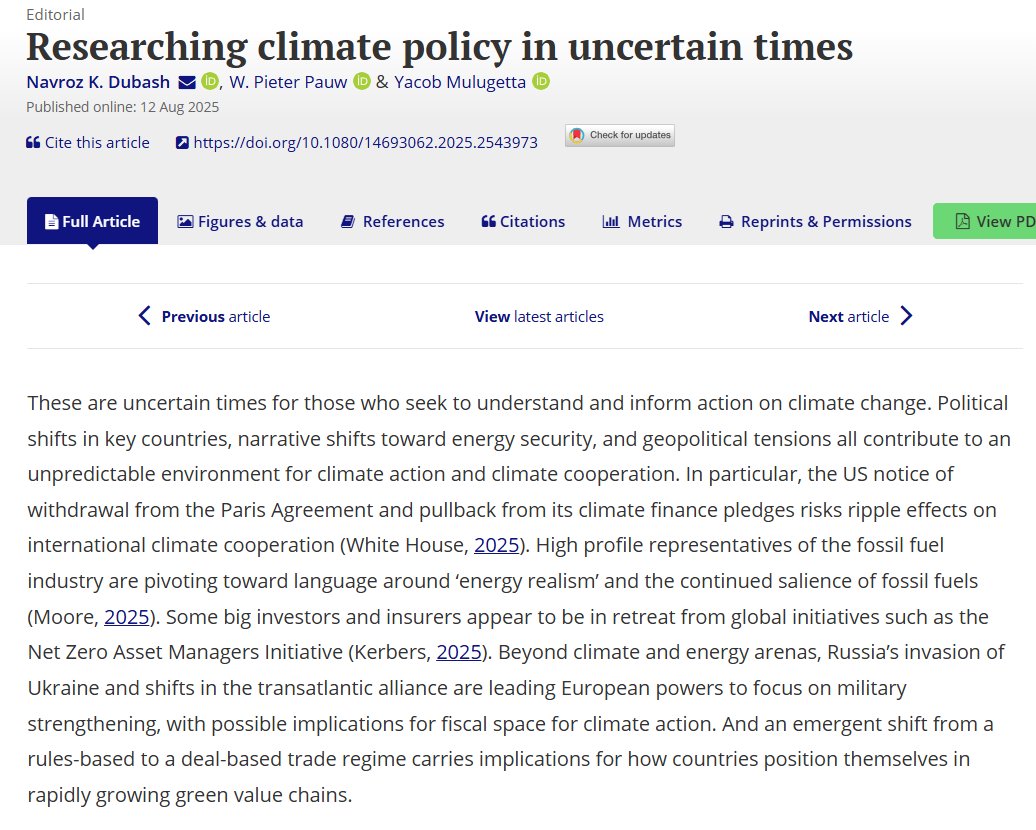
.@NavrozDubash, with fellow Co-Editors-in-Chief W. Pieter Pauw and @YacobMulugetta, writes in a new @Climate_Policy editorial:
Climate policy is now a more multi-stranded and complex area of inquiry than ever before. In these uncertain times for climate action and climate cooperation, attention to broader questions is necessary to deepen understanding and work toward a truly effective response to climate change.
What sorts of questions and analysis might be of continued, and even enhanced, relevance for analysis in Climate Policy?
Read: https://t.co/cjmKTjNByq
Robert Armstrong @rbrtrmstrng (who coined Trump Always Chickens Out thesis) says TACO is falsified. Its now WACO — World Always Chickens Out.
New: @polycrisis@kmac take. Its actually EMPANDA — Everyone Makes Promises And Never Actually Does Anything?
https://t.co/juFdcWJtat
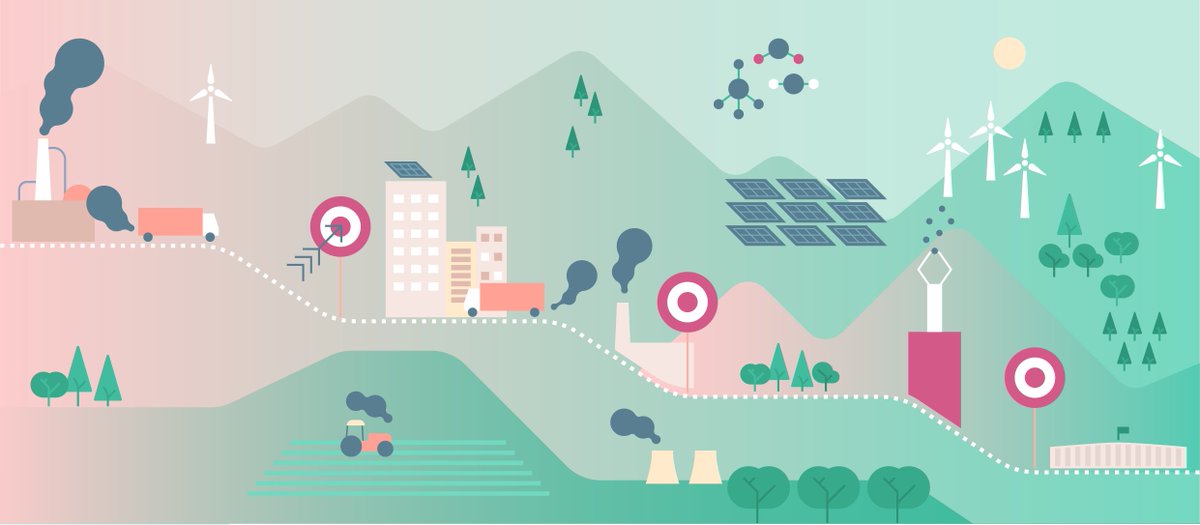
1/4 NEW: #Netzero targets are now central to global climate ambition. However these targets vary in scope and timelines, reflecting differences in historical responsibility, development needs, domestic capabilities, political realities, and economic structures.
As India charts its path toward a 2070 net-zero goal, @Nikita_Shukla02, @AmanJSrivastava, and @na_easwaran break down the core elements that must define a credible and context-specific net-zero framework for the country. Thread below:
"How are we claiming that we are progressing as a nation, if we are still building prisons to address the issue of overcrowding?: President Murmu" A great piece on the need to de-carcerate and stop building more prsions
Comment | Prisons in #India are still governed by the Prisons Act, 1894, a colonial legislation which treats prisoners as sub-par citizens, and provides the legal basis for punishment to be retributive, rather than rehabilitative, writes Stuti Shah.
https://t.co/uBRnsFGs1B
Contemporary global climate governance shows how the historical trajectory of science-politics interaction has come to shape the way we talk about climate change. I write for @UoDSCGH. Thanks @JordanBuch_anan for curating this wonderful space!
https://t.co/LmxyY1PhSm