All the scholars throughout history (who spoke about this issue) said that, and acted upon it. Its not a personal opinion of mine, nor my own deduction.
I recall detailed narrations of al-Imaam Maalik discussing whether or not to switch from 36 to 20, and his opinion was to leave it at 36, that which he found the children & students of the Companions praying in al-Madeenah for decades. The point being: It was a consideration to change the number, since it was a mere preference, not something that these great imaams considered to be specifically legislated. So the claim that they were rigid or they believed these numbers to be legislated is not accurate, and Allah knows best.
They had been praying 30 rak'ahs in Madeenah in the time of 'Umar ibn 'Abdil 'Azeez, at the turn of the first century. Sometime afterwards they went from 30 to 36 & 40 there in Madeenah, a clear indication that no one believed any number was specifically legislated.
The scholars consistently stated that night prayers are open to a person's level of devotion, whoever wants to pray more or less, does so, without any problem. All of it is virtue; all of it is goodness. Consensus was cited about this, and Shaykh al-Islaam Ibn Taymiyah & other scholars said that whoever says there is a specific number that cannot be increased or decreased has certainly erred.
And the hadeeth of two-by-two is an amazing proof on the topic, as the man who asked did not know what night prayers were. When the Prophet (may Allah raise his rank & grant him peace) told him it was mathnaa mathnaa, two by two, until you fear the entrance of dawn, the following easy conclusions can be drawn:
1. A man who did not know what night prayers are likely did not have much Quran memorized, so his standing would be brief, thus he would pray many pairs of rak'ahs.
2. No number was provided as an end point. The end point was time-based, when you fear the end of the night. This means if there were an upper limit of 11 or 13, this man had the greatest right to hear that, and our Prophet (may Allah raise his rank & grant him peace) did not delay clarfication beyond the time of need, as a legal maxim.
3. The first thing you tell a person who does not know what Fajr is: It is 2 rak'ahs, maybe: out loud, as the time of early dawn. So why did the Prophet (may Allah raise his rank & grant him peace) not tell him it is 11 rak'ahs? If it were limited to that, that is one of the first things a person should know.
4. As the scholars of Usool explain, his words are a priority over his actions. He may have chosen smaller numbers of rak'ahs for himself, personally, with great, long standing (which the best of his closest companions encountered difficulty in keeping up with), yet he guided his companions & the Ummah behind them to praying two by two, without specifying any number for them, making the affair easy for them, leaving it open to them. This is what the Salaf understood.
I hope this helps & with Allah alone is our success. May Allah bless us with insight & understanding, in line with how the imams of the Salaf understood the issue.
As for the strange accusation that I do not apply the hadeeth of mathnaa mathnaa & that I contradict myself by praying the same number every Ramadhaan without fail: Then this is just incorrect & irrelevant. I personally pray different numbers of rak'ahs every year, sometimes adding to the 11 we pray at our masjid, sometimes not. If you mean the congregation always prays the same number every year, then yes at our masjid, we pray 11, which is one of the numbers of rak'ahs from the established authentic Sunnah. We do not hold that to be any specified limit, according to consensus, just a number we choose based on what most people prefer at @1mmpgh.
An example of the Companions during Ramadān, their love for one another and them acknowledging the service that other Companions had done for Islām.
رضي الله تعالى عنهم اجمعين
Try and benefit as much as possible from the remaining days of Ramadan.
Avoid online debates, argumentation and controversy.
Focus on maximizing your benefit from this blessed month and being benevolent to others.
Time is too precious to be wasted.
[الفتن وعلاجها في هذا الزمان].
فقد ثبت عن النبي ﷺ أنه قال: (العبادة في الهرج كهجرة إليّ) أخرجه مسلم من حديث معقل بن يسار.
أي: إقبالك على عبادة الله في وقت الفتن والقتل والقتال، لك فيه أجر عظيم كهجرة إلى النبي ﷺ.
وليس معناه أن لك مثل أجر مصعب بن عمير، أو عبد الله بن مسعود، لأن المشبه لا يلزم أن يكون مثل المشبه به، لكن لك فضل عظيم إذا أقبلت على العبادة في وقت الفتن.
وكان النبي ﷺ يقول لأصحابه: (تعوّذوا بالله من شرّ الفتن).
ويقول كما في "سنن أبي داود" من حديث المقداد بن الأسود: (إنّ السّعيد لمن جنّب الفتن، إنّ السّعيد لمن جنّب الفتن، إنّ السّعيد لمن جنّب الفتن، ولمن ابتلي فصبر فواهًا). فالذي يبتلى ويصبر فله أجر عظيم.
والنبي ﷺ يحذر أصحابه من الفتن ويقول: (ستكون فتن القاعد فيها خير من القائم والقائم فيها خير من الماشي والماشي فيها خير من السّاعي ومن يشرف لها تستشرفه ومن وجد ملجأً أو معاذًا فليعذ به).
فنحن في زمن الفتن وكلما انقضت فتنة ��اءت فتنة هي أعظم منها: {أولا يرون أنّهم يفتنون في كلّ عام مرّةً أو مرّتين ثمّ لا يتوبون ولا هم يذّكّرون}، ويقول تعالى: {وما نريهم من آية إلاّ هي أكبر من أختها}.
والنبي ﷺ يقول: (تكون بين يدي السّاعة فتن كقطع اللّيل المظلم يصبح الرّجل فيها مؤمنًا ويمسي كافرًا، ويمسي مؤمنًا ويصبح كافرًا، يبيع أقوام دينهم بعرض من الدّنيا). أخرجه مسلم.
وجاء في "صحيح مسلم" أيضًا أن النبي ﷺ قال: (والّذي نفسي بيده ليأتينّ على النّاس زمان لا يدري القاتل في أيّ شيء قتل، ولا يدري المقتول على أيّ شيء قتل).
وهناك علاج لهذه الفتن: قال تعالى: {واتّقوا فتنةً لا تصيبنّ الّذين ظلموا منكم خاصّةً } أي: اجعلوا بينكم وبينها وقاية؛
إما بالتمسك بهذا الدين: {ومن يتّق الله يجعل له مخرجًا ويرزقه من حيث لا يحتسب }.
أو بالعزلة: جاء في حديث أبي سعيد الخدريّ ��ضي الله عنه قال: قال رسول الله ﷺ: (يوشك أن يكون خير مال المرء المسلم غنم يتبع بها شعف الجبال ومواقع القطر، يفرّ بدينه من الفتن).
وفى "الصحيحين" أنّ النّبيّ ﷺ سُئل: أيّ النّاس أفضل يا رسول الله؟ قال: (مؤمن يجاهد بنفسه وماله في سبيل الله) قال: ثمّ من؟ قال: (ثمّ رجل معتزل في شعب من الشّعاب يعبد ربّه).
ونحن في زمن الفتن لا ينجينا منها إلا ربنا عز وجل.
والتمسك بكتاب الله وبسنة رسول الله ﷺ يعتبر عصمة من الفتن، كما قال النبي ﷺ: (فإنّه من يعش منكم يرى اختلافًا كثيرًا، فعليكم بسنّتي وسنّة الخلفاء الرّاشدين المهديّين عضّوا عليها بالنّواجذ).
تحفة المجيب 279 -281.
Do not oppose established ijmaa' (scholarly consensus) from over 1,000 years ago for the mistaken opinion of some modern scholars (as great as they were).
Salafis follow the way of the Salaf. The Salaf easily prayed 23 rak'ahs, or 43, for their night prayers in Ramadhaan, & many other numbers, without any objection. Step away from erroneous opinions & objectively, seeking the truth, read how the imaam, Muhammad ibn Nasr al-Marwazee* (d.294) summarized the number of rak'ahs prayed by the earliest generations. Be objective. Be sincere. Abandon mistaken opinions when they become clearly mistaken, in opposition to the consensus of the Muslim scholars.
*About the great imaam, Muhammad ibn Nasr al-Marwazee (d.294):
Ath-Thahabee said, “It is said that he was THE most knowledgeable of all scholars in entirety about matters of differing.” (Siyar A'laam an-Nubalaa' 14/40)
Ath-Thahabee also said, “He was from the most knowledgeable of the people in his era about the matters which the Companions and their students differed over. Rarely have people like him ever been seen.” (Siyar A'laam an-Nubalaa' 14/34)
His book, gathering the numbers of rak'ahs prayed by the Salaf in the first 300 years of Islam is an amazing EYE-OPENER on the topic, for people who wish to know what the way of the Salaf was, as their application of the Book and the Sunnah is what should be followed when the later generations differed with them. (which is Salafiyyah in a nutshell)
READ a summary of his narrations here -asking Allah sincerely to aid you in determining what is correct- : https://t.co/FUhZNRbEWe
@030Ayoub Deleting isn’t enough.
“Except those who repent, rectify, and clarify.” (2:160)
If an error was public, the clarification must be public.
Instead of issuing delusional commands for me to delete my post, clarify the truth, especially while the original thread remains up.
The Role of Beliefs and Emotions on Health and Sickness
Shaykh Ibn al-ʿUthaymīn (رحمه الله) said: "Emotions have a great effect on weakening a person. So sometimes the healthy person might think he is ill and thus becomes ill."
Read entry:
https://t.co/zIcPxYSTeM
About seven or eight years ago, when Shaykh Rabee hafidhahullah was regularly welcoming people into his home in Madinah, one thing that stood out to me and others was his consistent advice to focus on the books of Ibn Taymiyyah and Ibn al-Qayyim. I remember thinking to myself at the time: this is a man nearly 90 years old, with a lifetime immersed in knowledge, and it's like he’s giving us the khulasah of his journey.
At that time, I was searching for a topic for my master’s thesis, and the Shaykh's advice sparked a shift in my focus. I began looking into subjects related to either Ibn Taymiyyah or Ibn al-Qayyim. Some people discouraged it, saying it would be too difficult or that too much had already been written about them. But alhamdulillāh, I eventually found an important topic related to Ibn al-Qayyim, and along the way, I made it a goal to read everything he had authored.
Over the years I spent preparing my paper, I read most of his works, and alhamdulilah, I’ve now nearly completed all of his books. I can say without exaggeration that nothing has been more beneficial to me in my life than the time spent with the writings of Al-Imam Ibn al-Qayyim. It impacted me to the point that I would regularly make dua for him in my sujud.
It cannot be overstated how vital it is for students of knowledge to deeply engage with the works of Ibn Taymiyyah and Ibn al-Qayyim. When studied properly, it allows you, by the permission of Allah, to taste the sweetness of knowledge, strengthen your tawheed and iman, sharpen your intellect, and deepen your understanding of the Quran and Sunnah.
May Allah have mercy on Ibn Taymiyyah and Ibn al-Qayyim, and may He preserve our scholars.
[Mūsā (Moses) added:] "Verily, these people will be destroyed for that which they are engaged in (idols' worship). And all that they are doing is in vain."
{Sūrah Al-A'rāf 7:139}
The salaf hoped and feared regarding their deeds
Fadhāla رضي الله عنه :(That a mustard seed of my deeds is accepted by Allāh is more beloved to me than the world and what it contains because Allāh said:���Indeed, Allāh only accepts from the righteous “[5:27])
( Al-Maārif: 375)
يبالغ بعضهم في دورات إصلاح النفس، أو تطويرها؛ فيؤدي صنيعه إلى تشتيت العقول في نظريات وأعداد دافعها التجارب الشخصية، ولا قيمة فعلية لها..
عندي نظرية 10*10
عندي نظرية 20*10*50
وهكذا سلسلة من الاقتراحات غير المبنية على تجارب علمية، ولا إحصاءات صحيحة، ولا دراسات محققة.
لكنّها تغرّ وفي النفس تقرّ
وربما أدت أحيانا إلى توهم نتائج غير صحيحة
من أراد إصلاح ذاته، أو تطوير نفسه
فليبدأ أولا باستقامة قلبه وإصلاحه،
ثم بتطبيق العلم وترجمته في ميدان العمل،
ثم بالاستفادة من النتائج الصحيحة المبنية على الدراسات الصحيحة .
وبعد ذلك سيستغني عن كثير من النظريات غير الدقيقة.
Allāh The Most High says,
بَلْ تُؤْثِرُونَ الْحَيَاةَ الدُّنْيَا
"But you (O Mankind) give preference to the life of the world."
[Qur'ān: Sūrah al-'Alaa', verse no.16]
Why do we give preference to this life over the hereafter?
Narrated 'Āishah:
Mother of the Believers: I bought a cushion with pictures on it. When Allaah's Messenger ﷺ saw it, he kept standing at the door and did not enter the house. I noticed the sign of disgust on his face, so I said, "O Allaah's Messenger! I repent to Allaah and ...
A short Biography of 𝗦𝗵𝗮𝘆𝗸𝗵 𝗦𝗮̄𝗹𝗶𝗺 𝗕𝗮̄𝗺𝗶ḥ𝗿𝗶𝘇 [حفظه الله] bearing 𝙩𝙖𝙯𝙠𝙞𝙮𝙮𝙖𝙝 for him by 𝗦𝗵𝗮𝘆𝗸𝗵 ‘𝗨𝗯𝗮𝘆𝗱 𝗮𝗹-𝗝𝗮̄𝗯𝗶𝗿𝗶̄ and 𝗦𝗵𝗮𝘆𝗸𝗵 𝗬𝗮̄𝘀𝗶̄𝗻 𝗮𝗹-‘𝗔𝗱𝗮𝗻𝗶̄ with reference to even how 𝗦𝗵𝗮𝘆𝗸𝗵 𝗠𝘂𝗾𝗯𝗶𝗹 𝗯𝗶𝗻 𝗛𝗮̄𝗱𝗶̄ 𝗮𝗹-𝗪𝗮̄𝗱𝗶’𝗶̄ held him in high regards [رحمهم الله].
Courtesy of @_MuSunnah
We visited our brothers and the students of knowledge at @alfawaaidlc Al-Fawaa’id Learning Centre in Singapore 🇸🇬.
Truly humbled by the welcome and hospitality of Ahlus-Sunnah. Allāh reward Ustādh Suhairi, Ustādh Luqman, Sulaiman, Abu Ayman Jamaludeen, Haja, Hādī, Anas & Ayman!


![uwaysT's tweet photo. The salaf hoped and feared regarding their deeds
Fadhāla رضي الله عنه :(That a mustard seed of my deeds is accepted by Allāh is more beloved to me than the world and what it contains because Allāh said:���Indeed, Allāh only accepts from the righteous “[5:27])
( Al-Maārif: 375) https://t.co/EayumbWR5G](https://pbs.twimg.com/media/FuK5a0sXwAE-fhX.jpg)








![uwaysT's tweet photo. The salaf hoped and feared regarding their deeds
Fadhāla رضي الله عنه :(That a mustard seed of my deeds is accepted by Allāh is more beloved to me than the world and what it contains because Allāh said:���Indeed, Allāh only accepts from the righteous “[5:27])
( Al-Maārif: 375) https://t.co/EayumbWR5G](https://pbs.twimg.com/media/FuK5a0yXoAAOyHN.jpg)

![MarkazMuaadh's tweet photo. Allāh The Most High says,
بَلْ تُؤْثِرُونَ الْحَيَاةَ الدُّنْيَا
"But you (O Mankind) give preference to the life of the world."
[Qur'ān: Sūrah al-'Alaa', verse no.16]
Why do we give preference to this life over the hereafter? https://t.co/TdQ7uxmTli](https://pbs.twimg.com/media/GqTROV5XcAAauHa.jpg)


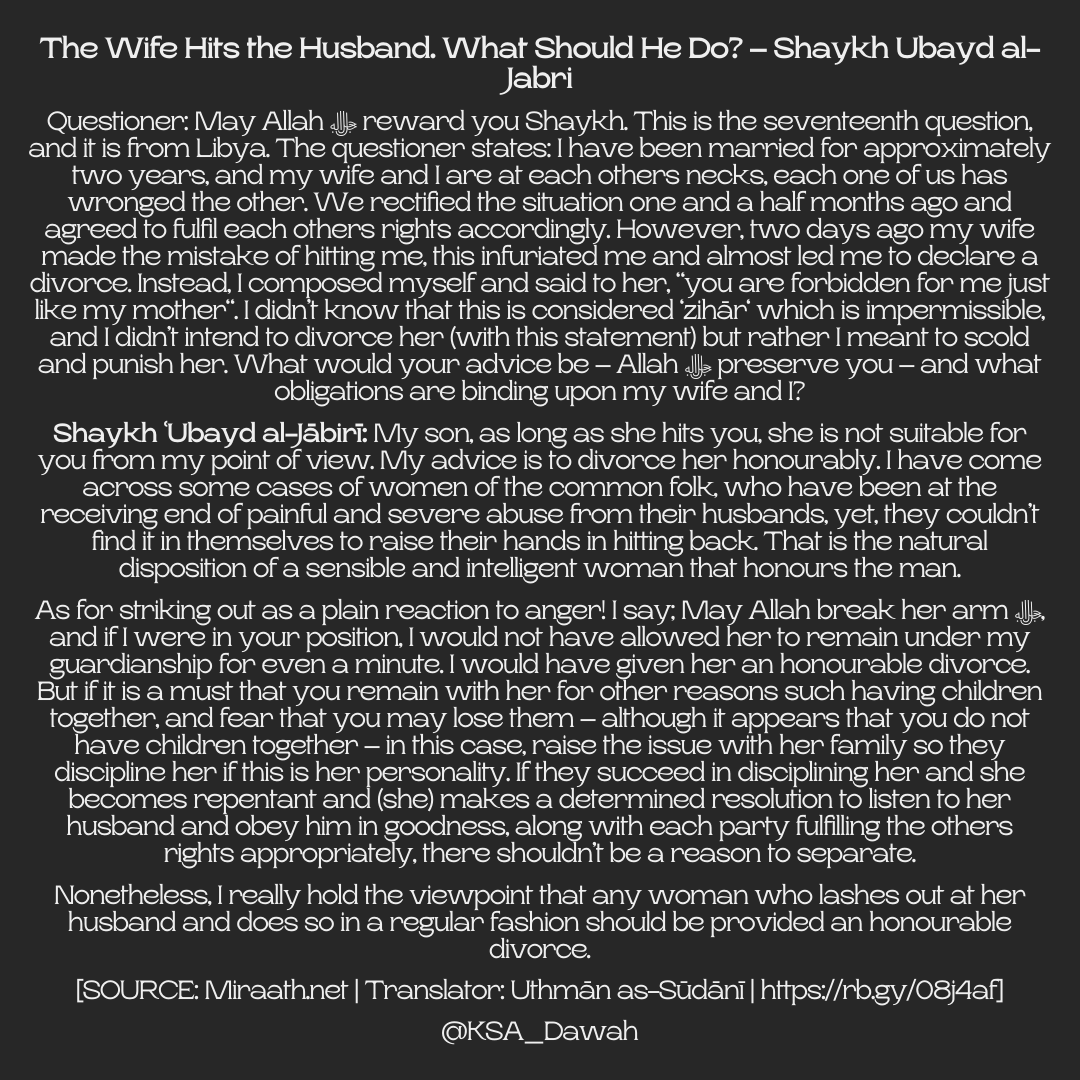
![MasjidHudaSheff's tweet photo. A short Biography of 𝗦𝗵𝗮𝘆𝗸𝗵 𝗦𝗮̄𝗹𝗶𝗺 𝗕𝗮̄𝗺𝗶ḥ𝗿𝗶𝘇 [حفظه الله] bearing 𝙩𝙖𝙯𝙠𝙞𝙮𝙮𝙖𝙝 for him by 𝗦𝗵𝗮𝘆𝗸𝗵 ‘𝗨𝗯𝗮𝘆𝗱 𝗮𝗹-𝗝𝗮̄𝗯𝗶𝗿𝗶̄ and 𝗦𝗵𝗮𝘆𝗸𝗵 𝗬𝗮̄𝘀𝗶̄𝗻 𝗮𝗹-‘𝗔𝗱𝗮𝗻𝗶̄ with reference to even how 𝗦𝗵𝗮𝘆𝗸𝗵 𝗠𝘂𝗾𝗯𝗶𝗹 𝗯𝗶𝗻 𝗛𝗮̄𝗱𝗶̄ 𝗮𝗹-𝗪𝗮̄𝗱𝗶’𝗶̄ held him in high regards [رحمهم الله].
Courtesy of @_MuSunnah](https://pbs.twimg.com/media/GafIOEzWoAABh_j.jpg)