Both these policies/metrics identified Huntington Park for increased attention, assistance, and investment. Increasing trust —the active ingredient in public health — can only happen if we continue to make such equity+evidence-based policy beyond this temporary COVID emergency
While the impacts of wildfire smoke are widespread, not all communities share in them equally. This blog explores the hidden economic impacts of wildfire smoke, with new @sffed data on how it hits low-income communities hardest. #EarthMonth https://t.co/0zTM007dAR
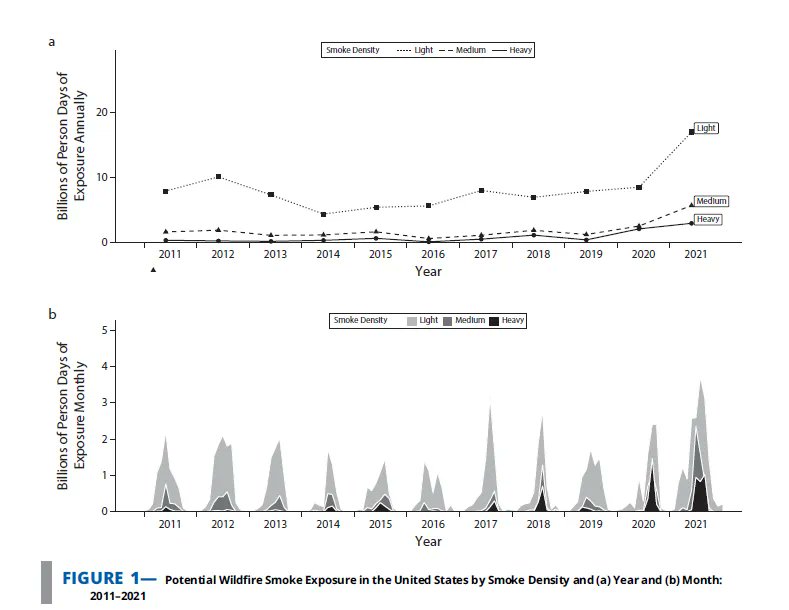
The 5-year annual average of heavy-density wildfire smoke person-days increased by 350%, from 307 million person-days during 2011 to 2015 to 1.381 billion person-days during 2017 to 2021.
https://t.co/3qTuQsm0cB
@_vargo@conlon_kathryn
This newly-released study on wildfire smoke is particularly relevant today.
It finds that from 2011–2021 there were increases in the number of days of heavy smoke in communities with racial or ethnic minority status, lower educational attainment, and crowded housing conditions
Social scientist Jason Vargo studies the intersection of severe weather events, their health impacts, and community development in his role as a researcher at @SFFED.
In this audio story, hear how @NASAEarth science data is making his job easier.
🎧: https://t.co/AzKjZe7Vgj
New data has revealed stark disparities in how different U.S. households contribute to climate change. Looking at maps of America’s cities, a pattern emerges. https://t.co/COkkiEVRXA
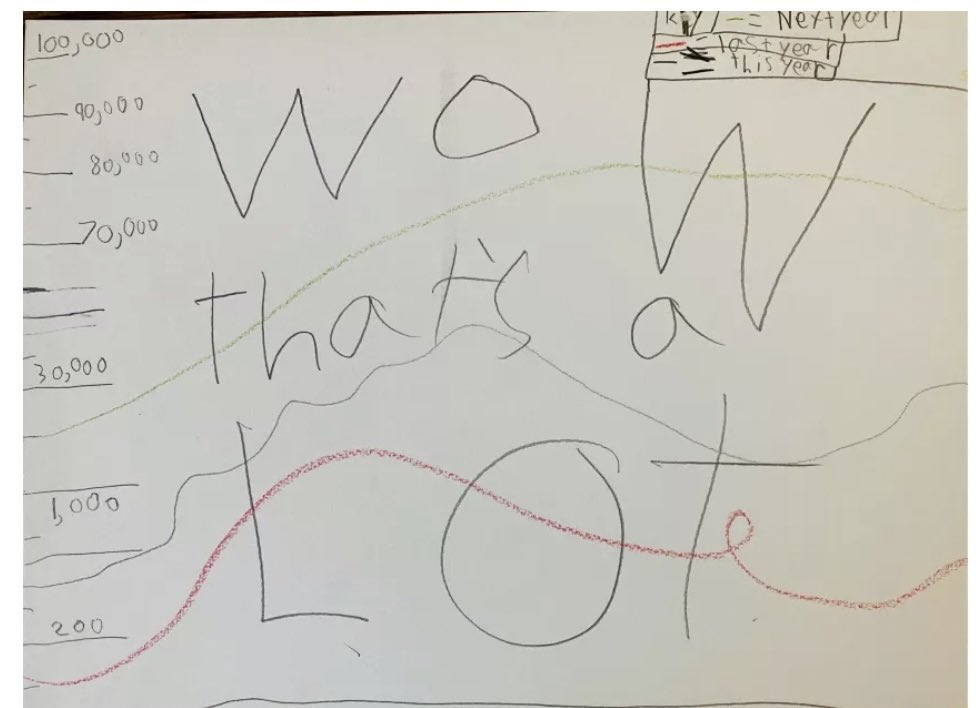
This #dataviz on CA #wildfires and the budding scientist who produced it are some of my personal favorites. Read the story here https://t.co/IY2Z44juQS
#WildFires, which are increasing in frequency and severity, are associated with increased clinic visits for #eczema and #itch in adults >65 years old. #OAResearch#OAWeek@r_fadadu https://t.co/kISEqzZtHG
@EloraRaymond The indices are also often good proxies for other data you might wish you had at a small scale. With COVID we found an index to be a good proxy for preexisting conditions, occupations without paid leave, delayed school reopenings, and hard to count populations, to name a few.
@EloraRaymond I think this can be more important than sweating over the inclusion or exclusion of a single indicator, again depending on the purpose. Most indices are capturing patterns about systemic oppression/privilege, but may be less useful for specific interventions or benchmarks.
Building partnerships across the public, private, and philanthropic sectors that support thriving economies was a key theme at our 2022 #NICRC. Learn more from our speakers about what investments in community infrastructure could look like: https://t.co/0h07hR5w1D
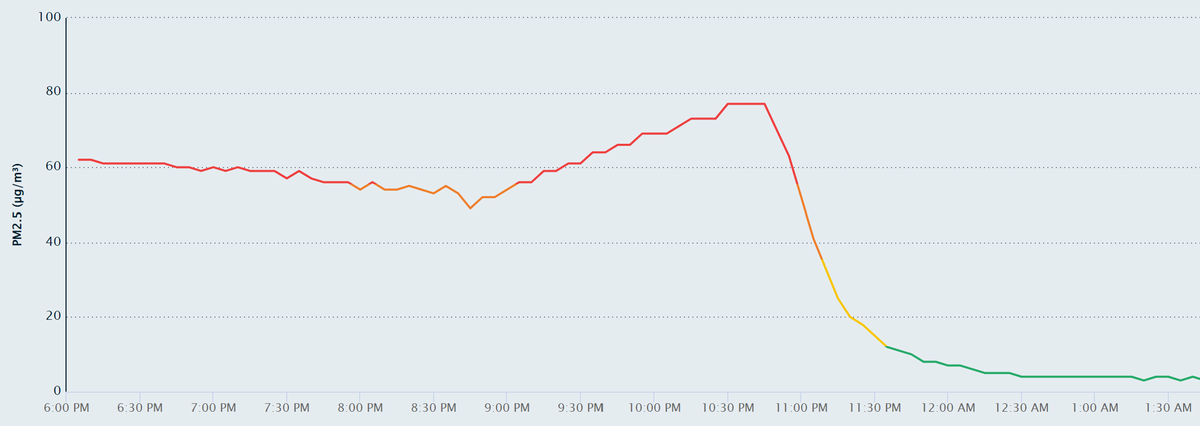
PSA: Box fans with filters attached really help reduce indoor air pollution during smoke events. The air quality in our home was worsening--you can see from our sensors exactly when we started running fans.
Climate change won't impact everyone in the world equally. Unfortunately, in the US, Indigenous communities are disproportionately affected by wildfires. Read more in this article 🔽 https://t.co/ikZ2480D8D #ClimateCrisis
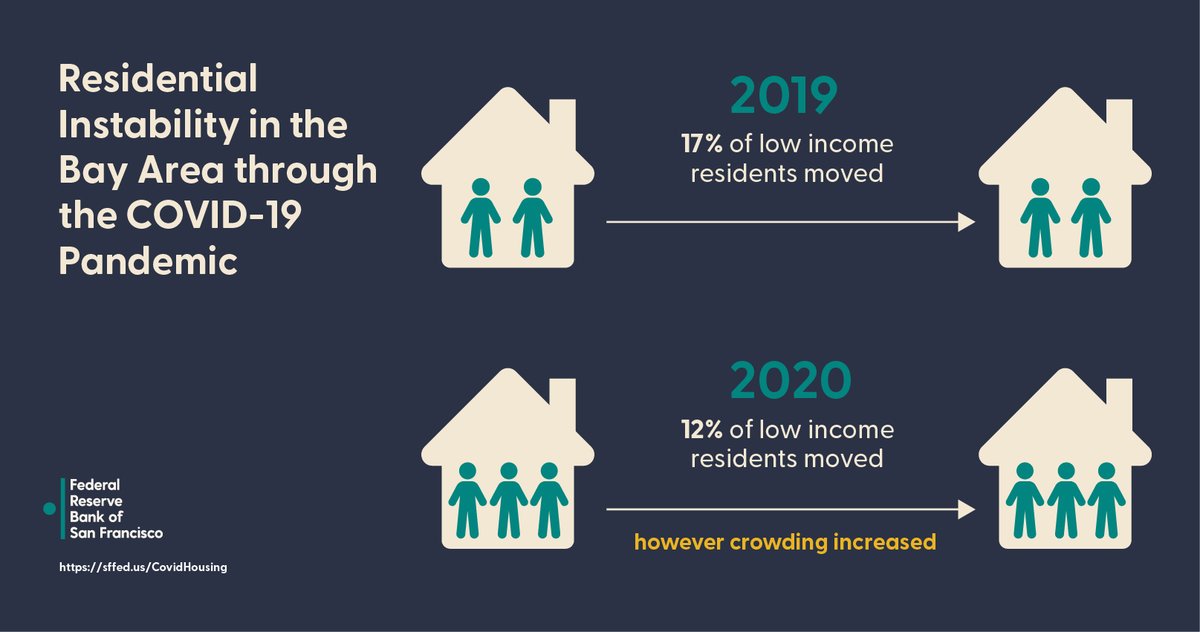
🧵A deep shortage of adequate #housing options in the SF #BayArea has worsened the impacts of the economic fallout from the #COVID19 pandemic. Researchers from @StanfordSoc & the @sffed#CommunityDevelopment team examined residential instability in the region during the pandemic: