nginx2root / CVE-2026-123007: our take after reading the Xint and Wiz writeups
Two teams independently built working unauthenticated RCE exploits against nginx. F5 confirms the bugs, and fixes are out (1.31.9 / 1.30.7). This is a serious one. Patch.
But the version number alone doesn't tell you whether a server is exposed.
The widely quoted "98.9% of nginx hosts are in the affected range" counts version strings. The two critical bugs (CVE-2026-123007, CVE-2026-123633) sit in the HTTP/2 code. They can only be reached if HTTP/2 is enabled, and nginx doesn't enable it by default.
A server is exposed to them when all of this is true:
- nginx 1.9.5 to 1.31.8 (stable branch: up to 1.30.6), without a vendor backport
- HTTP/2 module compiled in (true for most distro packages)
- HTTP/2 enabled on a listener an attacker can reach
Check from outside:
curl -sI --http2 -o /dev/null -w '%{http_version}\n' https://HOST/
"2" means HTTP/2 is on, "1.1" means it's off. Test the nginx itself, not a CDN in front of it.
Check on the server:
nginx -v
nginx -V 2>&1 | grep -o with-http_v2_module
nginx -T 2>/dev/null | grep -E 'listen.*http2|http2 +on'
No output from the last command means HTTP/2 is not enabled.
How common is HTTP/2 on nginx? We spot-checked a few hundred nginx HTTPS endpoints listed on Shodan: roughly two thirds negotiate it. So not 99%, but still millions of servers.
What to do:
- Update to 1.31.9 / 1.30.7 or your distro's fixed package. Distros backport, so check the advisory, not just nginx -v.
- Can't patch yet? Turn HTTP/2 off until you can.
- The same release fixes three more RCE bugs that need other features (resolver with a variable proxy_pass, HTTP/3, mail proxy). Patching covers those too.
Xint: https://t.co/ZI1JczxDR2
Wiz: https://t.co/tgVoxoVngG
F5: https://t.co/VtkQlNHymO
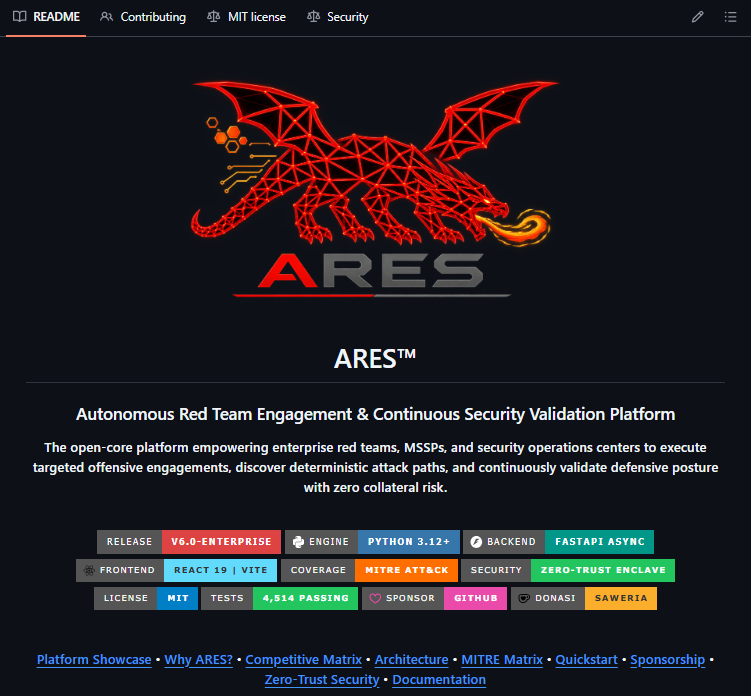
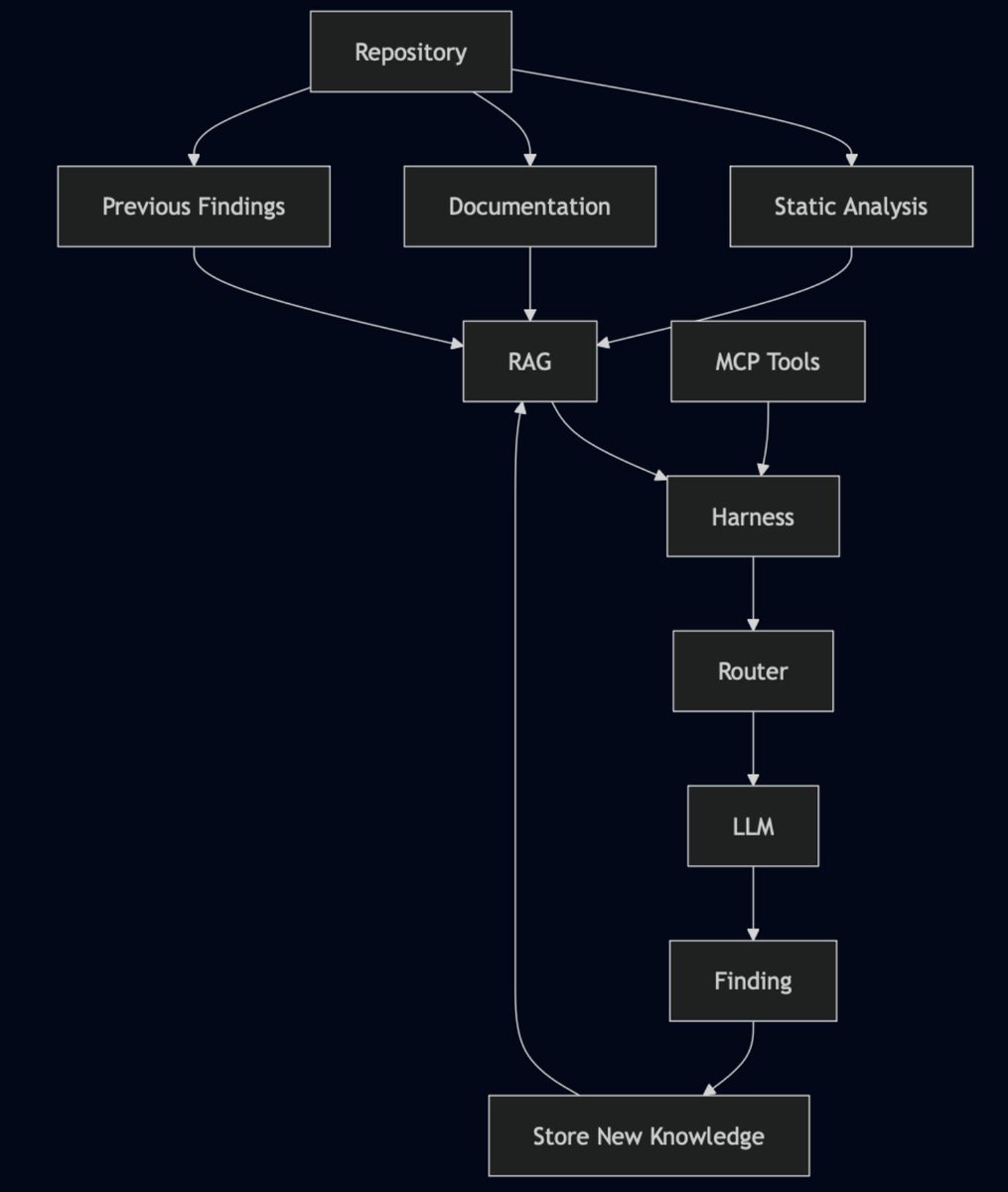
I've decided to finally release my vulnerability hunting methodology that I've been using for several months now, both in testing as well as live engagements with great success.
I was inspired by (and huge congrats to) the @Blackfrost_AI team open-sourcing Cyber-Frost Harness, their reproducible security-agent runtime with procedural skills, an evidence ledger, and isolated Docker targets for red/blue/purple work. 🎉
If you like the Cyber Frost Harness, and want some out of the box vulnerabilty hunting and POC development kit to go along with it - check out my VulnHunter.
It's already loadable: their harness reads standard SKILL.md skills. Point skill_dir at VulnHunter's (or run its installer), and the hunting, falsification, and PoC disciplines load immediately.
Repo: https://t.co/tK2fhcxwrI
CREDITS: This is fork of @CapitalOne original repo. I simply took it a step further on POC development and model agnostic. I'm also actively developing in my forked repo as I make more changes to it and welcome the contributions from the community as well.
I think I'm doing the whole "respect who you give credit to" drama, and I asked my model to double and triple check it. So i can blame the model if its wrong. Otherwise, dont put me on blast on X if i suck at credits. /s
Looking forward to developing on this further with the community.
Update on CVE-2026-12569 / Cl0p / PTC Windchill
It is likely that Cl0p is actively exploiting CVE-2026-12569 in PTC Windchill. The deployed webshells use a custom HTTP header (X-windchill-req) as their authentication mechanism, running within Windchill's own process context to blend into legitimate application traffic, while spawning background SQL threads that enumerate the full Windchill file vault to map data ahead of exfiltration.
A built-in custom Java class loader allows attackers to execute arbitrary compiled code server-side via Base64-encoded ZIPs, without ever modifying the webshell again.
The webshell also harvests and decrypts LDAP credentials directly from Windchill's keystore, enabling follow-on access well beyond the initial foothold. Given Cl0p's history of rapid, widespread campaigns and the speed at which copycat actors replicate their techniques, organizations using PTC Windchill and PTC FlexPLM should treat this CVE with the highest priority.
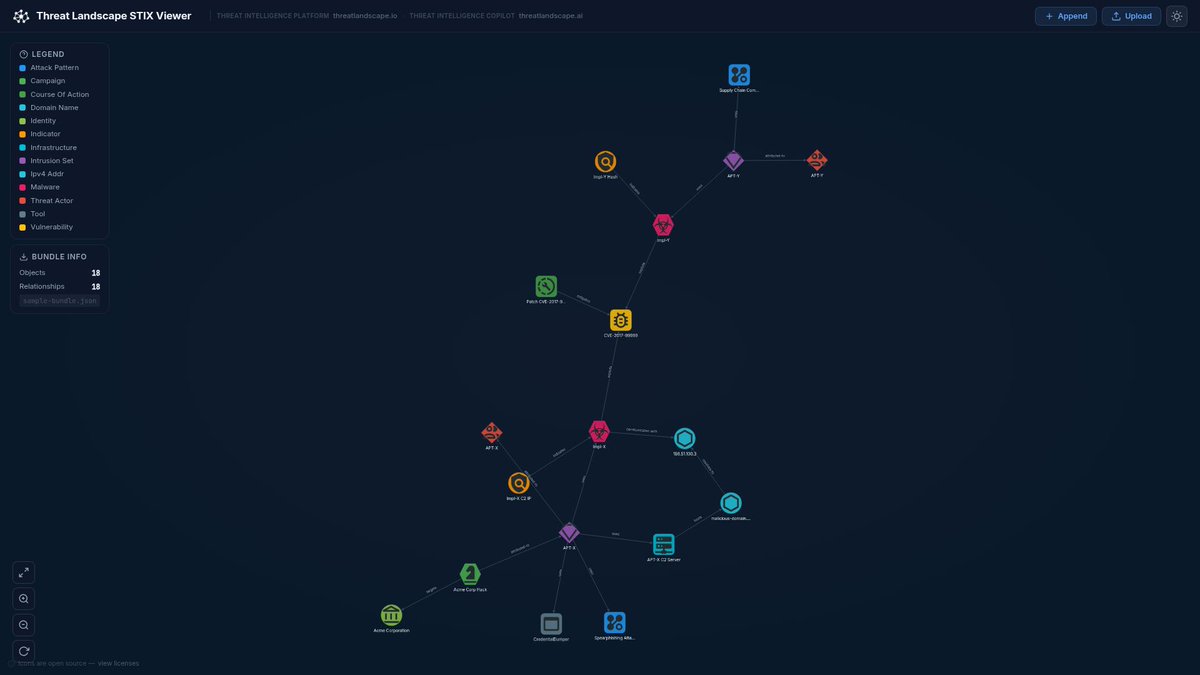
Stix Viewer
Visualize and explore STIX data for threat intelligence and analysis.
https://t.co/FaLwyLb6hR
All tools available at https://t.co/7YGpU9Rxsn
#OSINT#CTI#DATAVISUALIZATION
new blog post: shrun, apiwatcher, and argus: three malware analysis tools built with Claude
https://t.co/n4Gd9Icslr
#MalwareAnalysis#ReverseEngineering