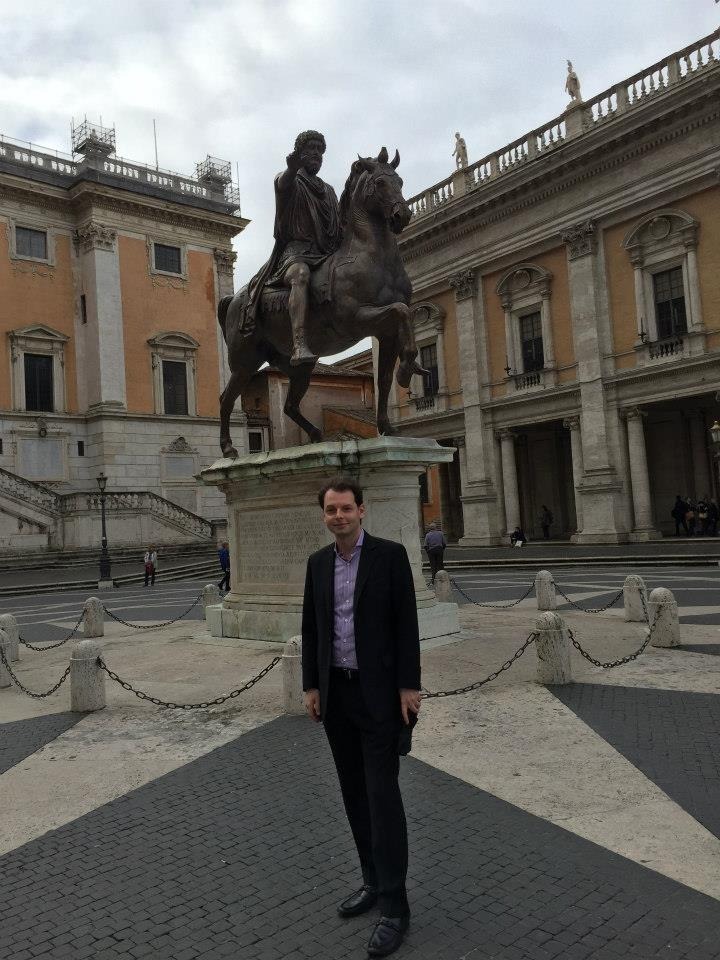
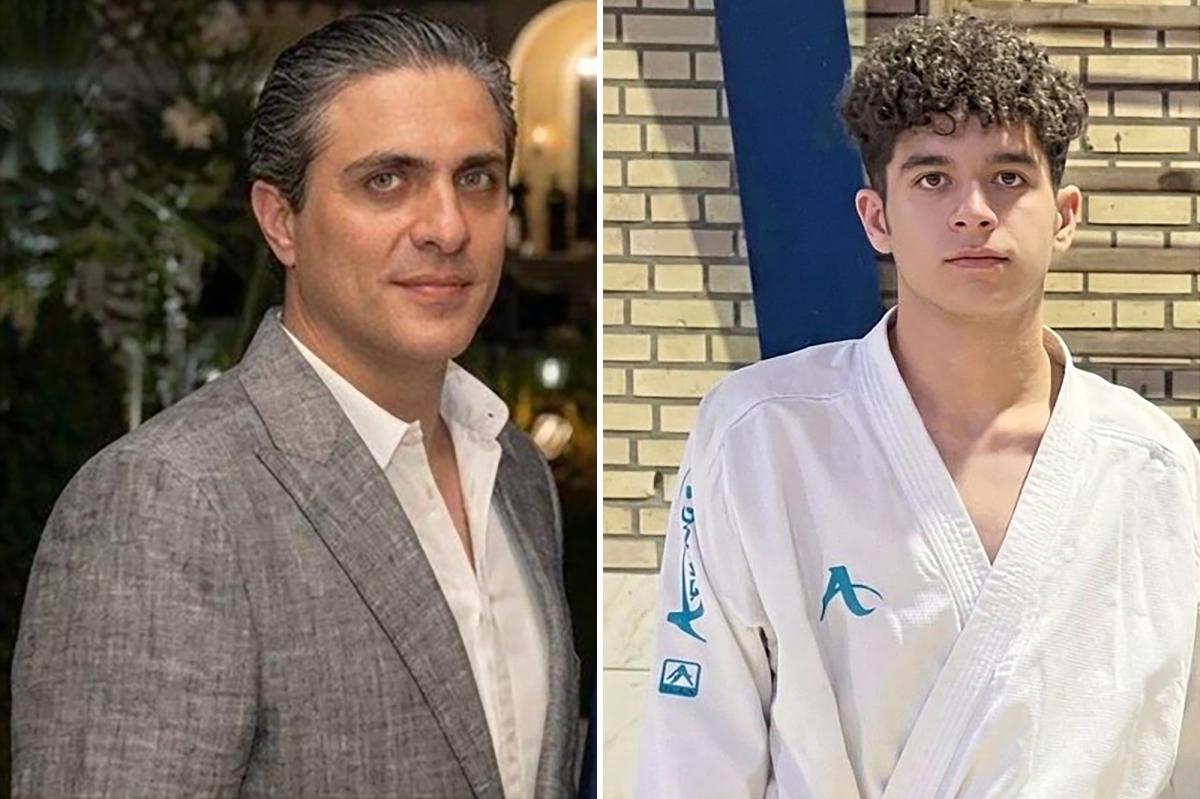
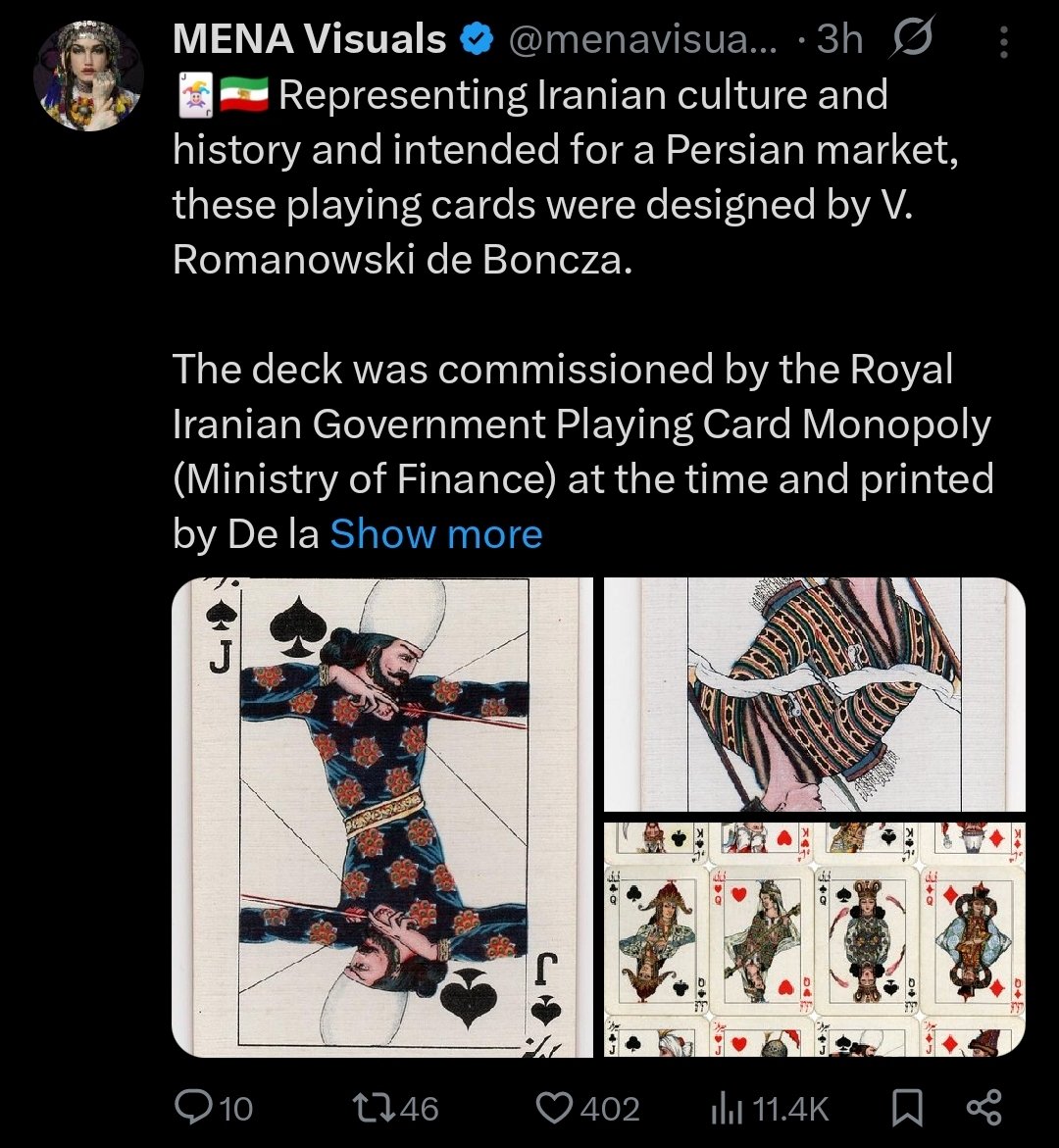
With Caesar Marcus Aurelius, Prometheus bless his name, scourge of the Christians, in ROME, and with Shahanshah Shapur the First, accepting the surrender of a much lesser Caesar in IRAN.
اینکه فرصت سلطنت پهلویها عملا اولین و مهمترین فرصت ایرانیا در ۱۴۰۰ سال اخیر بود که به نوعی اون شکست قادسیه رو جبران کنن و ایران رو آزاد و احیا کنن و بعد به این راحتی این نسل پدرای جاکشمون ریدن توش دیوونهام میکنه.
Eugenics is like a god we continually fail and fall short of giving him his proper and deserved worship but he nonetheless smilingly waits on us with the promise of hereditary excellence
Minted silver coin of the Ayyubid Kurdish Muslim ruler Ṣalāḥ ad-Dīn Yūsuf ibn Ayyūb (Saladin), presenting himself with a Sāsānian-style three-pointed merlon crown, which he used to serve as a powerful symbol of legitimacy, which his pre-Islamic ancestors associated with the Xwarrah (divine glory) of the Iranian king of kings. Particularly against the long standing enemies, the Romans/Westerners world, which re-emerged in Saladin’s time in the form of the Crusaders.
Contrary to what many people assume, the Ayyubids were largely aware of their Kurdish heritage and their deep historical connections to Iran and the Iranian world. While the Ayyubids were staunch patrons and sponsors of Sunni Shāfiʿī Islam, particularly the Ashʿarī creed, and worked from Egypt against remnants of the Shīʿite Fāṭimid regime, they did not abandon their Kurdish and Iranian heritage.
Even though their headquarters was located in an Arab and Egyptian society, they preserved Iranian customs such as the celebration of Nowrūz (the Iranian New Year which had two forms, one Zoroastrian, and one secular in the Iranian world). The Arab historian Abū Shāma Shihāb al-Dīn al-Maḳdisī records that Saladin’s father, Najm al-Dīn, requested his then overlord Nūr al-Dīn Zangī to arrive in Egypt at the beginning of the Nowrūz season so he could go to his son Saladin, and the rest of his family, and dependants as they celebrate.
Despite being based far from Kurdistan, the Ayyubid military and political structure remained heavily dominated by Kurds. This is why some contemporary and later authors, such as Muḥammad al-Khazrajī, referred to the Ayyubids as the “Kurdish State.” The most elite troops in the Ayyubid army were the Kurdish Mihrāniyya corps, who served under Ispahsālārs. The name Mihrāniyya literally means “of Mithra,” referring to the Zoroastrian deity of contracts, oaths, Judications, and a protector of truth. The title Ispahsālār itself is a post-Islamic military rank derived from Middle Persian Spāh-Sālār, which traces back to the old Sāsānian officer rank of Spāhbad.
The only record of an Ayyubid we have that talks about the origins of Kurds as a people, Abū al-Fidāʾ/Abulfeda, a relative of Saladin, explicitly states that Kurds are racially, a group, within the Persian people. Which in Arabic, the language he published his book in, is used interchangeably with what was natively known as Iranian.
Outrage and crying over a Black Helen of Troy, praise for 300 — an anti-Iranian fantasy marketed as a ‘comic book’ that dehumanizes a nation and shapes historical perception.
It’s not about accuracy. It’s selective outrage.
این مادرجنده هروقت که یه کصشری راجب ایران میگه بعدش یه پست تاریخی میذاره و متاسفانه تعداد زیادی از شما هم براش اکلیل میریزین و لایکش میکنین تا دوباره بیاد تو feed همه.