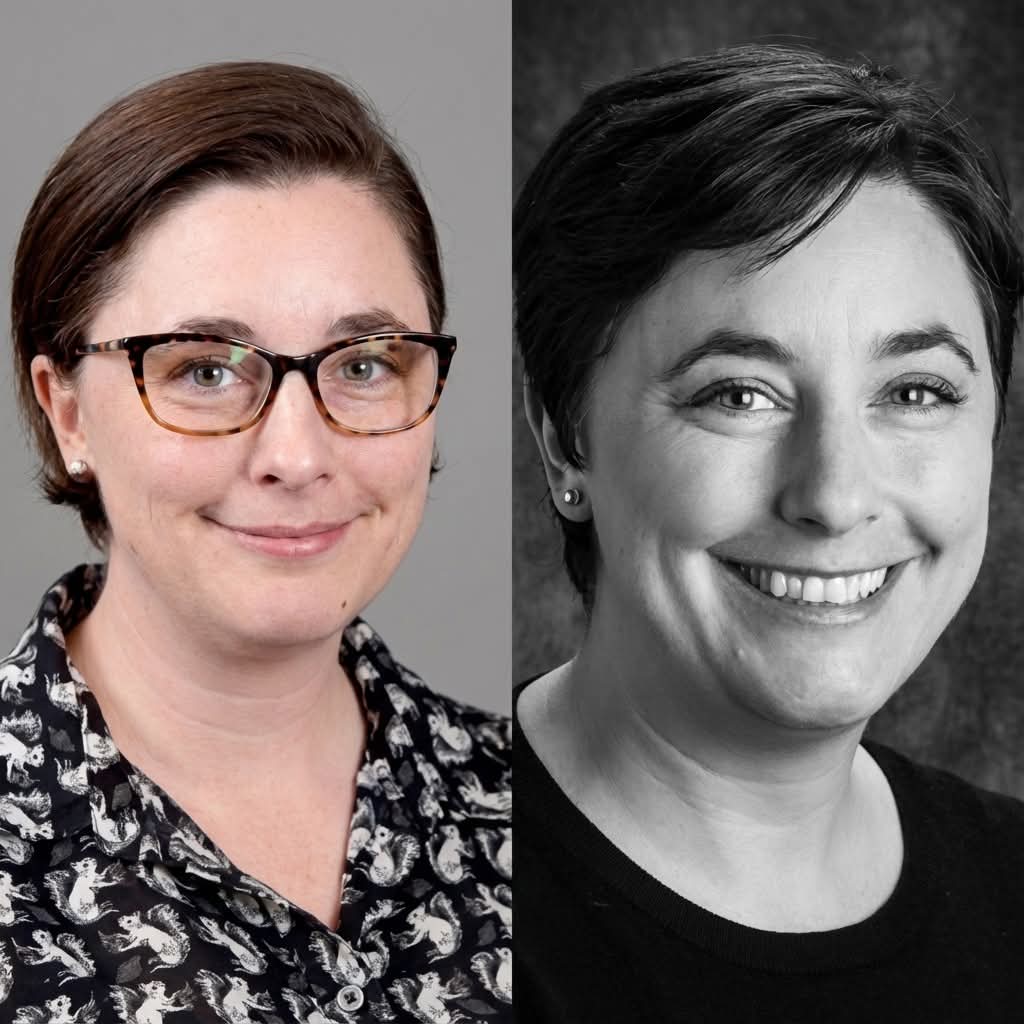
@KemiBadenoch my children love you! The snippets of your comebacks in parliament that they overheard got them hooked. My youngest was just role playing you at a restaurant now, followed by multiple questions about you that I can’t answer - made me laugh & I thought I’d share.
Best to avoid taking on the phone, on a packed train, close to other people’s ears, on a very hot day, I think.
But hey, at least the phone isn’t on speakerphone - counting every blessing.
Struggling to find the right words.
A man sat nearby on the train has his phone on full blast. How does he possibly think this is ok?
I can’t got my head around it.
Long journey, really hot day, very delayed & cancelled trains + an inconsiderate traveller - what a mix 🥲🥲
Why you must type *#06# into your phone.
Courtesy of @itvMLshow ‘Slash mobile phone bills and insurance costs’. Watch the full show on https://t.co/bVT2bNREhh
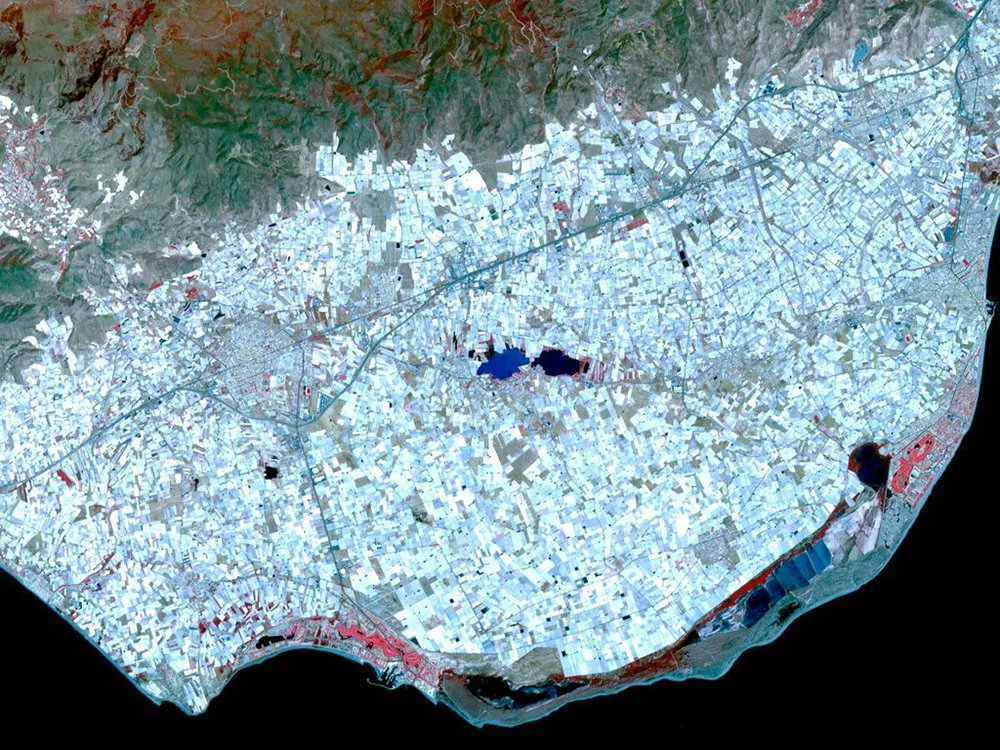
There's a region in southeastern Spain called Almería. If you look at it on Google Earth, you'll see something that looks like a glitch in the satellite imagery.
It's not a glitch. It's 64,000 acres of plastic greenhouses. So much plastic sheeting that it's visible from space. The entire landscape is white reflective plastic stretched over industrial farming operations growing tomatoes, peppers, cucumbers, and lettuce for European supermarkets year-round.
This plastic sea has created its own microclimate. The reflective surface is so vast it's actually lowered local temperatures by reflecting sunlight back into the atmosphere. Scientists call it the "Albedo effect of Almería."
The only place on Earth where human activity has cooled the local climate, and it's an environmental catastrophe they accidentally made while building plastic farms.
The plastic itself is single-use agricultural film. It degrades in UV light within 3 to 5 years, breaks into microplastics, blows into the Mediterranean, and ends up in the ocean and soil. Every year, 45,000 tonnes of plastic waste is generated just from replacing degraded greenhouse covering.
Inside these greenhouses, workers from Morocco and sub-Saharan Africa labor in 45°C heat for €30 per day, no contracts, no rights, spraying crops with pesticides that would be illegal if used on outdoor crops due to concentration levels. The ventilation is minimal. The chemical exposure is constant.
The groundwater underneath Almería is so contaminated with agricultural runoff that it's unusable. The region imports water from other parts of Spain while sitting on top of a poisoned aquifer they created.
And this is what supplies your "fresh" vegetables in January. Grown in plastic factories, by exploited workers, using groundwater they've contaminated, wrapped in more plastic, and shipped across Europe so you can have tomatoes in winter.
But sure, cattle grazing on Scottish hills are the environmental problem.
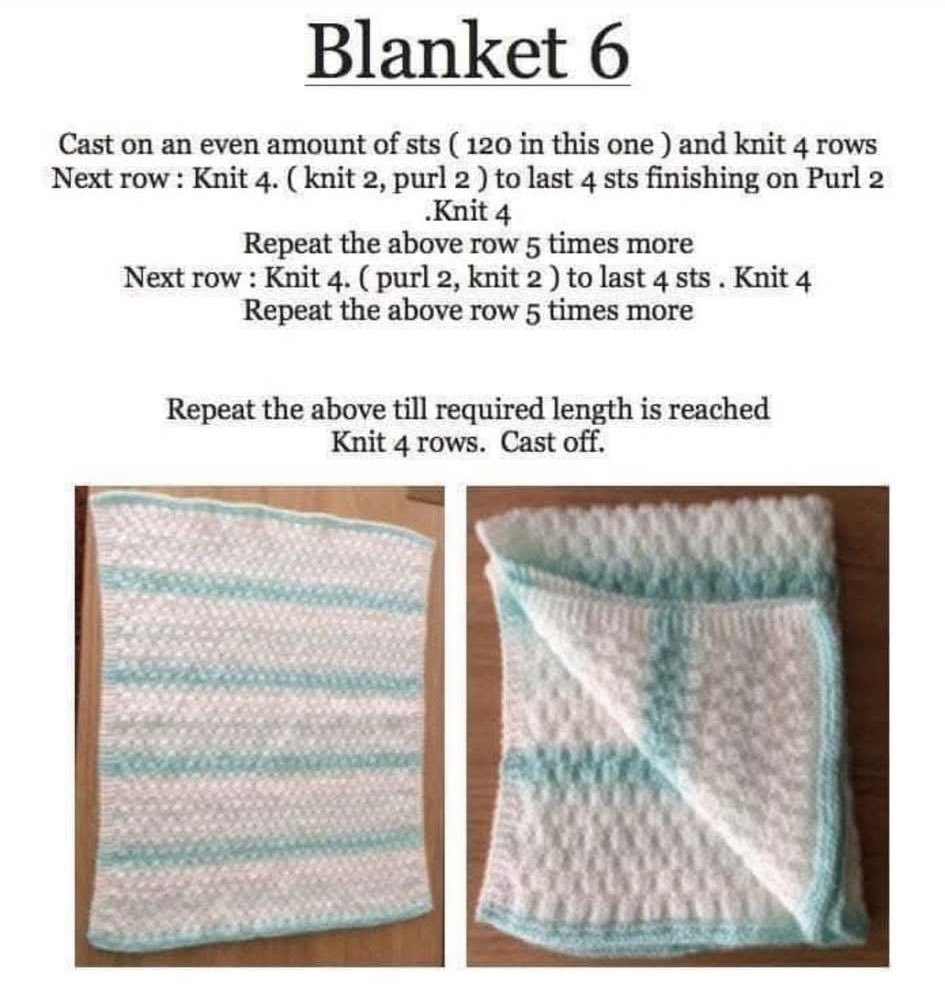
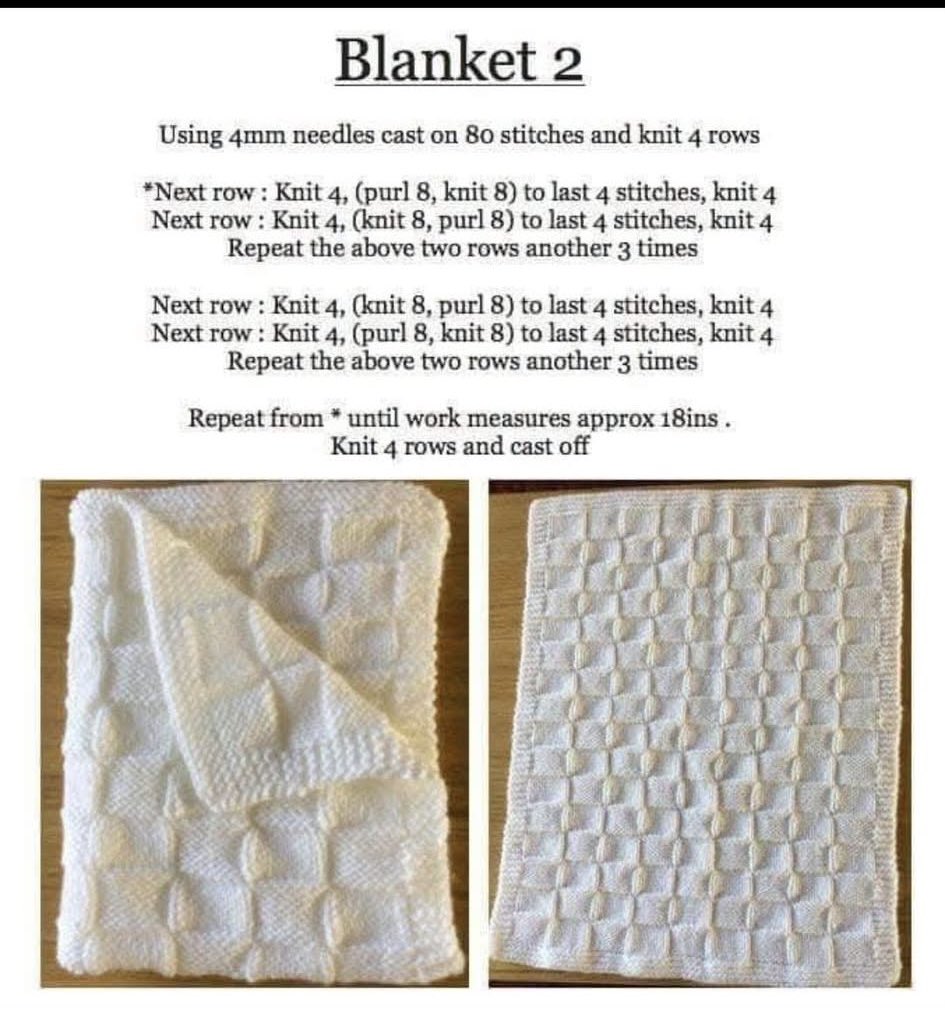
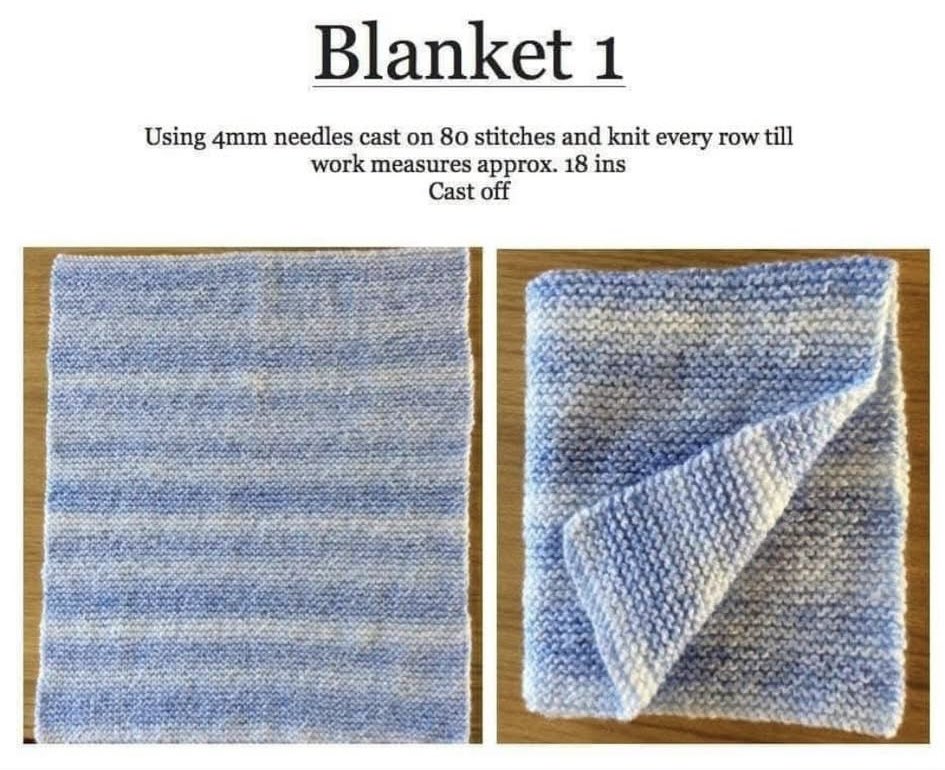
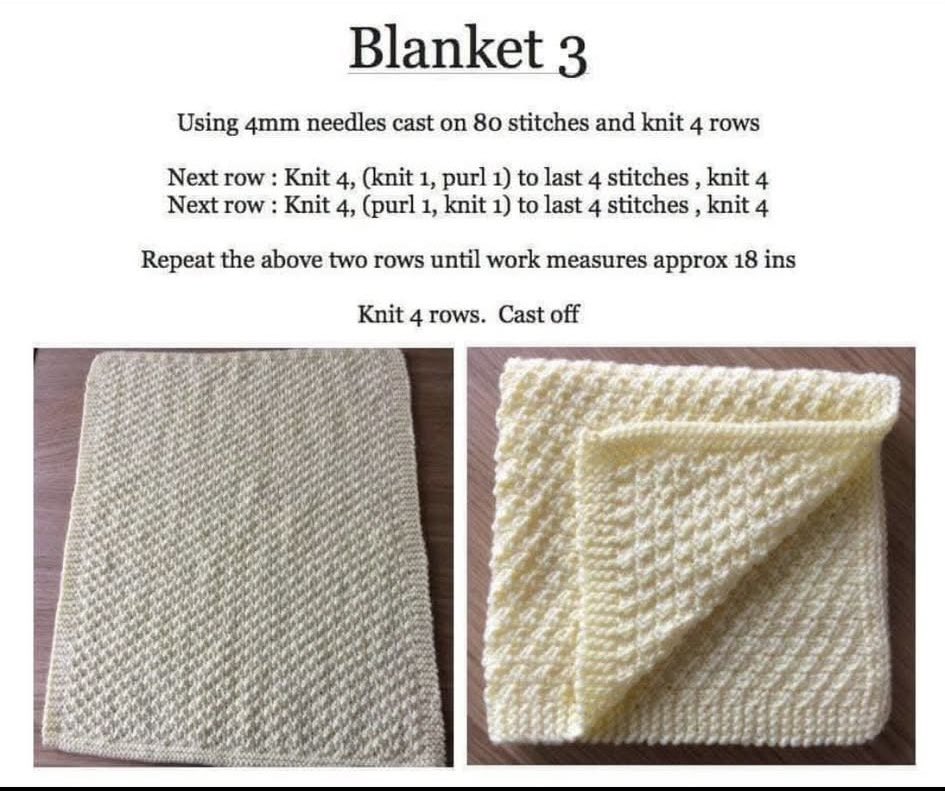
If anyone in the Norwich area know of any lovely ladies (or gentlemen) who are able to knit some blankets for our NICU babies at NNUH, we are in desperate need 🙏🏻🙏🏻
The patterns we use are below.
Thank you!
#NorwichKnitters#NICU
Too much salt leads to high blood pressure, which increases your risk of heart attack.
Don't let a high salt diet today cost you your health tomorrow https://t.co/P19hkYaNkR
In 2008, evolutionary anthropologist Katie Hinde began studying breast milk from rhesus macaque mothers. What started as a routine study turned into a groundbreaking discovery. She found that mothers raising sons produced milk richer in fat and protein, while those raising daughters had different nutrient balances. This led Katie to a radical conclusion: milk is not just nutrition—it’s information.
Her research revealed that milk shapes behavior, not just growth. For instance, first-time mothers produced milk with higher levels of cortisol, influencing their babies to grow faster but also become more anxious. Katie also discovered that milk changes based on the baby’s immune needs. When a baby is sick, the mother’s milk quickly adapts by producing more white blood cells and targeted antibodies.
Katie’s work, which challenged the scientific consensus, was largely ignored. She launched a blog, Mammals Suck Milk, to spark discussions, and her findings, including that every mother’s milk is unique, gained widespread attention. In 2017, she took her research to a TED stage, and in 2020, her work was featured in Netflix’s Babies. Today, as a professor at Arizona State University, Katie continues to revolutionize our understanding of infant development and lactation.
Katie Hinde didn’t just study milk—she uncovered a living, responsive communication system, revealing that nourishment is intelligence. Her discovery shows that sometimes the biggest revolutions begin by listening to what others ignore.
Charlotte’s Brain Tumour Journey
18.2.1997 – 24.2.2016
Diagnosis to death: 951 days
10 years ago today 22.12.2015 we are back at The Marsden for a physiotherapy assessment.
It was noted that Charlotte now has a wide-based gait. When turning, she needs to move slowly as she tends to lose her balance. Her balance is moderately reduced, though she is able to stand with her feet slightly apart.
We also saw her consultant, who felt that her facial palsy is worse than it was five days ago. Charlotte herself is aware that her speech has changed.
On returning to the car, Charlotte put her head on my lap and cried, “I don’t want to die.”
I couldn’t answer her not because I didn’t care, but because there were no words that could make it better.
Please RT TY
https://t.co/qGIjBOl3aq
A Cesarean section is the only major surgery in the world where:
Five to seven layers of tissue — skin, fat, fascia, muscle, and uterus — are carefully opened.
And A new life is lifted into the world — sometimes urgently, sometimes unexpectedly.
And within hours, the mother is told to stand, walk, and care for her newborn.
Six hours after surgery where stitches, staples, and deep incisions still burn — she is expected to:
Feed her baby
Change diapers
Bond through exhaustion
Sit up despite intense abdominal pain
And while healing, her body still goes through:
Contractions as the uterus shrinks back
Hormonal surges
Breast milk production
Emotional turbulence
Sleepless nights
Yet she keeps going — even when:
Laughing hurts
Sneezing hurts
Standing hurts
Sleeping hurts
Breathing hurts
Still… she does it.
Not because it’s easy.
Not because she feels ready.
But because her baby needs her.
And that — is strength.
To every C-section mom reading this:
You didn’t take the “easy way.”
You took the necessary way.
You chose life, safety, and love.
Your scar is not a mark of weakness —
✨ It is a silent badge of courage. ✨
Whether planned, emergency, or after hours of labor —
you brought a life into this world with bravery few will ever understand.
So hold your head high.
Rest when you need to.
Heal at your own pace.
And never forget:
You are strong.
You are enough.
You are a warrior.
i