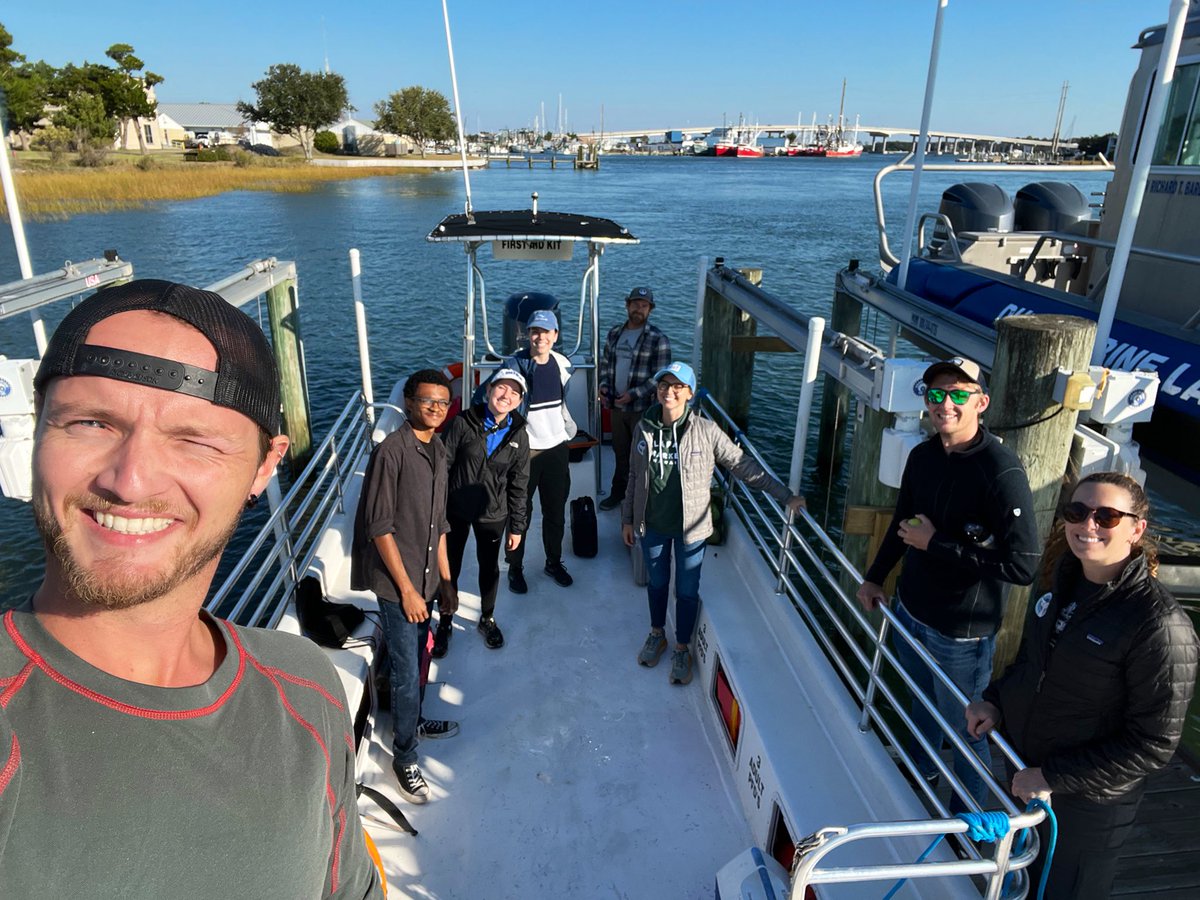
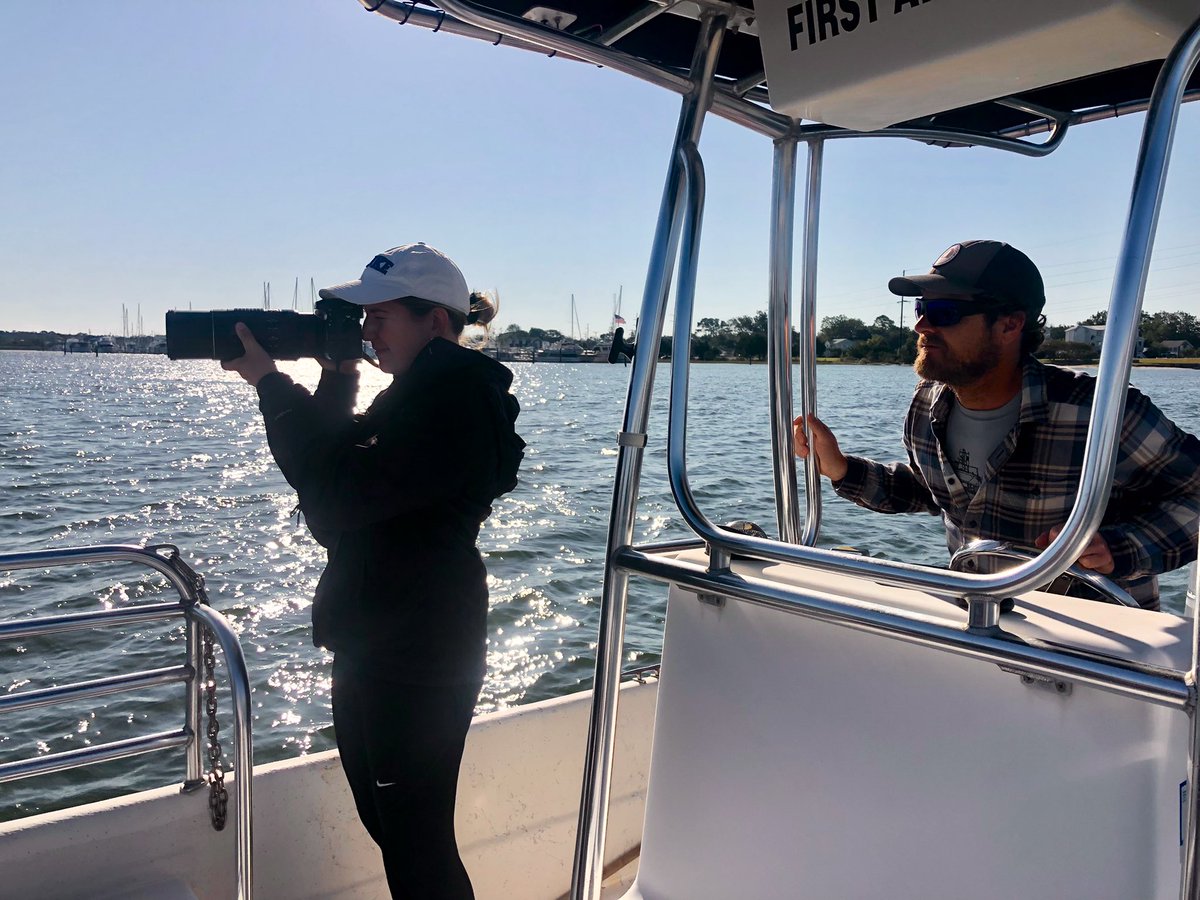
Successful day studying estuarine dolphins around @DukeMarineLab with undergrads on our @BassConnections team… students learned how to take photos for dorsal fin ID, collect sighting info, and prep biopsy gear (NFMS Permit #22156).
New remote sensing paper out today! Check out our latest work at @MarineUAS & @DukeMarineLab in collaboration with @noaaocean@noaacoastalsci using UAS photogrammetry to extract quantitative properties of coastal ecosystems 📈 #Tech4Wildlife
https://t.co/r3zElPmj50
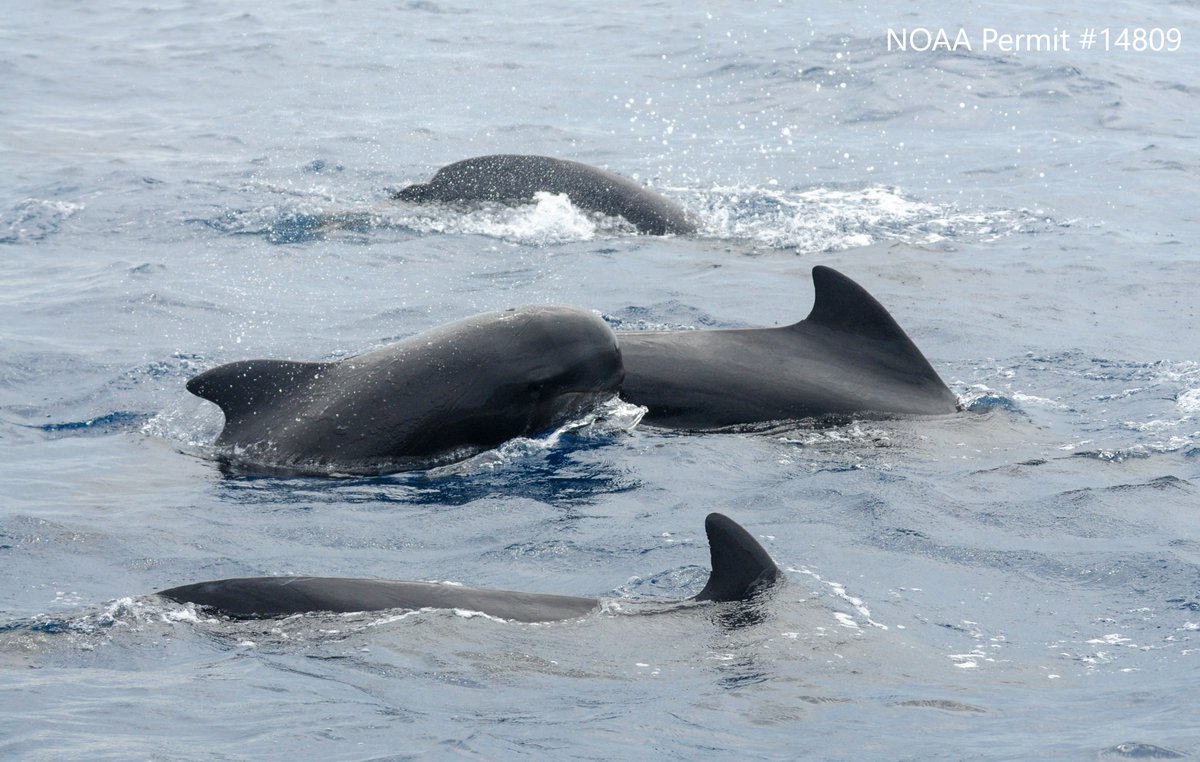
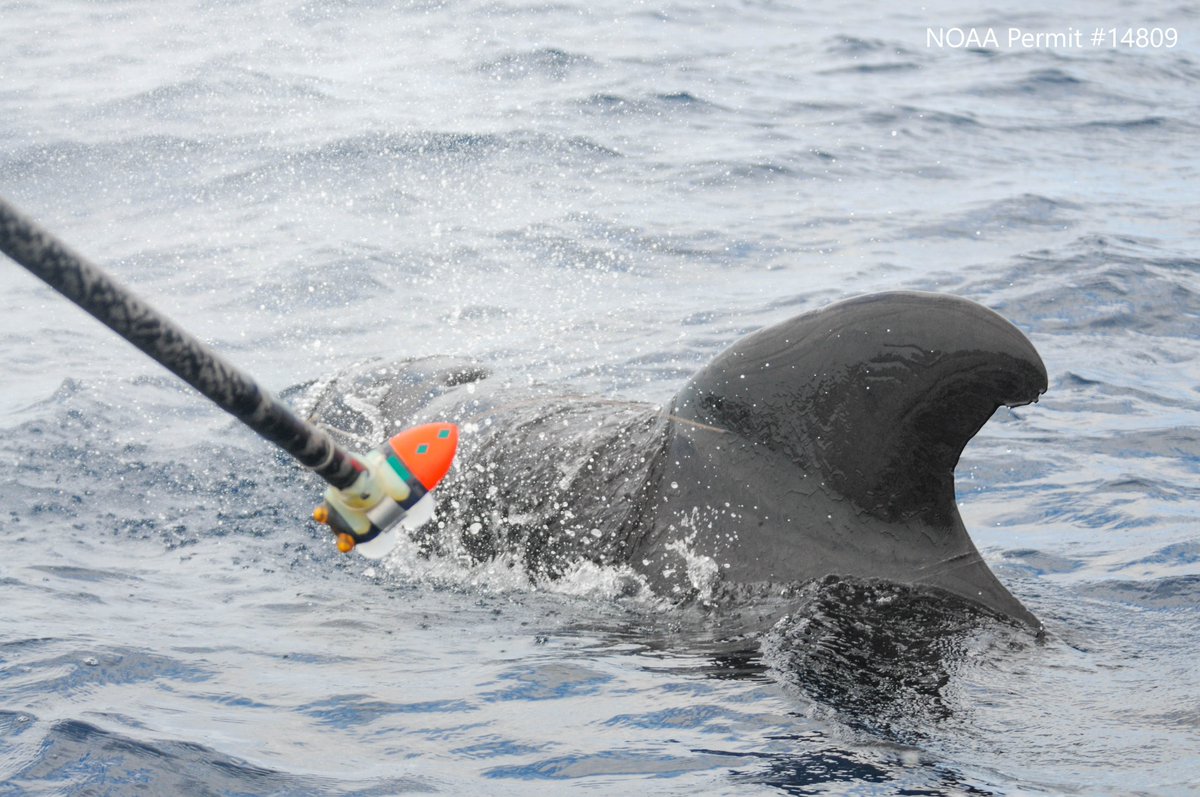
It's amazing how much data you can collect in 2 days when you have the ultimate dream team! Fresh off a mini-cruise with 3 pilot whale DTAGs, 8 UAS flights, 2 biopsies, long-term resights (including previously tagged whales!), and many photos to ID!
📸: @a_blaw NMFS #22156
I’m SO excited to have been awarded an NSF INTERN grant to work with @scifri in the fall!
@NSF-funded grad students interested in jobs outside of academia: consider applying!
It’s generous, flexible, and a great opportunity to broaden your professional horizons.
Excited to be joining #WiDS2022 virtually today to learn from awesome women in #DataScience! Especially looking forward to the #wearables data talk to think about parallels with animal #biologging data ⌚️📊🐋
Excellent article on a recent paper lead by @austin_s_allen describing a proxy to estimate dolphin energy expenditure from #biologging tags! Look forward to seeing this applied to wild populations🐬 https://t.co/WAgiLYAIHx
This work was especially exciting for me to learn new skills in molecular bio and think about how levels of biological organization are connected through molecular + physiology data. Looking forward to more collaborative work with @DukeMarineLab and @DukeCancer in the future!
Excited to share the final version of our recent paper on the molecular response of dolphins to breath holding published in @ISEMPH! With awesome co-authors @JSomarelli @Dolphin_Quest@dpnowacek and many non-Twitter folks: https://t.co/LRYYP2tRiM
See thread below for summary:
Though we don’t know how dolphins may be dealing with inflammation during a dive, these results do reveal potential molecular mechanisms at the intersection of ischemia, hypoxia, and vasoconstriction that may contribute to the adaptation of dolphins to life in the ocean.
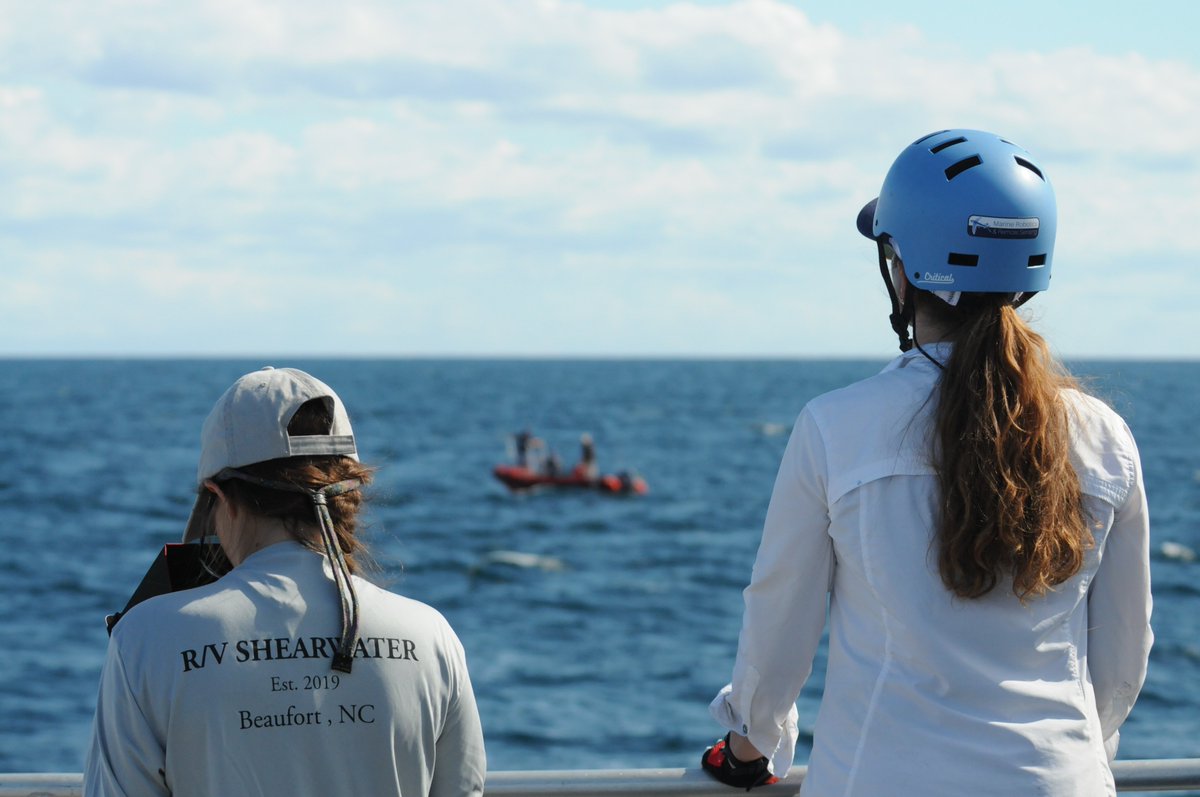
Inaugural student cruise on the RV Shearwater was a huge success! 3 DTAGs out on pilot whales with drone flights to capture respiration events + acoustic and community comp. sampling across the Gulf Stream front. Big thanks to my co-Chief Sci. @clifgray and the whole team!
Check out our new paper that describes the anatomy and timing of #pinniped hearts. Using #ECG and #echocardiography we showed that heart measurements of Steller sea lions, northern fur seals, and a walrus are similar to other #MarineMammals.
https://t.co/QUDpU1jPrR