Vending machines verify coins by looking at their diameters and compositions. However, there are instances where these two properties are extremely similar for different coins, which can trick vending machines. What else could we do to authenticate coins?
https://t.co/4KYrE7h8Mm
This is an example of why thinking using both an attacker and a defender's mindset is important - in this time of increased security risks, companies have to anticipate possible attacks and take more measures than normal to protect against them.
Dell has released a tool to monitor for changes to a computer’s BIOS to help protect against BIOS attacks. They mention that the current quarantine conditions increase the chances of BIOS attacks occurring, which is why this tool is especially useful now.
https://t.co/tPmKo4HPm8
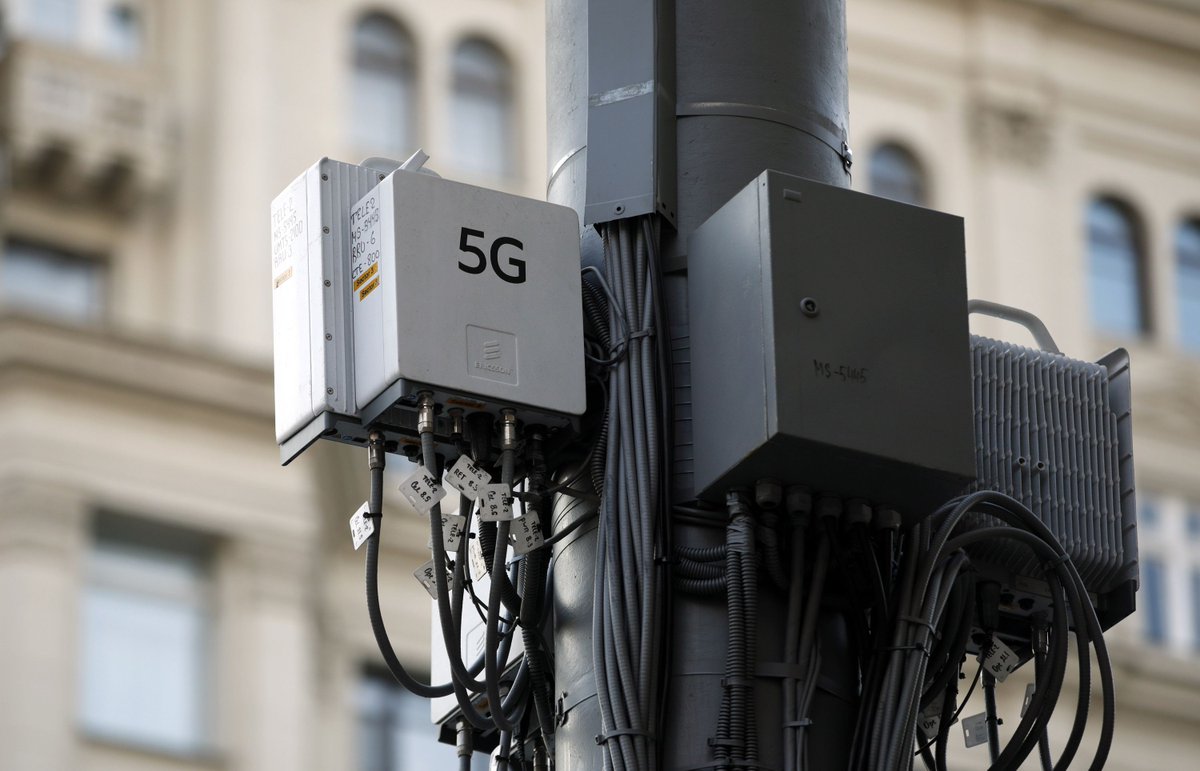
Article about the 5G/Coronavirus fake news and the impact it's having in the UK below. The spread of such falsities just makes a terrible situation even harder to deal with.
https://t.co/0DKUNBMwJn
There's a lot of fake news being spread now, and whilst you may realise it's fake, there are people who believe these stories and it can lead to things like people setting fire to 5G towers. This article is a really interesting read about fake news and learning to identify it.
I didn't expect to go down the 5G rabbit hole when I asked about it a couple of days ago, but it makes for amazing reading. Not the tech and whether it's dangerous or not, but the constant hoaxy behaviour and disinformation campaigns around it https://t.co/Lb9kBqlThS
@z5254580 I agree. This is a type I/II error situation - your signature never looks *exactly* the same every time you write it, so it could be easy for a forged signature with very slight differences to be mistaken for a real one, but a rushed signature could also be flagged as a fake.
This misinformation leads people to believe that they're using a service that's more secure than it actually is - they trust it more than they should.
Given how many people use Zoom now, if Zoom was hacked and this data was uncovered, the consequences could be disastrous. [2/2]
Secrets are hard to keep, even more so when you’re sharing them using a service with many security faults which also indicated that end-to-end encryption was being used for video meetings when it actually wasn’t. [1/2]
https://t.co/t8a5bX0akr
Computer scientists reconstructed the image of a whole room using the reflection from a snack package. Technically speaking, for science they reconstructed a room using a Korean brand of chocolate-dipped corn puffs called Corn Cho. https://t.co/tZARuJAH4e
An interesting article about how location data from mobile phones can be used to track the spread of COVID-19 and monitor the effects of social distancing, and the privacy issues raised by this. [1/2]
https://t.co/7Cc5Kslb4f
@Wendy56983382 It would definitely help! Especially now, since you won't be traveling around, there's not really much point keeping location services on unless you actually need to use it.
Maybe deriving your encryption key from information you can access by using an RFID reader isn't the best idea...
Also shows the importance of having more bits of security.
https://t.co/xulsoyRr4l
A zero-day vulnerability was found in Google Chrome, but has now been fixed in an update. However, an exploit is said to exist and with many users still running Chrome versions containing this bug, this could expose many to an attack. Update Chrome now!
https://t.co/RzEphAOtME