@timeisfunny@BlackDumpling Thanks. The main result was that women prefer strong, tall, lean men with importance roughly in that order. Controlling for how strong a guy looked, taller men were more attractive. But strength a more powerful effect. The photos may not capture the allure of height well.
@padredesush@jakozloski That is what we found, but keep in mind we used photograph ratings of attractiveness. We standardized the distance so height was plainly visible, but when confronting a real man height might have a larger effect. I suspect not though.
How strong a man looks explained over 70% of how attractive women rated his body.
Add height and leanness and you get to 80%.
Study: https://t.co/XxEujdKKf8
@0xinternetchild@BrandonLuuMD It does take height into account somewhat, but photos of men may not capture the sensation of seeing a tall man. Ratings did show women prefered tall men even controlling for strength.
@DieselDog82@BrandonLuuMD@zoecabina Well...it has some relation. Women have been known to look at men and evaluate attractiveness. There are many other assessments as well.
@continetti@MJ_Koch@WSJFreeEx@WSJopinion A meta-analysis of 36 studies finds that "longhand (written) versus digital notetaking methods" has no effect on academic performance (g = -0.008) https://t.co/qljS1MeA5E
@RuedenChris@robkhenderson Agreed. Those are hard to isolate though. The adaptations don't know their function. So we have to design experiments based on other predictions from each selection pressure.
@julebrus_kongen@MackenMurphy The men were in normal male ranges. We had 2 sample, one had some ripped guys, and they were the most attractive, but they were competitive bodybuilders in their prime.
Bjorn Lomborg, an early survivor of 21st century cancel culture, has long raised vital questions. Rather than disputing his logic or conclusions (which he would be the first to admit could be wrong), academics & activists tried to demonize & silence him, a trend that grew. @Marian_L_Tupy recounts the history. https://t.co/cjVfAENlYo
Psychologists: if you want to complain about how our field lacks a theoretical paradigm, try looking for one in evolution—the thing that actually made the human psyche. Seems like a good place to start, no? At least give that a try before throwing up your hands in despair.
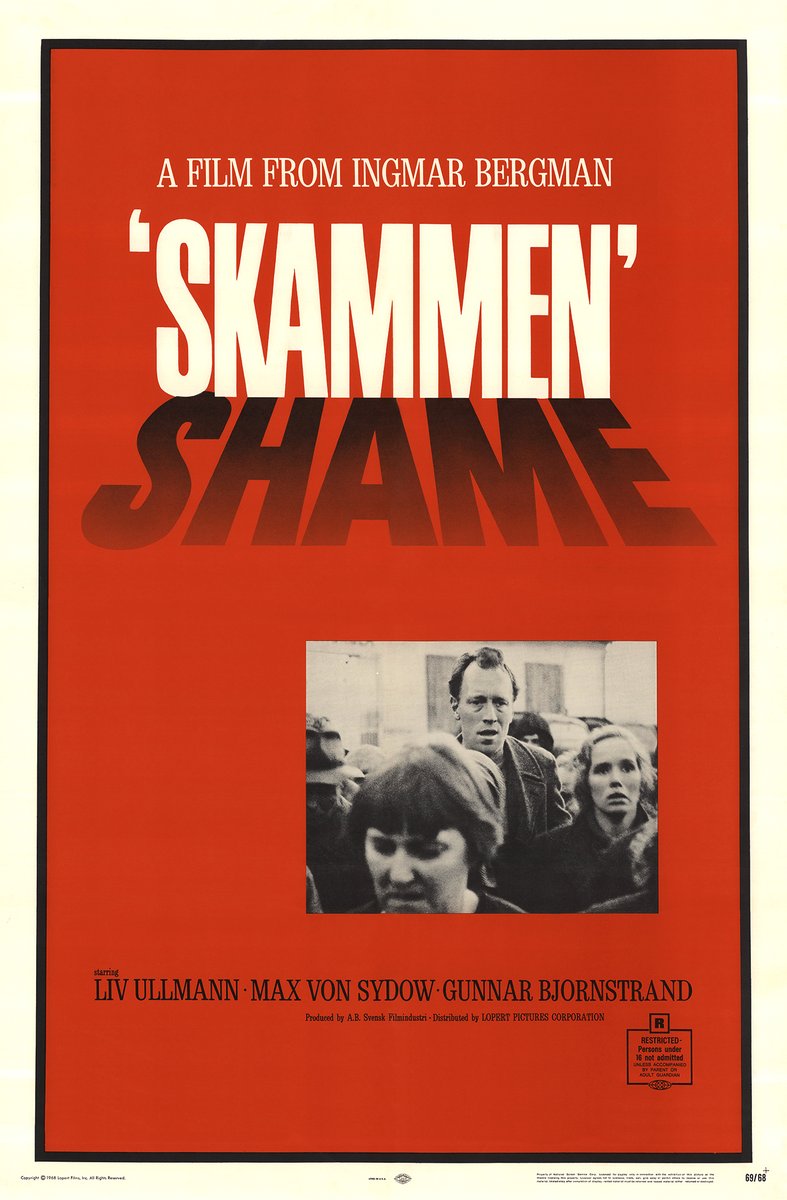
Why do we feel shame?
According to popular theories, shame is either (i) ugly and maladaptive, or (ii) a tool for conforming to social norms.
But what if shame evolved for a different reason entirely?
The information threat theory of shame https://t.co/chRx9IOI84
@ynikewee