@mvdeshmukh's lab details how plant proteins are able to stall viral infections by capturing the viral genetic material. Better we understand this. we open ways to newer biotechnological tools for not only plant but human healthcare too.
https://t.co/OiY012Arn3
@CSIRIndia
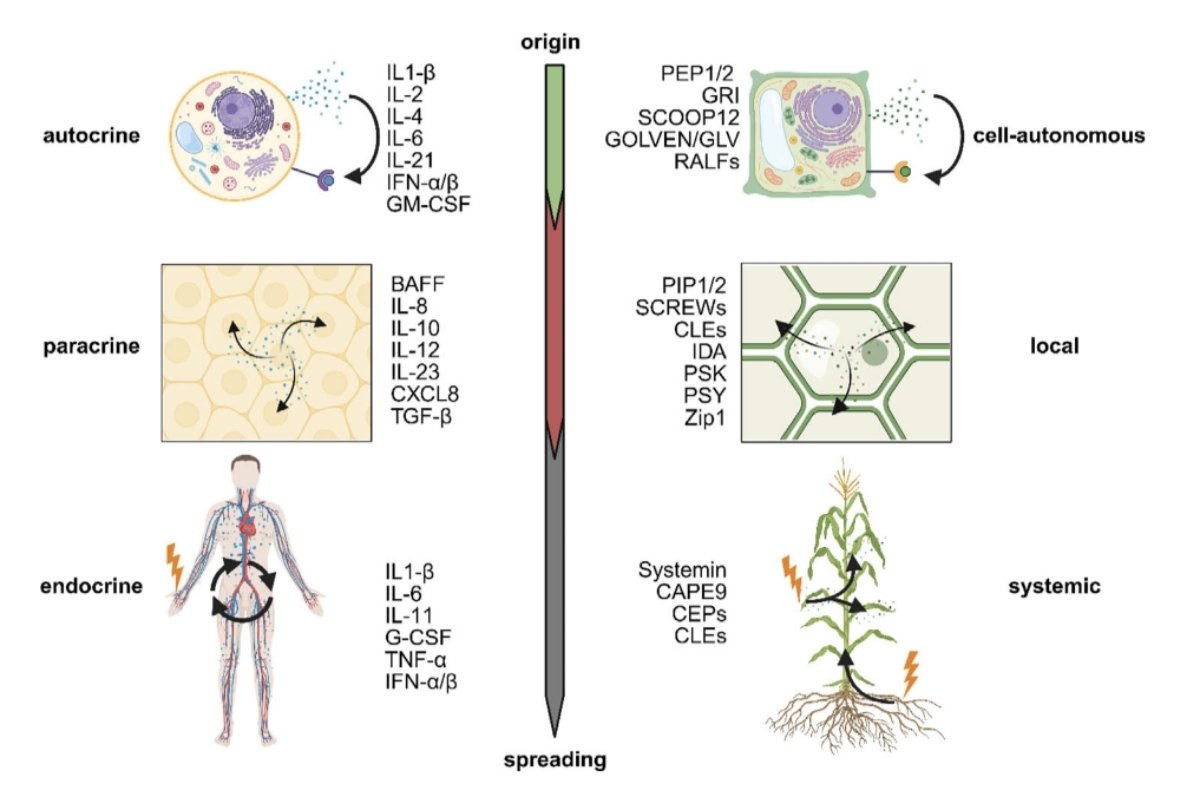
Plants use immunogenic peptides to coordinate immunity. Pathogens can mimic them to hijack defense. 🌱
We compare phytocytokines with animal cytokines and ask how these signals are made, released, mimicked, and controlled in space and time.
https://t.co/6fyp4TK2WC
Plants can’t escape the heat—but they can adapt 🌱
Salk scientists have discovered a built-in cellular “thermostat” that helps plant roots sense temperature changes and adjust their growth in real time. Instead of making new proteins, plants rapidly activate existing ones—allowing roots to keep growing and access water and nutrients even in fluctuating conditions.
Why it matters: Understanding how plants respond to environmental stress could help scientists develop crops that stay resilient as temperatures rise.
Learn more: https://t.co/PRr9HGs3vj
#PlantBiology #ClimateScience #FoodSecurity #SalkInstitute
Nano-priming modulates antioxidant enzymes and NHX/SOS-mediated ion homeostasis to improve salinity tolerance in barley genotypes
https://t.co/VCC8X996BI
♻️
I am pleased to share this preprint:
“Editing the conserved IPA1–TB1 regulatory module reshapes plant architecture and enhances tillering in wheat.”
Pls read here: https://t.co/oOs0nHdezz
Feedback and discussion are most welcome.
We are deeply saddened by the passing of Philippa Borrill @JohnInnesCentre, an excellent wheat researcher and Carlotta Award winner. She was a fantastic addition to our community. Our deepest condolences to those close to her.
https://t.co/SmZlTZf0Yc
Newest paper from our lab lead by @Daniel_Nucifora. We show that the entire genome of A. laidlawii can be transferred directly into yeast by cell fusion. Cloning whole genomes in yeast is a key step toward building and engineering synthetic cells.
https://t.co/P1f4EtYYOg
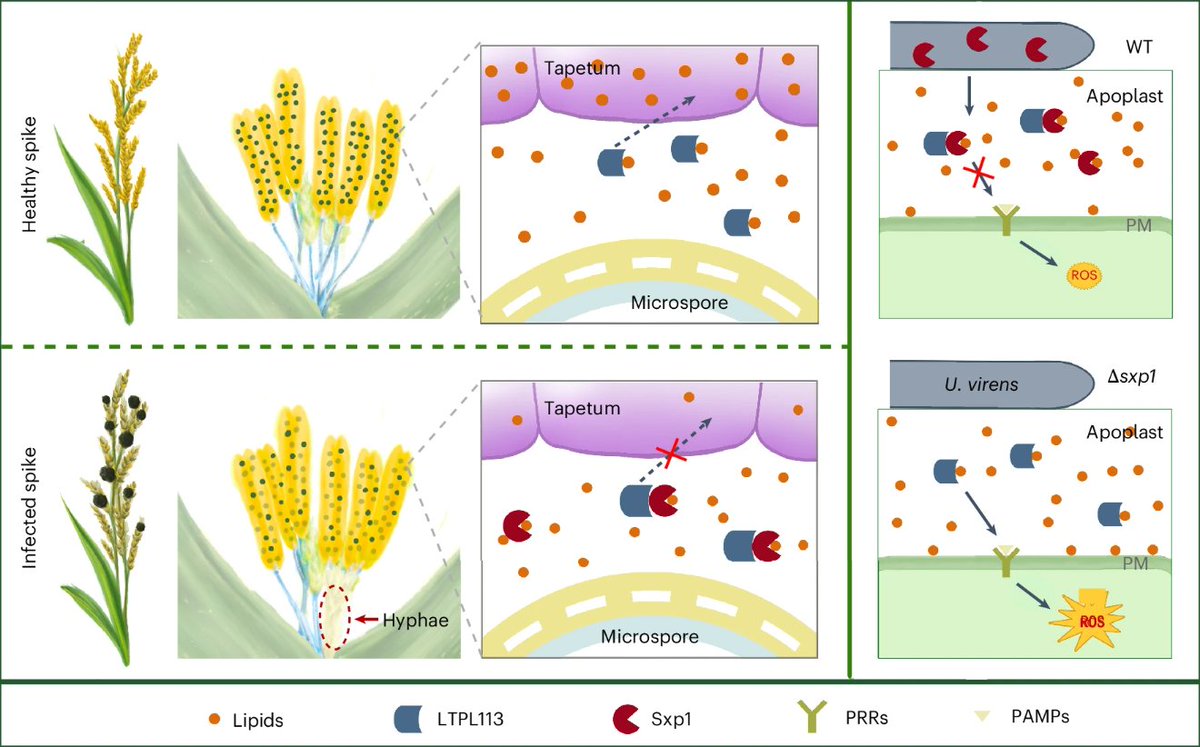
New Article: "Rice false smut fungus hijacks rice lipid signalling to manipulate floret development and immunity" https://t.co/M8sNRRUxDn
Fungus disrupts floret development and suppresses immunity by secreting the effector Sxp1, which targets a lipid transfer protein.
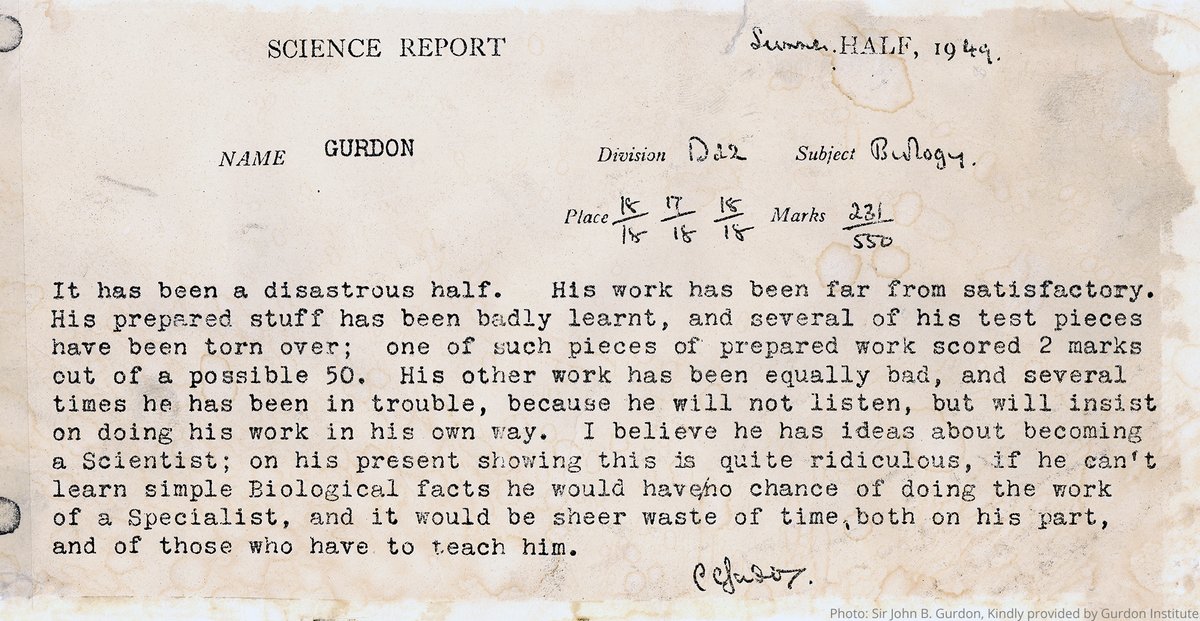
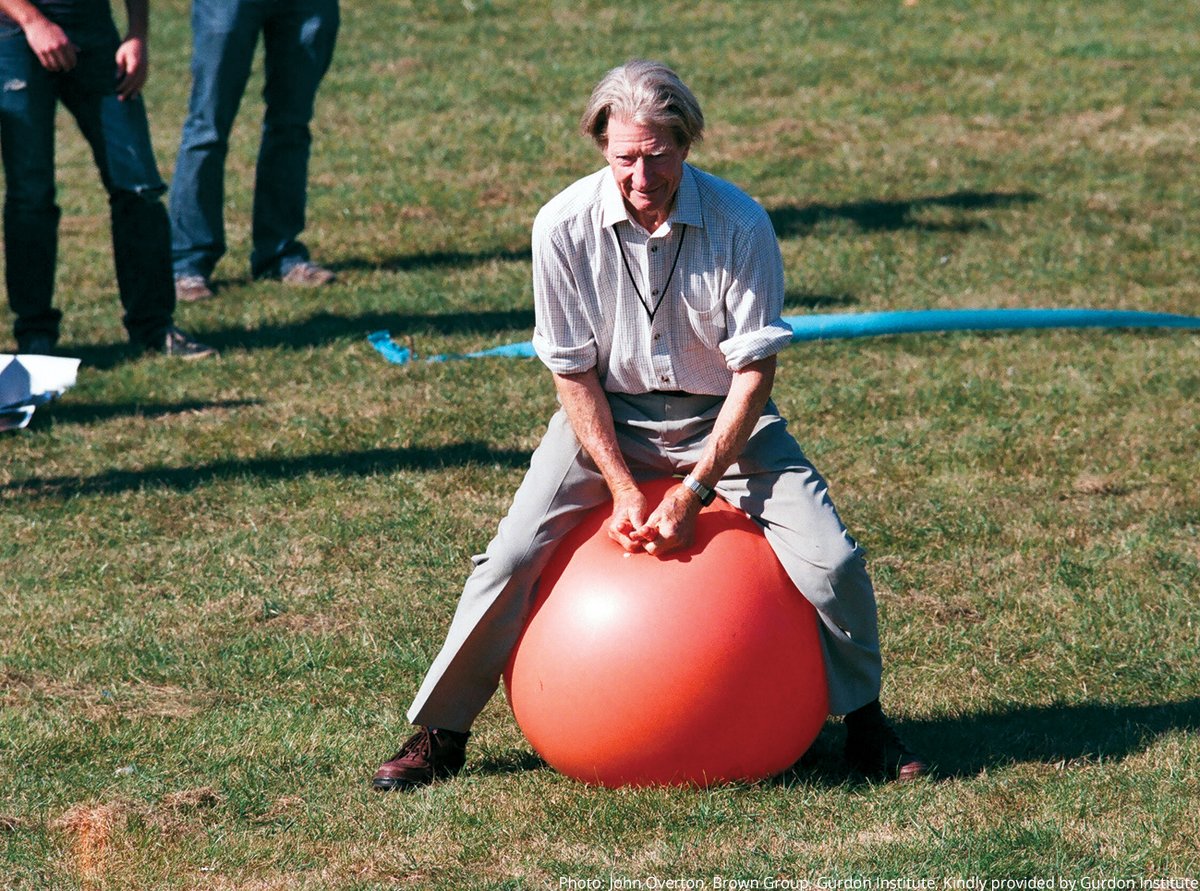
Despite his teacher’s opinion that he couldn’t learn simple biology, John Gurdon went on to receive a #NobelPrize, for his classic frog experiment, which showed that the DNA of mature frog cells has all the information needed to develop all cells in its body.
#WorldFrogDay
Rubisco, one of the most abundant proteins on Earth, is an enzyme which plants build sugars from carbon dioxide but it can create a toxic byproduct upon reaction with oxygen.
A research team has set about improving this.
Read on:
https://t.co/UaSg7guHpJ
@aribidopsis Just asking out of curiosity, Dr Ashraf, any possible reason for growing Nicotiana in agar plates, rather than sowing in soil directly (for the experiments you mentioned!!)? Also, do you study protein-protein interaction in Benthamiana?
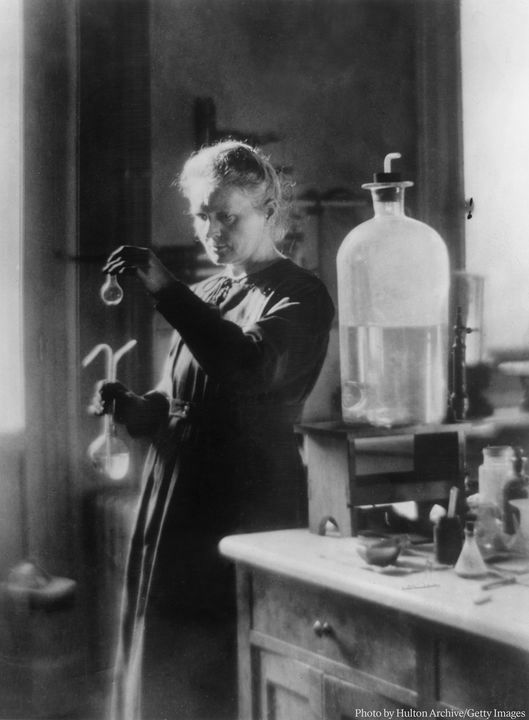
The first woman to be awarded a Nobel Prize, the first individual to be awarded two Nobel Prizes and still today the only individual with two Nobel Prizes in two different scientific categories: Marie Skłodowska Curie.
Skłodowska Curie developed the term radioactivity, discovered the chemical elements polonium and radium and contributed to develop new cancer treatments. For her scientific dedication and remarkable breakthroughs, she was awarded the 1903 physics prize and the 1911 chemistry prize.
Learn more: https://t.co/dysmKgnI8A
#InternationalWomensDay