A simple strip of wildflowers can dramatically reduce the need for chemical pesticides. So why aren’t they standard on every farm?
Farmers are increasingly planting colorful wildflower strips within and around their fields because these habitats attract beneficial insects that naturally control crop pests.
Ladybugs are the most familiar example. Both adult ladybugs and their larvae are voracious predators of aphids, small sap-sucking insects that damage crops. A single ladybug can eat dozens of aphids a day, while its larvae can consume hundreds before reaching adulthood.
Yet ladybugs are just the beginning. Wildflower strips also draw in hoverflies, lacewings, parasitic wasps, and predatory beetles, all highly effective natural enemies of common pests such as aphids, whiteflies, thrips, and caterpillars.
This approach is known as conservation biological control. Rather than releasing predators into fields, farmers create permanent habitats that support and boost populations of beneficial insects already present in the landscape.
The flowers supply essential nectar and pollen that many of these insects need as adults. Research shows that access to such resources significantly increases their lifespan, reproductive success, and pest-hunting efficiency.
Some parasitic wasps offer an especially impressive form of control: they lay eggs inside aphids or caterpillars, and their developing larvae consume the pest from the inside out.
Multiple studies confirm that fields with wildflower strips support far higher numbers of beneficial insects and achieve stronger natural pest suppression compared to conventional fields.
Beyond pest control, these strips provide additional benefits: they support pollinators, enhance biodiversity, reduce soil erosion, and create valuable wildlife habitat within agricultural areas.
Scientists are now fine-tuning which flower species work best for different crops and climates, aiming to design the most effective and practical wildflower strips possible.
First your voice is absolutely beautiful second your dog is adorable and last your dad had me in tears, his reaction was priceless thank you for sharing ❤️
Angus Dalgleish: Professor of Oncology at St George's Hospital Medical School, London: "At the end of last year I reported that I was seeing melanoma patients who had been stable for years relapse after their first booster (their third injection). I was told it was merely a coincidence and to keep quiet about it, but it became impossible to do so. The number of my patients affected has been rising ever since. I saw two more cases of cancer relapse post booster vaccination in my patients just this last week.
Other oncologists have contacted me from all over the world including from Australia and the US. The consensus is that it is no longer confined to melanoma but that increased incidence of lymphomas, leukaemias and kidney cancers is being seen after booster injections. Additionally my colorectal cancer colleagues report an epidemic of explosive cancers (those presenting with multiple metastatic spread in the liver and elsewhere). All these cancers are occurring (with very few exceptions) in patients who have been forced to have a Covid booster whether they were keen or not, for many so they could travel.
So why are these cancers occurring? T cell suppression was my first likely explanation given that immunotherapy is so effective in these cancers. However we must also now consider DNA plasmid and SV40 integration in promoting cancer development, a feature made even more concerning by reports that mRNA spike protein binds p53 and other cancer suppressor genes. It is very clear and very frightening that these vaccines have several elements to cause a perfect storm in cancer development in those patients lucky enough to have avoided heart attacks, clots, strokes, autoimmune diseases and other common adverse reactions to the Covid vaccines.
To advise booster vaccines, as is the current case, is no more and no less than medical incompetence; to continue to do so with the above information is medical negligence which can carry a custodial sentence.
No ifs or buts any longer. All mRNA vaccines must be halted and banned now."
“Late, late in the evening,
The lovers there were gone;
The clocks had ceased their chiming,
And the deep river ran on.”
W.H.Auden
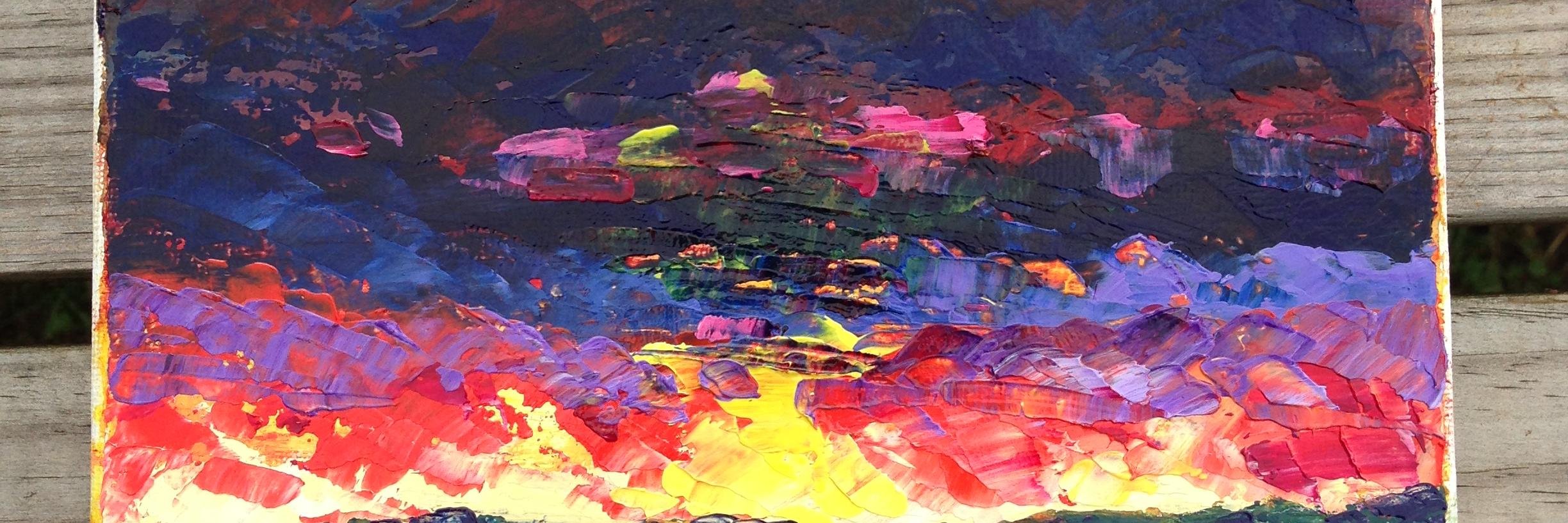
Have a very good night everyone 💙#art#watercolorpainting#river
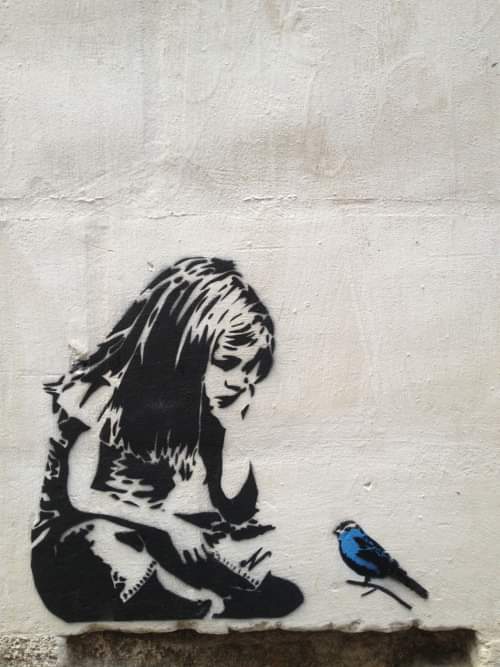
As a tribute to all enslaved people buried in cemeteries in unmarked graves, artist Craig Walsh illuminated trees with faces to honour their souls
This installation is called Monuments and was in Charlotte NC
New painting started … for this sketch stage I’m using @prismacolor premier brush markers in various strengths of Light Umber. This color works best as the ink stays put after I add paint but disappears by the final layers. A small brush dipped in thinned acrylic also works.
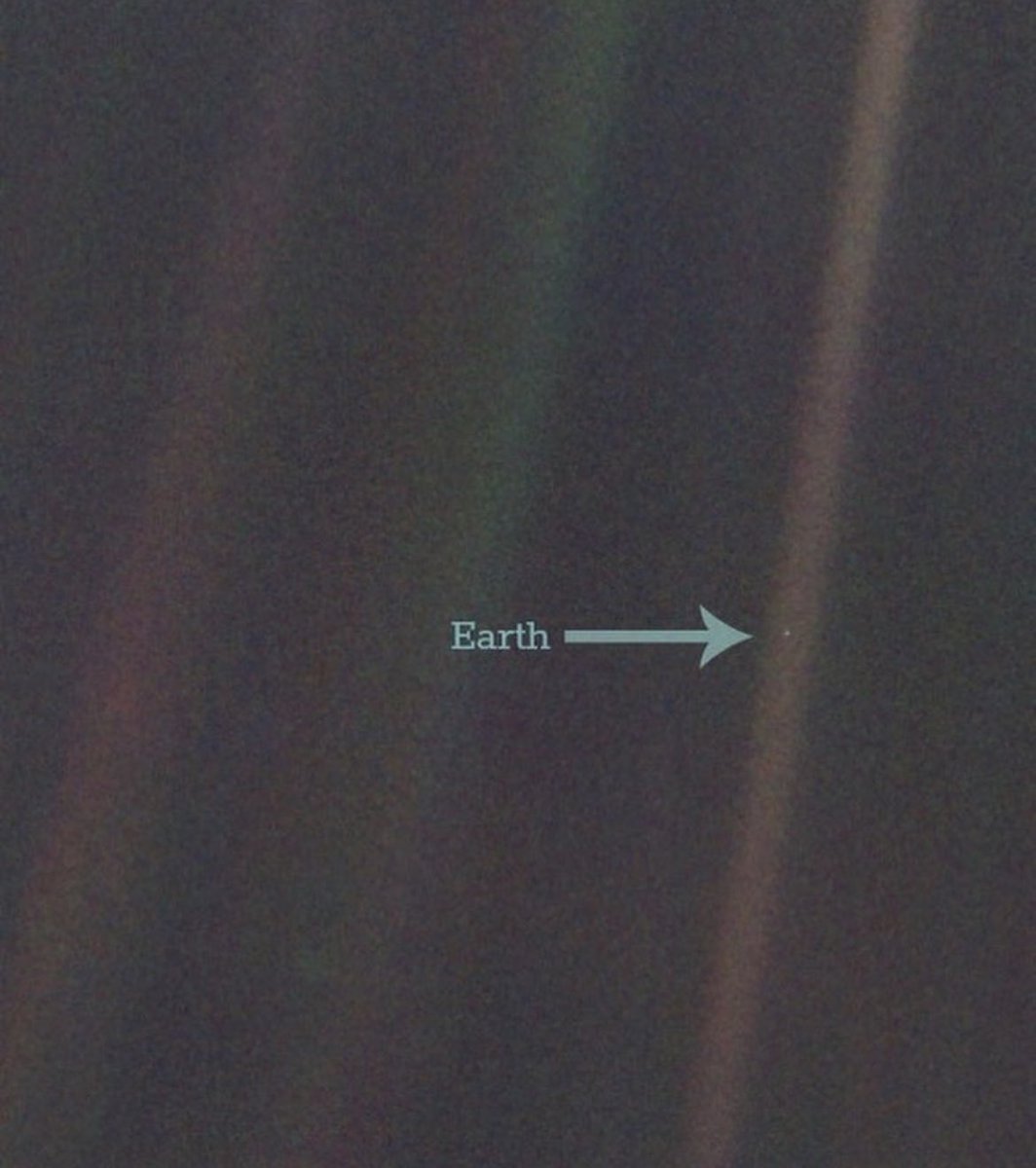
The Pale Blue Dot is an iconic photograph of Earth captured by the Voyager 1 space probe in 1990. Taken from a distance of around 6 billion kilometers (3.7 billion miles) as Voyager 1 was departing our solar system, the image portrays Earth as a tiny, pale blue speck in the vastness of space. This image is a powerful reminder of our planet's isolation and fragility in the cosmic expanse, highlighting the need for responsible stewardship of our home. The photograph was a result of astronomer Carl Sagan's suggestion to turn Voyager's camera back towards Earth, offering a profound perspective on our place in the universe.
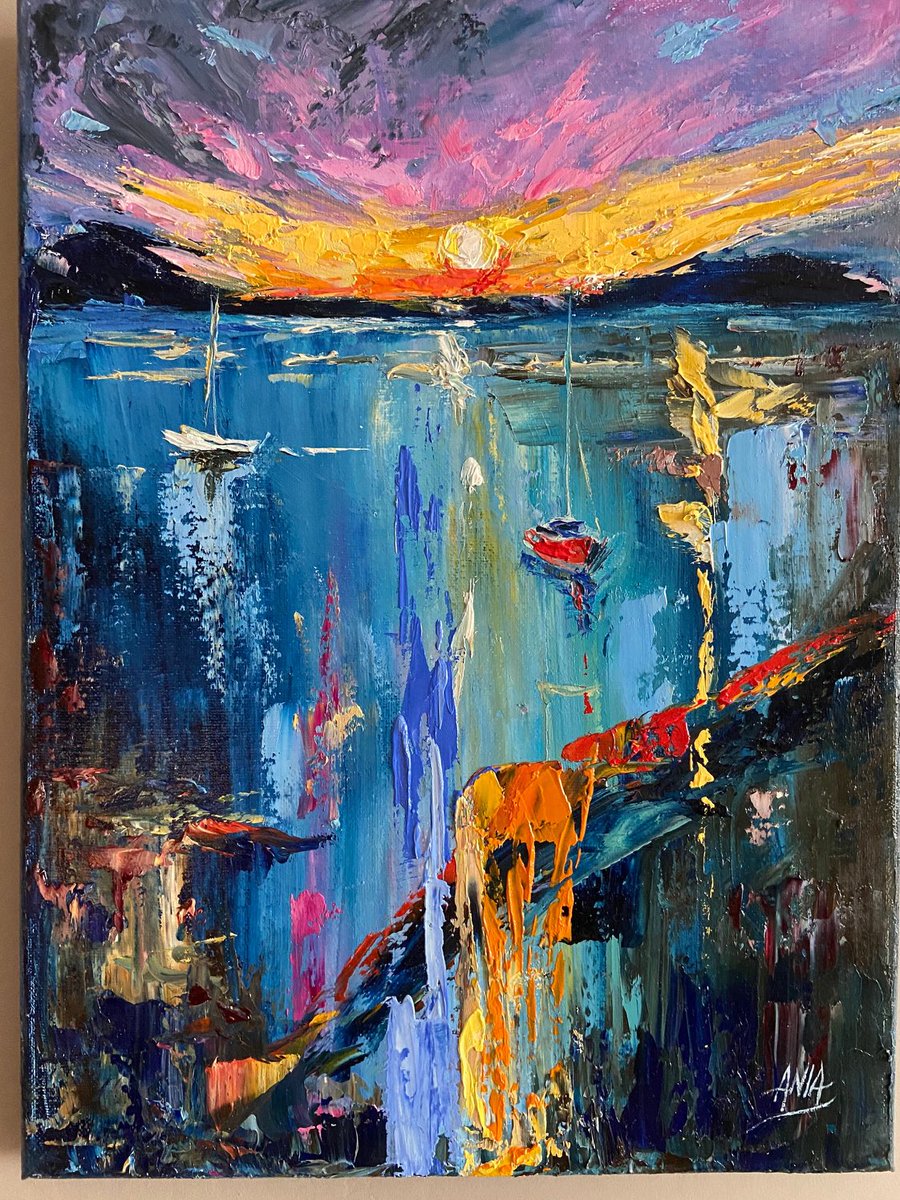
🌊🎨 Dive into the captivating beauty of “Blue Lagoon,” my modern-style oil painting seascape! 🌅💙Feel the energetic vibes and the power of nature in every stroke! 🌊💫
Available on Etsy✨ #SeascapeArt#contemporaryart#EtsyShop#NaturePower
https://t.co/tNbXm0UBBN