So last year i started the Independent Science Society. We are testing if you can do good science at home with limited resources. We meet up in Ldn
Thanks @ARIA_research for supporting us as an innovator circle. come join guys!
https://t.co/19qIebpBg8
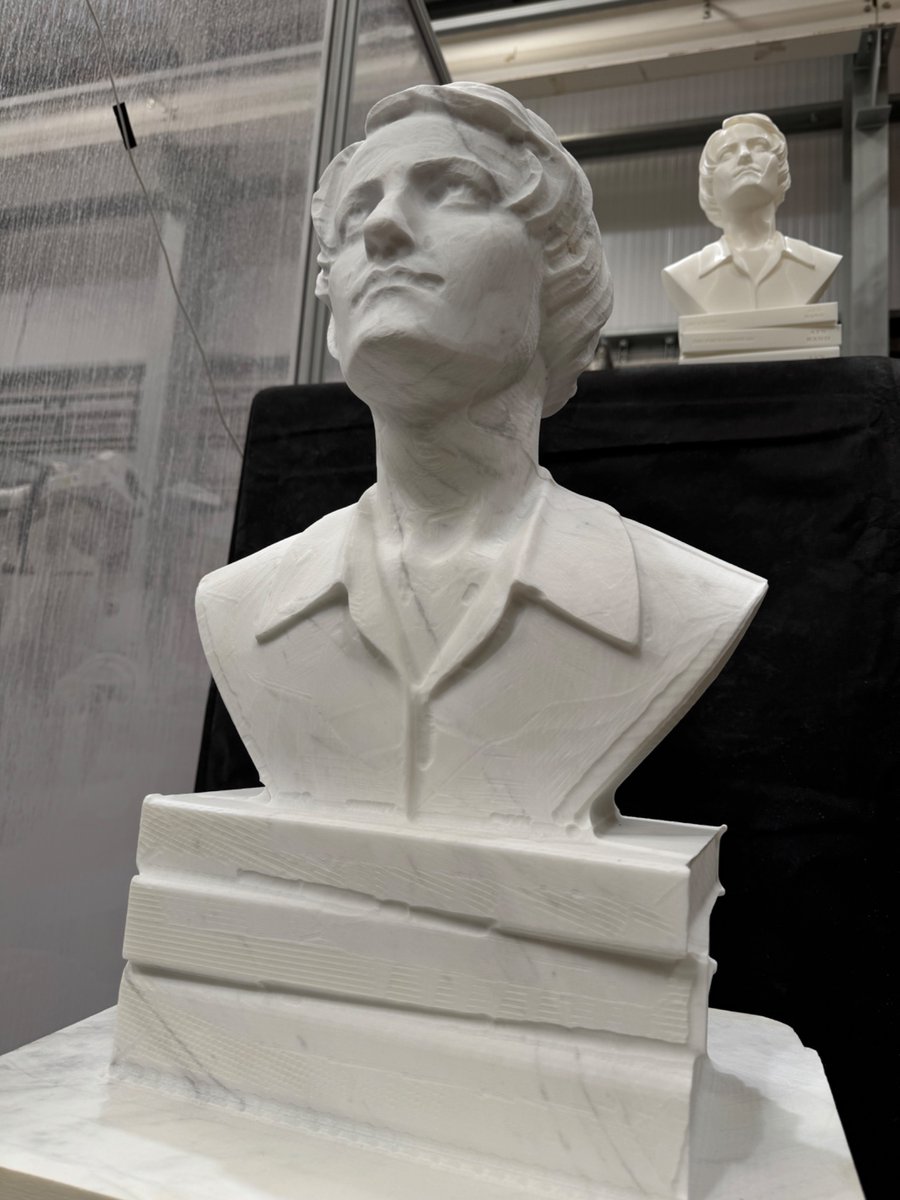
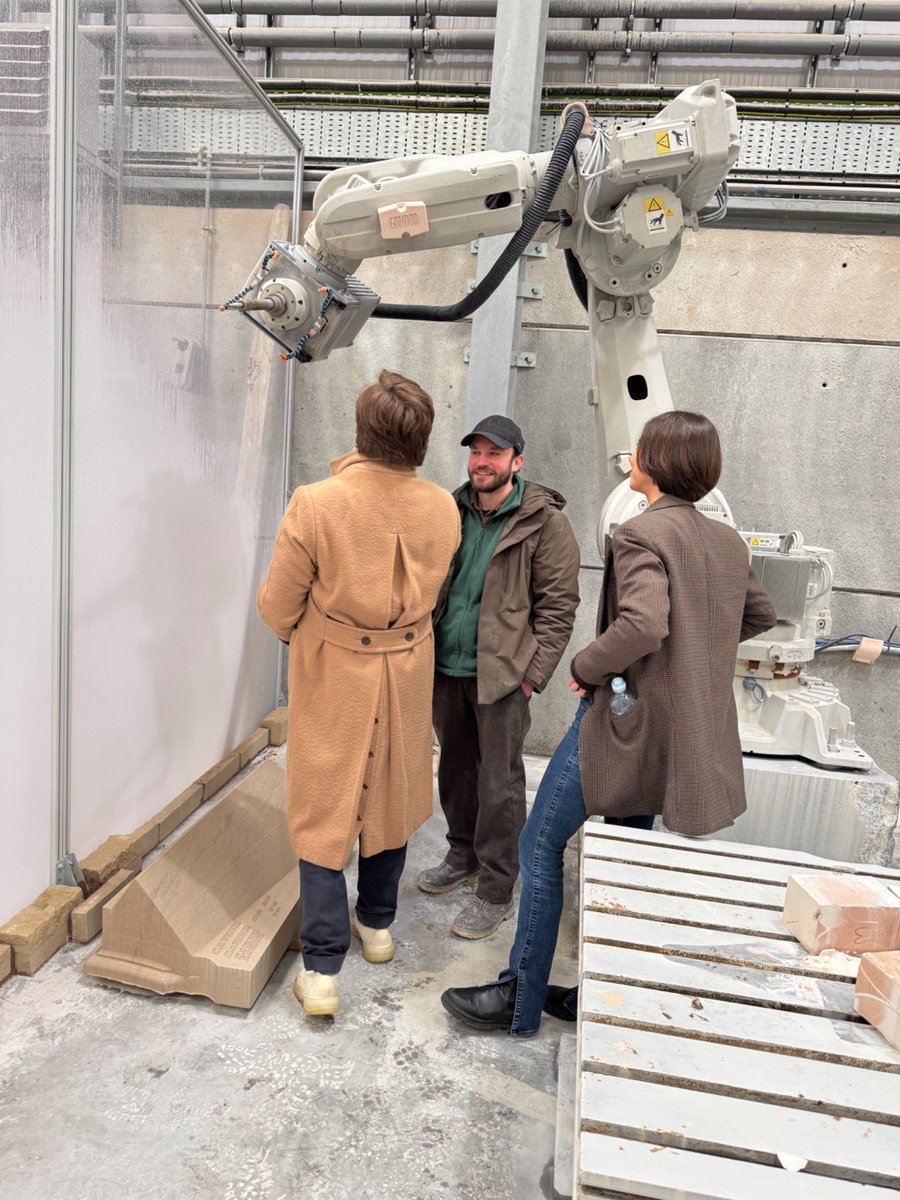
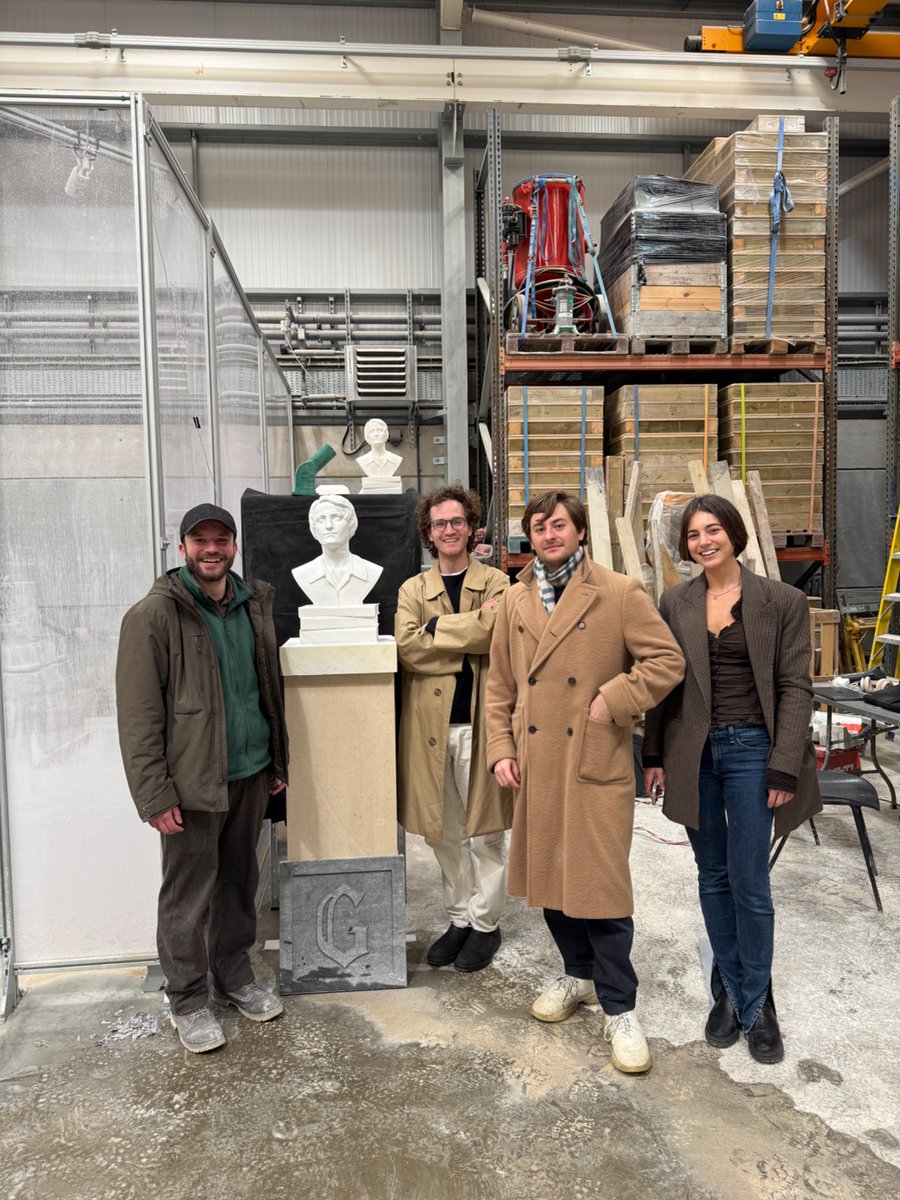
Last week I drove up to Stamford in Lincolnshire to meet Gondor Industries’ remarkable stonemason-robot.
@ArkaSerezh is building something quite remarkable, using a robot do much of the toil of before handing it over to a highly skilled mason to finish the job — essentially filling the gaping hole where there ought to be mason apprentices.
While I’m pro Gondor, I cannot say I’m a fan of the Ayn Rand statue. Objectivist robots will lead us to hell!
Regardless, an amazing robot and business — and Stamford is delightful.
The US has Stanford, MIT, CMU…
and they all know each other.
Europe? Not so much. Until now:
Students move between labs, compete in the same challenges, start companies together. There’s a shared culture.
Europe’s biggest problem in robotics isn’t talent. It’s that nobody connects the dots.
ETH has a phenomenal robotics scene. So does TU Munich. EPFL. TU Delft. But a student in Lausanne has zero visibility into what’s being built in Eindhoven.
There’s no equivalent of the American pipeline where university robotics feeds directly into a startup ecosystem.
Until now, apparently.
ESRA a network of 11 student robotics clubs across 8 European countries. ETH, EPFL, TUM, TU Delft, TU Wien, KTH, Polimi, the list goes on.
They’re organizing joint hackathons, sharing access to compute and hardware, and basically building the connective tissue that European student robotics has been missing.
The part I like most:
this wasn’t some EU initiative or university admin project. The clubs built it themselves because they got tired of waiting.
2,500+ students, zero bureaucracy. That’s how good things start.
https://t.co/wf2jxb0Ue8
Thank you, Florian Schroeders for let being part of this!
Saying Hi to Declan Shine 👋
#Robotics #Europe #DeepTech #ESRA
There has been a lot of misinformation about what happened at the Sinquefield Cup and the events that followed.
Because of the upcoming Netflix documentary, there were limits to what I could publicly say until now. With the documentary about to be released, it’s time to set the record straight.
Over the past couple of years, Joe Rogan and others have discussed the situation many times, often without a clear understanding of what actually happened. Given how extensively Rogan has talked about it, I believe it’s especially important that I have the opportunity to go on his podcast and address it directly.
I’m planning on going on a podcast tour to make sure the truth reaches the world. Please share this, and feel free to recommend podcasts you think I should go on.
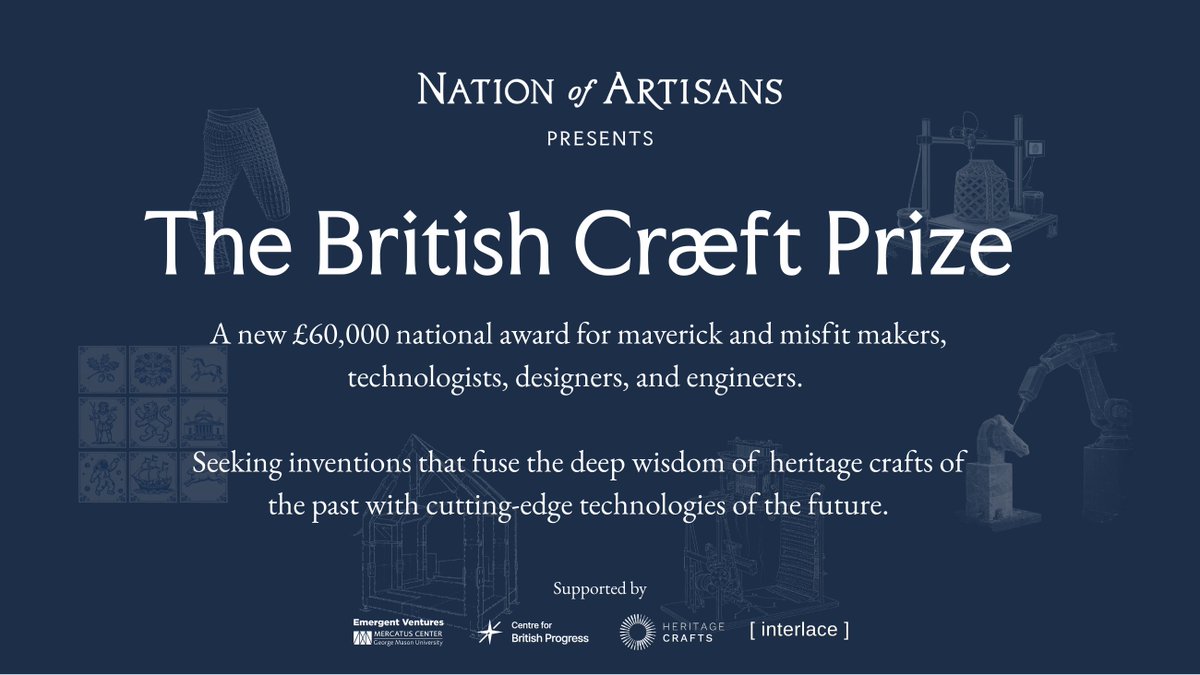
the most fun non-anti-ai-pro-artisan competition just launched, where cræft actually meets rather than resists technology...
stonemason robots
ai-generated images hand painted on tiles
3d-printed marine-safe lobster withies
+ your invention!
also it's cræft not craft if you wanna be on louis' good side
Today, I launch The British Cræft Prize.
A new £60,000 national award for maverick and misfit
makers, technologists, designers, and engineers.
Seeking inventions that fuse the deep wisdom of
heritage crafts of the past with cutting-edge
technologies of the future.
🧵👇
it feels like the solution is a binding multi-stakeholder accord for journalism. something like the agreement major fashion brands signed after the rana plaza collapse to raise worker safety standards, but for editorial integrity
even if you could reliably measure and reward integrity there would still be strong incentives to produce low integrity, high click stories. you'd basically have to overhaul the entire ad-funding model too
but because the public benefits when journalists can walk away from a weak story without penalty, integrity needs to be the baseline rather than an optional ideal aligned to market incentives
if journalism had leverage over the ad industry, it would be a different story (maybe the solution lies in flipping that script)
@balajis first, skill got confused for execution, then degrees got confused for skill. ai probably highlights how illogical that line of thought is (degrees and skills are still good, but for more implicit reasons)