AI can't compress a clinical trial. It can't generate the data we don't have yet. Our CEO Neil Kumar pushed back on the AI hype with @bloomberg at #MIGlobal with @MilkenInstitute – not because the tools aren't valuable, but because the years still take years.
Detecting lung cancer 5 years before it happens, in @CellCellPress courtesy of the @CharlesSwanton group.
Astonishing translational work !
https://t.co/EvUmIGVLgs
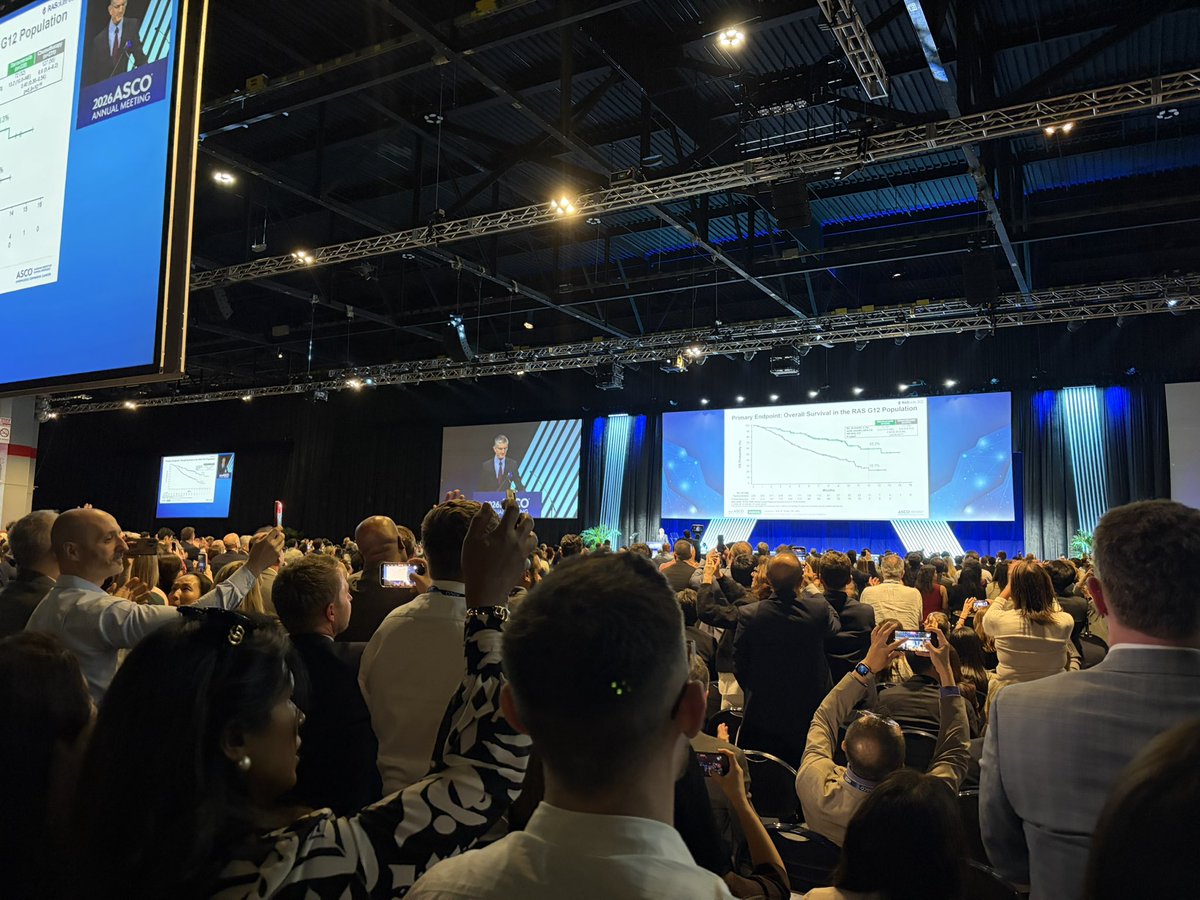
Incredible being in the room for the historic #ASCO26 plenary talk on daraxonrasib for metastatic PDAC, excited for the future of precision oncology $RVMD
Incredible #ASCO26 moment.
Dr. Brian Wolpin, presenter of the daraxonrasib study, received a standing ovation DURING his talk after he stated the survival benefit for PDAC patients. It was sustained. Cheering. I have never see anything like it in the middle of a talk. $RVMD
There hasn't previously been a treatment vs pancreatic cancer this successful. Striking improved (a > doubling) survival results @NEJM and @ASCO today with daraxonrasib, which also became available via an FDA approved early access program and began shipping to physicians this week @RevMedicines
https://t.co/e04jqJMPw0
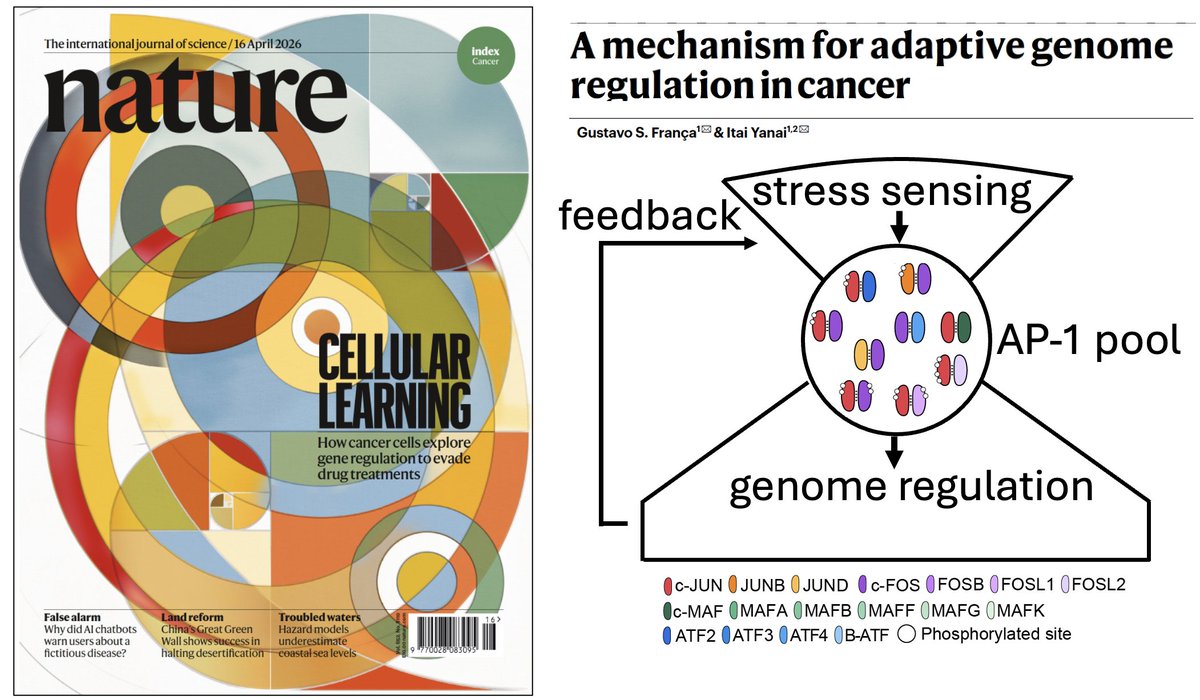
Interested in cellular learning? In this week’s Nature we propose a mechanism for cells can actually LEARN new regulatory configurations of their genes, by using the principles of combinatorics, feedback and memory.
Check out the🧵⬇️!
https://t.co/yQYic2nYvs
🚨🚨🚨
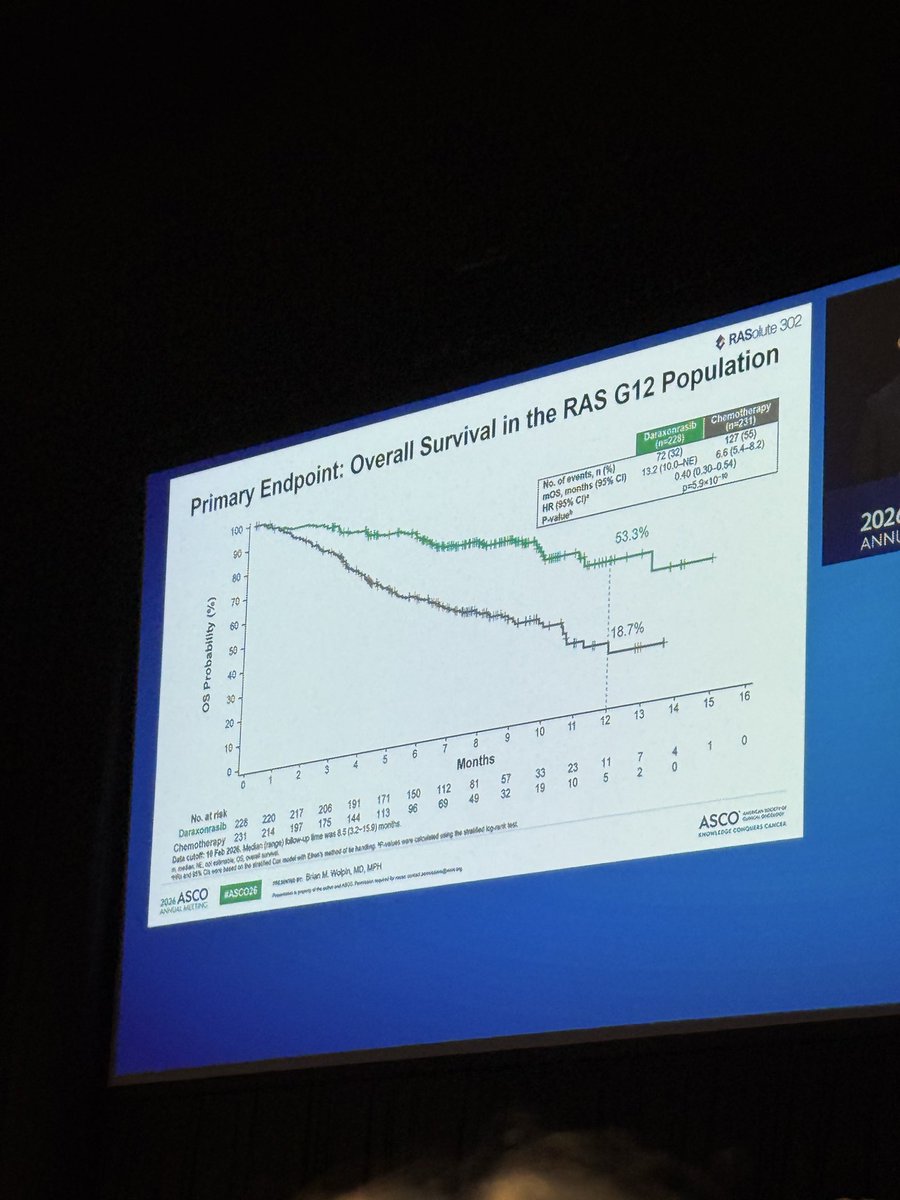
RASOLUTE-302 Ph3 is POSITIVE
"Daraxonrasib demonstrated a median OS of 13.2 months versus 6.7 months for chemotherapy, with a hazard ratio of 0.40 (p < 0.0001)".... WOW!
AMAZING news for patients with #PancreaticCancer
The RAS Revolution is ON!!
https://t.co/I59NNWRB1O
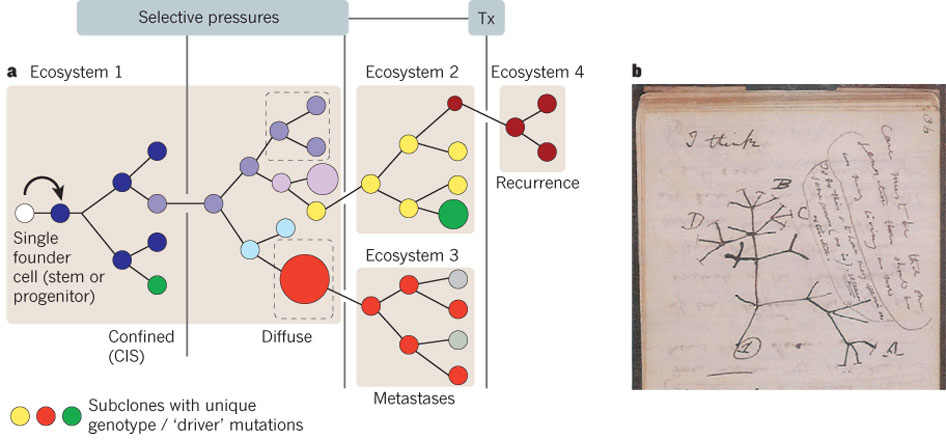
Cancer is an evolutionary process. We've known this for decades, but we didn't know whether its complexity was tractable.
We now know we can measure and sometimes predict cancer evolution in patients from molecular ('omics) data, although with still suboptimal precision.
A way forward is combining evolutionary theory (maths and concepts from theoretical population genetics) with machine learning & AI, the latter filling the theory “gaps” when solutions from first principles are out of reach.
Building predictive models of cancer evolution means we may be able to control the disease, designing evolution-aware therapies that prevent or delay drug resistance.
Come to learn more about this at #AACR26 session: ED53 - Cancer Systems Biology, Ecology, and Evolution. https://t.co/ra7BjJ6DTK
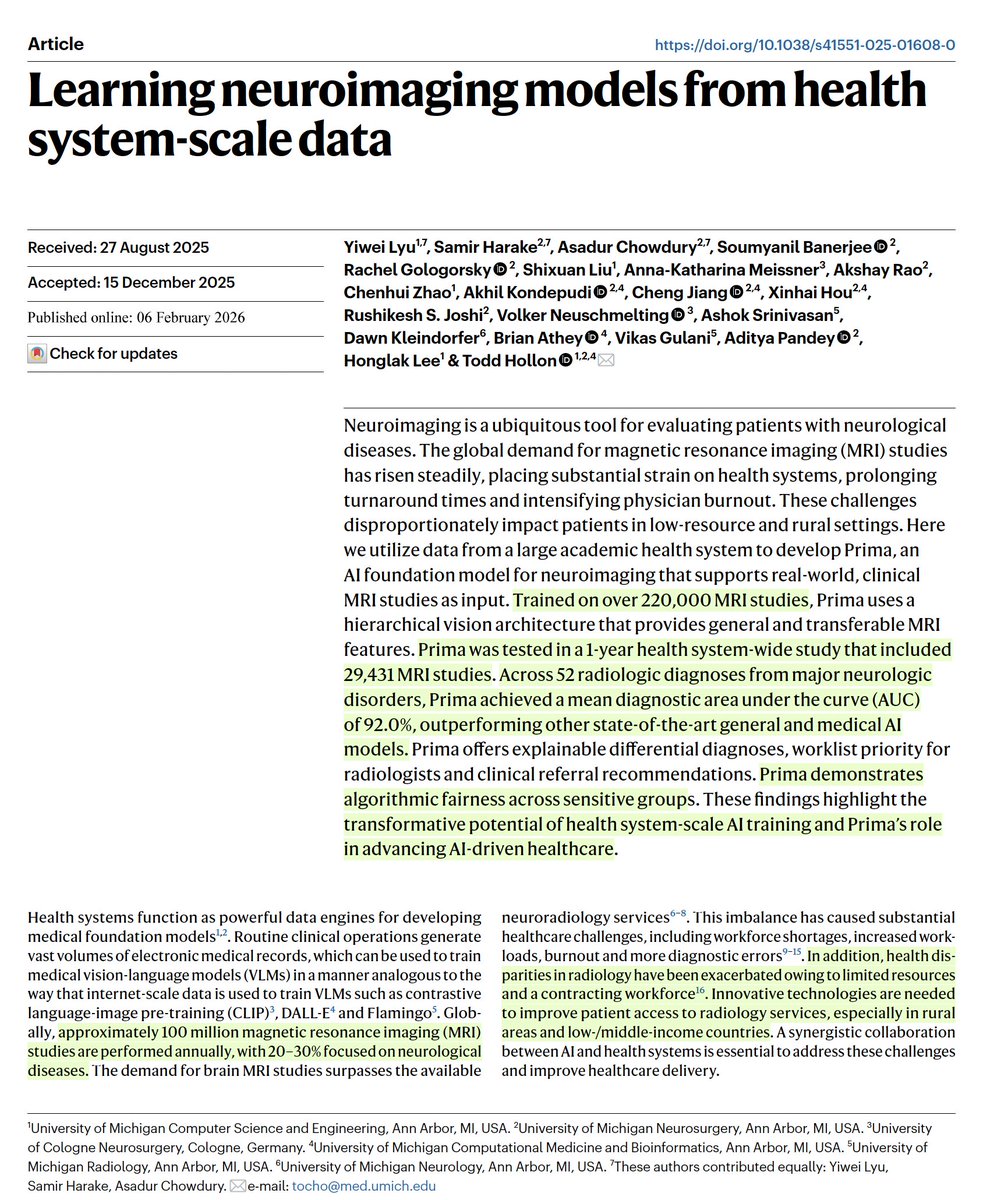
How to read a brain MRI and make a diagnosis in seconds, along with urgent triage, with very high accuracy? A vision language AI model from @umichmedicine@natBME tested in real world medicine
https://t.co/aCTgcrATDT
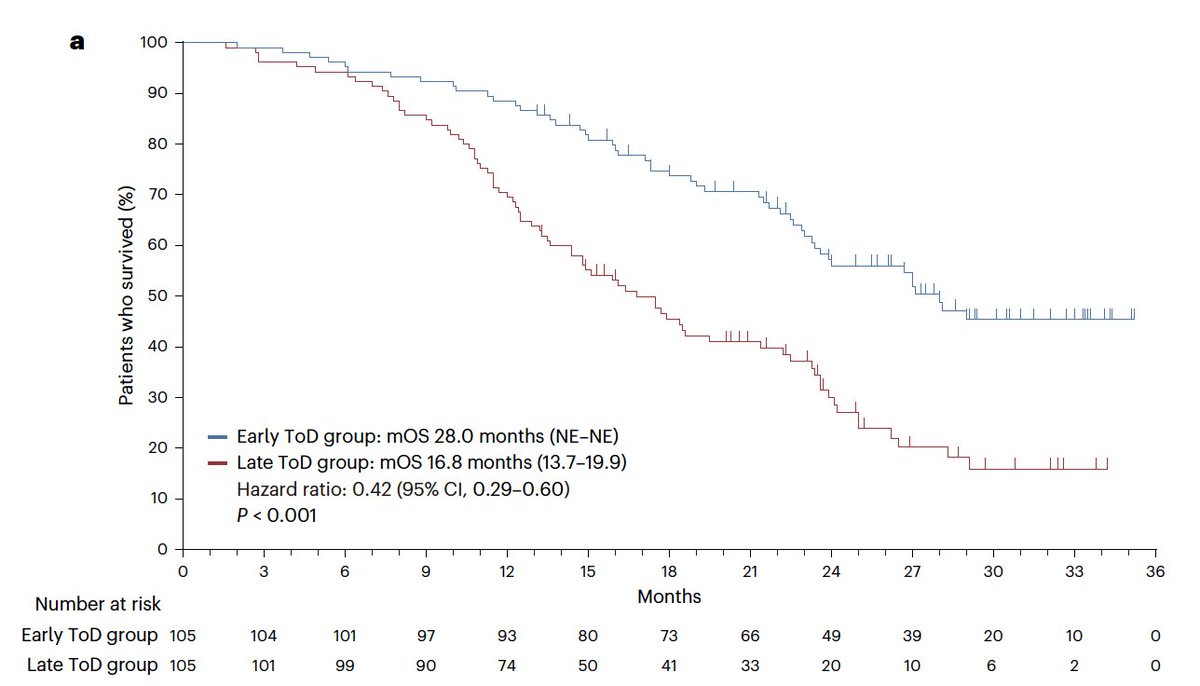
The time of day for cancer immunotherapy is associated with major outcomes. Early is better. Results from a randomized trial of lung cancer, backs up the importance of our circadian rhythm and immune system
https://t.co/bHqUZ3U83O
A major advance in cancer using multimodal AI to do virtual proteomics of H&E slides, unraveling the tumor microenvironment, key proteins, biomarkers, and informing prognosis @CellCellPress@hoifungpoon@MSFTResearch
https://t.co/ASKgST4mJl
Currently working on a literature review for mechanisms of immune resistance induced by chemo and radiotherapy, thoroughly impressed by @FutureHouseSF’s Falcon Deep Search agentic AI platform for summarizing complex scientific questions with citations