I put together a new article on setting up local coding agents with open-weight models. Everything runs 100% locally.
I thought it might be useful putting this together because many people asked me about my setup in the past, and I thought it would also motivate people to get started tinkering with local models for serious work (yes, things got incredibly capable this year with better LLMs and better harnesses).
So, here's a walkthrough of how to connect a local LLM to a local coding harness (could be Claude Code or Codex, which you may already be familiar with).
I also included some assessment notes that are useful as a checklist to select between and consider certain LLMs over others:
- Checking RAM usage at long contexts to see if the model is suitable for real work
- Measuring prefill and decoding tok/sec to see whether it's fast enough to not be annoying
- Making sure the model has sufficient tool-calling capabilities in theory
- Assessing whether the model can solve some more challenging tasks when used in a coding harness.
Of course, there are always more specialized tools that can squeeze a bit more performance out of things, but I hope this is a good starter kit that stays flexible; that is you can easily switch to newer models as they are released or even tap into cloud models in your familiar harness if the current ones are not sufficient enough for a given task.
🎉 Heureux de contribuer à cette étude : « Faisabilité et acceptabilité d’un outil numérique pour soutenir le dépistage communautaire du COVID-19 et d’autres affections médicales prioritaires dans les communautés rurales et périurbaines en Guinée ». https://t.co/1Fw0tPmQId
🎉 Our team has been hard at work, and we're excited to share our new video! Dive into the future of workflow automation. Join OpenFn at https://t.co/PuzjdBQyfl to start your digital transformation journey today!
#workflowautomation#dataintegration#interoperability#opensource
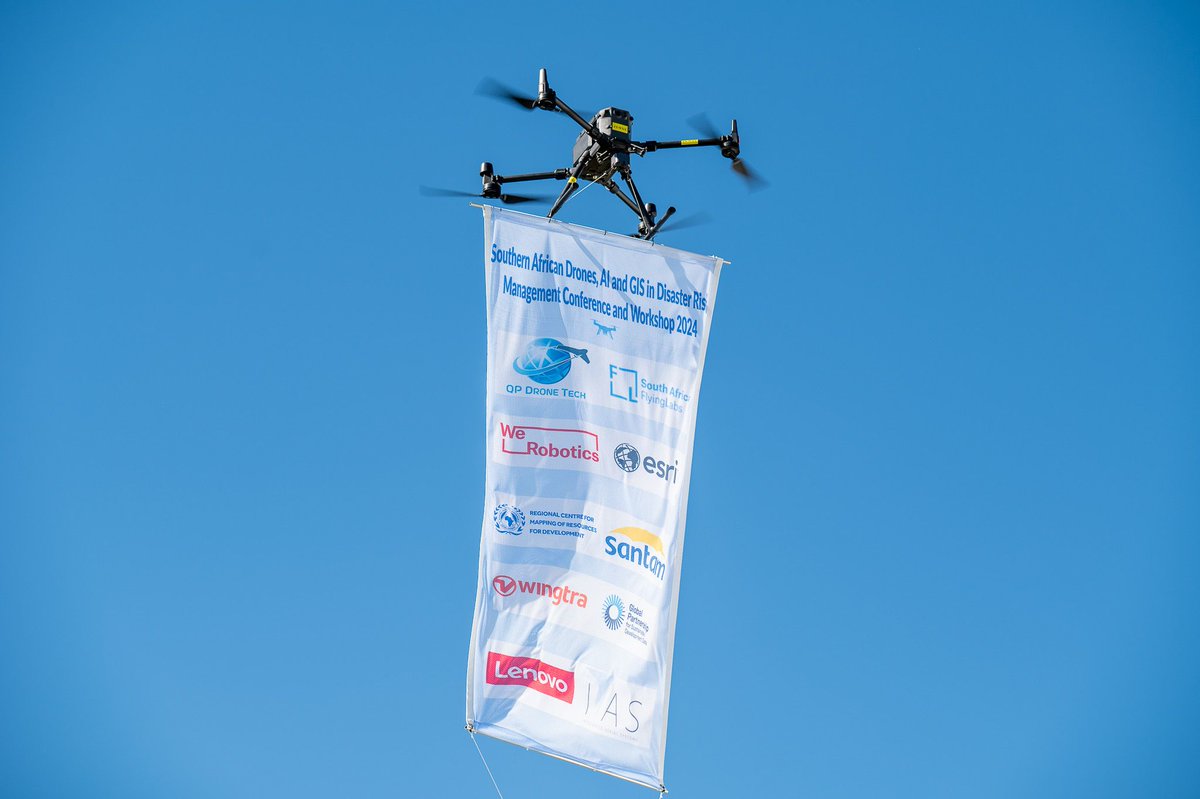
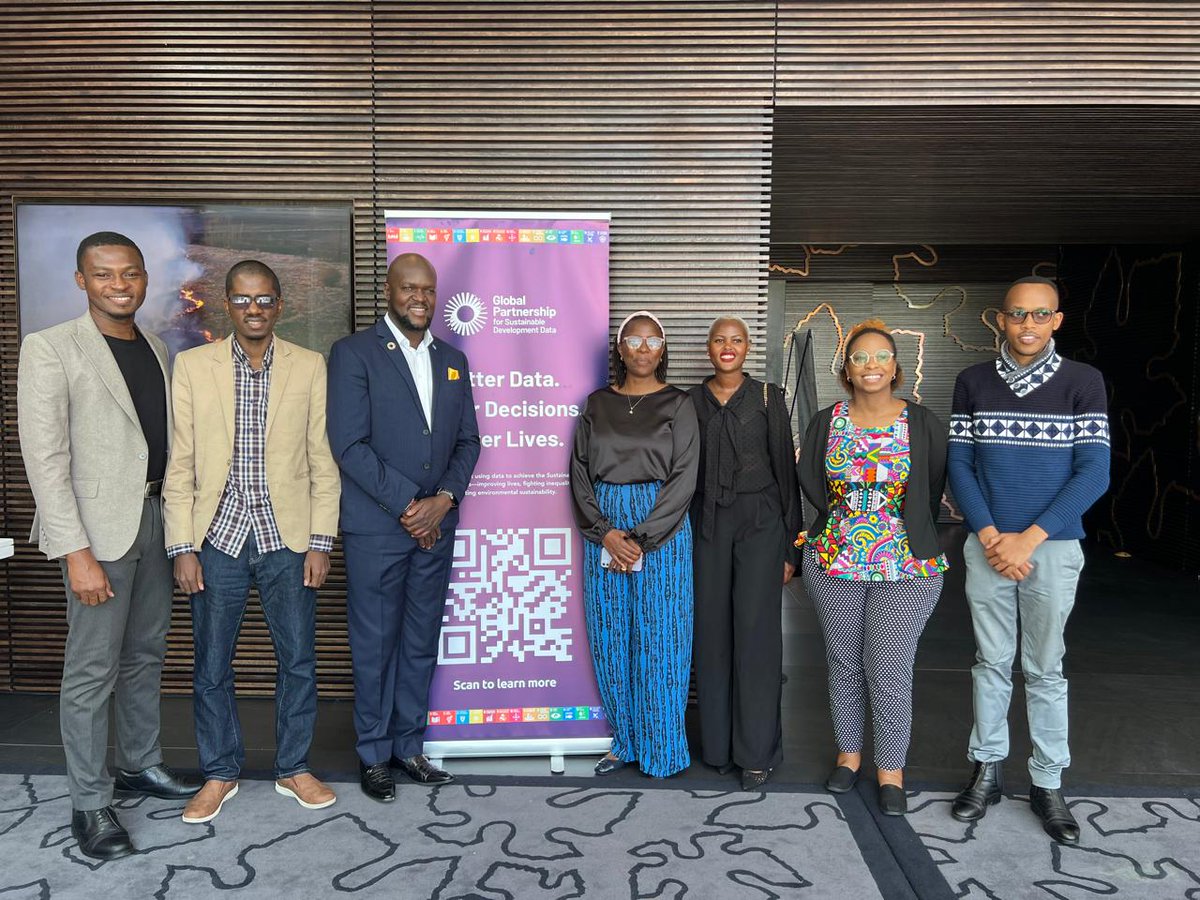
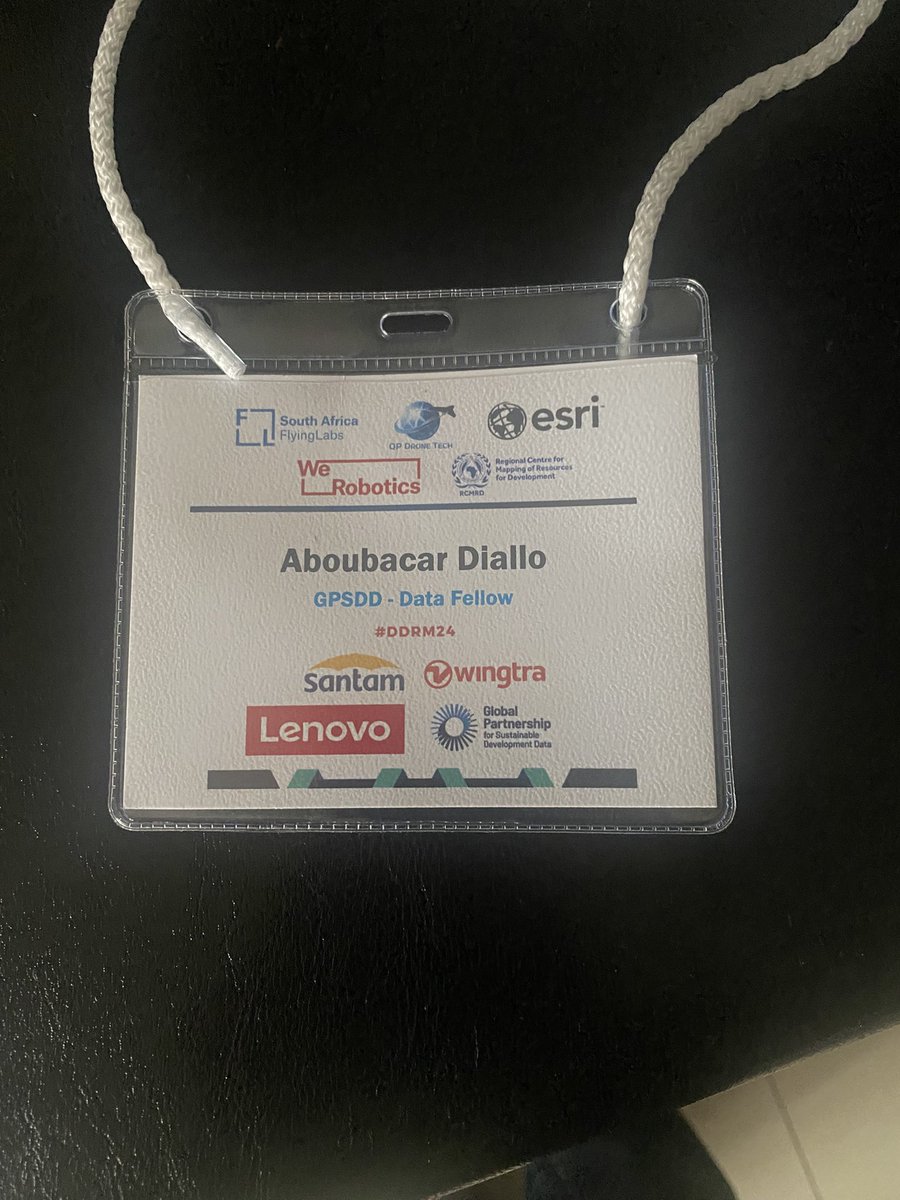
Cette semaine, en tant que GPSDD Data Research Fellow, j'ai assisté à la conférence « Drones, IA et SIG » à Cape Town avec SAFL, WeRobotics et Esri SA. La tech n’est plus un frein, mais l’engagement politique et des cadres clairs sont essentiels.#DisasterManagement#Geospatial
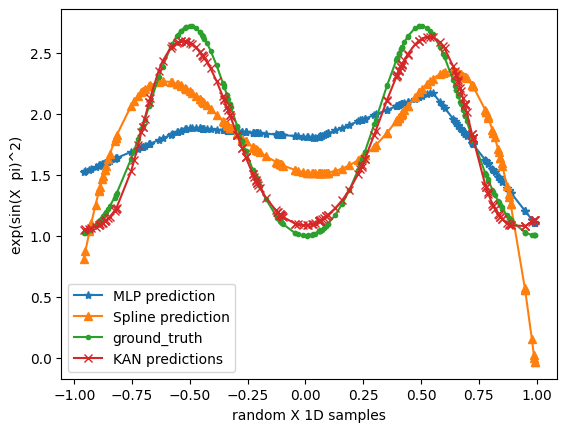
KAN: Kolmogorov–Arnold Networks is a really elegant paper. It's refreshing to see that things worked by design rather than by accident in ML. I made a small KAN experiment comparing it to MLP and spline fitting. (notebook in comments!)
Bioinformatics skills-up journey. Fascinating world, but a bit tricky as a computer scientist by background with just a sprinkle of biology knowledge.
https://t.co/IEYBVxPz12 via @DataCamp
How to choose the right model for a new LLM-based application or project. 👇
Dive into the diverse array of available models, uncovering the key capabilities to consider when choosing the right model for your project.
👉 https://t.co/eeL5EkMZFO
@fmbangoura7 Ah ok, c'est récent ça 😉. Quand nous étions au primaire, on arrêtait les cours pour la nage. Je connais par cœur tous ces marigots. Triste de les voir ainsi, les conséquences de l'exploitation anarchique des mines.