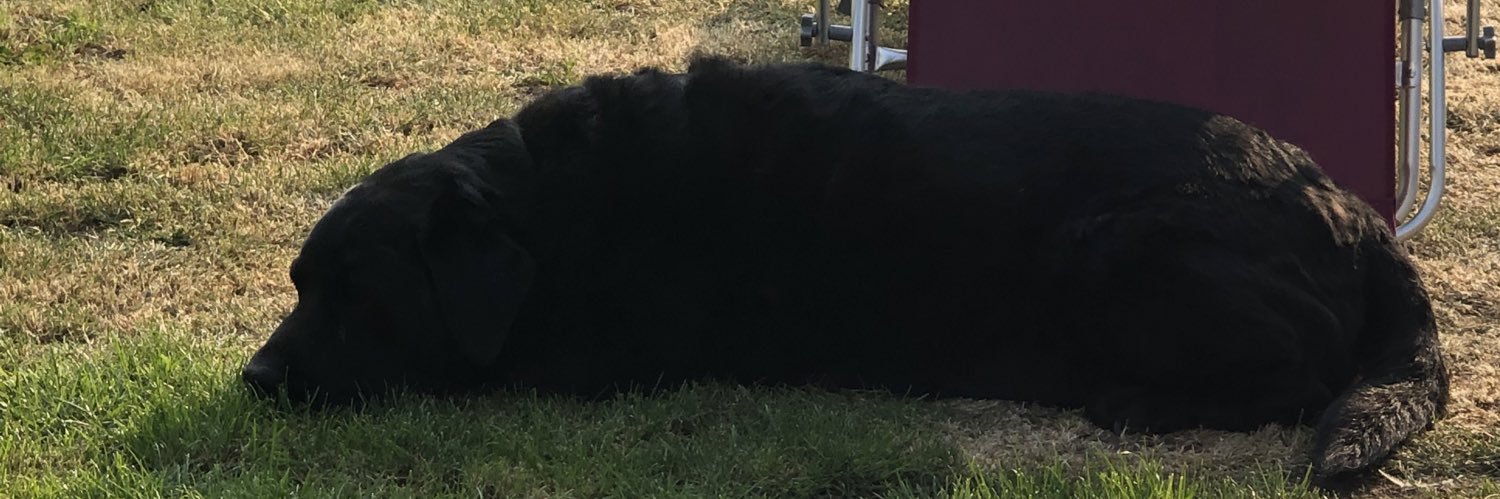
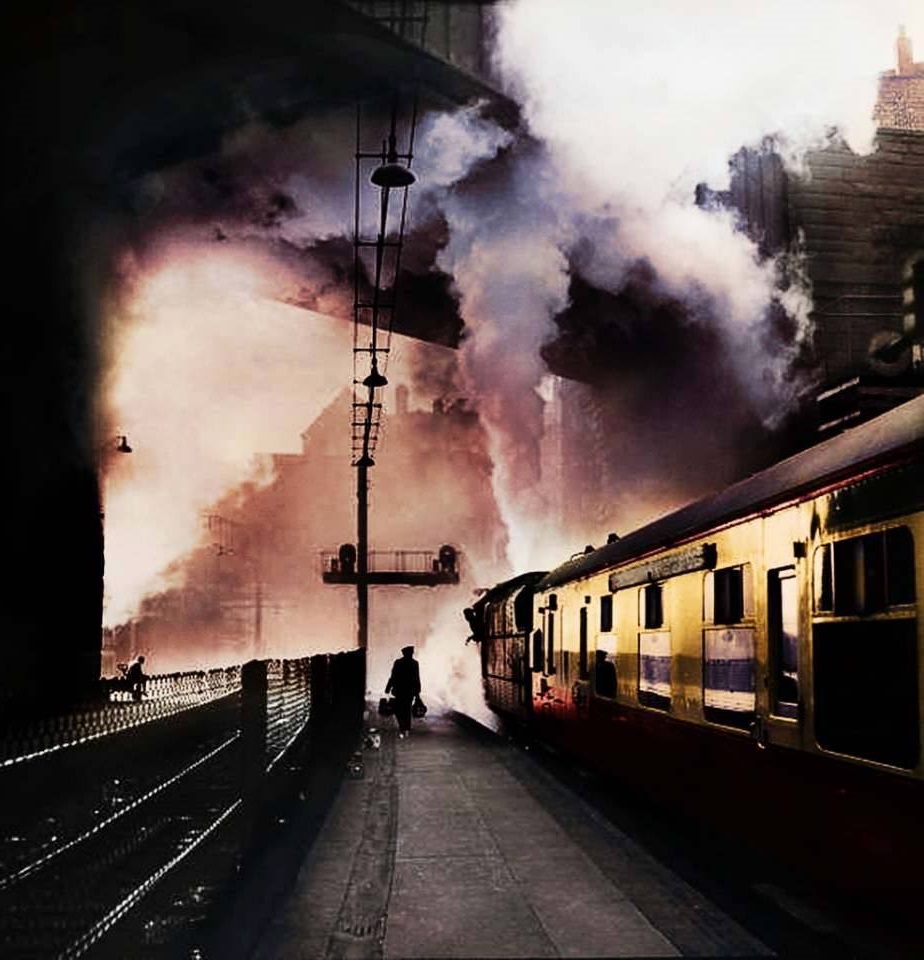
Unquenchable passion for cricket Adored the game Never forgot his roots You didn't know you were being interviewed, he just chatted with you #simplythebest RIP Sir Michael Parkinson
Normally we would be asking for donations towards B6 but ahead of the game v Everton we would like to ask that any donations go towards the Michael Jones Go Fund Me.
*We will make a donation when funds clear from recent donations.
https://t.co/j71ia1PAhE
#avfc#Everton#EFC
A drum solo by 18-year-old Karen Carpenter, 1968
Karen Carpenter was a talented American musician and drummer, best known for her role as the drummer and lead vocalist of the popular 1970s sibling duo "The Carpenters." Born on March 2, 1950, in New Haven, Connecticut, Karen developed a strong passion for music from an early age. She, along with her brother Richard, formed "The Carpenters," a musical group that achieved immense success during the early 1970s.
Karen Carpenter's drumming skills were exceptional, contributing to the duo's unique sound. Her smooth, melodic voice was a defining characteristic of their music, which often incorporated elements of pop, soft rock, and adult contemporary genres. The Carpenters released numerous hit singles, including "Close to You," "We've Only Just Begun," and "Top of the World," earning them widespread recognition and commercial success.
Tragically, Karen Carpenter's life was cut short when she passed away on February 4, 1983, at the age of 32, due to complications arising from anorexia nervosa. Her untimely death brought attention to the serious nature of eating disorders and shed light on the pressures faced by individuals in the music industry. Despite her short life, Karen Carpenter's musical legacy continues to influence artists and resonate with audiences around the world.
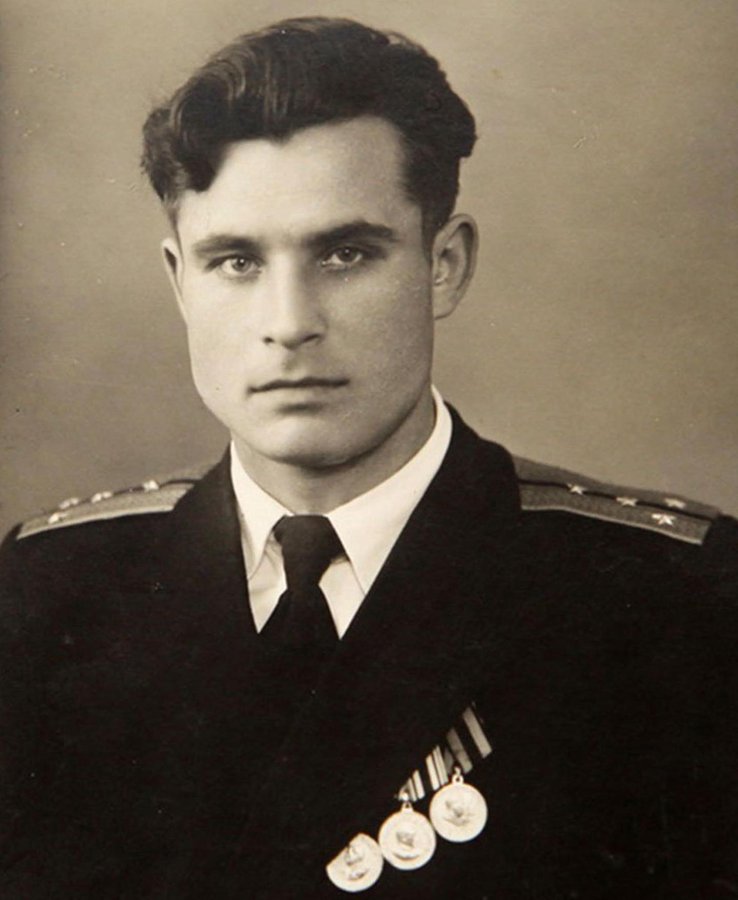
Vasily Arkhipov (1926 - 1998), a Soviet Navy officer, was the sole dissenting vote against launching a nuclear torpedo from a B-59 submarine after the U.S. deployed depth charges during the Cuban Missile Crisis of 1962.
Having lost contact with Moscow for several days, the Soviet crew was uncertain whether World War 3 had already begun. The captain, believing that war had erupted above water, was intent on firing the nuclear torpedo. The situation was further complicated as the submarine's batteries were nearing depletion, causing air conditioning failure and elevating the temperature to above 113°F (45°C).
The mounting heat, coupled with carbon dioxide poisoning and dwindling oxygen levels, began to cause crew members to faint and adversely affected their decision-making capabilities. According to the established protocol, the launch of a nuclear weapon required the consent of only the captain and the political officer present on the submarine. However, by a fortunate turn of events, Arkhipov, a flotilla commander, had opted to be on that ill-fated B-59 submarine.
It was an unusual choice, as flotilla commanders were rarely onboard nuclear submarines, yet their rank was high enough to alter the standard two-person voting procedure to involve three people.
Engaging in heated debates with the two senior officers, Arkhipov successfully persuaded them to surface and reestablish contact with Moscow. His steadfastness and crucial decision-making skillfully averted a potential nuclear conflict, saving the world in the process.