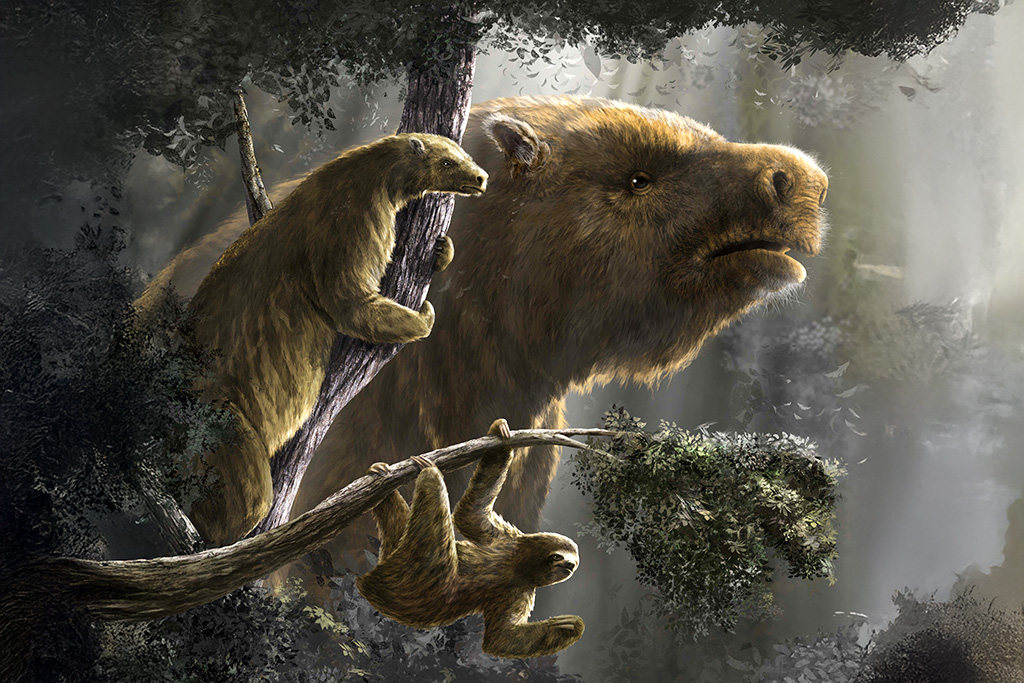
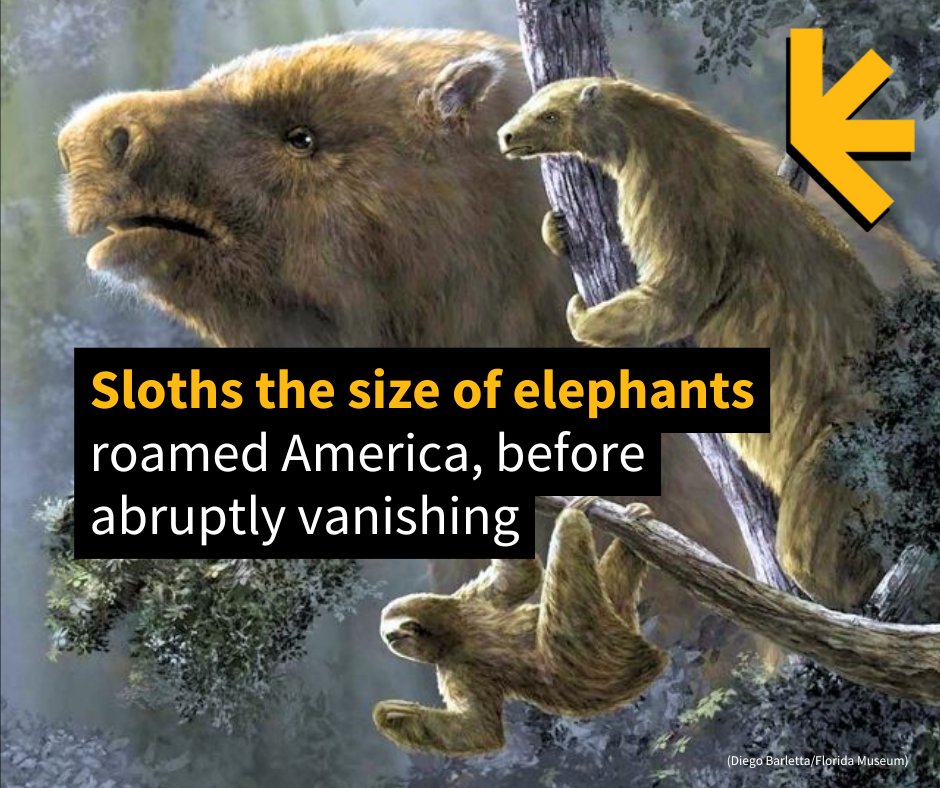
I am delighted to announce the release of our latest paper on the evolution of giant #sloths in @ScienceMagazine: https://t.co/J2k2AOSCin
An effort that lasted years, spanned continents, and put together a team of great scientists and friends. @CONICETDialoga@Exactas_UBA
Los proyectos de la Agencia I+d+i cancelados representan US$ 50 mill/año y se evitaba el fin de la Ciencia Argentina.
Para comparar: el Gobierno perdió US$ 1.400 mill cedidos a grandes exportadoras; los F16 costaron US$ 300 mill; y la SIDE tuvo un aumento de US$ 75 mill en 2025.
#Cientificidio
Un paso más hacia el precipicio. Anularon las convocatorias de proyectos 2022 (que ya se habían adjudicado) y cerraron definitivamente la convocatoria 2023. La Argentina será el único país de toda América que no invierte en ciencia.
Aberrante.
Alberto Boscaini es paleontólogo y se dedica a investigar la historia de los perezosos gigantes. Nos contó algunos datos curiosos que nos hicieron viajar en el tiempo. 🦥
#OtroDiaPerdido
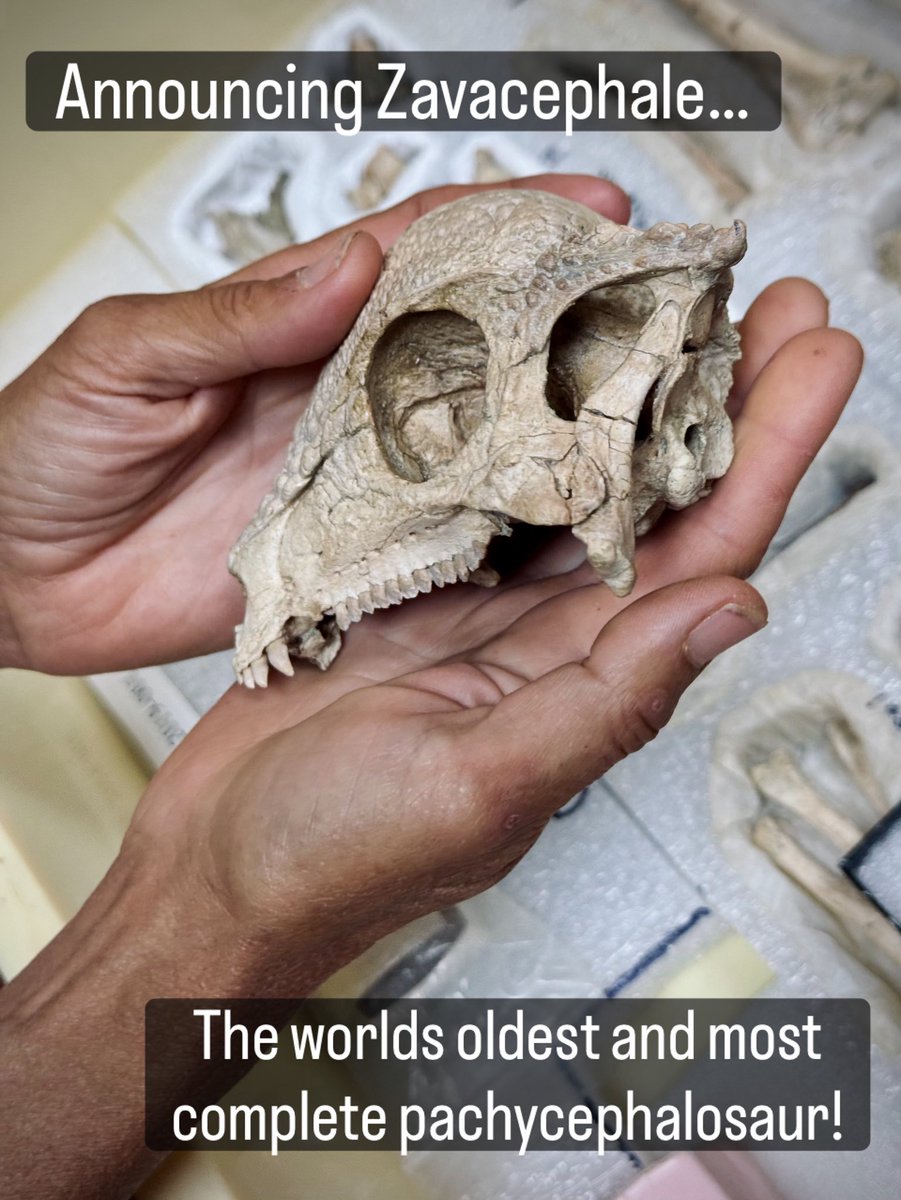
Announcing Zavacephale! So excited to share this cute little beastie with the world! Zavacephale is the oldest and most complete pachy. It’s also a juvenile with a full set of combat headgear! Check out our paper published in Nature today. https://t.co/RxalSnliRi
Our paper on rodent thumbnails is out! Huge team effort. Turns out, nails can reveal a lot about rodent evolution. Shoutout to Dr. Gordon Shepherd for the wild idea to study their thumbs!
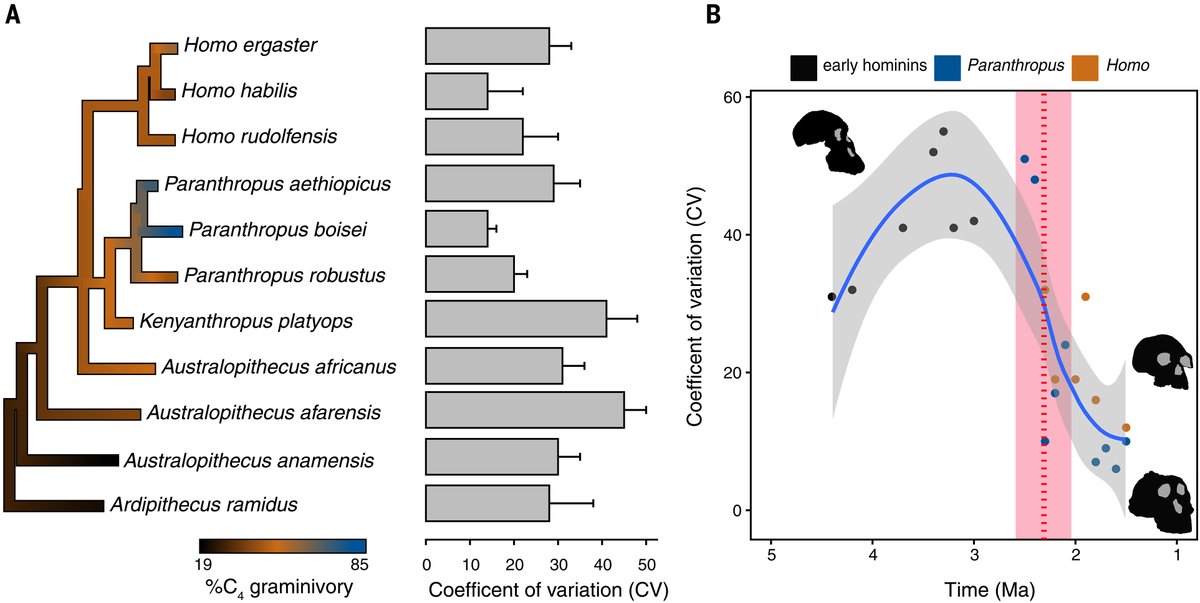
New isotopic and fossil evidence suggests that early primates, including hominins, began eating grasses long before their bodies evolved the traits needed to process them efficiently—findings that support the long-hypothesized concept of behavioral drive, researchers report in Science.
https://t.co/ddbnJZLrYQ
Why did some #megafauna survive? 🦣🦘🦌
Our new study shows #extinction risk was higher for larger, flat-footed, island species & lower for those closely related to tropical African/Asian fauna, likely filtered by earlier #hominid impacts👣🍖
https://t.co/OhZJequV8u
#palaeolithic
🚨New PhD research published in PNAS!🚨
Combining fossils and lab experiments, we found that simple changes in tooth #development explain 6 million years of molar #evolution in #voles 🐭🦷
Shoutout to my coauthors @LEHNA_lab@CNRS@BIOTECH_UH@GTK_FI!
https://t.co/GNLtSJM1DN
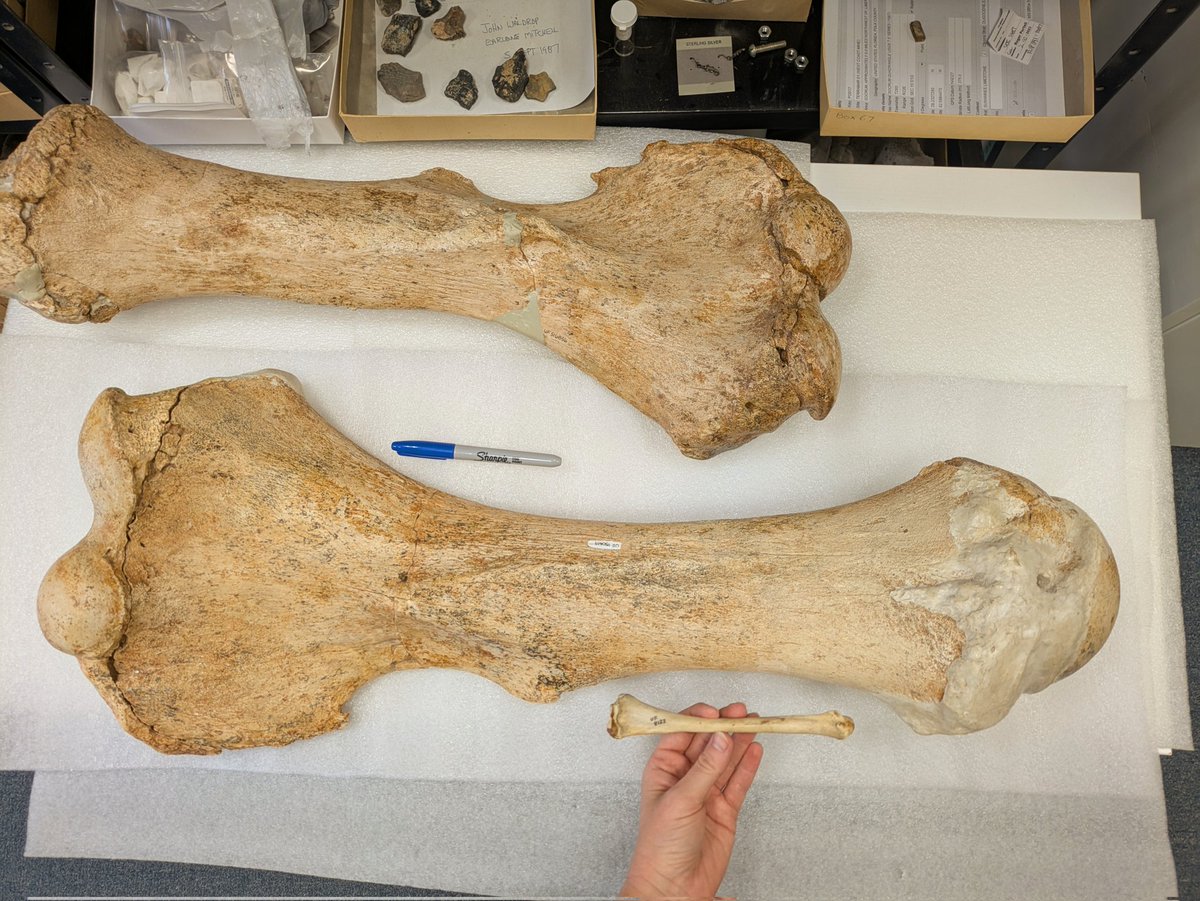
~2 million year old @FloridaMuseum giant ground sloth (Eremotherium) humerus compared to that of its closest living relative, the three-toed sloth (Bradypus)! #FossilFriday
"I no longer see reinvention as a deviation from a plan. It has become the most transformative force shaping my path." #ScienceWorkingLife https://t.co/KsX6USOV2q
🦏🦣🦌 LARGE paper alert!!! We tracked 60 million years of large herbivore evolution—over 3,000 fossil species—to uncover how ecosystems have changed and reorganized through time. What we found might help us understand the next big tipping point 🧵👇
https://t.co/l6pLrehdlp
🦥 Un novedoso estudio de investigadores
de @Exactas_UBA publicado en @ScienceMagazine analizó 35 millones de años de evolución de los perezosos gigantes en Sudamérica y sus estrategias de adaptación: el crecimiento en tamaño de los terrestres y la disminución en los arborícolas.
Massive Megatherium sloths once stood as large as Asian elephants, ripping foliage off treetops with prehensile tongues like today's giraffes. @FloridaMuseum@abpaleo@renarducci@UBAonline
https://t.co/EAW69uZK18
More than 1,000 scientists took to the streets yesterday in Buenos Aires and other cities in Argentina wearing gas masks to protest the collapse of science in the country, which they say was initiated by their government.
https://t.co/fkNEa7RnEg