𝐊𝐍𝐎𝐖𝐋𝐄𝐃𝐆𝐄 𝐌𝐄𝐄𝐓𝐒 𝐖𝐈𝐒𝐃𝐎𝐌: 𝐈𝐧𝐬𝐢𝐝𝐞 𝐄𝐭𝐡𝐢𝐨𝐩𝐢𝐚’𝐬 𝐃𝐢𝐚𝐥𝐨𝐠𝐮𝐞 𝐟𝐨𝐫 𝐚 𝐍𝐞𝐰 𝐒𝐨𝐜𝐢𝐚𝐥 𝐂𝐨𝐧𝐭𝐫𝐚𝐜𝐭
𝐃𝐚𝐲 𝟏𝟓 — 𝐌𝐨𝐧𝐝𝐚𝐲 𝐀𝐮𝐠𝐮𝐬𝐭 𝟑, 𝟐𝟎𝟐𝟔
Ethiopia stands at a decisive moment. At the Ethiopian National Dialogue Conference, delegates from across the country and every sphere of life are engaged in a rare national undertaking: a serious, structured effort to answer the question that has long confronted the nation. They are asking one question: How can Ethiopia break the cycle of conflict and build a future that works for all?
This is not rhetoric or sloganeering. Nor is the Conference a symbolic or ceremonial gathering. It is a historic opportunity to move Ethiopia from cycles of division toward a durable national settlement rooted in reason, evidence, and shared responsibility.
That is what makes the Ethiopian National Dialogue Conference so important: it is unfolding now, one rigorous session at a time, through disciplined deliberation among delegates who bring the lived realities of their communities into the room.
𝐓𝐨𝐝𝐚𝐲, 𝐭𝐡𝐞 𝐩𝐥𝐞𝐧𝐚𝐫𝐲 𝐠𝐫𝐨𝐮𝐩𝐬 𝐨𝐟 𝟓𝟎𝟎 𝐩𝐚𝐫𝐭𝐢𝐜𝐢𝐩𝐚𝐧𝐭𝐬 𝐢𝐧 𝐞𝐚𝐜𝐡 𝐚𝐠𝐞𝐧𝐝𝐚 𝐚𝐫𝐞𝐚 𝐦𝐞𝐭 𝐭𝐨 𝐜𝐨𝐧𝐭𝐢𝐧𝐮𝐞 𝐭𝐡𝐞𝐢𝐫 𝐝𝐞𝐥𝐢𝐛𝐞𝐫𝐚𝐭𝐢𝐨𝐧𝐬 𝐚𝐧𝐝 𝐛𝐞𝐠𝐢𝐧 𝐜𝐨𝐧𝐬𝐨𝐥𝐢𝐝𝐚𝐭𝐢𝐧𝐠 𝐭𝐡𝐞𝐢𝐫 𝐝𝐢𝐬𝐜𝐮𝐬𝐬𝐢𝐨𝐧𝐬 𝐢𝐧𝐭𝐨 𝐩𝐫𝐚𝐜𝐭𝐢𝐜𝐚𝐥, 𝐚𝐜𝐭𝐢𝐨𝐧𝐚𝐛𝐥𝐞 𝐫𝐞𝐜𝐨𝐦𝐦𝐞𝐧𝐝𝐚𝐭𝐢𝐨𝐧𝐬. 𝐃𝐞𝐥𝐞𝐠𝐚𝐭𝐞𝐬 𝐩𝐨𝐬𝐞𝐝 𝐚 𝐰𝐢𝐝𝐞 𝐫𝐚𝐧𝐠𝐞 𝐨𝐟 𝐪𝐮𝐞𝐬𝐭𝐢𝐨𝐧𝐬 𝐭𝐨 𝐭𝐡𝐞 𝐞𝐱𝐩𝐞𝐫𝐭 𝐩𝐚𝐧𝐞𝐥𝐬 — 𝐬𝐨𝐦𝐞 𝐡𝐢𝐠𝐡𝐥𝐲 𝐭𝐞𝐜𝐡𝐧𝐢𝐜𝐚𝐥, 𝐨𝐭𝐡𝐞𝐫𝐬 𝐟𝐨𝐜𝐮𝐬𝐞𝐝 𝐨𝐧 𝐝𝐞𝐟𝐢𝐧𝐢𝐭𝐢𝐨𝐧𝐬 𝐚𝐧𝐝 𝐜𝐥𝐚𝐫𝐢𝐟𝐢𝐜𝐚𝐭𝐢𝐨𝐧𝐬.
In response, the experts delivered extensive presentations, revisited issues raised earlier that had not yet been fully addressed, and provided detailed explanations where needed. They also offered comparative analysis, drawing on experiences from other countries to show where similar approaches have succeeded, where they have failed, and what lessons may be relevant to the Ethiopian context.
The Strategic Group of 25 then took the morning’s raw material and worked with it in the afternoon, narrowing differences, identifying areas of agreement, and translating global experience into Ethiopian solutions. As they deliberated and sought to forge consensus language, members of the group reminded one another of their shared purpose: to produce win-win outcomes, because in a genuine national dialogue, either everyone wins or nobody does.
After nearly three weeks of deliberations, delegates are acutely aware that this Conference is more than a meeting. It is a historic opportunity to move from suspicion to understanding, from fragmentation to common purpose, and from recurring crisis to durable national settlement.
They understand the burden they carry: to confront hard questions with wisdom, patience, and a shared commitment to Ethiopia’s peace, progress, and prosperity. At its core, the dialogue is a national search for common ground — not a competition to defeat one another, but a collective effort to build a better future for Ethiopia.
𝐈𝐧 𝐚𝐧 𝐞𝐚𝐫𝐥𝐢𝐞𝐫 𝐫𝐞𝐟𝐥𝐞𝐜𝐭𝐢𝐨𝐧 𝐨𝐧 𝐭𝐡𝐞 𝐄𝐭𝐡𝐢𝐨𝐩𝐢𝐚𝐧 𝐃𝐢𝐚𝐥𝐨𝐠𝐮𝐞 𝐂𝐨𝐧𝐟𝐞𝐫𝐞𝐧𝐜𝐞, 𝐈 𝐫𝐞𝐜𝐚𝐥𝐥𝐞𝐝 𝐭𝐡𝐞 𝐒𝐨𝐜𝐫𝐚𝐭𝐢𝐜 𝐦𝐞𝐭𝐡𝐨𝐝 𝐈 𝐨𝐧𝐜𝐞 𝐮𝐬𝐞𝐝 𝐢𝐧 𝐦𝐲 𝐜𝐨𝐥𝐥𝐞𝐠𝐞 𝐜𝐥𝐚𝐬𝐬𝐫𝐨𝐨𝐦𝐬: 𝐚𝐬𝐤𝐢𝐧𝐠 𝐭𝐡𝐨𝐮𝐠𝐡𝐭𝐟𝐮𝐥 𝐪𝐮𝐞𝐬𝐭𝐢𝐨𝐧𝐬 𝐭𝐨 𝐡𝐞𝐥𝐩 𝐬𝐭𝐮𝐝𝐞𝐧𝐭𝐬 𝐭𝐞𝐬𝐭 𝐚𝐬𝐬𝐮𝐦𝐩𝐭𝐢𝐨𝐧𝐬, 𝐞𝐱𝐩𝐨𝐬𝐞 𝐜𝐨𝐧𝐭𝐫𝐚𝐝𝐢𝐜𝐭𝐢𝐨𝐧𝐬, 𝐚𝐧𝐝 𝐫𝐞𝐟𝐢𝐧𝐞 𝐭𝐡𝐞𝐢𝐫 𝐭𝐡𝐢𝐧𝐤𝐢𝐧𝐠 𝐭𝐡𝐫𝐨𝐮𝐠𝐡 𝐫𝐞𝐚𝐬𝐨𝐧. 𝐓𝐡𝐚𝐭 𝐬𝐚𝐦𝐞 𝐬𝐩𝐢𝐫𝐢𝐭 𝐢𝐬 𝐚𝐭 𝐰𝐨𝐫𝐤 𝐢𝐧 𝐭𝐡𝐢𝐬 𝐂𝐨𝐧𝐟𝐞𝐫𝐞𝐧𝐜𝐞. 𝐀 𝐬𝐞𝐫𝐢𝐨𝐮𝐬 𝐧𝐚𝐭𝐢𝐨𝐧𝐚𝐥 𝐝𝐢𝐚𝐥𝐨𝐠𝐮𝐞 𝐦𝐮𝐬𝐭 𝐧𝐨𝐭 𝐛𝐞 𝐝𝐫𝐢𝐯𝐞𝐧 𝐛𝐲 𝐞𝐦𝐨𝐭𝐢𝐨𝐧 𝐚𝐥𝐨𝐧𝐞, 𝐛𝐮𝐭 𝐛𝐲 𝐝𝐢𝐬𝐜𝐢𝐩𝐥𝐢𝐧𝐞𝐝 𝐢𝐧𝐪𝐮𝐢𝐫𝐲, 𝐞𝐯𝐢𝐝𝐞𝐧𝐜𝐞, 𝐚𝐧𝐝 𝐚 𝐠𝐞𝐧𝐮𝐢𝐧𝐞 𝐝𝐞𝐬𝐢𝐫𝐞 𝐭𝐨 𝐝𝐢𝐬𝐜𝐨𝐯𝐞𝐫 𝐰𝐡𝐚𝐭 𝐢𝐬 𝐭𝐫𝐮𝐞, 𝐰𝐨𝐫𝐤𝐚𝐛𝐥𝐞, 𝐚𝐧𝐝 𝐟𝐚𝐢𝐫.
What should give every Ethiopian confidence is the quality of the delegates themselves. They are not passive recipients of ideas, nor are they empty vessels waiting to be filled by experts. They are wise, thoughtful, experienced, and deeply connected to the lived concerns of the country. They understand, in practical terms, the cost of instability and the value of peace. Their presence signals something important: Ethiopia still possesses a reservoir of national wisdom that can be mobilized for the common good.
That spirit is the foundation of lasting peace. Many could easily retreat into partisan or identity-based positions. Instead, they are choosing a higher path: asking difficult questions, testing assumptions, and searching for solutions that are fair, workable, and nationally responsible.
𝐈𝐧 𝐦𝐲 𝐯𝐢𝐞𝐰, 𝐭𝐡𝐞 𝐫𝐞𝐚𝐥 𝐬𝐭𝐫𝐞𝐧𝐠𝐭𝐡 𝐨𝐟 𝐭𝐡𝐞 𝐂𝐨𝐧𝐟𝐞𝐫𝐞𝐧𝐜𝐞 𝐥𝐢𝐞𝐬 𝐢𝐧 𝐭𝐡𝐞 𝐝𝐞𝐥𝐞𝐠𝐚𝐭𝐞𝐬’ 𝐰𝐢𝐥𝐥𝐢𝐧𝐠𝐧𝐞𝐬𝐬 𝐭𝐨 𝐭𝐡𝐢𝐧𝐤 𝐛𝐞𝐲𝐨𝐧𝐝 𝐢𝐦𝐦𝐞𝐝𝐢𝐚𝐭𝐞 𝐚𝐝𝐯𝐚𝐧𝐭𝐚𝐠𝐞. 𝐓𝐡𝐞𝐲 𝐤𝐧𝐨𝐰 𝐭𝐡𝐚𝐭 𝐧𝐨 𝐠𝐫𝐨𝐮𝐩 𝐜𝐚𝐧 𝐭𝐡𝐫𝐢𝐯𝐞 𝐟𝐨𝐫 𝐥𝐨𝐧𝐠 𝐢𝐧 𝐚 𝐟𝐫𝐚𝐜𝐭𝐮𝐫𝐞𝐝 𝐜𝐨𝐮𝐧𝐭𝐫𝐲. 𝐓𝐡𝐞𝐲 𝐤𝐧𝐨𝐰 𝐭𝐡𝐞 𝐠𝐨𝐚𝐥 𝐜𝐚𝐧𝐧𝐨𝐭 𝐛𝐞 𝐯𝐢𝐜𝐭𝐨𝐫𝐲 𝐨𝐯𝐞𝐫 𝐨𝐭𝐡𝐞𝐫𝐬. 𝐓𝐡𝐞 𝐠𝐨𝐚𝐥 𝐦𝐮𝐬𝐭 𝐛𝐞 𝐜𝐨𝐥𝐥𝐞𝐜𝐭𝐢𝐯𝐞 𝐩𝐫𝐨𝐠𝐫𝐞𝐬𝐬, 𝐩𝐞𝐚𝐜𝐞 𝐚𝐧𝐝 𝐩𝐫𝐨𝐬𝐩𝐞𝐫𝐢𝐭𝐲.
The best outcome is not one side defeating another, but Ethiopia reaching solutions that are balanced, just, and sustainable. That requires a mindset of national stewardship. In this sense, delegates are not merely debating ideas; they are helping shape a future social contract. Their responsibility is to narrow differences, identify common ground, and produce outcomes that can command broad legitimacy.
𝐀𝐜𝐫𝐨𝐬𝐬 𝐭𝐡𝐞 𝐚𝐠𝐞𝐧𝐝𝐚 𝐠𝐫𝐨𝐮𝐩𝐬, 𝐭𝐡𝐞 𝐝𝐞𝐥𝐞𝐠𝐚𝐭𝐞𝐬 𝐚𝐫𝐞 𝐝𝐨𝐢𝐧𝐠 𝐰𝐡𝐚𝐭 𝐚𝐥𝐥 𝐬𝐞𝐫𝐢𝐨𝐮𝐬 𝐧𝐚𝐭𝐢𝐨𝐧𝐚𝐥 𝐝𝐢𝐚𝐥𝐨𝐠𝐮𝐞𝐬 𝐫𝐞𝐪𝐮𝐢𝐫𝐞. 𝐓𝐡𝐞𝐲 𝐚𝐫𝐞 𝐚𝐬𝐤𝐢𝐧𝐠 𝐡𝐚𝐫𝐝 𝐪𝐮𝐞𝐬𝐭𝐢𝐨𝐧𝐬, 𝐞𝐱𝐚𝐦𝐢𝐧𝐢𝐧𝐠 𝐚𝐬𝐬𝐮𝐦𝐩𝐭𝐢𝐨𝐧𝐬, 𝐚𝐧𝐝 𝐫𝐞𝐬𝐢𝐬𝐭𝐢𝐧𝐠 𝐭𝐡𝐞 𝐭𝐞𝐦𝐩𝐭𝐚𝐭𝐢𝐨𝐧 𝐭𝐨 𝐫𝐞𝐝𝐮𝐜𝐞 𝐜𝐨𝐦𝐩𝐥𝐞𝐱 𝐧𝐚𝐭𝐢𝐨𝐧𝐚𝐥 𝐩𝐫𝐨𝐛𝐥𝐞𝐦𝐬 𝐭𝐨 𝐬𝐥𝐨𝐠𝐚𝐧𝐬. 𝐓𝐡𝐚𝐭 𝐝𝐢𝐬𝐜𝐢𝐩𝐥𝐢𝐧𝐞 𝐦𝐚𝐭𝐭𝐞𝐫𝐬. 𝐏𝐞𝐚𝐜𝐞 𝐢𝐬 𝐫𝐚𝐫𝐞𝐥𝐲 𝐛𝐮𝐢𝐥𝐭 𝐛𝐲 𝐞𝐦𝐨𝐭𝐢𝐨𝐧 𝐚𝐥𝐨𝐧𝐞. 𝐈𝐭 𝐢𝐬 𝐛𝐮𝐢𝐥𝐭 𝐰𝐡𝐞𝐧 𝐩𝐞𝐨𝐩𝐥𝐞 𝐚𝐫𝐞 𝐰𝐢𝐥𝐥𝐢𝐧𝐠 𝐭𝐨 𝐭𝐞𝐬𝐭 𝐢𝐝𝐞𝐚𝐬 𝐚𝐠𝐚𝐢𝐧𝐬𝐭 𝐞𝐯𝐢𝐝𝐞𝐧𝐜𝐞, 𝐜𝐨𝐧𝐟𝐫𝐨𝐧𝐭 𝐮𝐧𝐜𝐨𝐦𝐟𝐨𝐫𝐭𝐚𝐛𝐥𝐞 𝐭𝐫𝐮𝐭𝐡𝐬, 𝐚𝐧𝐝 𝐬𝐞𝐚𝐫𝐜𝐡 𝐟𝐨𝐫 𝐬𝐨𝐥𝐮𝐭𝐢𝐨𝐧𝐬 𝐭𝐡𝐚𝐭 𝐚𝐫𝐞 𝐛𝐨𝐭𝐡 𝐣𝐮𝐬𝐭 𝐚𝐧𝐝 𝐰𝐨𝐫𝐤𝐚𝐛𝐥𝐞.
𝐓𝐡𝐚𝐭 𝐢𝐬 𝐰𝐡𝐲 𝐭𝐡𝐞 𝐫𝐨𝐥𝐞 𝐨𝐟 𝐞𝐱𝐩𝐞𝐫𝐭𝐬 𝐡𝐚𝐬 𝐛𝐞𝐞𝐧 𝐬𝐨 𝐢𝐦𝐩𝐨𝐫𝐭𝐚𝐧𝐭. 𝐄𝐱𝐩𝐞𝐫𝐭𝐬 𝐚𝐫𝐞 𝐧𝐨𝐭 𝐭𝐡𝐞𝐫𝐞 𝐭𝐨 𝐝𝐢𝐜𝐭𝐚𝐭𝐞 𝐨𝐮𝐭𝐜𝐨𝐦𝐞𝐬. 𝐓𝐡𝐞𝐲 𝐚𝐫𝐞 𝐭𝐡𝐞𝐫𝐞 𝐭𝐨 𝐢𝐥𝐥𝐮𝐦𝐢𝐧𝐚𝐭𝐞. 𝐇𝐢𝐬𝐭𝐨𝐫𝐢𝐚𝐧𝐬, 𝐥𝐚𝐰𝐲𝐞𝐫𝐬, 𝐞𝐜𝐨𝐧𝐨𝐦𝐢𝐬𝐭𝐬, 𝐞𝐧𝐠𝐢𝐧𝐞𝐞𝐫𝐬, 𝐫𝐞𝐬𝐞𝐚𝐫𝐜𝐡𝐞𝐫𝐬, 𝐚𝐧𝐝 𝐨𝐭𝐡𝐞𝐫 𝐩𝐫𝐨𝐟𝐞𝐬𝐬𝐢𝐨𝐧𝐚𝐥𝐬 𝐚𝐫𝐞 𝐡𝐞𝐥𝐩𝐢𝐧𝐠 𝐞𝐬𝐭𝐚𝐛𝐥𝐢𝐬𝐡 𝐚 𝐬𝐡𝐚𝐫𝐞𝐝 𝐟𝐚𝐜𝐭𝐮𝐚𝐥 𝐛𝐚𝐬𝐞𝐥𝐢𝐧𝐞, 𝐞𝐱𝐩𝐥𝐚𝐢𝐧 𝐭𝐞𝐜𝐡𝐧𝐢𝐜𝐚𝐥 𝐜𝐨𝐦𝐩𝐥𝐞𝐱𝐢𝐭𝐲, 𝐚𝐧𝐝 𝐛𝐫𝐢𝐧𝐠 𝐜𝐨𝐦𝐩𝐚𝐫𝐚𝐭𝐢𝐯𝐞 𝐥𝐞𝐬𝐬𝐨𝐧𝐬 𝐟𝐫𝐨𝐦 𝐨𝐭𝐡𝐞𝐫 𝐜𝐨𝐮𝐧𝐭𝐫𝐢𝐞𝐬 𝐭𝐡𝐚𝐭 𝐡𝐚𝐯𝐞 𝐟𝐚𝐜𝐞𝐝 𝐬𝐢𝐦𝐢𝐥𝐚𝐫 𝐜𝐡𝐚𝐥𝐥𝐞𝐧𝐠𝐞𝐬. 𝐓𝐡𝐞𝐢𝐫 𝐫𝐨𝐥𝐞 𝐢𝐬 𝐭𝐨 𝐬𝐭𝐫𝐞𝐧𝐠𝐭𝐡𝐞𝐧 𝐣𝐮𝐝𝐠𝐦𝐞𝐧𝐭, 𝐧𝐨𝐭 𝐫𝐞𝐩𝐥𝐚𝐜𝐞 𝐢𝐭.
This distinction is essential. In a country where mistrust has often been fed by competing narratives, the careful use of evidence can help lower the temperature of debate. Facts cannot solve every disagreement, but they can prevent disagreements from being built on confusion. They can also help delegates distinguish between what is politically desirable, what is technically feasible, and what is nationally sustainable.
Expert panels therefore play a vital role in making the dialogue more informed, more rational, and more productive. Their purpose is not to replace the judgment of delegates, but to strengthen it. They bring technical knowledge, comparative experience, legal analysis, historical context, and data that help delegates make decisions based on facts rather than rumors, slogans, or fear.
This matters because national dialogue does not take place in a vacuum. Ethiopia is dealing with deep mistrust, competing narratives, and sensitive questions about governance, identity, justice, rights, and national coexistence. In such a setting, evidence can help de-politicize disputed facts, reduce propaganda, and establish a shared baseline for discussion. Experts can also show what has worked — and what has failed — in other countries, so delegates do not waste time repeating avoidable mistakes.
More importantly, expert input helps translate broad aspirations into practical options. It turns scattered ideas into clear proposals that delegates can examine, modify, accept, or reject on the basis of merit. That makes consensus more likely, because delegates are not being asked to choose between abstract positions alone. They are being given tools to refine proposals, test trade-offs, and shape outcomes they can defend before their communities. In that sense, knowledge becomes a bridge between principle and implementation.
Already, the structure of the dialogue points to promise. Plenary sessions allow experts to present evidence and delegates to test it openly. Smaller groups and strategic teams then refine the discussion, narrow gaps, synthesize viewpoints, identify areas of convergence and identify where consensus is possible.
This method creates strong prospects for meaningful progress because it is built on process, not improvisation. It moves from broad reflection to focused synthesis, from competing positions to practical convergence, and from disagreement to workable national recommendations.
There is every reason to believe this process can succeed because it is grounded in a simple but powerful insight: Ethiopian solutions to Ethiopian problems. Ethiopia’s problems will not be solved by one side defeating another. They will be solved when Ethiopians begin to see one another not as obstacles, but as partners in a shared future. That requires a different political culture — one that prizes reason over rumor, evidence over suspicion, and collective responsibility over zero-sum thinking.
As the dialogue continues on this path, I am confident that it can help shape Ethiopia’s destiny. I believe the outcome of the Conference will contribute significantly to a new Ethiopian social contract — one built not on force or fear, but on informed deliberation and mutual recognition. It can narrow long-standing divides, build confidence across communities, and produce recommendations with the legitimacy needed to endure. It can also help Ethiopia move toward a more mature political culture, one that values reason over rumor, evidence over emotion, and national interest over narrow competition.
For me, that is how a new social contract begins: not from imposed decree, but from public reasoning among Ethiopians themselves. If the process continues on its present path as I am sure it will, it has a strong chance of producing recommendations that are legitimate, actionable, and capable of enduring beyond the Conference.
For that reason, this dialogue deserves the full attention of policymakers, civic leaders, and citizens alike, as well as the international community. Its promise is not merely to manage disagreement, but to transform it into the basis for peace, reconstruction, and long-term prosperity. Its success would not simply resolve a set of agenda items; it would demonstrate that Ethiopia still possesses the institutional and moral capacity to reason its way toward renewal.
That possibility should inspire both confidence and patience, because meaningful national consensus takes time. But if this dialogue remains anchored in evidence, fairness, and the common good, as I firmly believe it will, its prospects are strong. Ethiopia has before it a real chance to turn a painful national moment into a durable foundation for peace, stability, and prosperity.
What makes this dialogue so powerful and so endlessly fascinating, to me, is the intelligence, wisdom, moral seriousness, and patriotism of the delegates themselves. These delegates are not coming into this dialogue process as strangers to their own country. They know the painful cost of conflict. They know the enduring value of peace. And they know that no group can prosper for long while the nation remains divided and unstable. To me, their very presence reflects a shared hope that Ethiopia can move from cycles of tension and distrust toward reconstruction, development, reconciliation, and lasting prosperity.
As I observer across agenda sessions, the delegates are seeking solutions that are balanced, durable, and just — solutions in which no side walks away humiliated and the country as a whole moves forward. They are looking for the strongest outcome, one that not merely produces recommendations but also allows each delegate to proudly say they have played a critical role in the formation of a new social contract for Ethiopians that ensures legitimacy, common ownership, and a common national future and destiny.
𝐌𝐲 𝐡𝐢𝐠𝐡𝐞𝐬𝐭 𝐫𝐞𝐬𝐩𝐞𝐜𝐭 𝐚𝐧𝐝 𝐚𝐩𝐩𝐫𝐞𝐜𝐢𝐚𝐭𝐢𝐨𝐧 𝐭𝐨 𝐚𝐥𝐥 𝐭𝐡𝐞 𝐝𝐞𝐥𝐞𝐠𝐚𝐭𝐞𝐬 𝐚𝐭 𝐭𝐡𝐞 𝐄𝐭𝐡𝐢𝐨𝐩𝐢𝐚𝐧 𝐍𝐚𝐭𝐢𝐨𝐧𝐚𝐥 𝐃𝐢𝐚𝐥𝐨𝐠𝐮𝐞 𝐂𝐨𝐧𝐟𝐞𝐫𝐞𝐧𝐜𝐞.
𝐒𝐮𝐩𝐩𝐨𝐫𝐭 𝐭𝐡𝐞 𝐄𝐭𝐡𝐢𝐨𝐩𝐢𝐚𝐧 𝐍𝐚𝐭𝐢𝐨𝐧𝐚𝐥 𝐃𝐢𝐚𝐥𝐨𝐠𝐮𝐞 𝐂𝐨𝐧𝐟𝐞𝐫𝐞𝐧𝐜𝐞 𝐚𝐧𝐝 𝐌𝐀𝐊𝐄 𝐄𝐓𝐇𝐈𝐎𝐏𝐈𝐀 𝐆𝐑𝐄𝐀𝐓 𝐀𝐆𝐀𝐈𝐍!
@PMEthiopia@AbiyAhmedAli@TagessechaffoD@AdanechAbiebie@TayeAtske@GHessebon@SMHaderaAbera@mfaethiopia@_AfricanUnion@USEmbassyAddis@DeputySecState@StateDept@marcorubio@VP@PeteHegseth@ChinaEmbAddis@USAfricaCommand@GovernmentRF@EUinEthiopia@RusEmbEthiopia@binalf7@MfaEgypt
#Ethiopia #AddisAbaba @UKinEthiopia@EUinEthiopia@GerEmbAddis@BelgiumAddis@TiborPNagyJr@NorwayinAddis@AusEmbET@SweinEthiopia@flyethiopian@AlsisiOfficial@RedwanHussien@FoxNews@ECA_Official #Somaliland #Egypt #Eritrea #Somalia @MOFASomalia@reda_getachew@EthiopianNewsA@EthioNDC@theVillaSomalia #Djibouti @cnni@BBCAfrica@CNNAfrica@BloombergAfrica@Aljazeerafrican@EgyptPRNewYork@emirates@HHShkMohd@AlArabiya_Brk@AlHadath
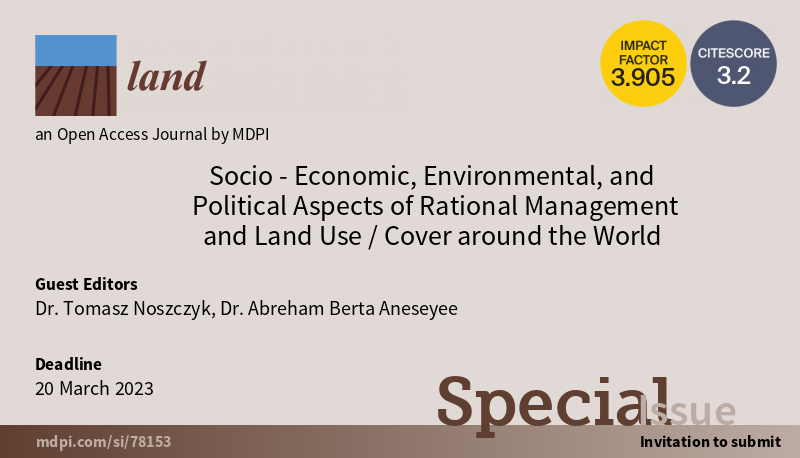
#callforpapers#mdpiland
Special Issue "Socio-Economic, Environmental, and Political Aspects of Rational Management and #LandUse/Cover around the World" is now open for submission.
edit by Dr. Tomasz Noszczyk and Dr. Abreham Berta Aneseyee @abreshb
more https://t.co/tItcPrf0TW
"I've a strong reason that the die is cast, as they say. There's already a Predetermined Action that's on the making. Trust has Died, Mistrust is Blossoming, right & left. What we heard isn't a message of #PEACE, it's a message of #WARNING one after the other ..." - @TayeAtske 🙏🏽