ATENÇÃO!! A China iniciou o projeto "bambu substitui o plástico"!! Sacolas, copos, potes, vasilhas feitas de bambu mais resistente que o plástico e que se biodegradam completamente em 4 a 6 meses.
NÃO causam câncer, NÃO deixam microplásticos no seu organismo, NÃO são tóxicos como o plástico, NÃO usam petróleo e NÃO poluem!!
Vou trazer esse projeto pro Brasil!!!
OS BRICS ESTÃO VENCENDO!!
❁ Pintura: “Dois indígenas em uma canoa” (1860), do artista francês François-Auguste Biard.
François-Auguste Biard, que visitou o Brasil em 1858, explorou o Espírito Santo e a Amazônia, onde ele retratou cenas da natureza e da vida indígena com um certo viés romântico.
13 million years ago, in what will become modern day Colombia, a predatory Langstonia is on the prowl. Sebecids like this were some of the dominant land predators throughout the Cenozoic. Art by Corbin Rainbolt
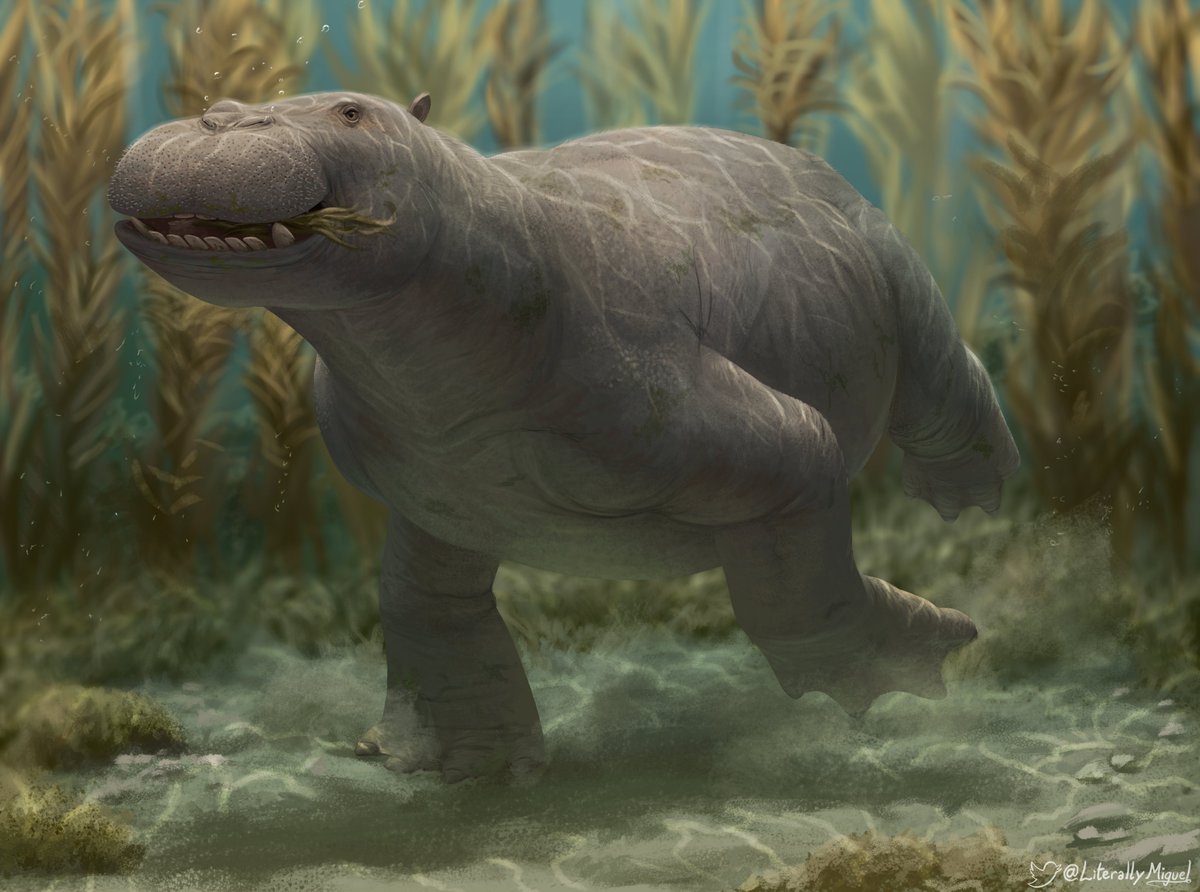
Paleoparadoxia, a bizarre marine mammal with bizarre teeth and jaws and bizarre giant hands and- you get it, its got nothing to do with hippos lol (paleoart comm)
🚨NEW STUDY DROP🚨
A re-analysis of Spinosaur skull fossils has found osteological correlates for the salt gland in birds and marine iguanas. This helps provide more support for their near-marine lifestyles. It would've been weird if they didn't have this.
🎨: Andrea Cau
Around 234 million years ago, a chaotic climate crisis drenched parts of Pangea for up to two million years, reshaping ecosystems and helping dinosaurs rise to dominance.
Image credit: Matheus Fernandes via Wikimedia Commons
https://t.co/mDdCP17VW1
#fossils#paleontology
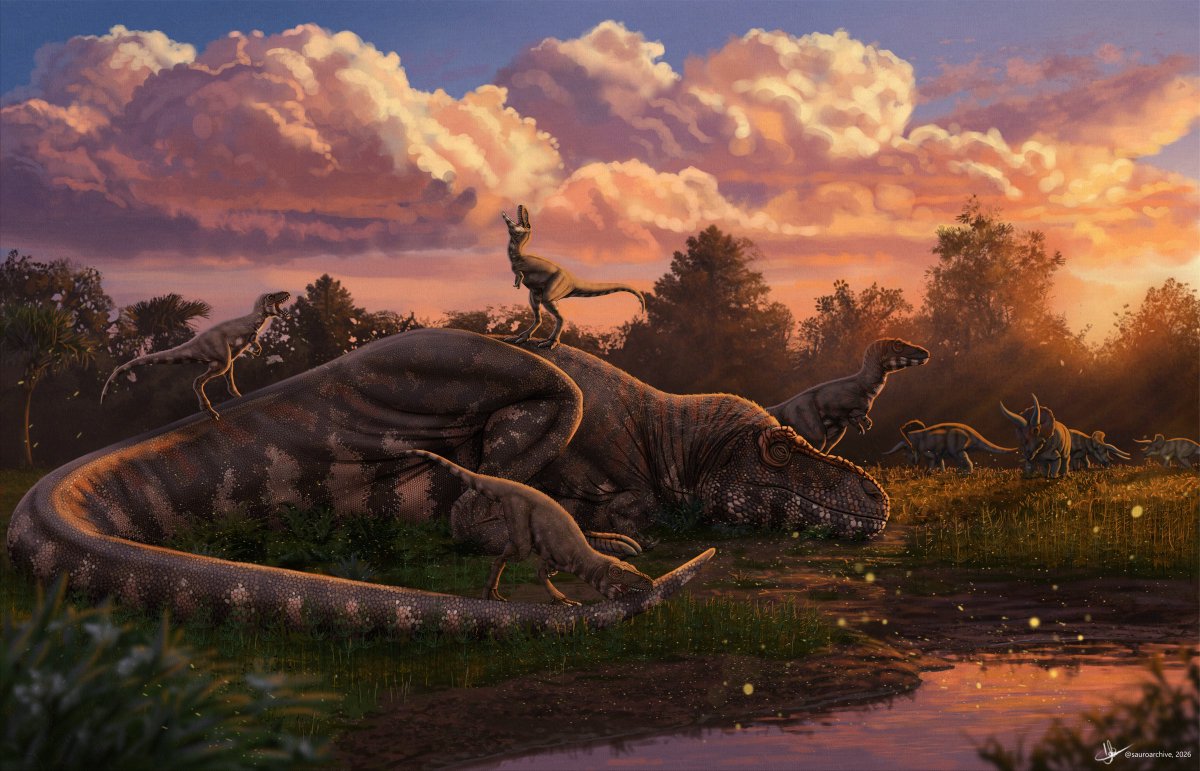
To celebrate yesterday’s Mother’s Day, I’m sharing today a piece I completed some days ago for a commission, depicting a calm moment in which an adult Tyrannosaurus tries to sleep while the hatchlings around it make a bit of a mess😅
#paleoart#tyrannosaurus#dinosaurs
A 13 metres-long Nanaimoteuthis comes across a pack of small mosasaurs drawn to the scent of blood. Ammonites like this one could’ve been a frequent prey for this monstrous octopus, as opposed to vertebrates of its weight class that could have overpowered this soft-bodied animal.
Besano Formation
This week we go back 142 million years to what are now the Italian and Swiss Alps, during the Early Triassic. On these coasts lived unique forms of reptiles, such as Tanystropheus, which had a long neck and a small head and probably hunted fish from the rocks.