E-commerce Front-End Dev, WooCommerce & SEO Expert | CRO/UX Specialist | Exploring AI Search (AEO/GEO) | AWS | Remote Full time | DM open | English Intermediate
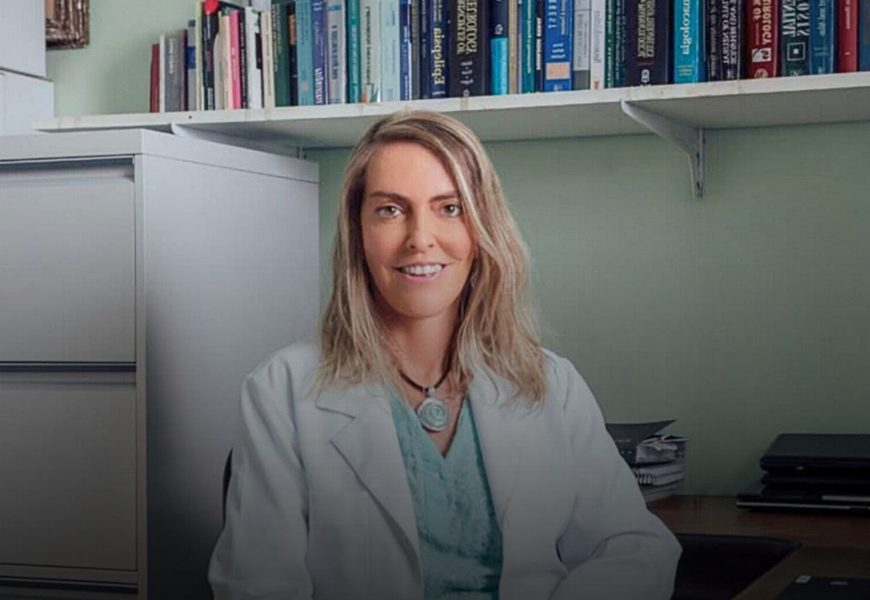
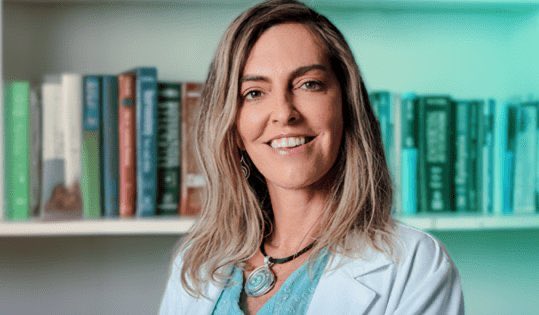
Agradecimento enorme à Dra. Tatiana Coelho de Sampaio e à equipe da UFRJ (Laboratório de Biologia da Matriz Extracelular/ICB) que, por mais de 25 anos, não desistiu de desafiar o 'impossível'.
Graças à dedicação incansável de vocês — junto com colaboradores, alunos e parceiros como o Cristália — a polilaminina está mudando vidas: devolvendo movimentos a pessoas com lesão medular que a ciência considerava irreversível.
Vocês colocaram a ciência brasileira no mapa mundial da regeneração nervosa. Muito obrigado por persistirem, acreditarem e transformarem esperança em resultados reais. Orgulho do Brasil! 🇧🇷🧬"
For decades, paralysis was treated as permanent. This Brazilian scientist is challenging that assumption. Tatiana Coelho de Sampaio, a researcher at the Federal University of Rio de Janeiro, has spent over 25 years studying how nerves regenerate. Her work led to an experimental molecule called polylaminin and the results have stunned the scientific community.
Brazilian researchers at the Federal University of Rio de Janeiro (UFRJ) have achieved a major milestone in regenerative medicine: after more than 25 years of research, polylaminin a polymerized form of the natural protein laminin, has received approval from Anvisa for Phase 1 clinical trials in humans with acute, complete spinal cord injuries.
Initial human trials (including phase 1 safety studies approved in early 2026) are yielding encouraging early outcomes: some individuals with severe spinal cord injuries have shown partial return of voluntary movement, improved motor control, and basic functions previously thought permanently lost.
What medical science long considered irreversible is starting to shift toward possible recovery.
The approach leverages a polymerized form of laminin (a natural protein) to promote axon regrowth, bridge injury sites, reduce inflammation, and support neural reconnection essentially kickstarting the body's own repair processes while safeguarding remaining nerve cells.
For years, spinal cord injuries meant lifelong symptom management with little hope of restoring function. This therapy challenges that reality, potentially opening doors for millions affected by paralysis around the globe.
Reports from the studies highlight notable gains in mobility, coordination, and muscle strength in early phases.
Experts stress that these results while exciting and historic remain PRELIMINARY. Larger trials are essential to confirm long-term safety, efficacy, and scalability.
Even so, this milestone from Brazil's dedicated teams represents a pivotal moment in neuroscience, edging the vision of meaningful recovery for spinal cord injury patients closer to reality than ever before.