Today, we’re releasing a feature that allows Claude to control your computer: Mouse, keyboard, and screen, giving it the ability to use any app.
I believe this is especially useful if used with Dispatch, which allows you to remotely control Claude on your computer while you’re away.
We're disappointed by these attacks, but not deterred.
I'm proud to work here. If you've been moved by this week's events, consider applying to join me.
We're disappointed by these attacks, but not deterred.
I'm proud to work here. If you've been moved by this week's events, consider applying to join me.
Fast browser and computer use will be critical for completing last mile tasks. I’m excited to share some early experimentation with low latency browser use, plus a demo you can play with starting today!
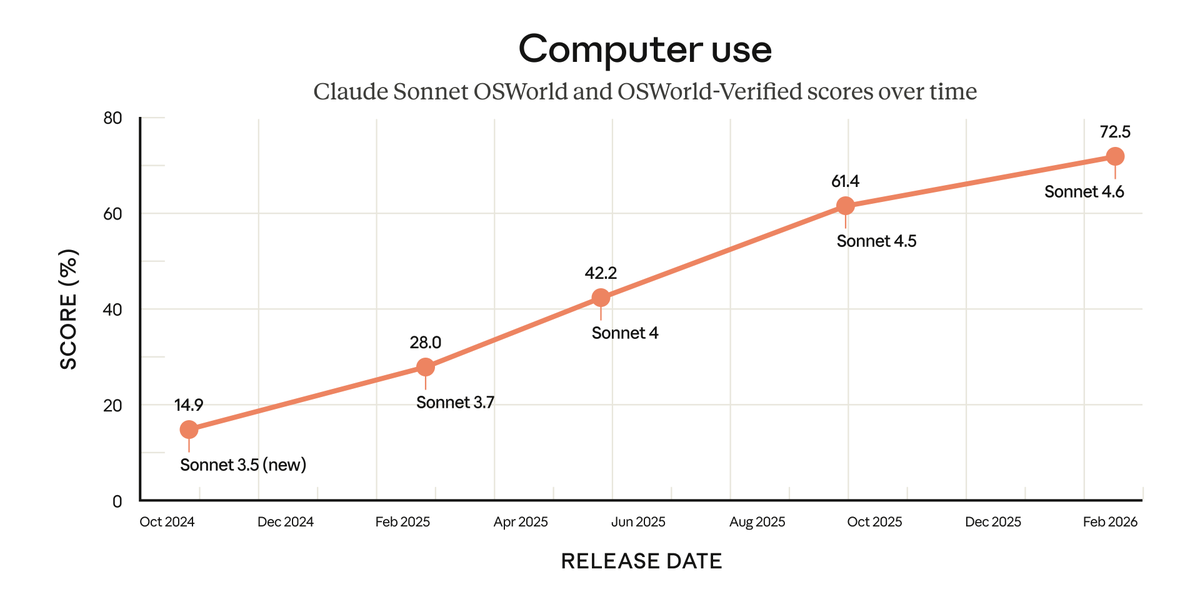
Sonnet 4.6 also shows a major improvement in computer use skills.
Early users are seeing human-level capability on tasks like complex spreadsheets and multi-step web forms.
Not to late to apply to @UUtah for admission for Fall of 2026. https://t.co/LN41p42Wj1
Apps due Dec 15
I'm looking for strong students interested in VLM agents with applications in Computer Use and Robotics. Please apply and mention me in your application if you're interested!
📣 Anthropic Zurich is hiring again 🇨🇭
The team has been shaping up fantastically over the last months, and I have re-opened applications for pre-training.
We welcome applications from anywhere along the "scientist/engineer spectrum". If building the future of AI for the general good and working in a highly collaborative environment resonates with you, take a look:
https://t.co/Rx9ae4kGxF
This is why I consider Ludwig one of the best academics of recent years.
He's been leading the most impactful work that academics usually shy away from. Not just once, not just twice, but many times over!
And his pivot from robustness was amazing to witness, hats off.
Very excited about our new agent benchmark! I think it's a nice way of evaluating how well agents can do complex task in terminal (command line) environments.
@ethansdyer and I have started a new team at @AnthropicAI — and we’re hiring!
Our team is organized around the north star goal of building an AI scientist: a system capable of solving the long-term reasoning challenges and core capabilities needed to push the scientific frontier. We're thinking across the full model stack. Right now, we're focused on improving models' ability to use computers — both as labs for long-horizon tasks and as a key bottleneck in scientific workflows.
Staff Infrastructure Engineer:
https://t.co/iYc13VTlfd
Senior Research Engineer:
https://t.co/dp36TsPGPk
Anthropic is hosting a recruiting social in NYC targeted at the quant trading industry! Signup in thread.
I enjoyed trading systems, and Anthropic combines the technical depth of trading with being in the fastest most impactful area of tech.
Data in AI and ML is more crucial than ever. Consider submitting your data-related work at our CVPR2025 workshop!
Exploring the Next Generation of Data Workshop (https://t.co/UE20pdOtAO)
Deadline: Sun, March 22th
https://t.co/ukWGwJxNFH
Part 1/n
And I am excited to announce that I have joined Anthropic, Switzerland! 🇨🇭
Anthropic is setting up a new office in Zurich, expanding its global presence. I am super excited to build a team here, where we will be working on LLM training, focussing on developing multimodal capabilities...
Excited to present new work on using diffusion priors for video amodal segmentation and content completion!
with @kaihuac5 (lead author) and @RamananDeva
arXiv: https://t.co/mntEI43Nke
project page: https://t.co/kw17Whh9c0
The new Claude 3.5 Sonnet is the first frontier AI model to offer computer use in public beta.
While groundbreaking, computer use is still experimental—at times error-prone. We're releasing it early for feedback from developers.
Very excited to announce that in Fall 2025, I will be starting as an Assistant Professor at the Kahlert School of Computing at the University of Utah @UUtah.
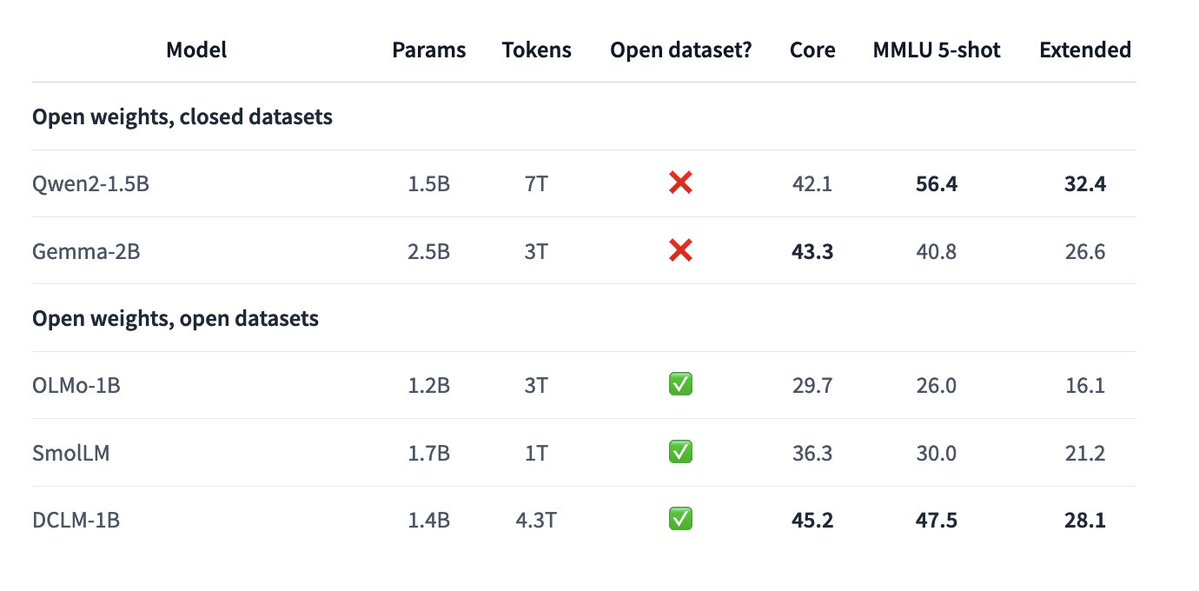
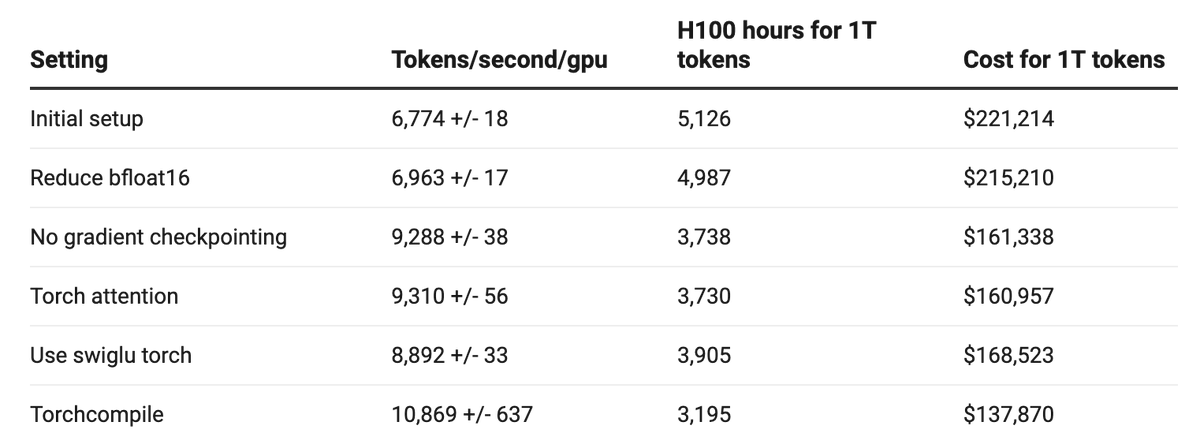
Training DataComp-LM models meant we needed fast training code: here's a quick summary of how we sped up training in OpenLM by 60%, reducing costs by ~40%!