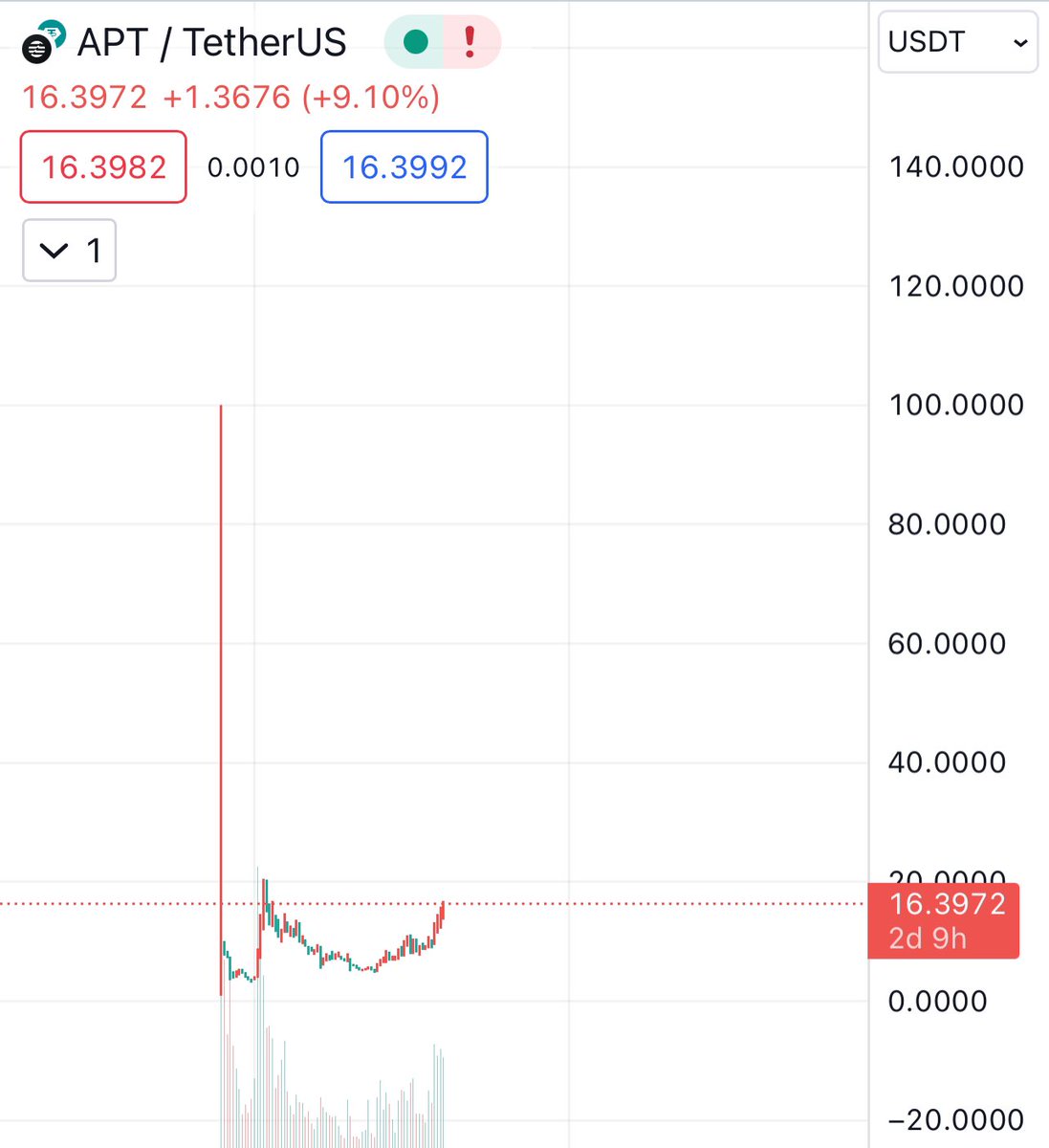
I expect to see a lot more tokens go-to-market ethereum:0xa0df17b5ac76ababa36e1450e2cbcd18a620c845 -style.
Forces you to use the product to buy. So clever.
The Genius Act just passed the Senate and will likely become law. If so, it may be one of the most consequential changes to the global financial system in many years. It effectively deputizes U.S. corporations to dollarize the world, ultimately defangs the KYC/AML regime, and legitimizes cryptocurrency networks as financial infrastructure.
The act clarifies the legal status and regulation of stablecoins. We'll probably see many companies launch stablecoins and incentivize their growth.
The stablecoin business model right now is simple: crypto speculators and foreigners (particularly those in unstable countries with weak property rights) are happy to give up the 4%+ risk-free rate for the privilege of owning/transacting in digital USD without the hassle of dealing with US financial institutions. It's immensely profitable for the biggest stablecoin issuer, Tether, which can earn $6B+ a year risk-free at USDT's current market cap of $155B by simply investing in T-bills. It is a far better business than traditional banking.
Not only that, stablecoins benefit from network effects. USDT has managed to maintain its dominance for years despite strong competition, regulatory attack, accusations of fraud, etc.
With the Genius Act, big corps now have permission to go after this market and grow it. They can more easily compete with $V and $MA and $AXP. Retailers in particular have a strong incentive to cut credit card processing fees. Perhaps most importantly, the act grants stablecoins legitimacy, which will spur adoption by individuals and businesses.
The liquidity and ubiquity of stablecoins will probably have the biggest impact on unstable foreign countries. Why own the local currency when you could own safe, easy-to-use digital US dollars? Stablecoin issuers will be massively incentivized to get as many people to hold their coins, no matter where they’re located.
Although the law mandates KYC/AML, once stablecoins are on a blockchain and freely transferrable, they become almost impossible to fully identify and control. We have no idea who exactly owns most of the USDT out there. The U.S. has some semblance of control over who owns USDC, the biggest US-regulated stablecoin, because there are only a handful of on/off ramps, but if tens of thousands of businesses are transacting in stablecoins, it becomes almost impossible to seal all the leaks in the system.
The U.S. government has an interest in dollarizing the world. We’re running massive deficits. If we can get foreigners to hold trillions of U.S. dollars and make it their preferred transaction medium, it eases our debt problems. It also increases our leverage over the rest of the world if we can freeze/seize accounts by flipping some digital bits.
In the long run, with more legitimate, non-speculative economic activity occurring on stablecoins, the cryptocurrency networks that power them will become increasingly attractive places for commerce. We could see huge growth in decentralized financial protocols.
Because network/liquidity effects are so powerful on the Internet, I think this will be a winner-take-most market, with most activity concentrating on one network and one stablecoin. The company that owns the dominant stablecoin may end up with trillions of dollars and incredible profits. The cryptocurrency protocol that’s most widely used will likely also become immensely valuable as it can charge a minor toll for usage.
I don’t think these changes are imminent. It will likely take decades for this to unfold. But if it does, the person who bets on the winning stablecoin company and the winning crypto protocol will likely make mind-blowing profits.