Join the AcreValue Network℠
America's Premier Land Network
Create a Free AcreValue Profile℠ today to Join the AcreValue Community℠
Offered by @AgAnalytics.
Big news! You can now search for properties and land ownership on @acrevalue based on distance to the nearest transmission line, substation, or solar farm. See the new feature in action on YouTube: https://t.co/S0Kir3AIU9
Happy National Pickle Day! 🥒 Every pickle starts as a cucumber, and cucumbers grow fast when they get warm days, steady moisture, and well-drained soil. A few states can supply those conditions at scale, whether the crop is headed for pickle jars or produce aisles.
Long growing seasons and established processing networks keep these regions productive year after year.
Here are the top 3 states for cucumber production: 📍Michigan, Florida, North Carolina
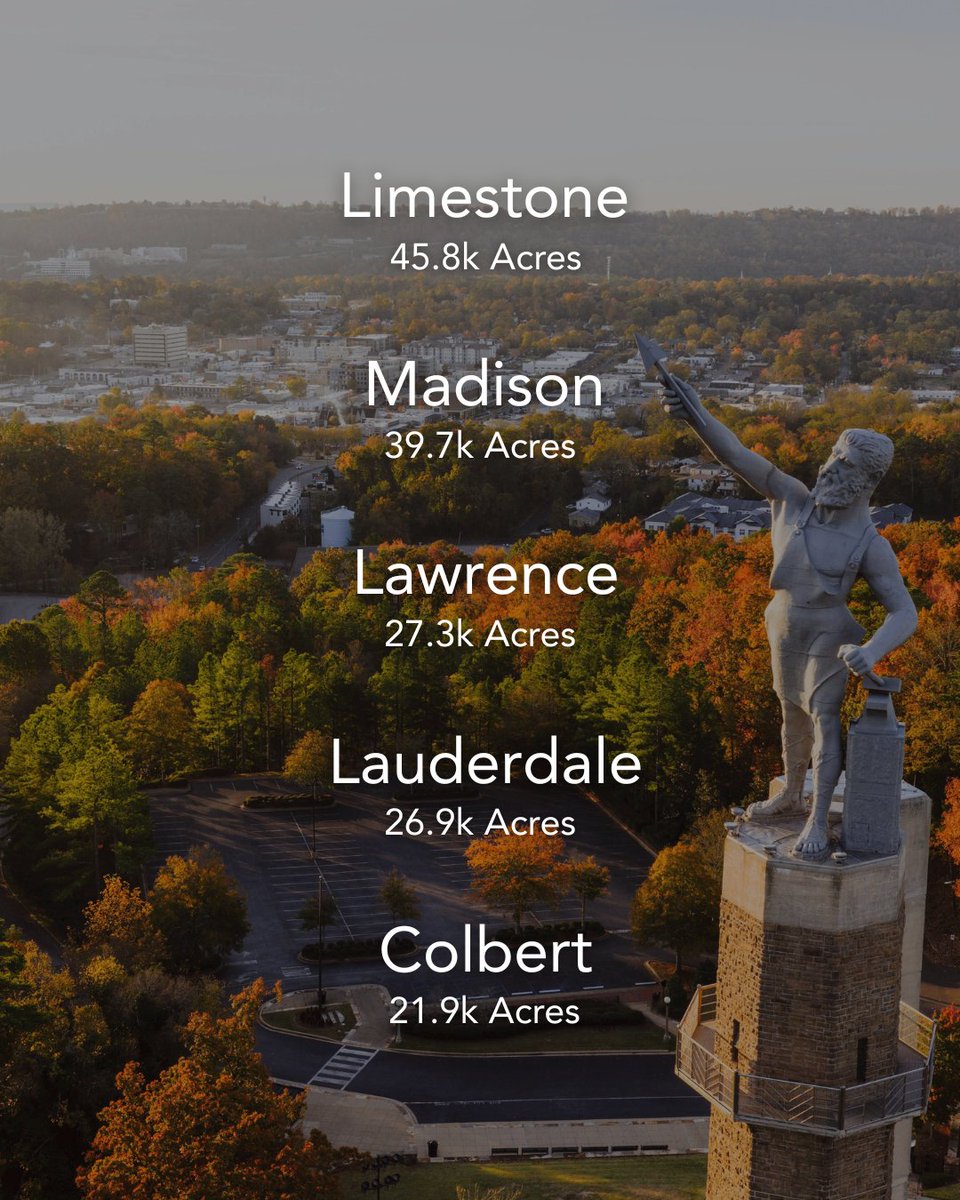
Alabama’s cropland rankings are led by Limestone and Madison counties. Together they cover about 85,500 acres, putting the Tennessee Valley ahead of the rest of the state.
Lawrence, Lauderdale, and Colbert round out the top five, which shows how much of Alabama’s farmland is concentrated across the northern part of the state.
AcreValue lets you explore these numbers and compare cropland county by county.
This Veterans Day, we honor the men and women who have served our country. 🇺��
We’re grateful for your courage, your sacrifice, and everything you’ve given to protect our freedom. Thank you for your service.
Individuals and families own about two-thirds of Alabama’s cropland, with 219,700 acres and 66.1% of the total. That’s more than every other ownership group combined.
LLCs come in second with 54,700 acres (16.4%), and other ownership types follow close behind with 53,000 acres (16%). Trusts make up just 1.5%. While family ownership still leads by far, business entities hold a sizable share of the state’s farmland.
Curious who owns the land near you? Use AcreValue to look up ownership and see how cropland is divided across Alabama.
Two parcels can be the same size and still sell for very different prices. Often the difference comes down to how many of those acres can actually be farmed.
Before you buy or sell, check how much of the property is tillable. 💡
Halloween brings costumes, candy, and carved pumpkins, but it's also a reminder of the agricultural land that makes many seasonal traditions possible.
From pumpkin patches and apple orchards to corn mazes and fall harvests, agriculture plays a role in some of the season's most recognizable experiences.
Happy Halloween from AcreValue! 🎃
The landscape never stays the same for long.
One of the things we love most about land is watching it change through the seasons, each one bringing something different to the view. ✨
National Pumpkin Day shines a spotlight on one of America's most recognizable fall crops, but production is concentrated in just a few states.
The combination of climate, growing conditions, and agricultural infrastructure has helped these regions become leaders in pumpkin production year after year.
Here are the top 3 states for pumpkin production: 📍Illinois, California, Indiana
Most of the state's cropland is held by individual and family owners. With more than 6.7 million acres and over 75% of the total share, their footprint defines the landscape and stands apart from every other ownership category.
LLCs account for a much smaller share of cropland acres, while trusts represent an even smaller portion. The remaining acres fall into other ownership types, creating a mix that highlights just how concentrated ownership is among individuals and families.
AcreValue helps you compare ownership categories, study how acres are distributed, and understand the patterns shaping land ownership across the state.
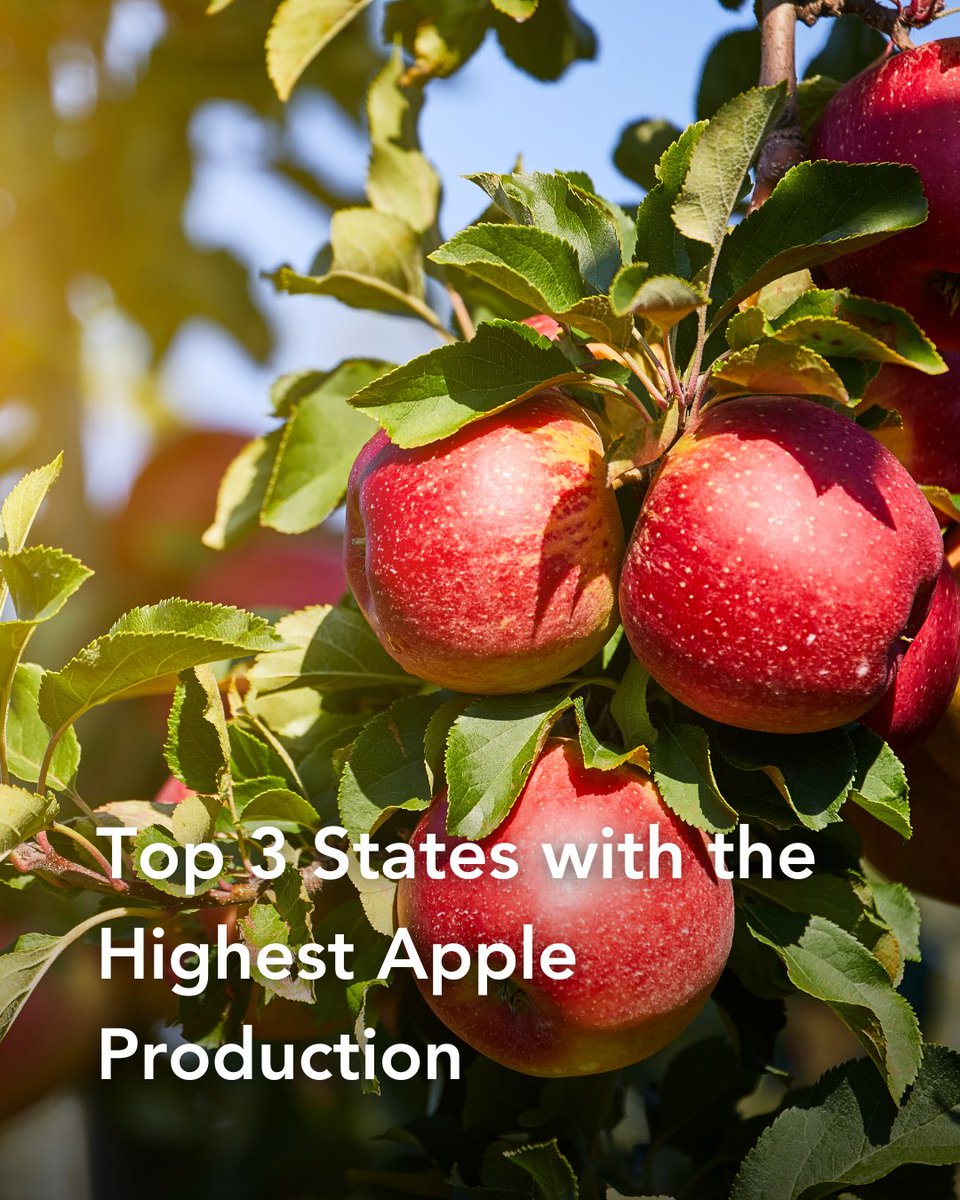
From fresh snacks to cider and pie, apples are part of traditions across the country.
This National Apple Day, we're highlighting the states that lead the way in apple production and help keep orchards thriving year after year.
Here are the top 3 states for apple production: 📍Washington, New York, Michigan
Understanding land ownership also means understanding the rights associated with the crops growing on it.
Emblements are annual crops that may remain the personal property of a tenant farmer, giving them the opportunity to harvest what they planted under certain circumstances.
South Dakota's cropland story starts with Spink and Brown counties. Together they account for nearly 910,000 acres, setting a pace that the rest of the state works to match.
From Sully to Minnehaha and Hutchinson, the rankings reveal where some of the state's most productive agricultural ground is concentrated.
AcreValue helps you visualize these trends and analyze cropland at the county level.
Every field planted, every crop harvested, and every acre managed starts with the dedication of a farmer.
This National Farmers Day, we recognize the hard work, resilience, and commitment that help sustain agriculture and rural communities year after year.
Thank you to the farmers who make it all possible.
Access can be just as important as acreage. 👀
Ingress and egress refer to the legal right to enter and leave a property, and these rights often play a key role in the value and functionality of rural land.
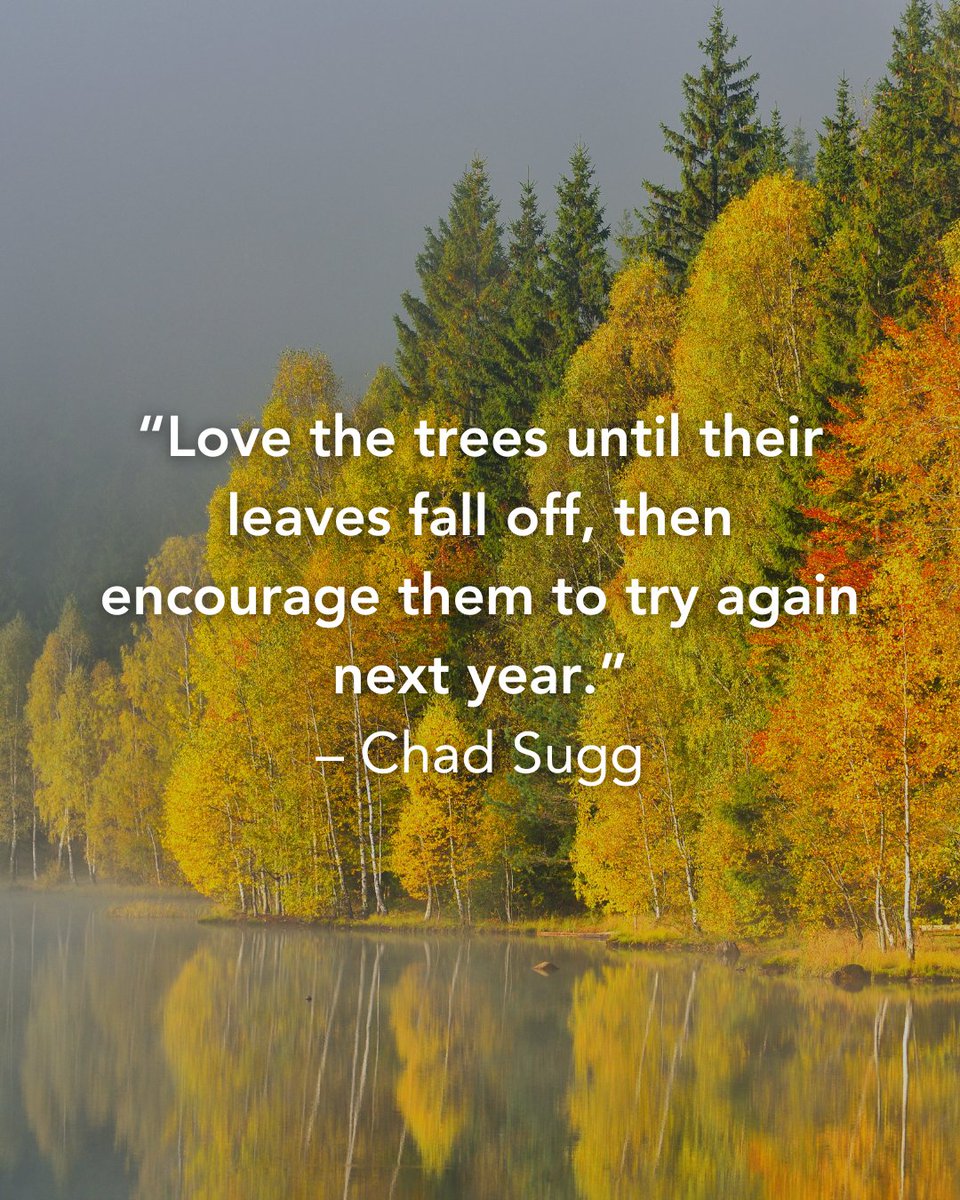
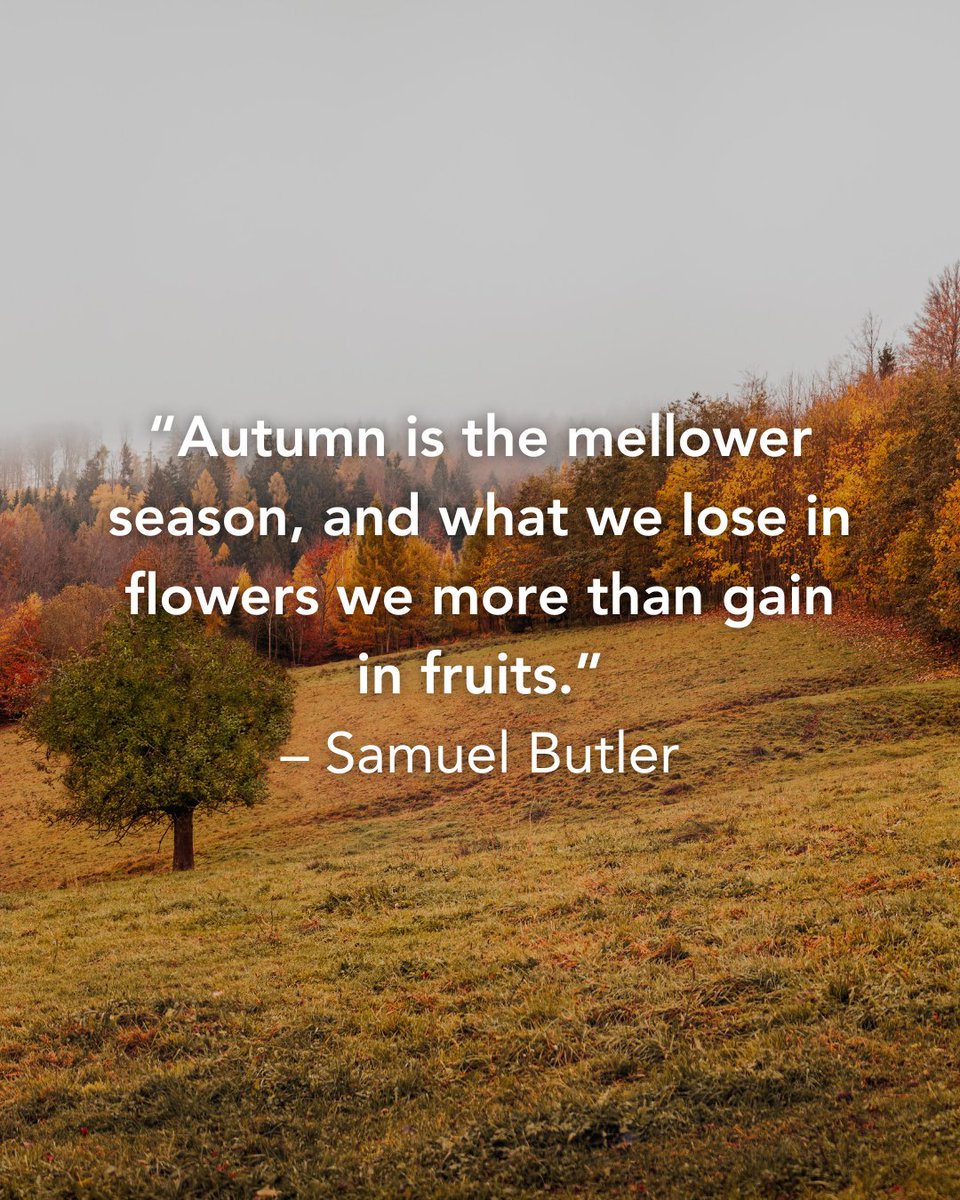
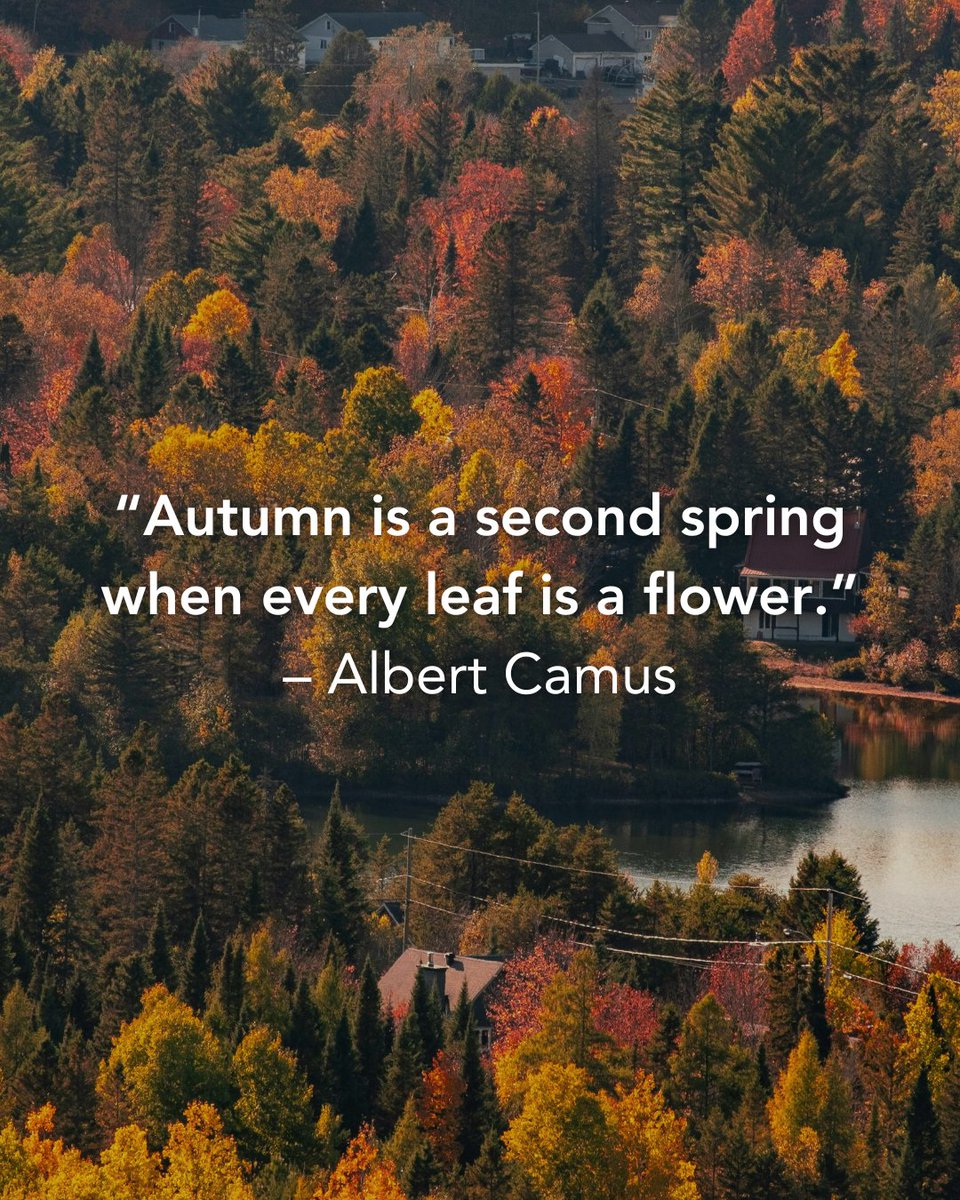
Autumn has a way of turning ordinary landscapes into something extraordinary.
As another season unfolds, we're appreciating the colors, the scenery, and the beauty found across the land. 🍂
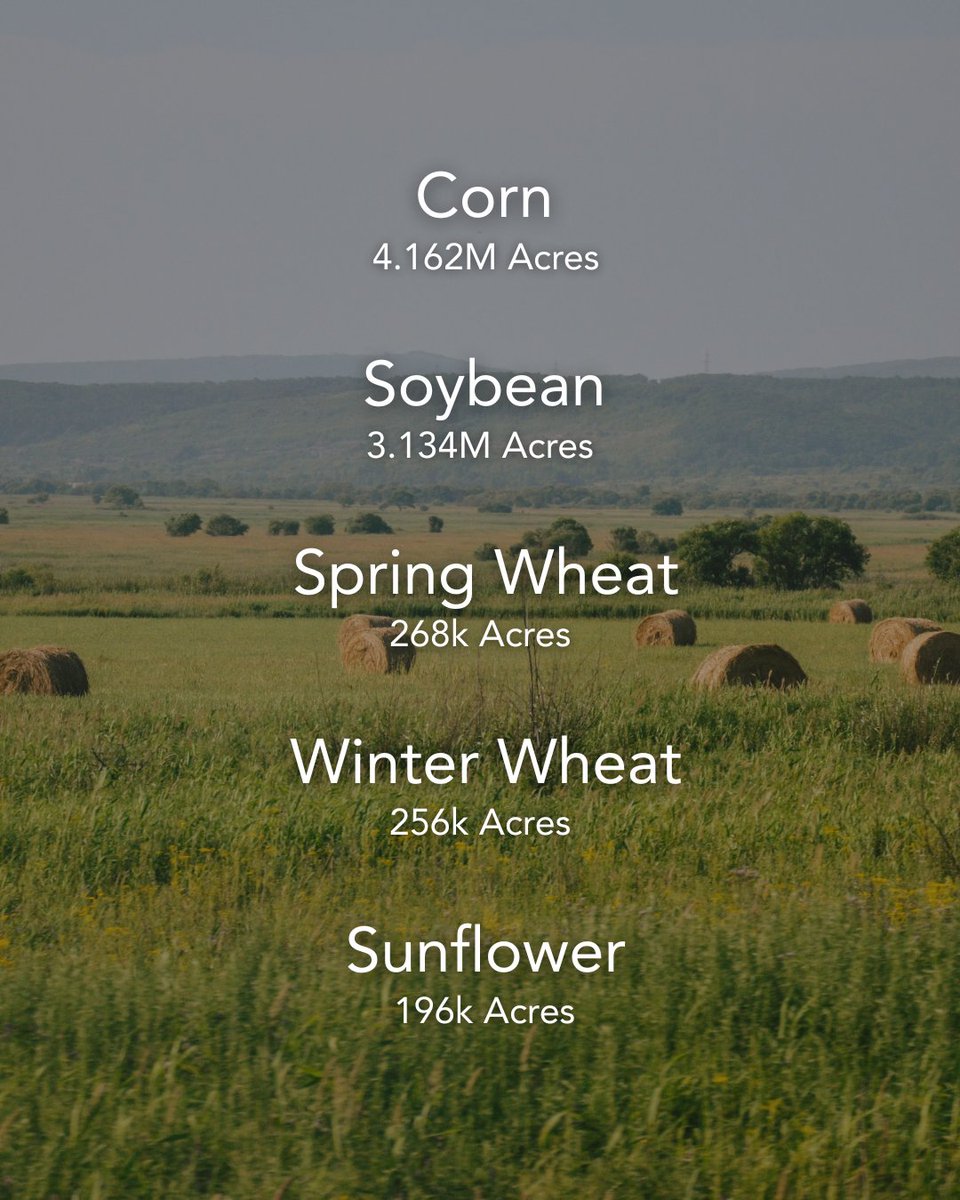
Corn leads by a wide margin, topping 4.1 million acres, while soybeans follow with another 3.1 million acres.
Beyond those two giants, acreage drops significantly across spring wheat, winter wheat, and sunflower. The rankings highlight where production is concentrated and which crops shape the agricultural landscape.
AcreValue helps you explore the data behind the acres and understand land use at a deeper level.
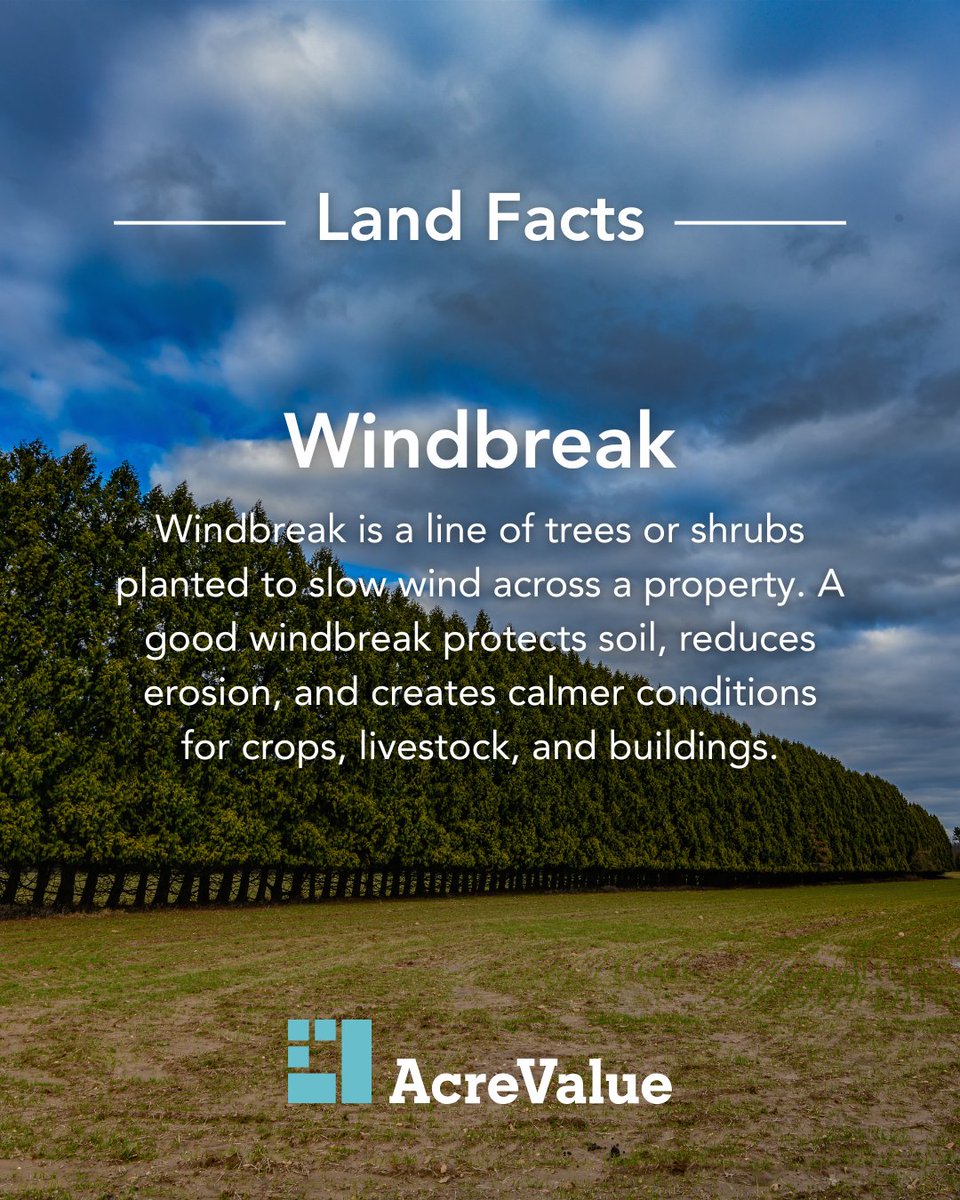
Windbreaks do quiet work on a property. A simple line of trees can slow wind, protect soil, and create calmer conditions for crops, livestock, and buildings. 🌳
Have you ever seen a windbreak?