A320 navdata update with a 1.44 MB floppy disk. Disk 1 of 13.
It loads the current navigation database into the FMGC... airports, runways, navaids, waypoints, airways, SIDs, STARs, approaches, the lot. Still happens every 28 days on a lot of older frames. Most Gen Z have never seen one of these in real life.
The 787 and A350 are fantastic aircraft.. lighter, stronger, burn less fuel thanks to all the carbon fiber. But painting them properly has been a real headache since day one. Composites just don’t play nice with paint the way old aluminum did. They flex more, expand and contract differently when the temperature swings from a 40°C ramp in the Middle East to -55°C at cruise altitude.
On the 787, UV at altitude breaks down the bond between the primer and the composite resin. The A350 had extra drama with the copper lightning protection layer not moving the same as the skin, which cracked the paint at the joints.
So the topcoat cracks, lifts, and peels exactly like this. Airlines still paint them with full liveries because it looks good and protects the composite underneath. But once it starts failing, the practical fixes are speed tape or a quick white overspray to hide the damage until the next heavy maintenance. And yeah... those silver-taped wings or fuselages go mega viral every single time.
People lose their minds thinking the plane is falling apart. It’s not. It’s a cosmetic, approved temporary repair to keep UV and moisture off the bare composite.
From the maintenance side it’s just extra work and more frequent touch-ups.
Boeing and Airbus have brought in proper fixes for newer aircraft (better UV blockers, more flexible foils), so it should improve over time. But right now this is part of the daily reality on the line.
Honestly, sometimes you miss the old polished metal days… but these composite jets are still the future
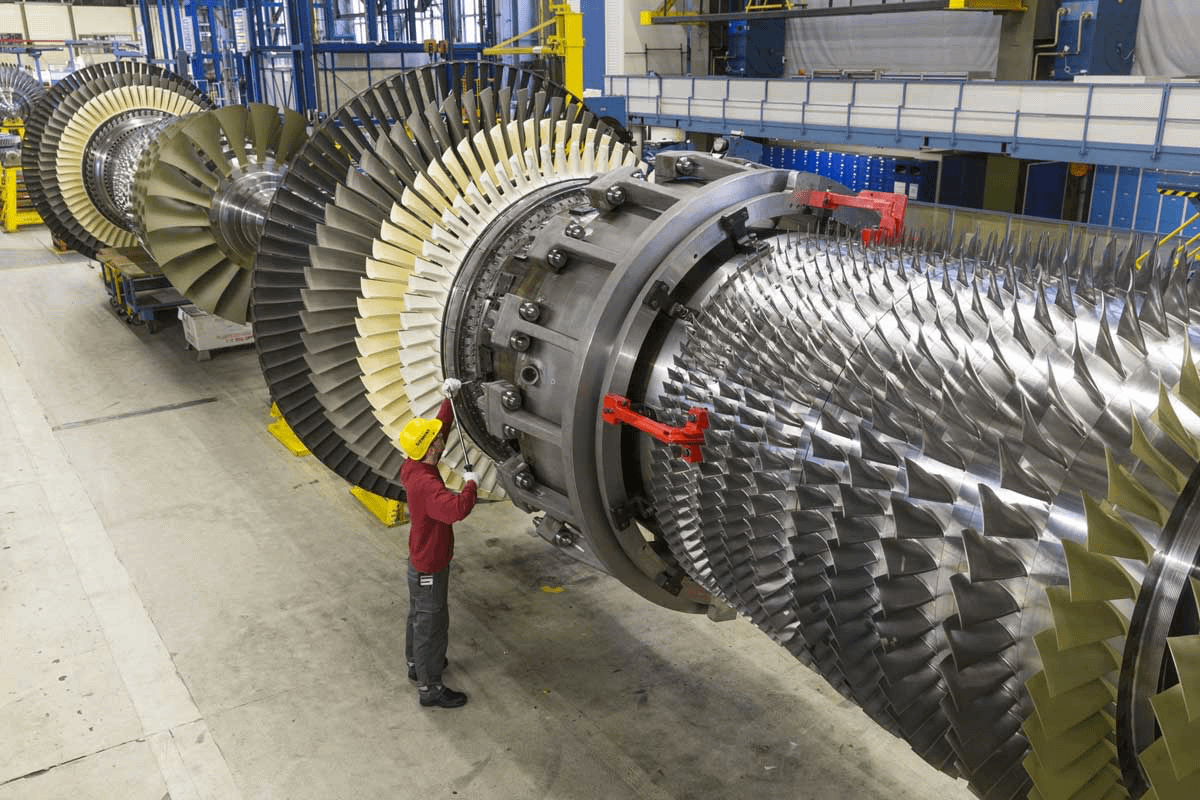
You cannot buy a new gas turbine until 2030. Order books at GE, Siemens, and Mitsubishi stretch to 2029. Turbine prices have nearly tripled since 2019. Every AI data center needs power and every gas plant needs a turbine. And every turbine has one part that bottlenecks the entire industry: The blade. It has to survive in gas 500°C above the melting point of the metal it's made from and spin at up to 20,000 RPM under 10,000 g of centrifugal force. Each blade is grown as a single crystal of nickel superalloy, pulled through a vacuum furnace at 3 mm per minute. A set of blades costs $600,000 and takes 90 weeks to grow. The same metallurgy powers modern jet engines. Only 3 companies on Earth can build one. China spent $42 billion trying to catch up. They bought a Russian fighter engine, took it apart, and copied every part. Their copy ran 30 hours between overhauls versus 400 for the original. Modern Western engines run 4,000. You can reverse engineer the shape of a turbine blade. You cannot reverse engineer 60 years of metallurgy.
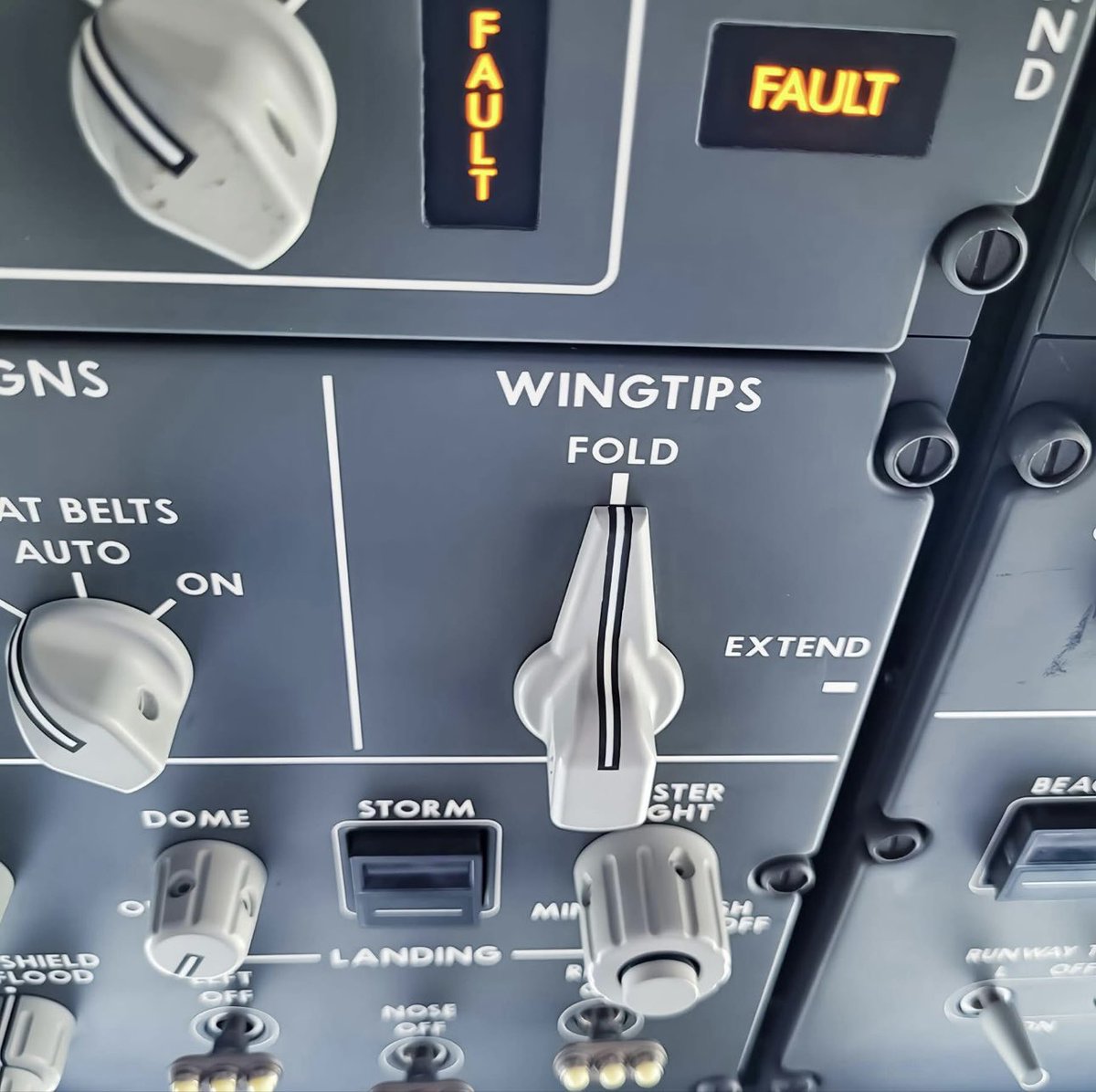
The Boeing 777X has a safety feature no other commercial widebody offers: it can actually stop a takeoff if the wingtips aren’t fully extended and locked.
Because its massive composite wings fold on the ground to fit Code E gates, regulators identified a serious risk—what if a crew began the takeoff roll with the tips still folded or not properly secured? A reduced wingspan at high weight and high speed could be catastrophic.
Instead of relying solely on a warning horn, the 777X includes active takeoff inhibition logic. The aircraft continuously monitors wingtip position with multiple independent signals, provides clear status during taxi, escalates alerts near the runway, and will not allow takeoff progression unless the wingtips are fully extended and mechanically locked.
📹: Aviation Geek (TikTok)
This is a carbon copy of an Emirates A340-500 (A6-ERG) tail strike out of Melbourne on the 20th of March, 2009.
The take off performance was wrongly calculated by 100 tonnes, 262.9T instead of 362.9T.
The captain later said, "I thought we were going to die. It was that close".
On 9 February 1969, the Boeing 747 flew for the first time. A behemoth with four engines, and an ambition that bordered on arrogance. Many doubted it would even fly. Some doubted it should exist at all.
But it did. And it changed everything.
The @BoeingAirplanes 747 shrank the world. It made long-haul travel routine, affordable, and democratic. It moved people, cultures, aid, commerce, presidents, astronauts, and ideas, often all at once. Bill Gates later called it the first world-wide web, for the way it interconnected our world.
1,574 were built.
As per Joe Sutter’s engineering vision, each one over-engineered. Each one designed with a belief that scale could be elegant. And despite newer technology and quieter engines, many will still be flying well into the 2050s, hauling cargo, supporting science, and proving that good design outlasts fashion.
For me, the affection is personal. The 747 isn’t just an aeroplane, it’s a presence. The way it sits on the ramp. The way it absorbs weather. The way it carries speed without drama and weight without complaint. Flying it never felt like operating a machine; it felt like working with one. A weird symbiotic relationship, that I’m unable to explain.
There are aircraft that are clever.
There are aircraft that are efficient.
And then there is the 747. Bold enough to be both, and generous enough to bring the world along with it.
JUMBO, released 19 February, tells the full story, the engineering, the compromises, the near-misses, the tragedies, and the moments of brilliance that allowed one aeroplane to change how the world moves.
If you’ve ever looked up at a 747 and felt something stir, this book is for you.
Happy birthday to the Queen of the Skies.
Still flying. Still relevant. Still magnificent.
#Boeing747 #QueenOfTheSkies #AviationHistory #AvGeek #FirstFlight #AviationLegend #LongHaul #AircraftDesign #JUMBOBook
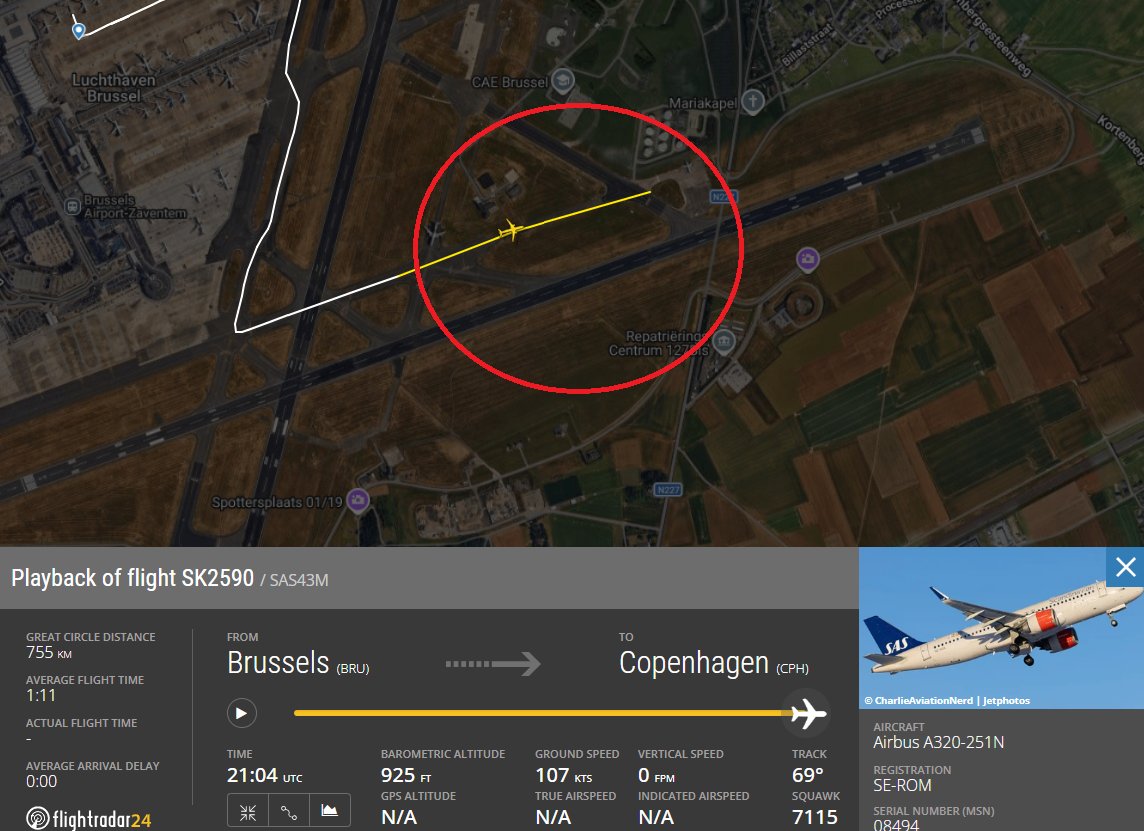
Scandinavian Airlines Airbus A320-251N accelerates to 117 knots on a taxiway after mistaking it for the runway at Brussels Airport on Thursday.
"The take-off of a Scandinavian Airlines plane was interrupted," says Brussels Airport spokeswoman Ariane Goossens. "The aircraft had started take-off from the taxiway instead of the runway. That taxiway only serves to move aircraft between the terminal and the runway."
The aircraft already reached a speed of up to 117 knots/220 kilometers per hour on the taxiway. The plane eventually stopped short of a fuel farm located at the end and to the left of the taxiway.
How exactly the incident happened will be further investigated by Belgian authorities.
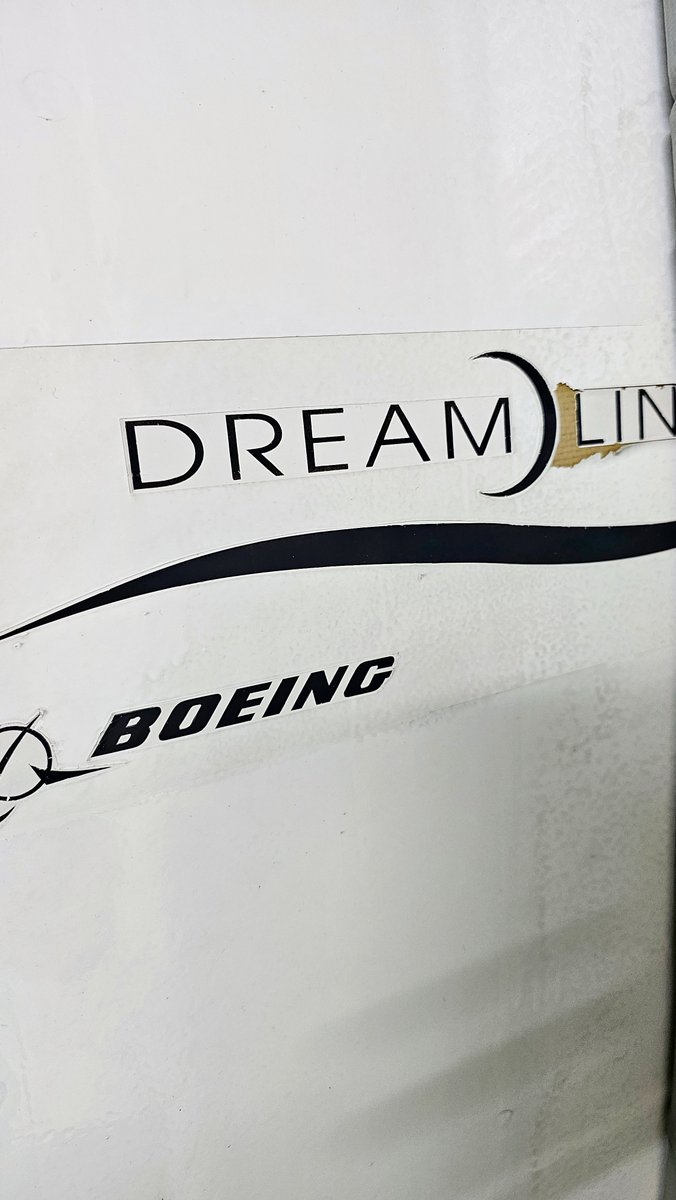
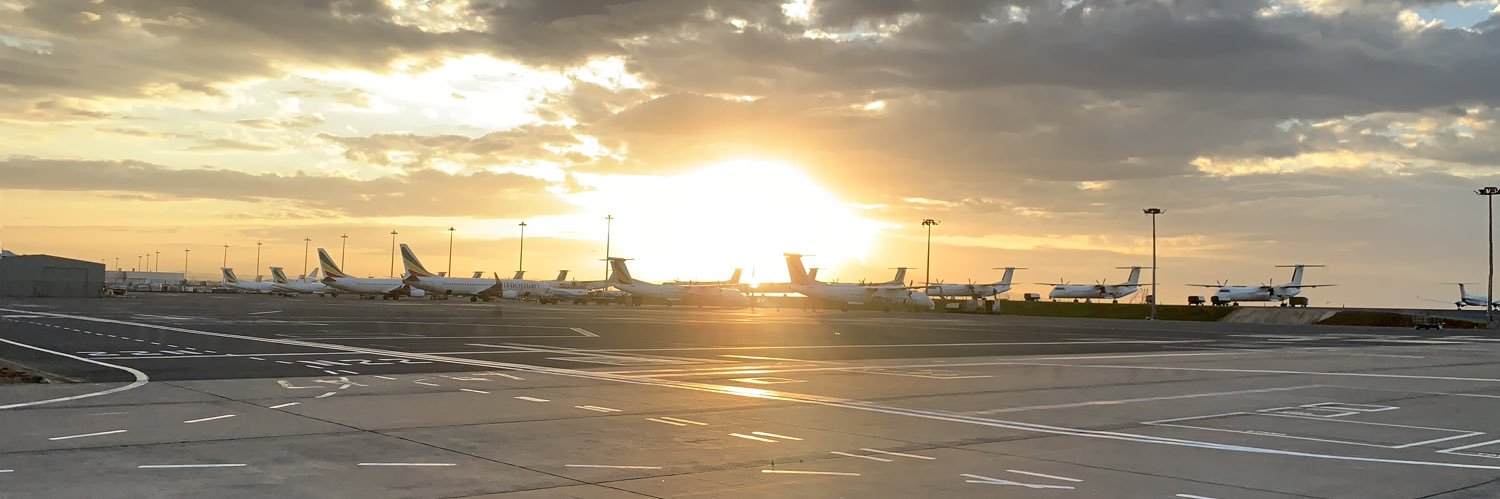
Nine more 787-9 airplanes for Ethiopian Airlines! ✈️
Thank you, @flyethiopian, for choosing the 787 #Dreamliner and for our ever-growing partnership. We look forward to shaping the future of air travel together.
Release: https://t.co/lp4rBjcTPZ
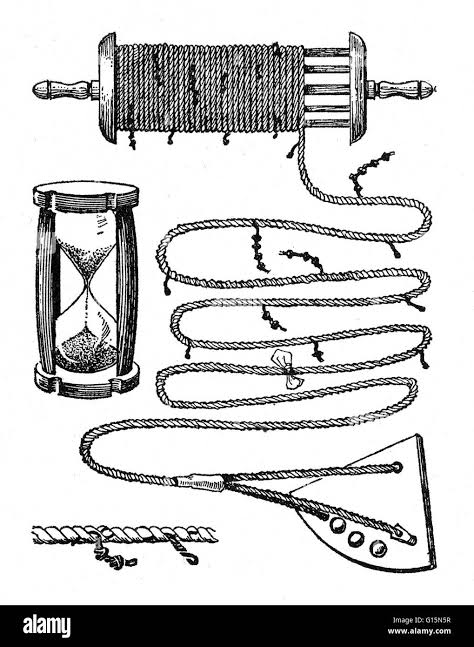
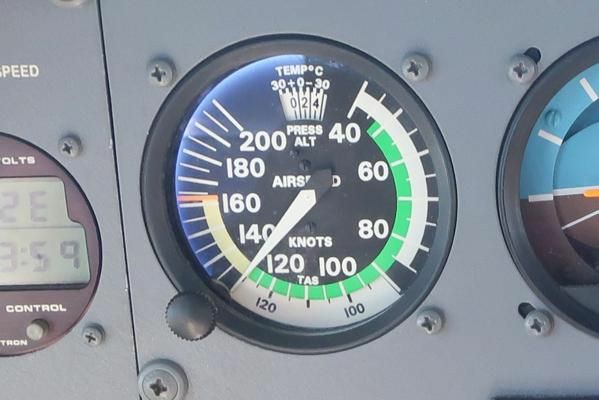
They would drop the wood into the water for a specific amount of time & count the knots that had gone over the ship's stern. 1 knot = 1 nautical mile/hr. #aviation#avgeek#history
The term "knots" used as the unit of speed in the aviation & maritime industries comes from the method sailors used to measure their ship's speed in the old days.
A long rope was used with knots tied into it at regular intervals & a piece of wood attached at the end...