PhD in Cellular and Molecular Exercise Physiology. Post Doc at UCSF, Andrew Brack's Lab. Muscle regeneration and ageing. Volleyball player, coach and volunteer.
Excited to share some work that came out of my lab when I was at UCSF. Thanks to @UCSFstemcell@UCSFOrtho and @calico,
We studied cellular dynamics and trajectories through single cell RNA Seq, heteromotility analysis and Cell Painting, to identify key regulators of stem cell function, a concept that can be applied to nearly any other transitional cell states.
Skeletal muscle repair, which is dependent upon functional muscle stem cells (MuSCs), has long been known to decrease with age and result in significant loss of function in the elderly. Back in the day, my lab and others had previously demonstrated that MuSCs traverse though a continuum of activation states in response to injury stimuli in a non-uniform manner and that aged MuSCs transition through the same activation states but with delayed kinetics, contributing to their reduced function. However, the molecular processes that control the rate limiting steps through transition states and how this process may change with age remain led largely unknown.
In this preprint, we demonstrate that the Integrated Stress Response (ISR) pathway is dynamically expressed and required in individual adult MuSCs during activation, an event that does not occur in aged MuSCs. Forcing ISR activation in aged MuSCs accelerated activation from quiescence, improved aged MuSC resiliency, and improved muscle regeneration in vivo, while ISR inhibition in led to dysfunctional adult MuSC activation, commitment, transplantation potential, and elevated apoptosis. These data suggest, for the first time, that mounting a rapid ISR response is important for MuSC activation.
The role of the ISR during aging is gaining considerable interest and appears to be complex and context dependent. For example, recent work from the labs of Dr. Peter Walter and Dr. Suzanna Rosi have demonstrated that ISR inhibition improves cognition in mouse models of aging and traumatic brain injury. The current work shows ISR activation improves aged muscle tissue.
https://t.co/hal1VFgH2S
There is a lot of excitement around partial reprogramming, especially with the launch of @altos_labs. But how promising is it exactly?
I spent the last three months reading almost all the papers in the field. 13k words later, we have:
https://t.co/xAhQcIBJz8
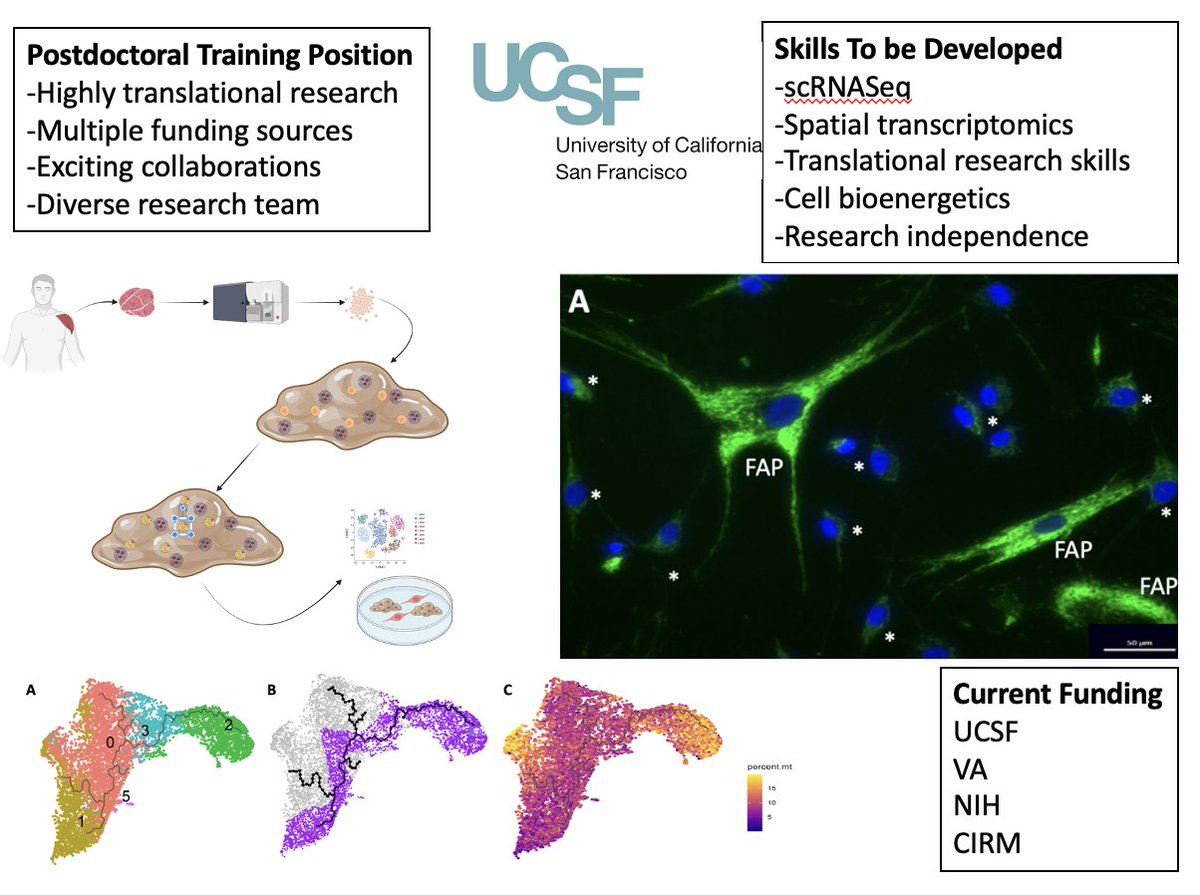
We are looking now for a post-doctoral candidate to work on highly translational muscle stem cell research. We have a great team, partnerships with @kehealy, @spinesinspace, and impactful research. Join us on your path to research independence.
@ORSsociety, @PennMuscle, @Farsh_G
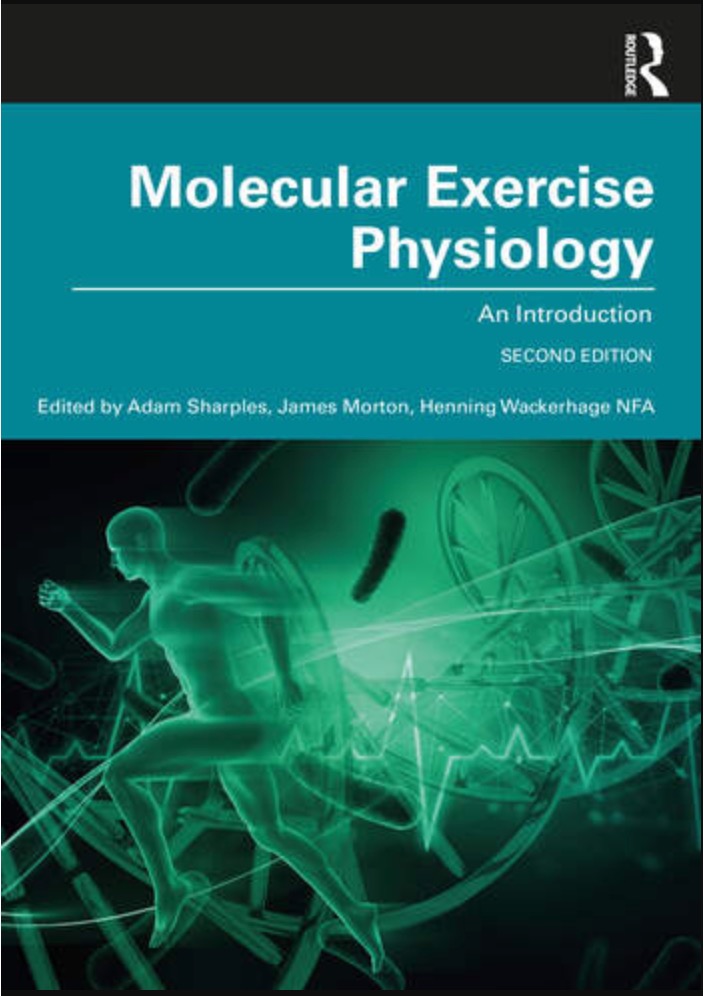
Our new textbook |
Molecular Exercise Physiology: An Introduction - 2nd Edition |
Is available for pre-order!
Thank you so so much for everyone’s gigantuan effort on this!
https://t.co/zGXXZHSRSK
@DrAdamPSharples@JamesyMorton@HeWaHippo
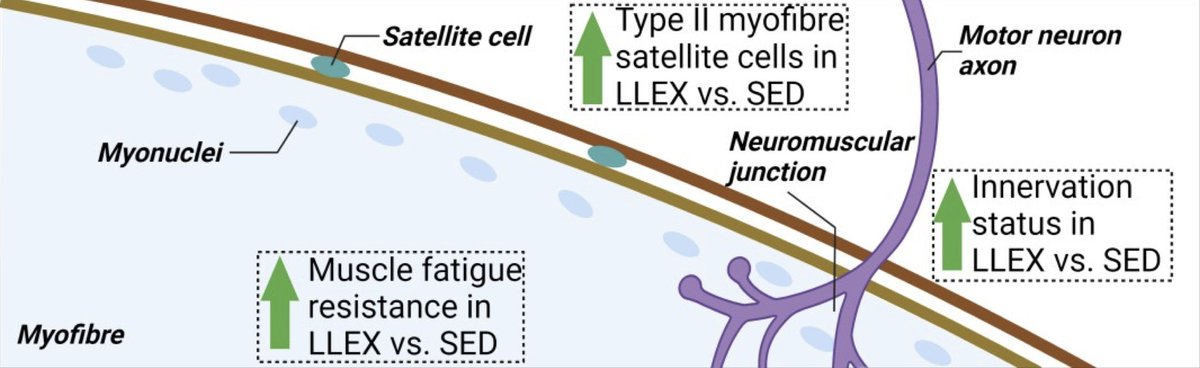
How much exercise is enough to offset muscle ageing?
We studied "mere mortal" lifelong exercisers and found a partially preserved muscle satellite cell pool + AChR profile vs untrained💪
Casper @Soendenbroe's PhD - thesis just submitted👏
#MyoTwitter
https://t.co/oQ9bCTtDYr
Delighted to announce I have funding for a post-doc position in my lab. The project covers Proteo-dynamics in muscle cells of FSHD patients and their unaffected siblings. Please take a look at the ad if you're interested in applying... https://t.co/hgYQi8VVLP
3D Timelapse Analysis of Muscle Satellite Cell Motility https://t.co/m7mN3wnU24
Supporting Information Movie 4a2. https://t.co/15jwhLpLKr
24h of satellite cell compressed into 30s, from 2009, from Dawn Cornelison's lab
Still one of my favourites!
Exciting PhD position available "Modelling of muscle protein homeostasis in healthy human ageing" @LJMUSportSci in collaboration with @CEStewartPhD@ortegamartorell@richjfoster Fully funded 3-y studentship for UK applicants, more details available here: https://t.co/Y5wiNeaIJO
Our latest article is live!
@ADBrown1992 talks openly about the impact Covid has had on his post PhD career, how this impacted him, but how he hopes to try and salvage some positives from the scenario!
#AcademicMentalHealth https://t.co/DPLt5XZWio
Our latest article is live!
@ADBrown1992 talks openly about the impact Covid has had on his post PhD career, how this impacted him, but how he hopes to try and salvage some positives from the scenario!
#AcademicMentalHealth https://t.co/DPLt5XZWio
What happens, when experts in Neuromuscular (@RMErskine; DOS), Stem Cell (@CEStewartPhD), and Applied Exercise (@BARRYD22) Physiology as well as Biomechanics (Mark Lake) come together to supervise a PhD project? It results in this:
https://t.co/Qmdzw1flFm
A (small) thread:
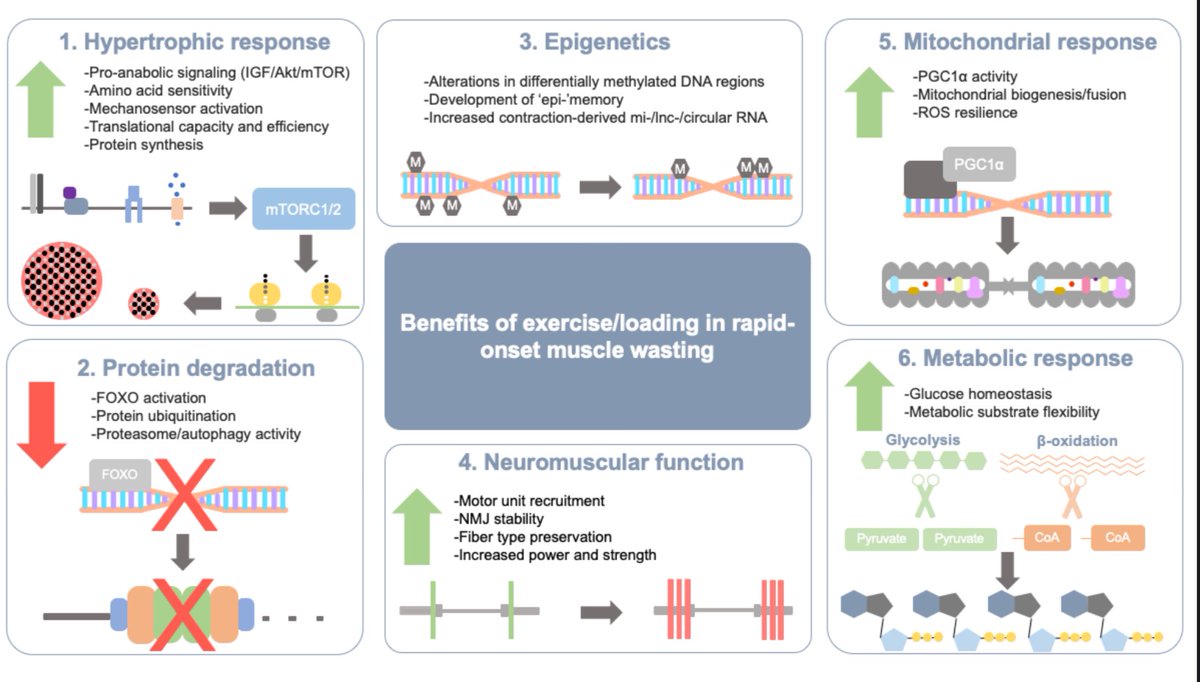
@dan_owie @BrackLab Recent review that focuses on mitochondrial function argues for this, in particular RT followed by ET. Interesting read actually.
https://t.co/KLoVChjE5Q
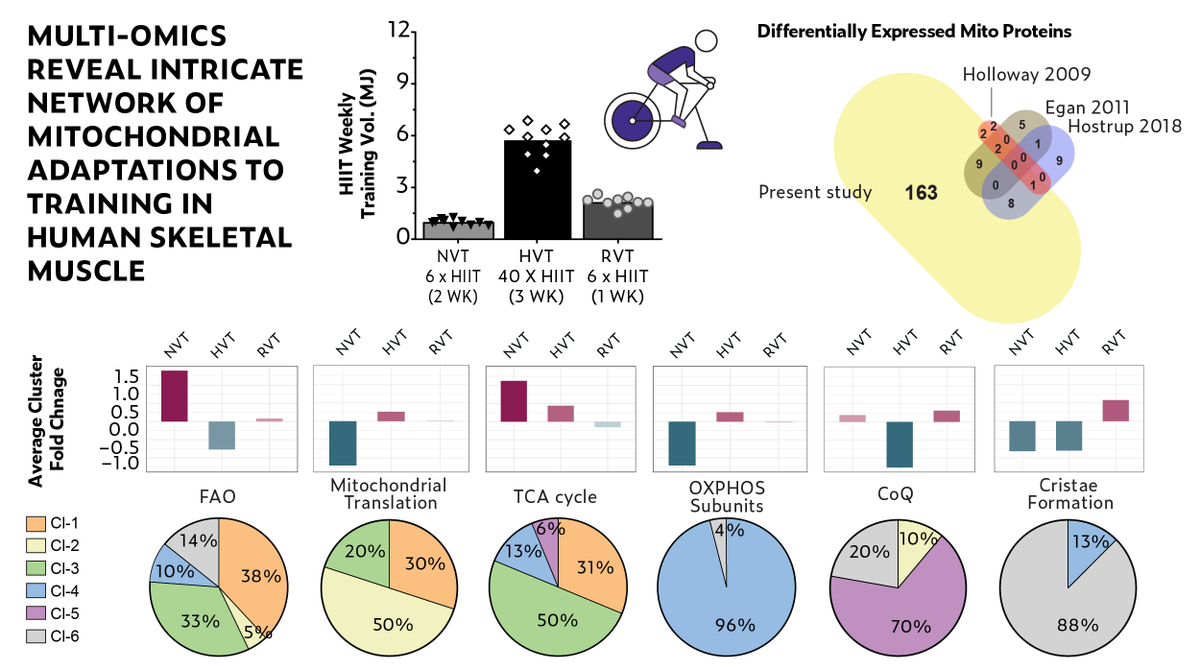
Excited our collaboration w/ @thestroudlab is now on bioRxiv - Multi-omics (transcript, proteome, lipids) reveals unexpected complexity of mito adaptations to training. https://t.co/yylirzP1xn
Led by @triatciccio & @bluebirdi, w/ @thorburn_mito @MelindaCoughlan et al.
Thread👇