By four months of age, babies look longer at patterns that adults judge to be beautiful. This suggests that, like our love of faces, the aesthetic sense may be built into the human mind from the start.
https://t.co/mWwCU3XTwu
By identifying which cultural dimension drives variation in emotion semantics, we move beyond reporting that culture matters to begin explaining how. We see this as a first step toward linking cross-cultural semantics with the sociocognitive systems that structure human emotion🙂
What role does culture play in how we understand emotions? 🤔In our new study, we show that a society's attitudes towards the future shape how emotion concepts are organized semantically—across 15 languages. 📢Open Access paper here: https://t.co/2M9lzUnXWc
@NaturePortfolio
🧠🇪🇸 Are you a native Spanish speaker learning English?
We're running an online study on English language proficiency, and we need participants of ALL levels, from beginner to advanced!
Take part here 👉 https://t.co/Zktay0wqQn
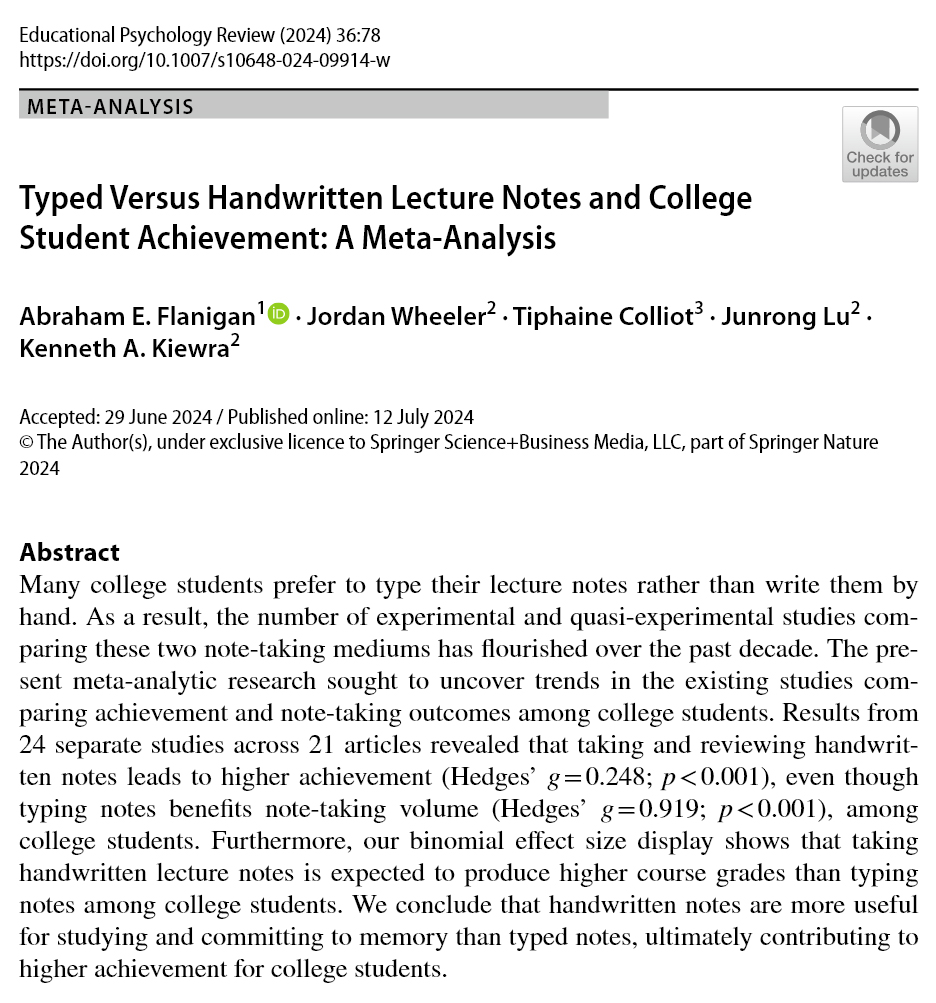
It's time to remove laptops from classrooms.
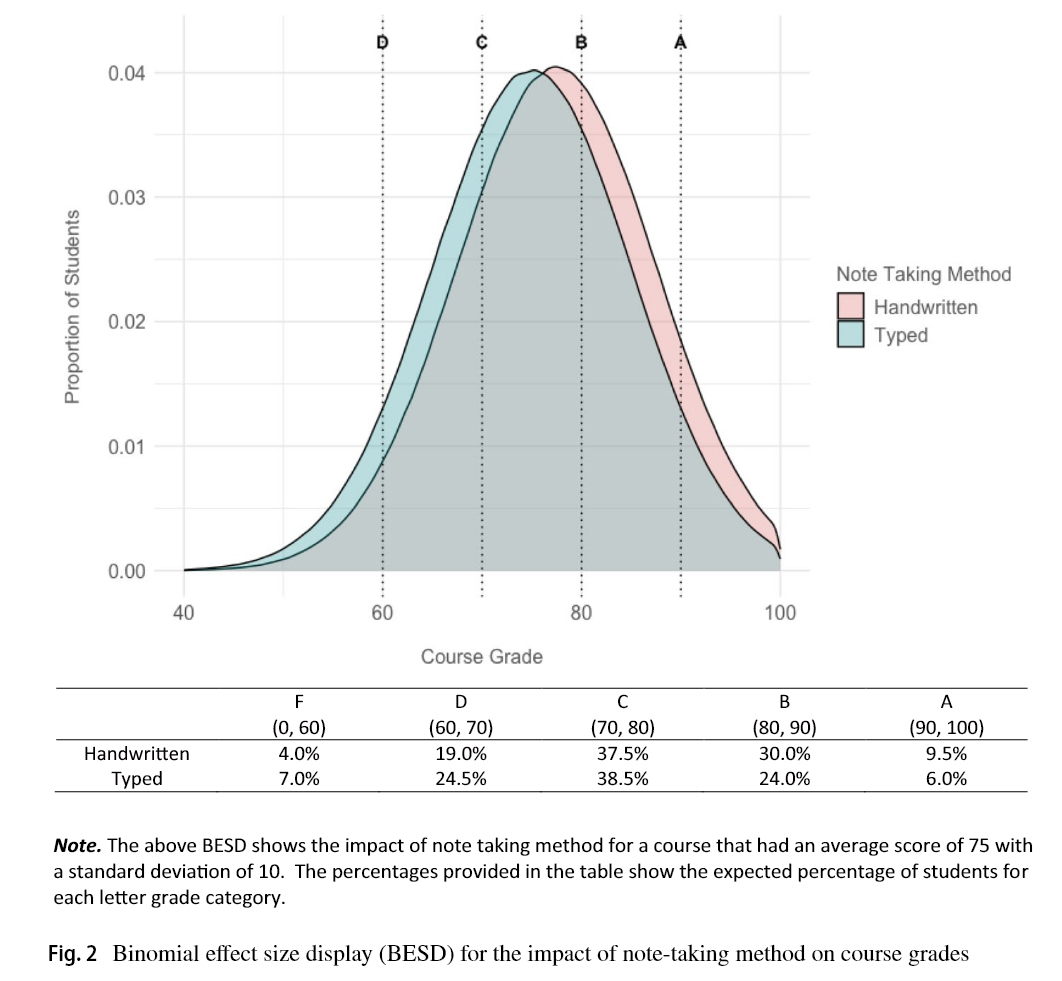
24 experiments: Students learn more and get better grades after taking notes by hand than typing. It's not just because they're less distracted—writing enables deeper processing and more images.
The pen is mightier than the keyboard.